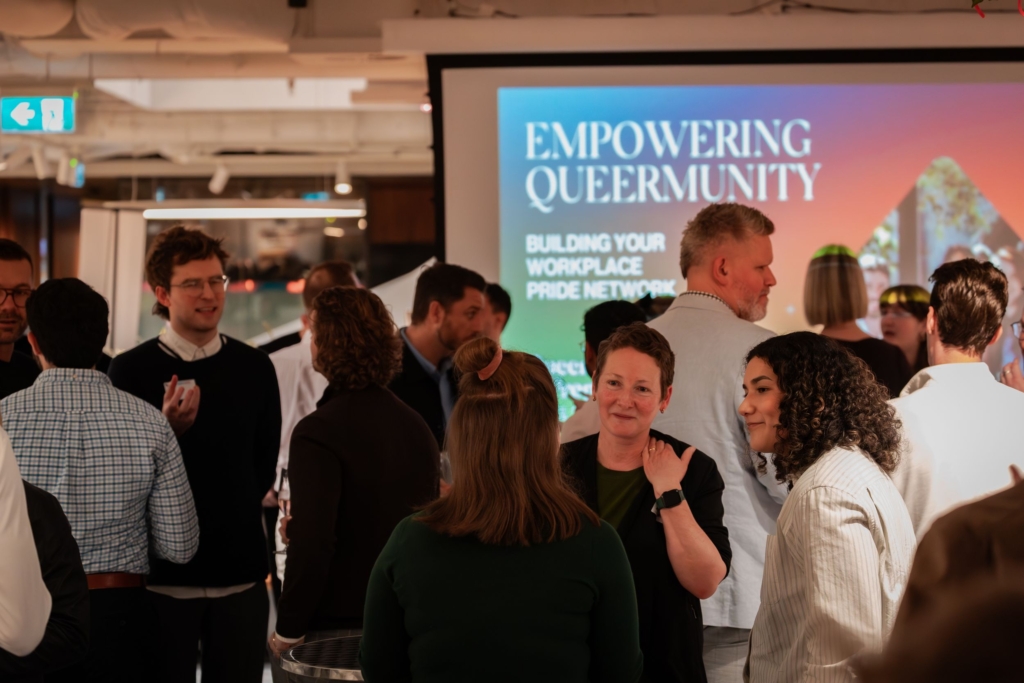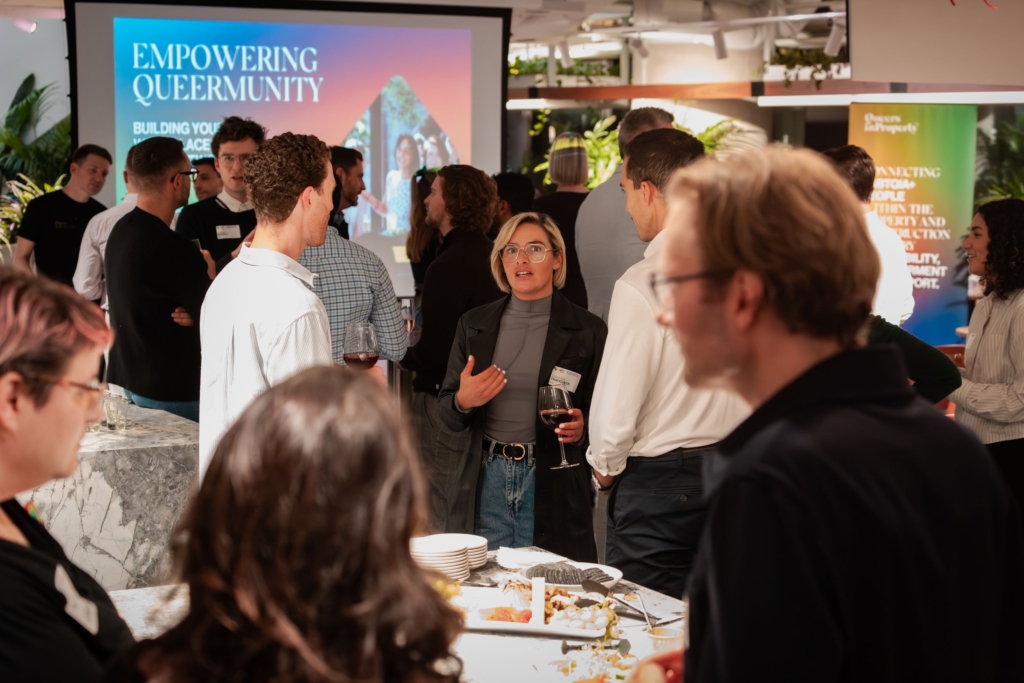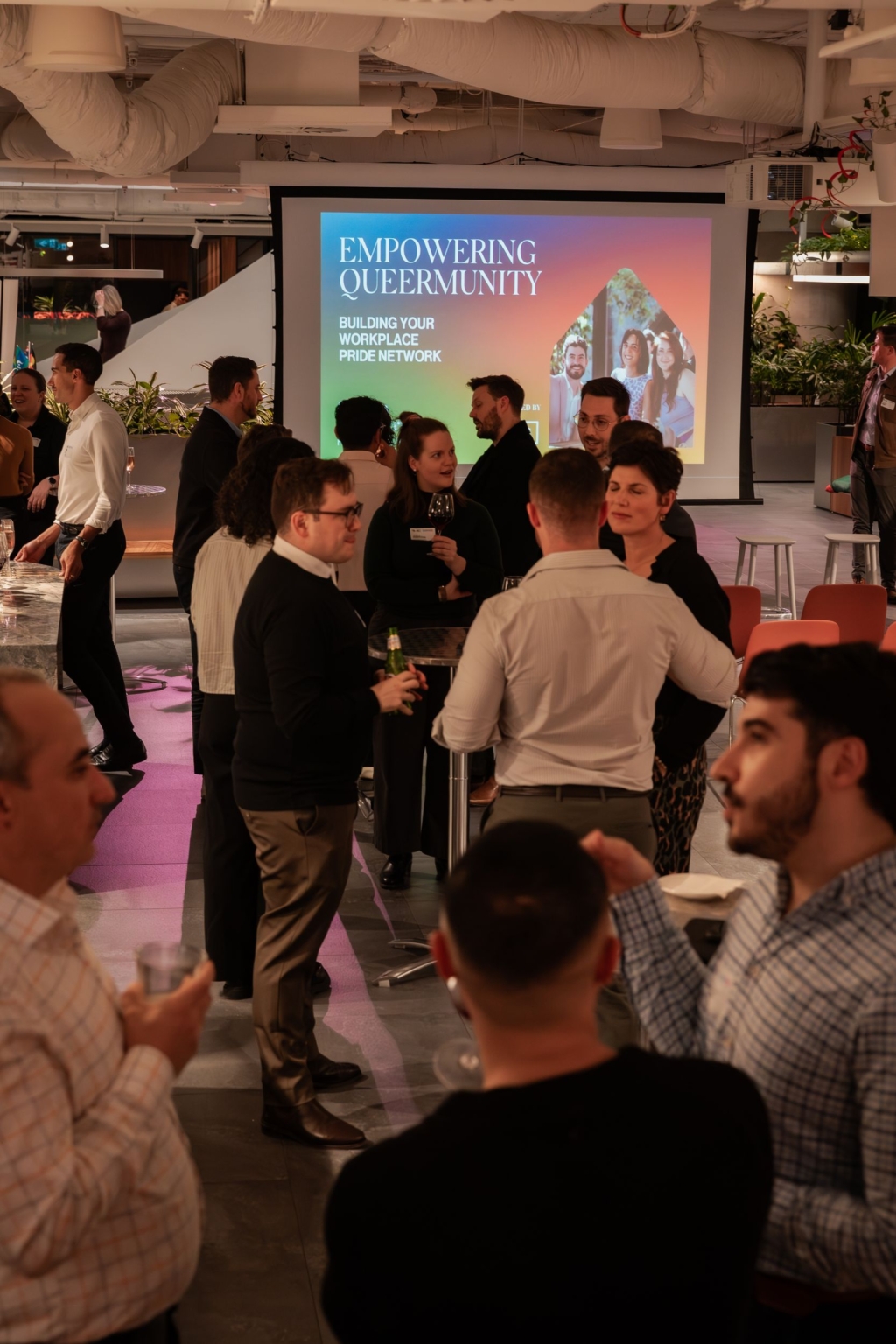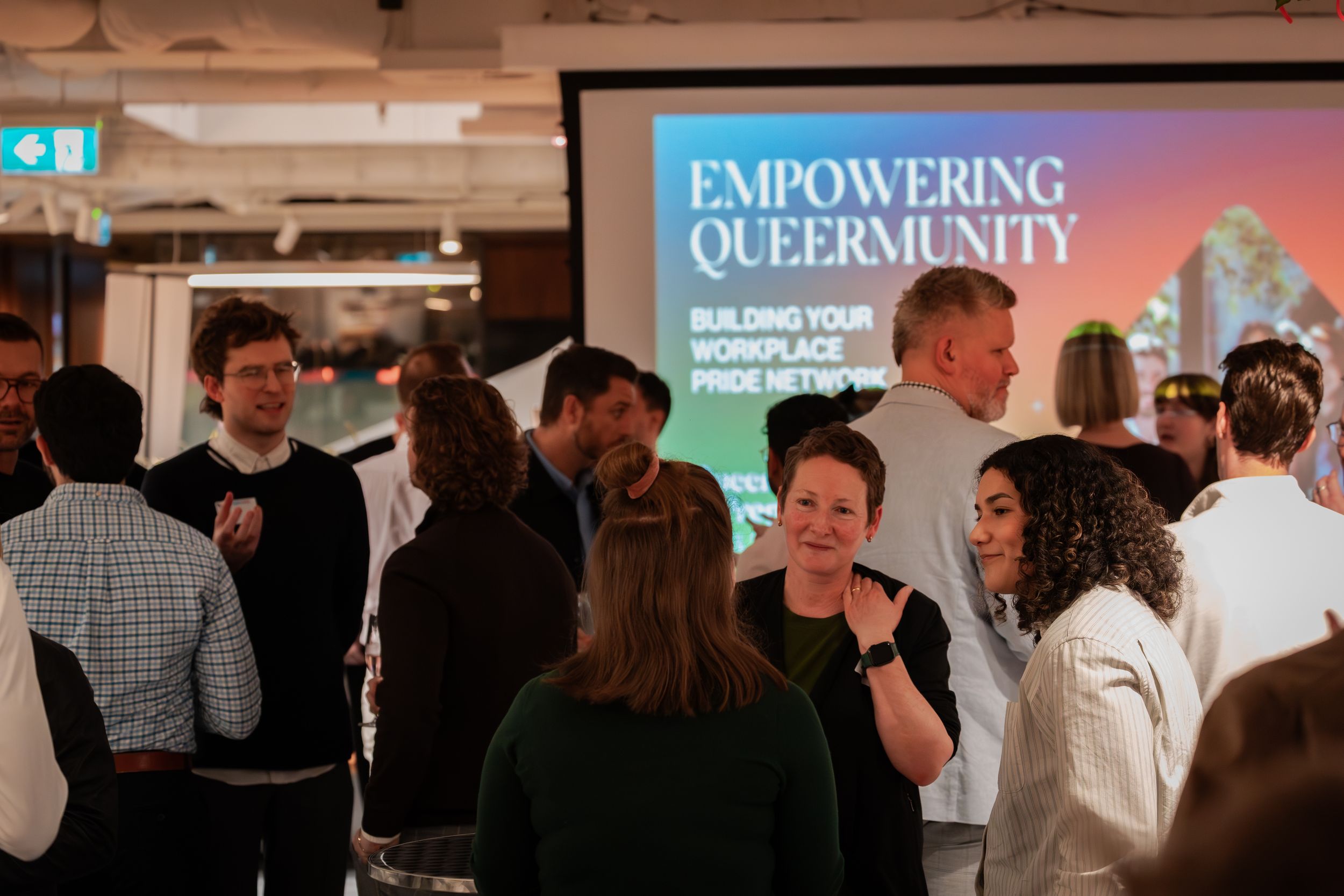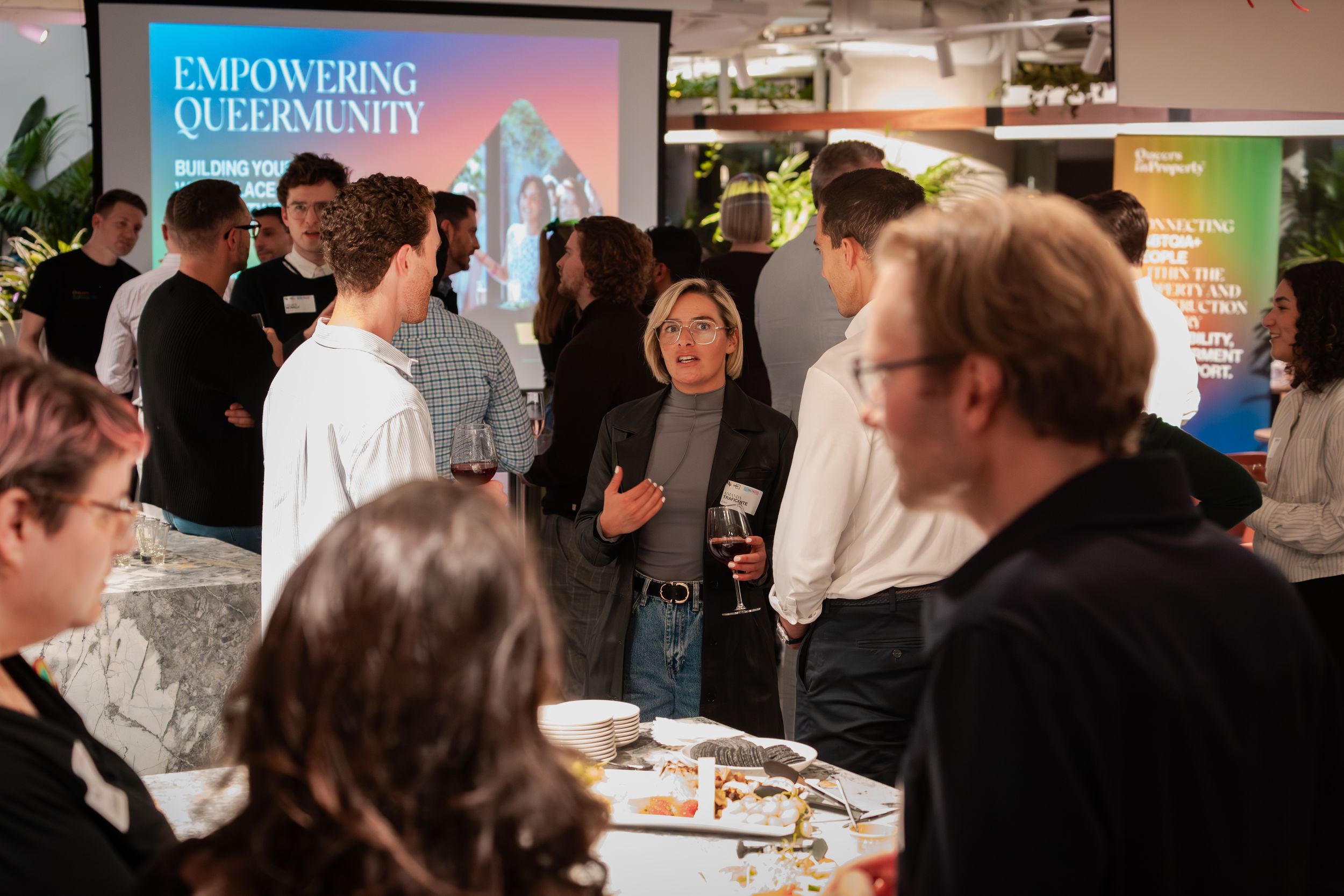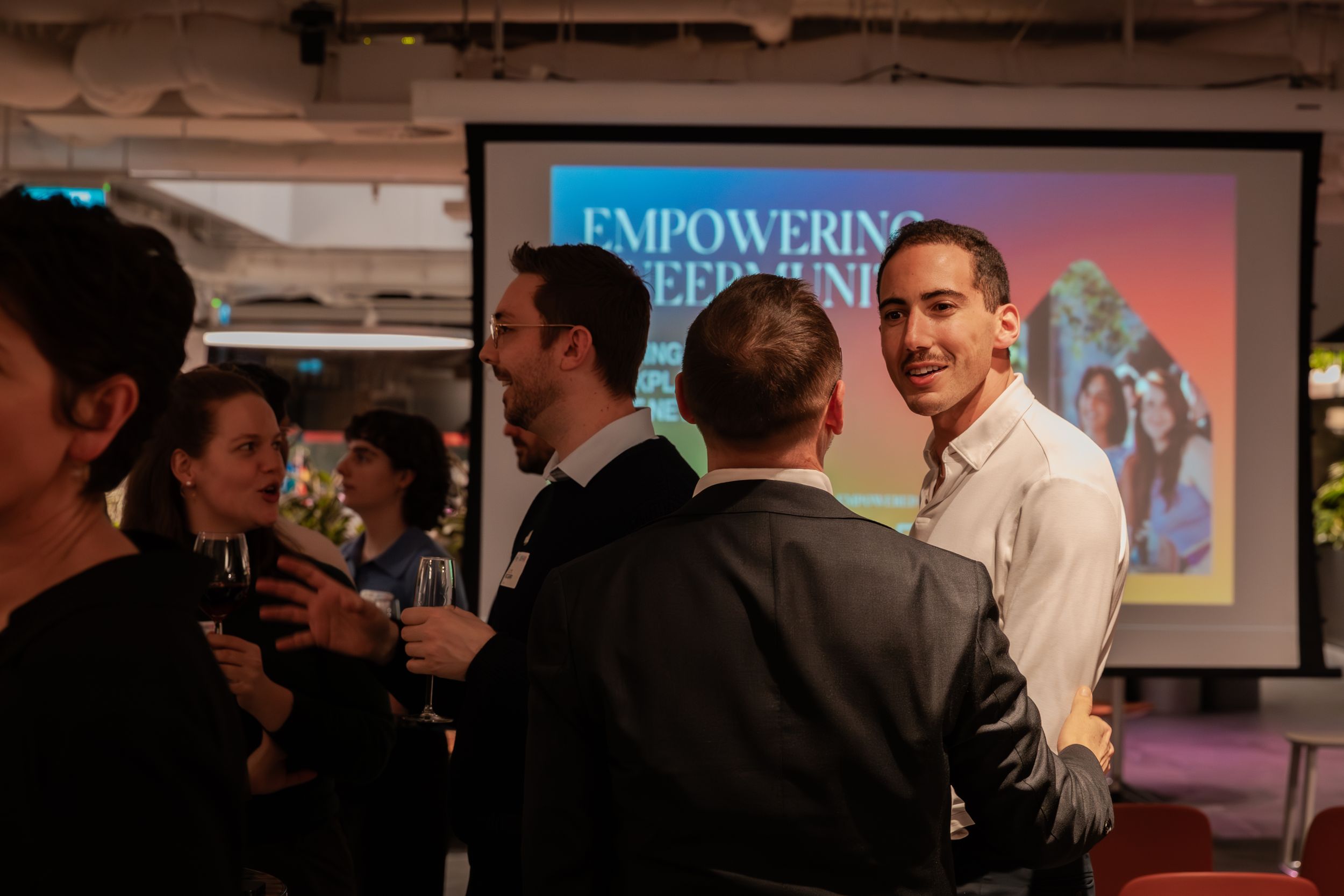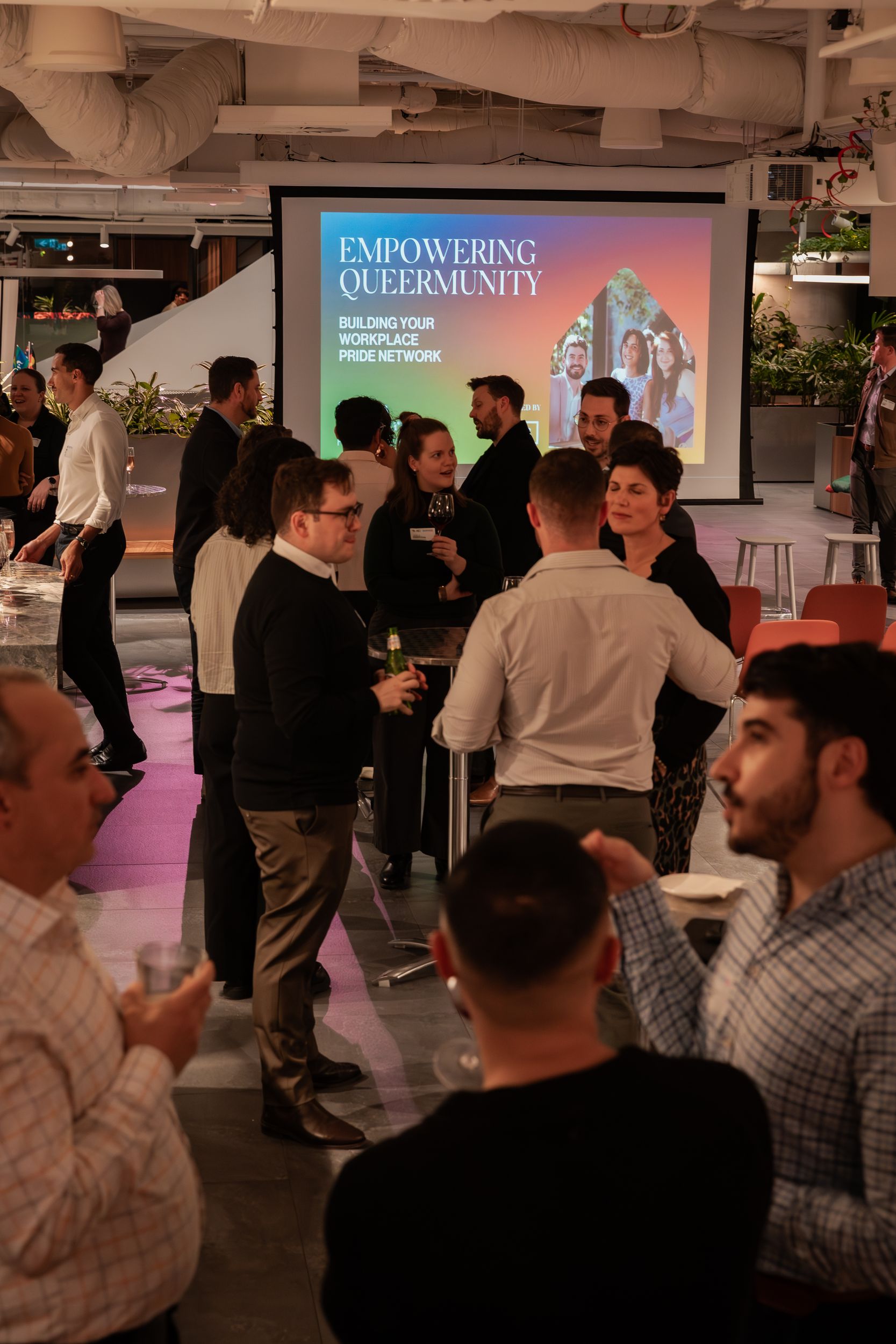



Empowering Queermunity Building Your Workplace Pride Network
-
EVENT DATE
May 2026 -
tags
Past Events, NSW, VIC
The Business Case for Belonging: Pride Networks in Property and Construction
In 2025, Deutsche Bank surveyed 290 global companies and found that organisations transparent and well-progressed on LGBTQIA+ inclusion policy demonstrate superior financial performance, stronger brand reputation, and greater success in attracting and retaining talent. The same research highlighted that 85% of investors factor ESG criteria into their decisions and 92% of companies consider DEI a material issue. As a result, failing to prioritise inclusion today puts an organisation’s long-term viability and social licence to operate at risk.
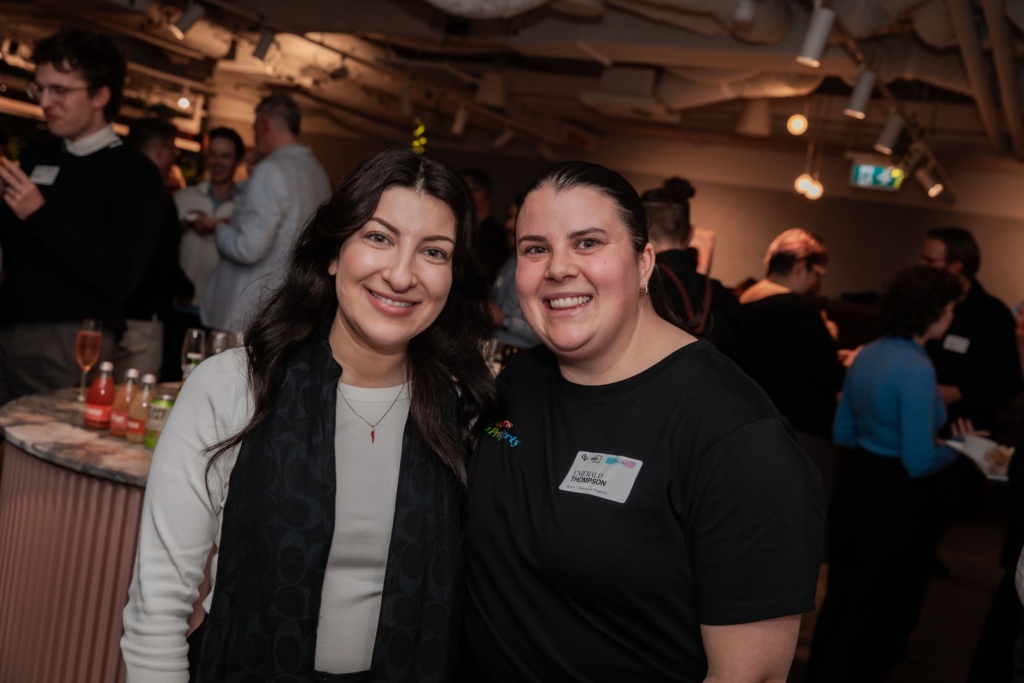
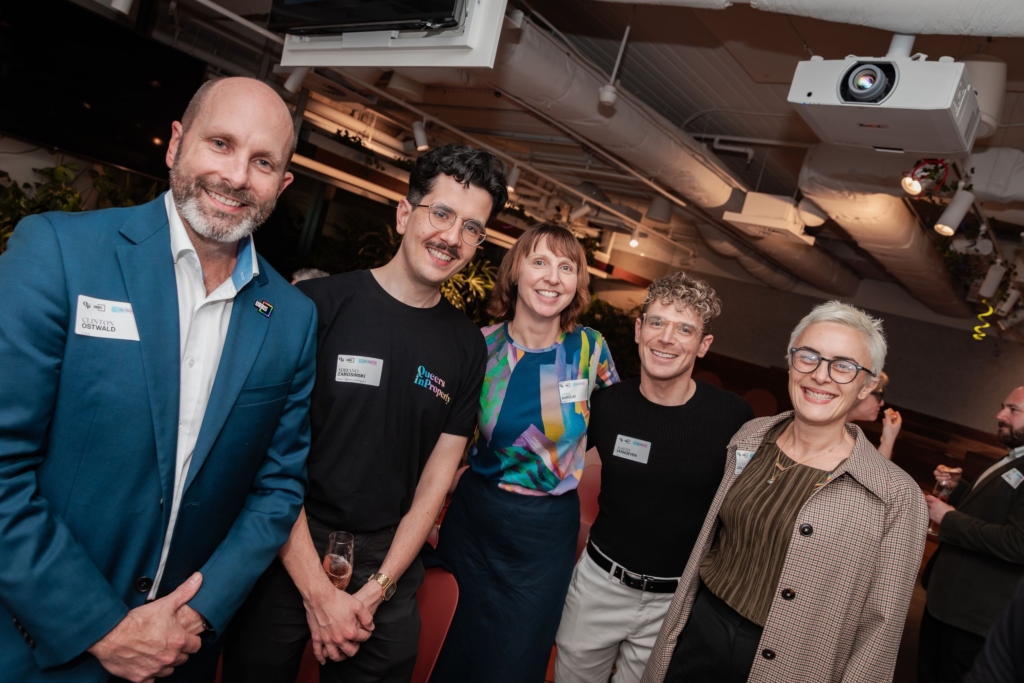
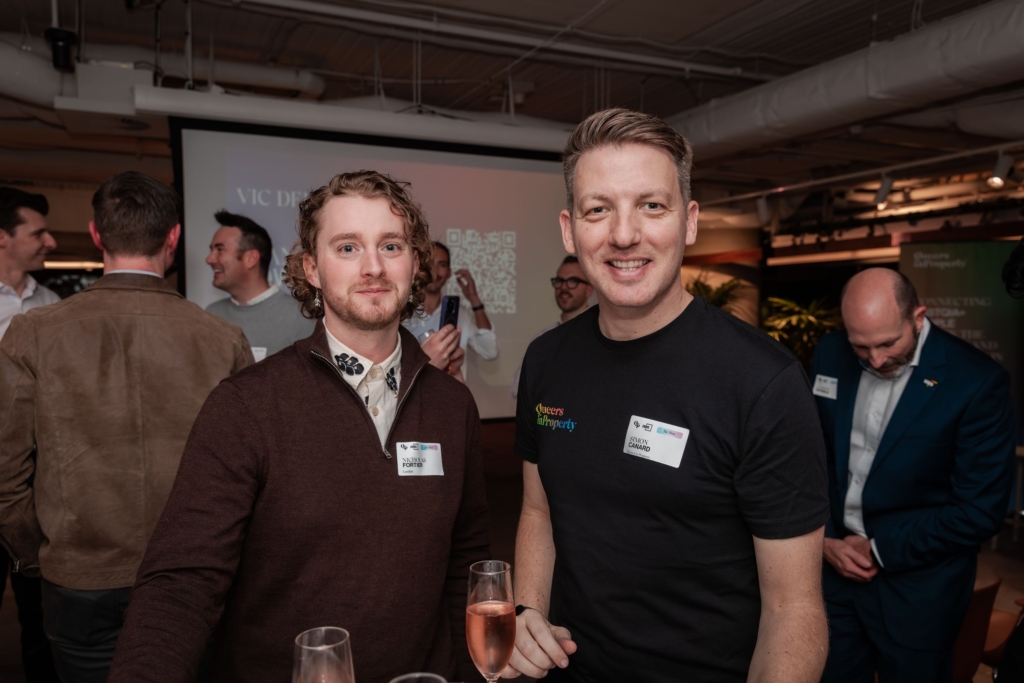
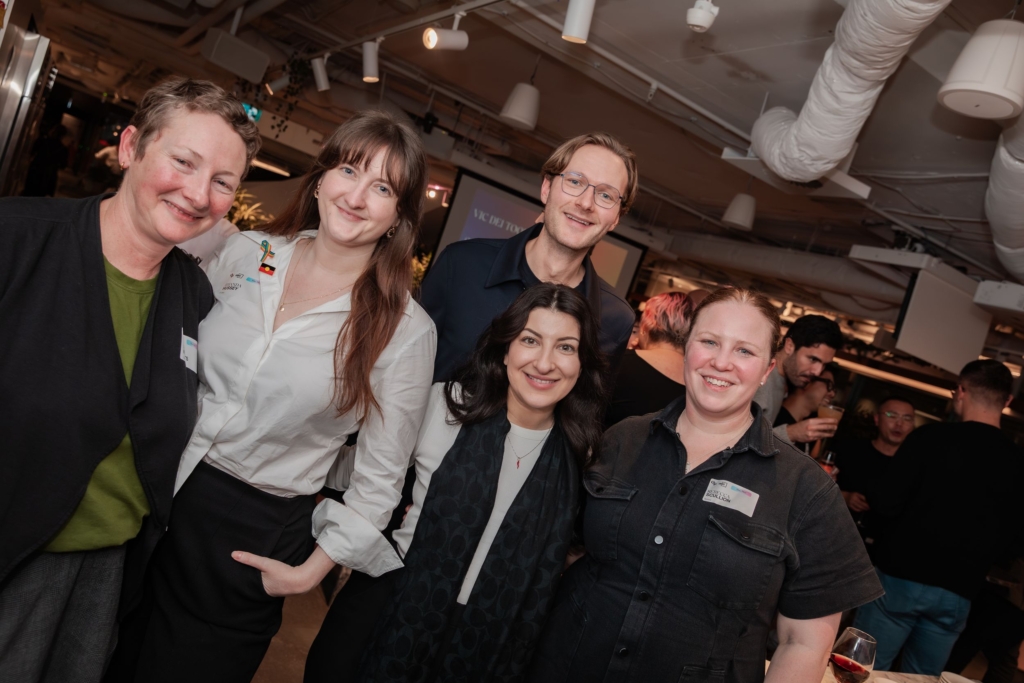
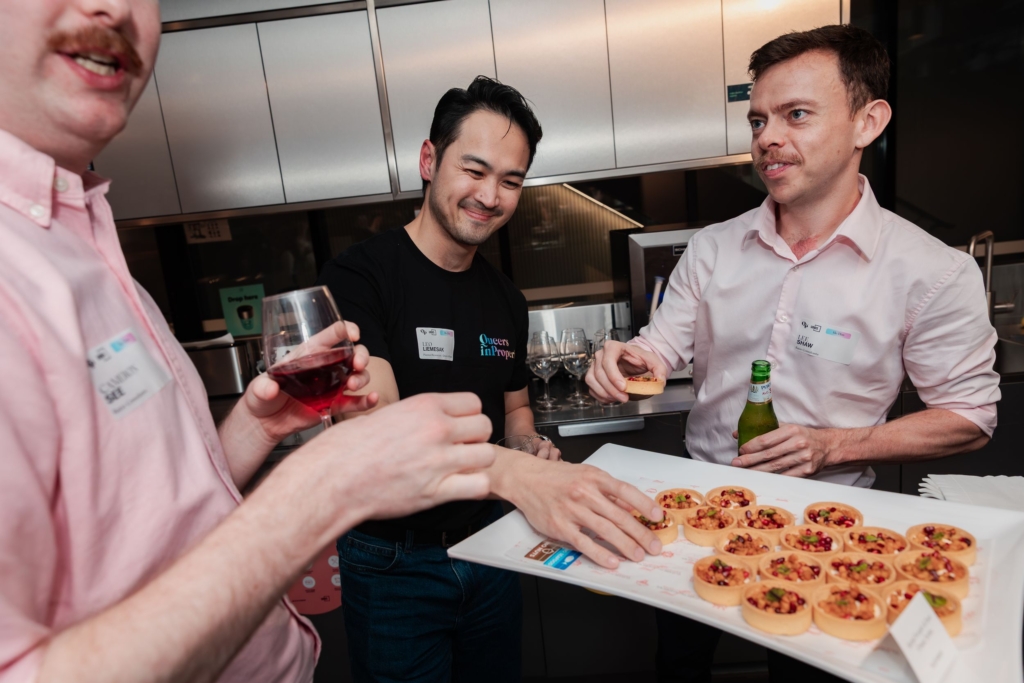
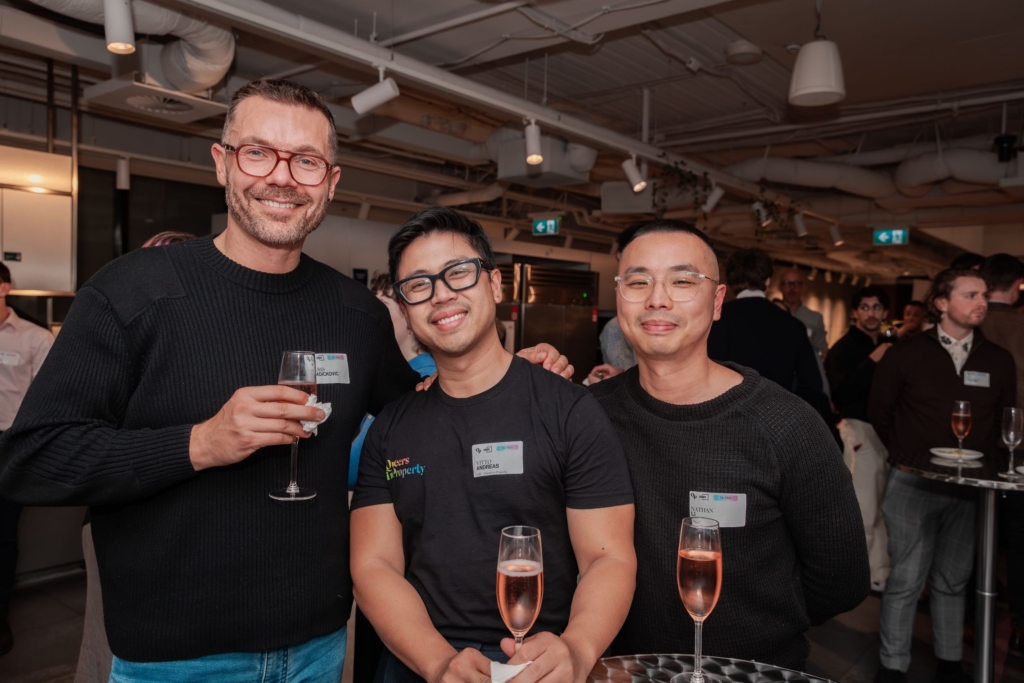
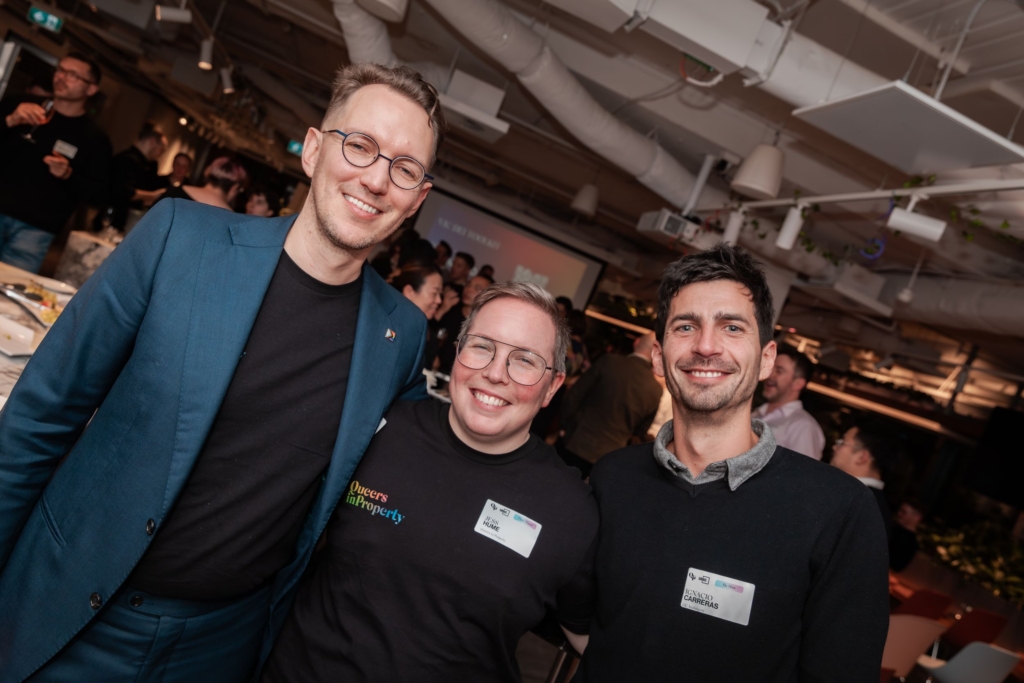
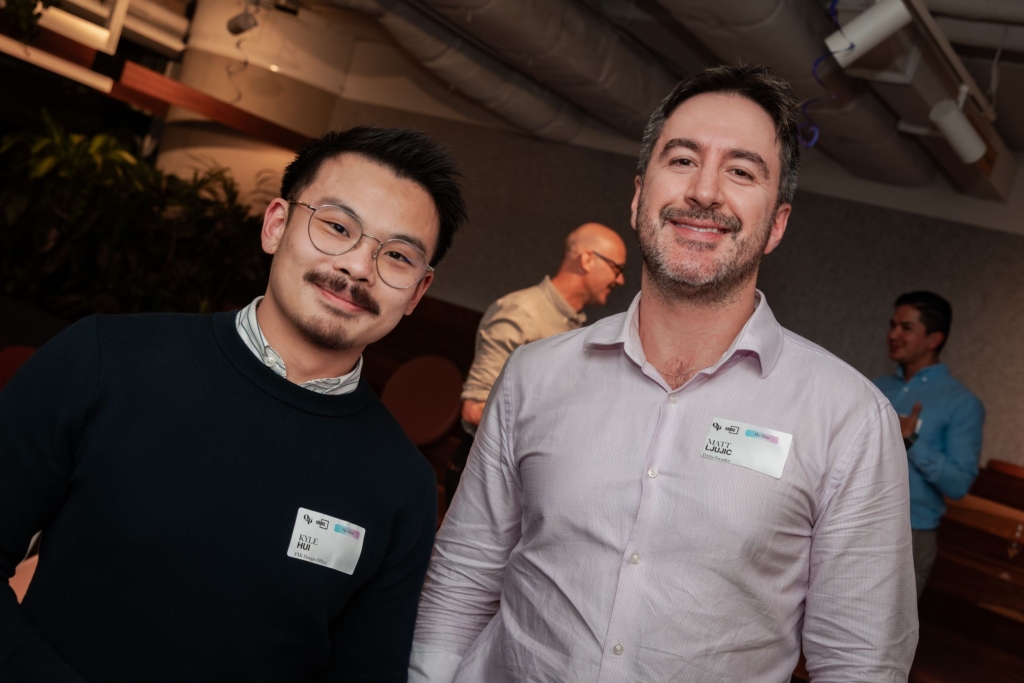
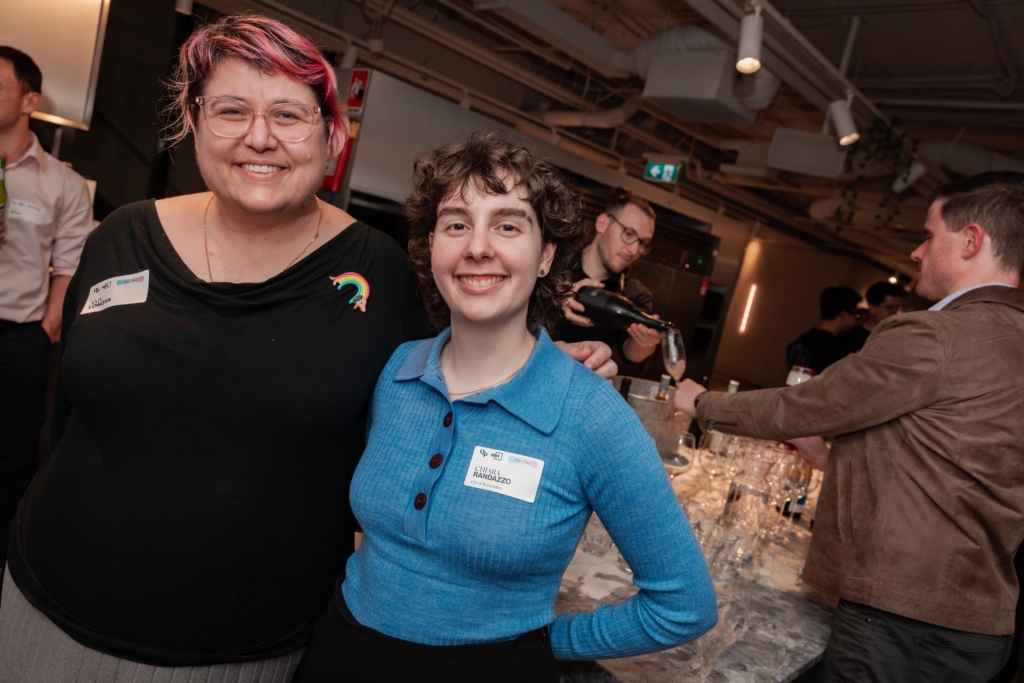
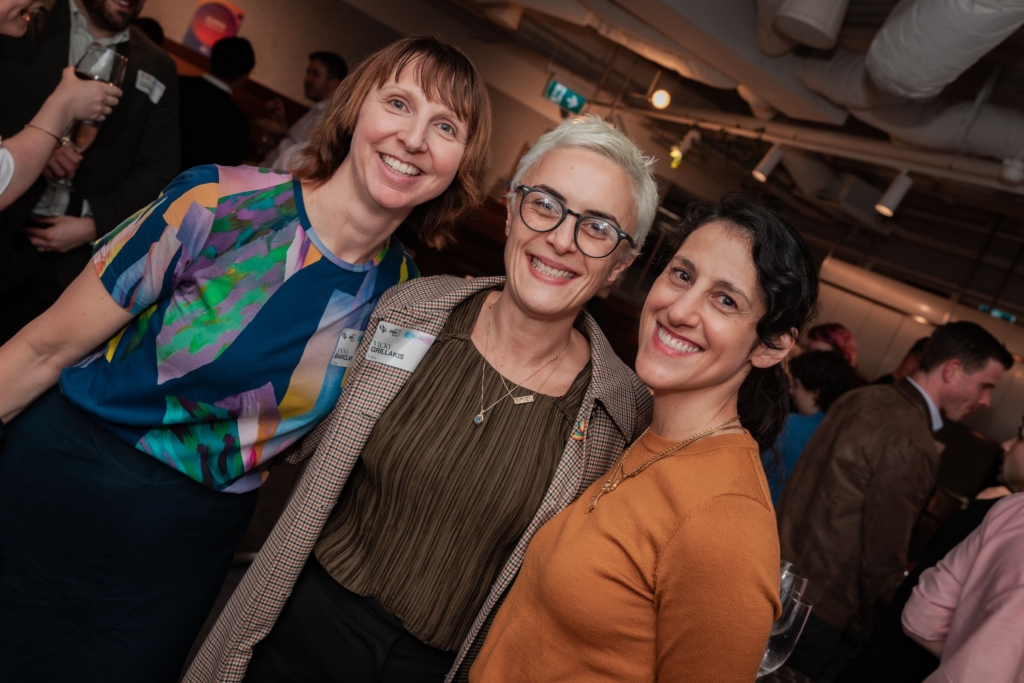
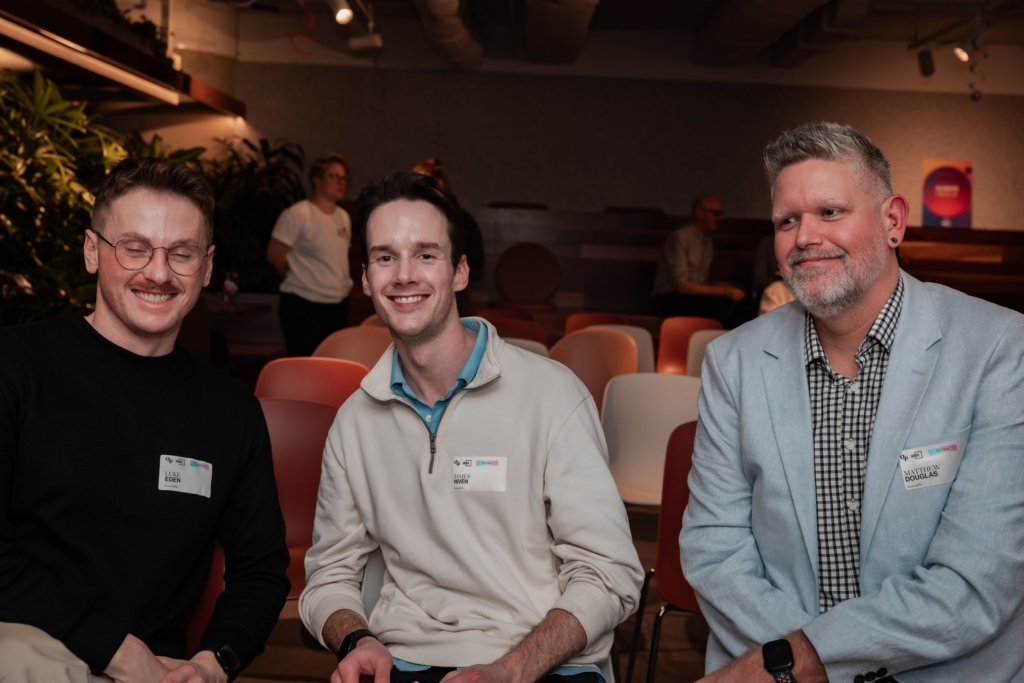
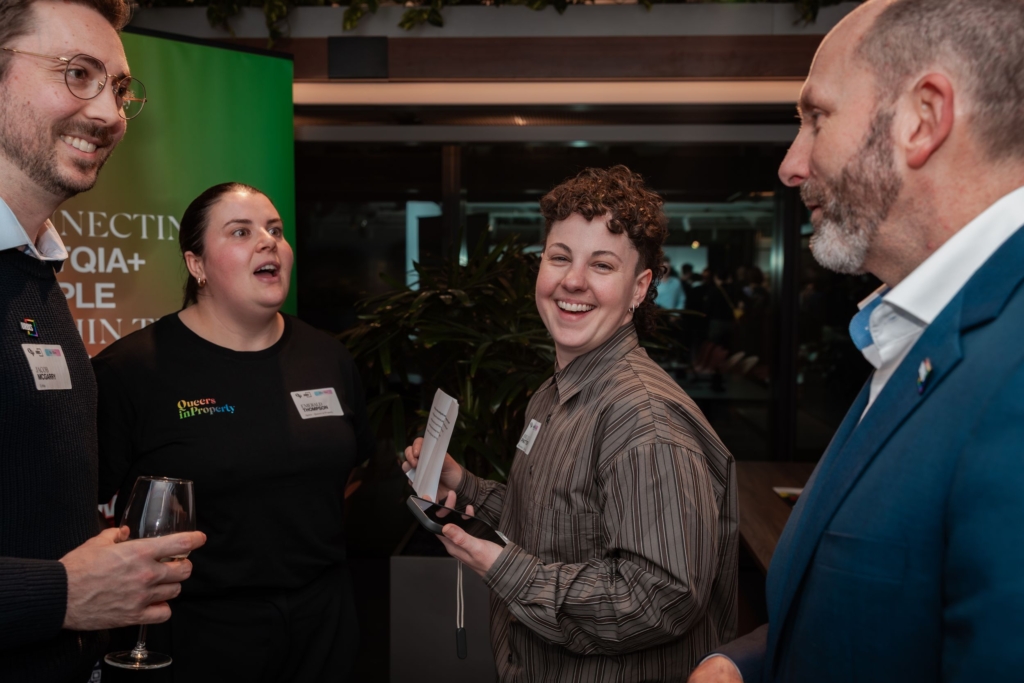
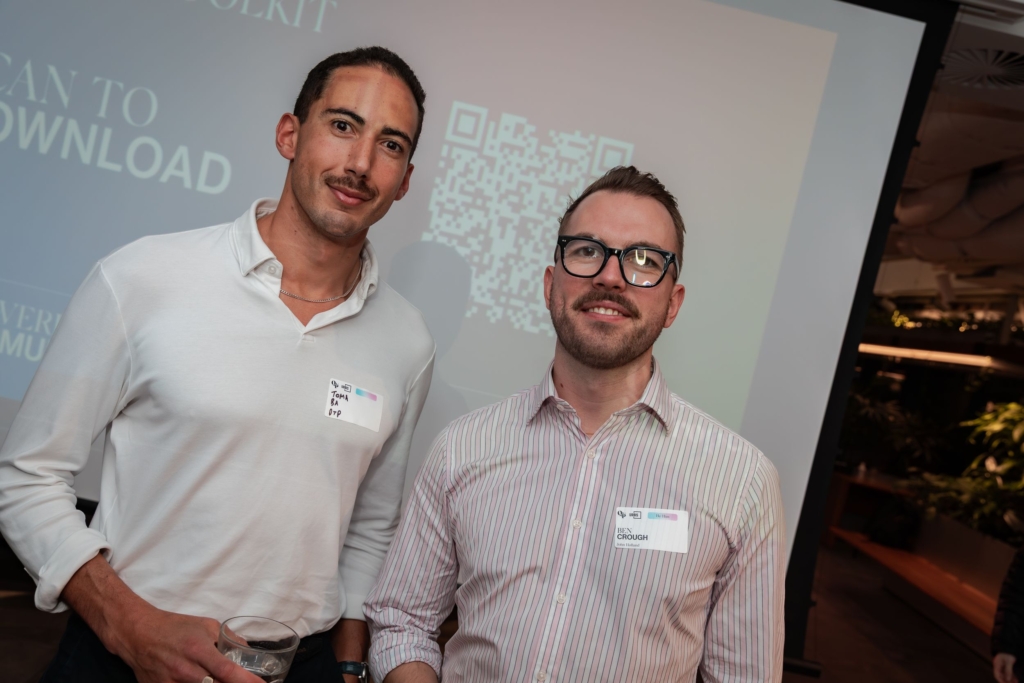
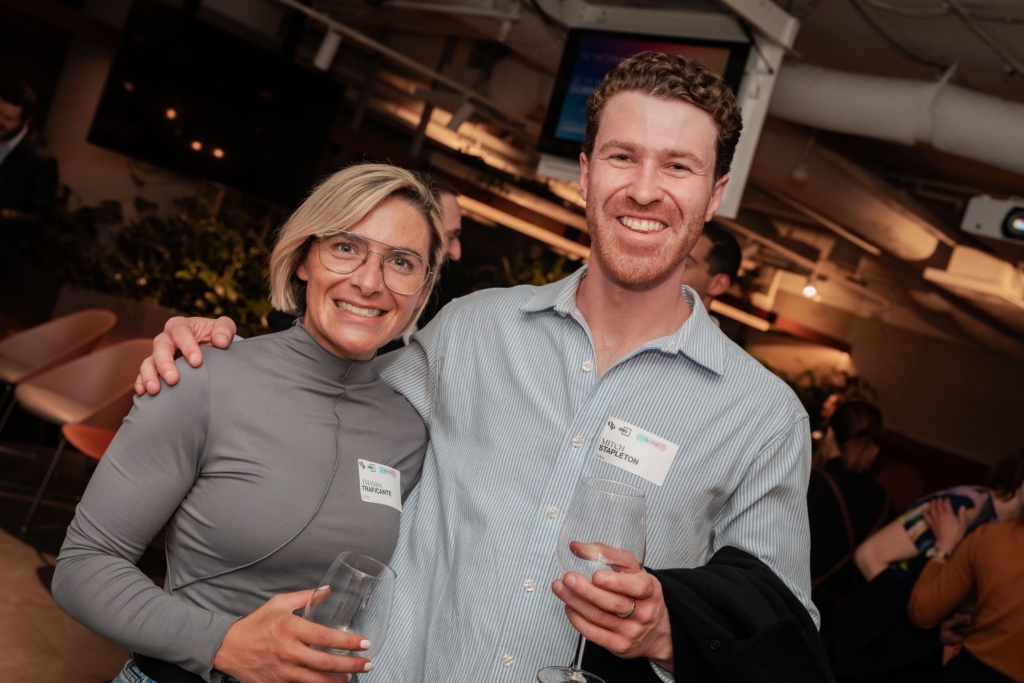
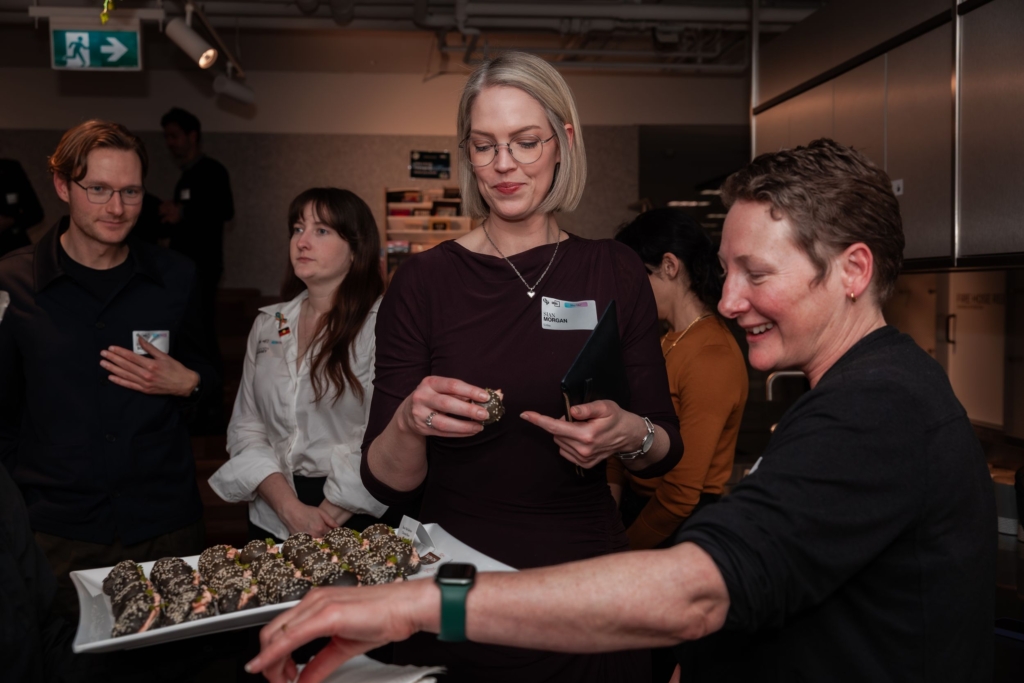
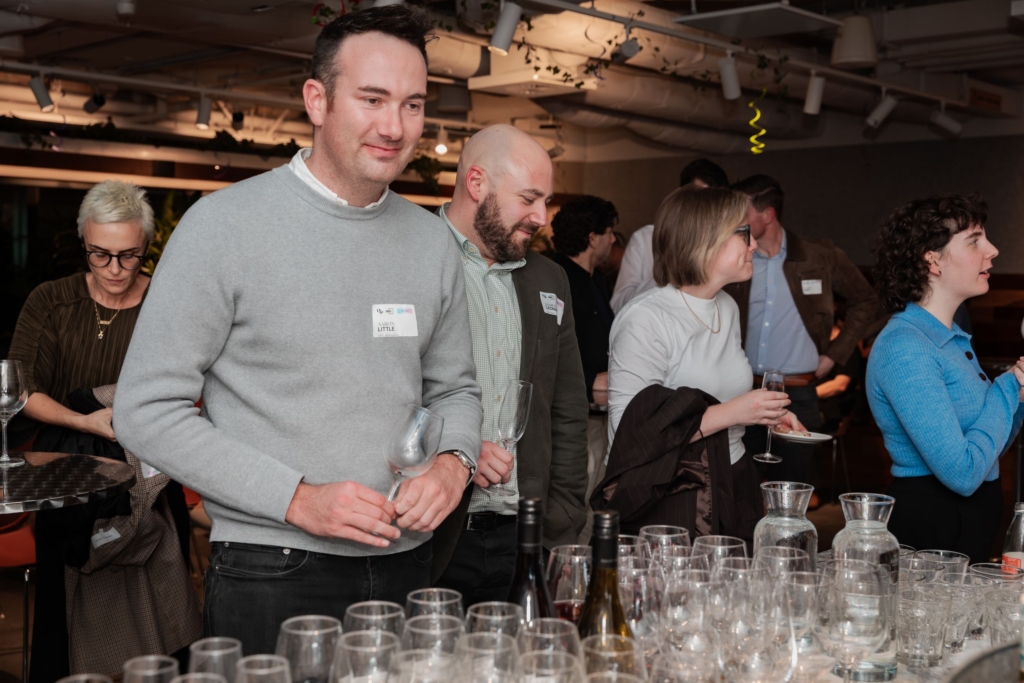
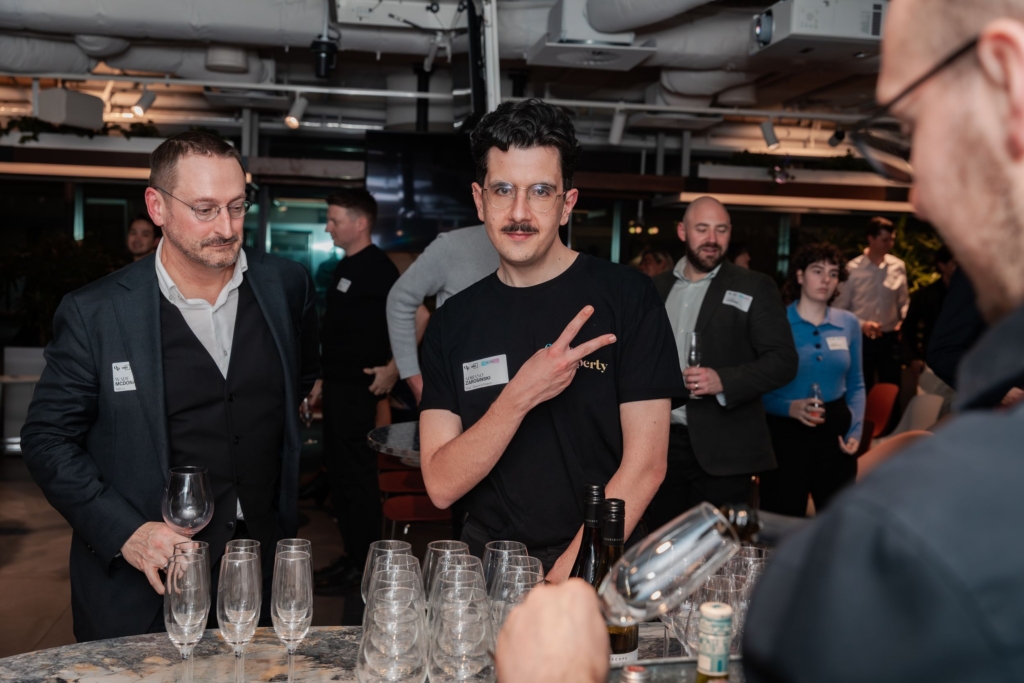
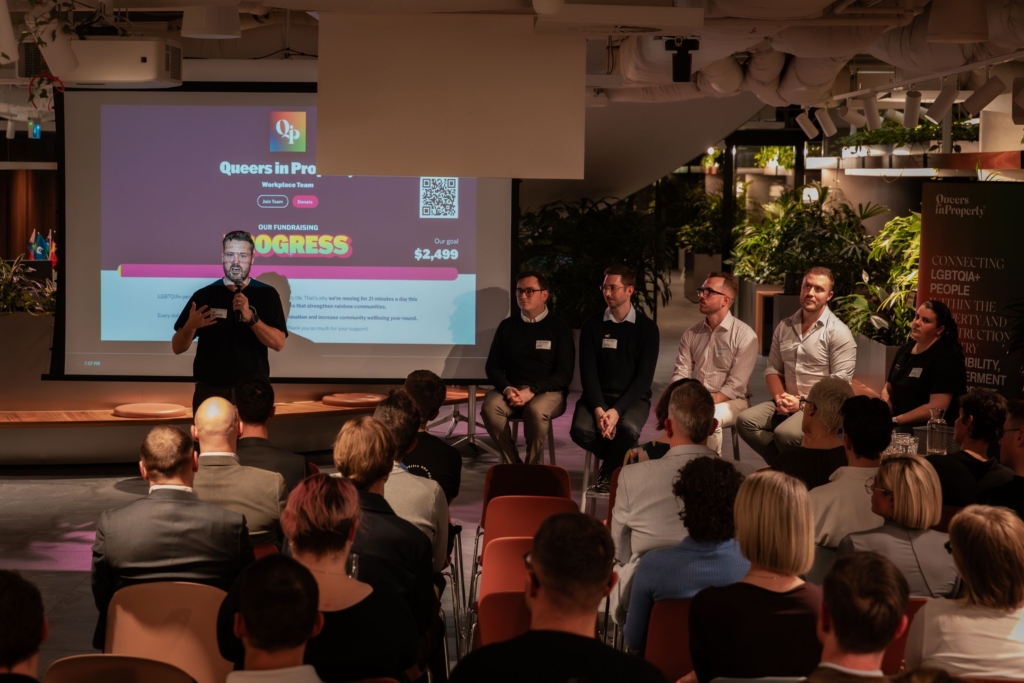
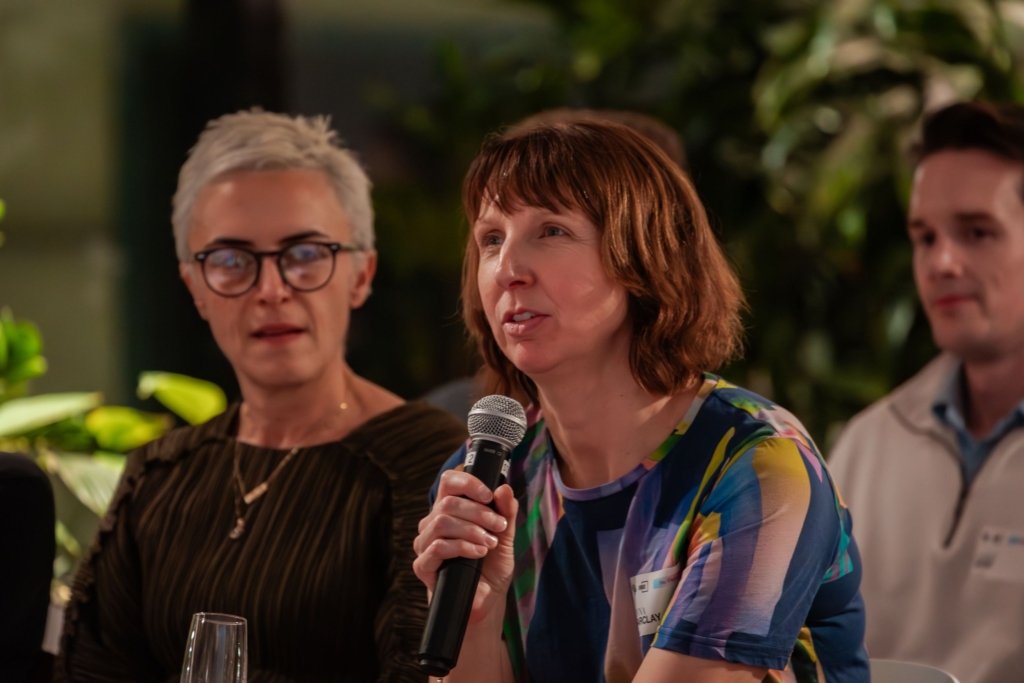
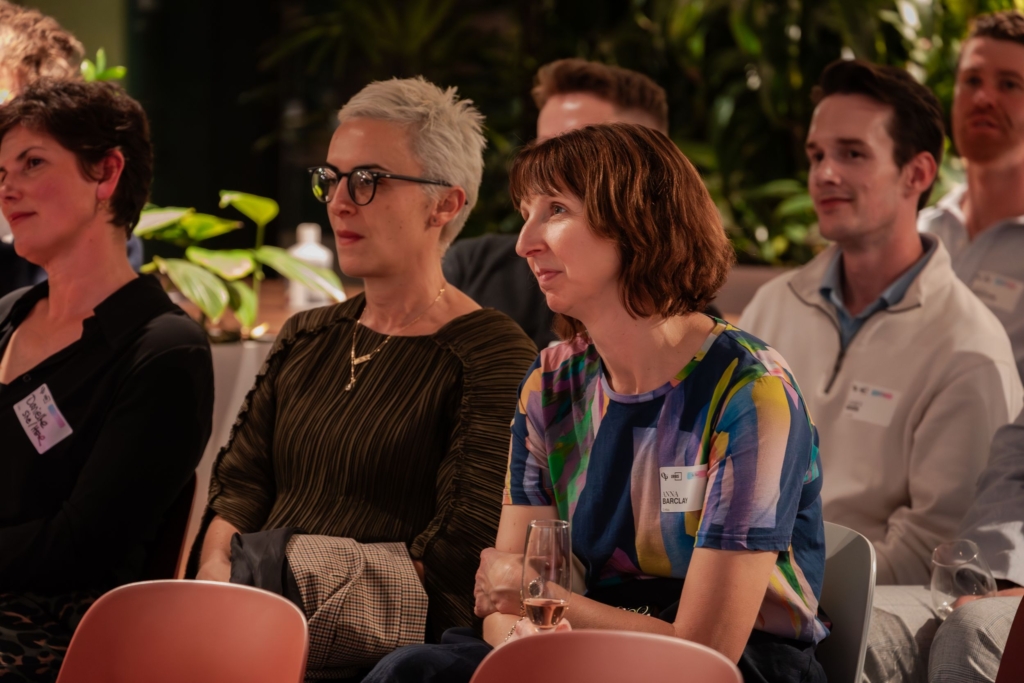
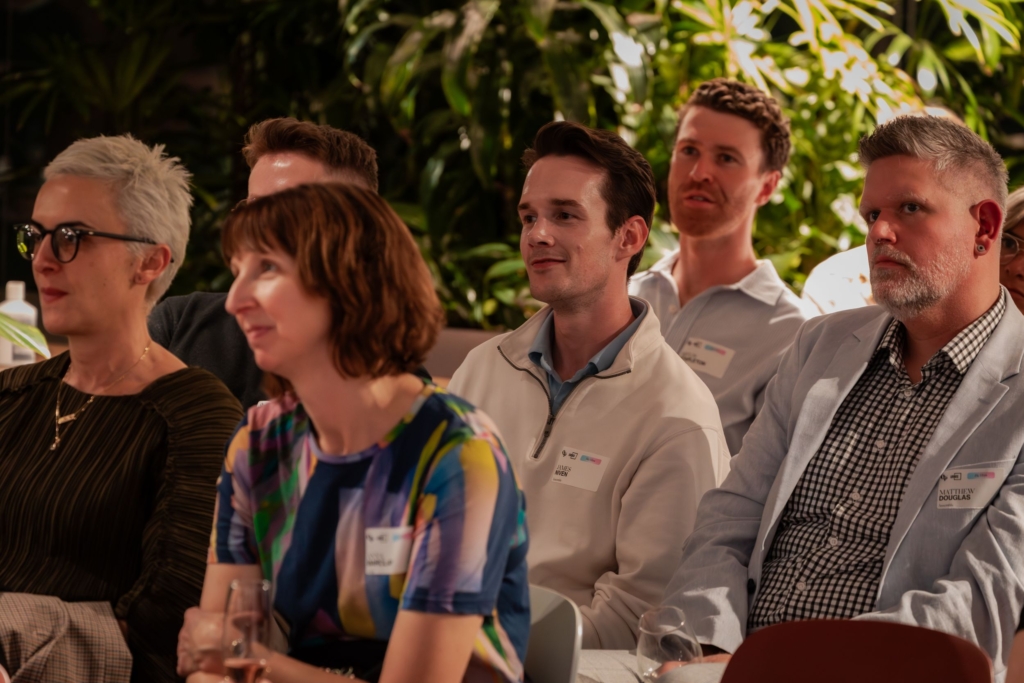
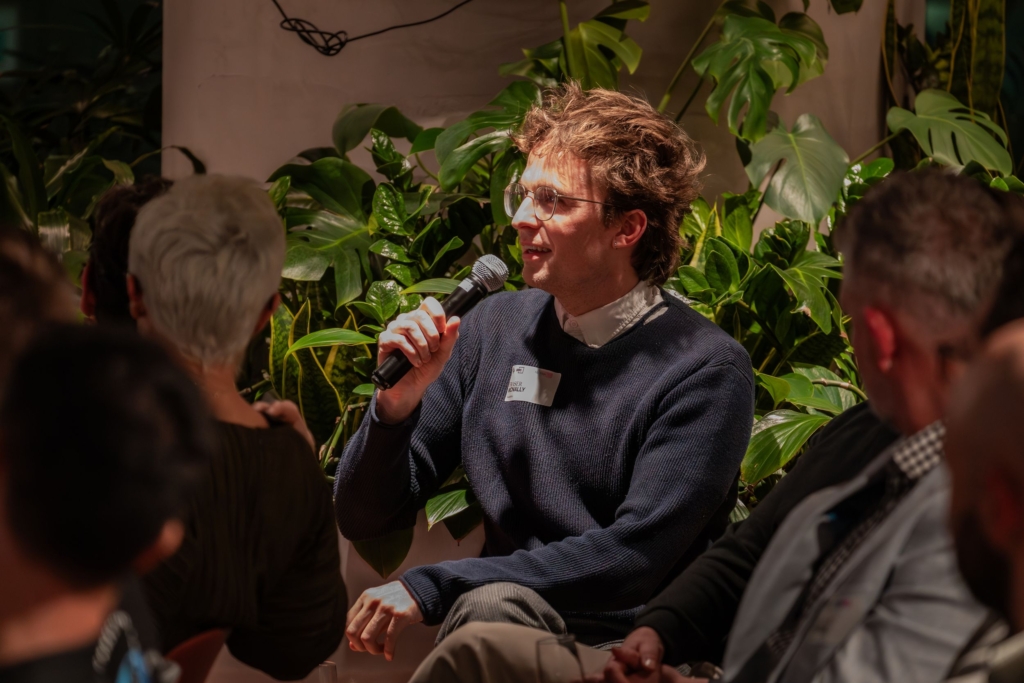
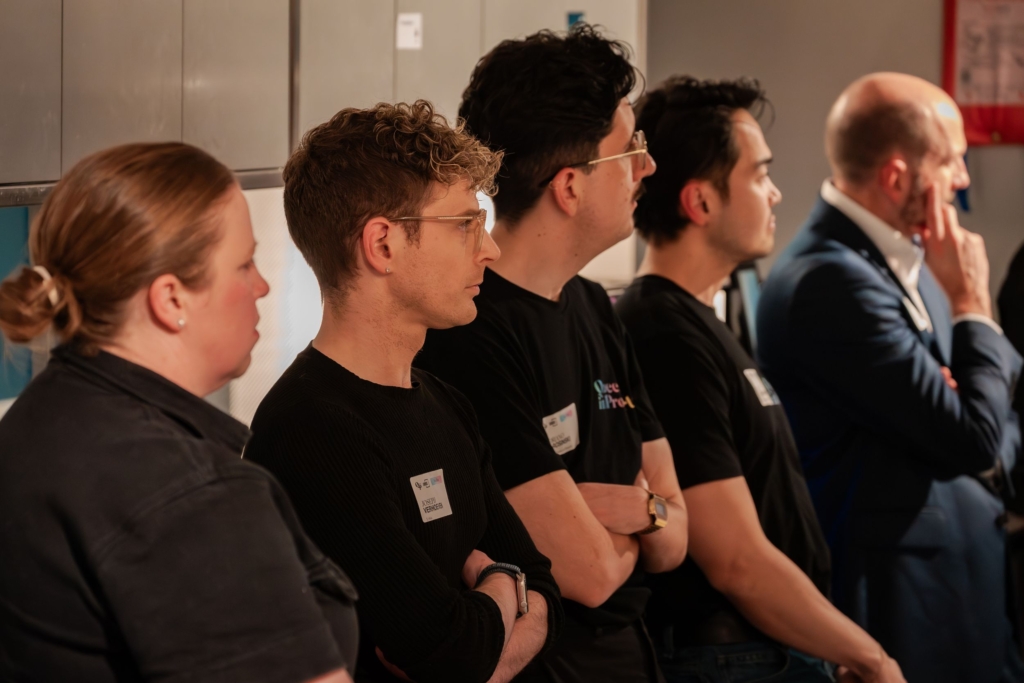
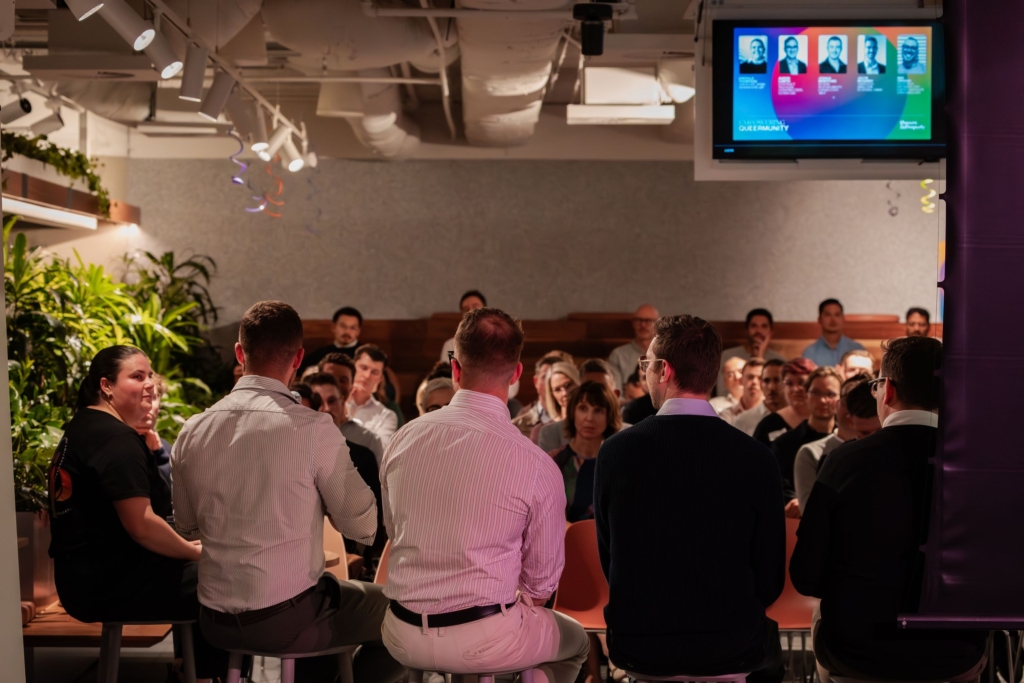
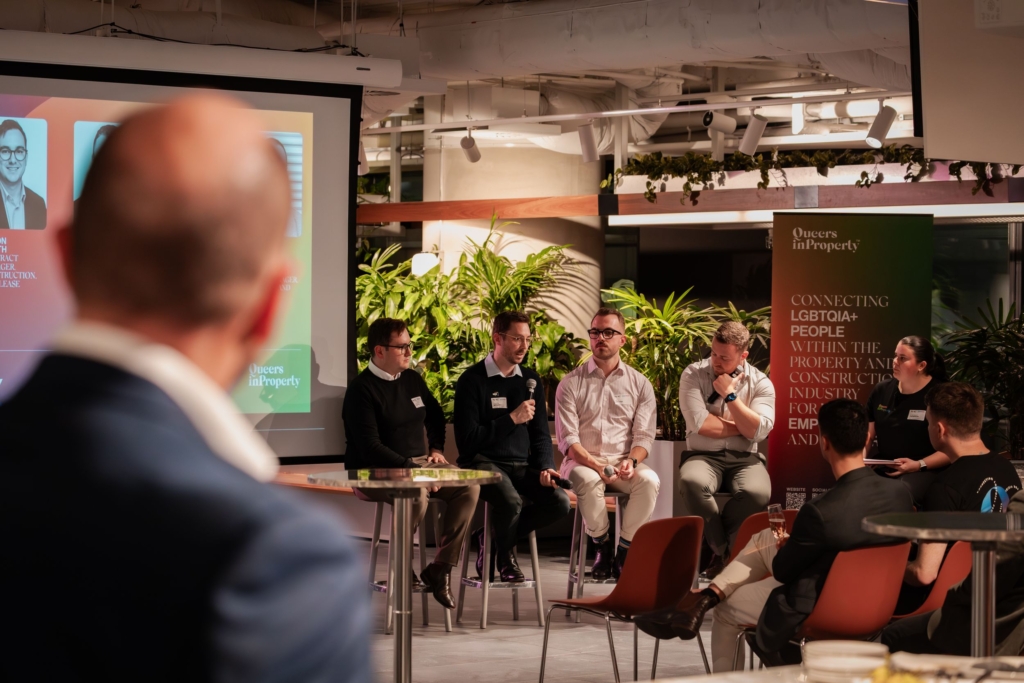
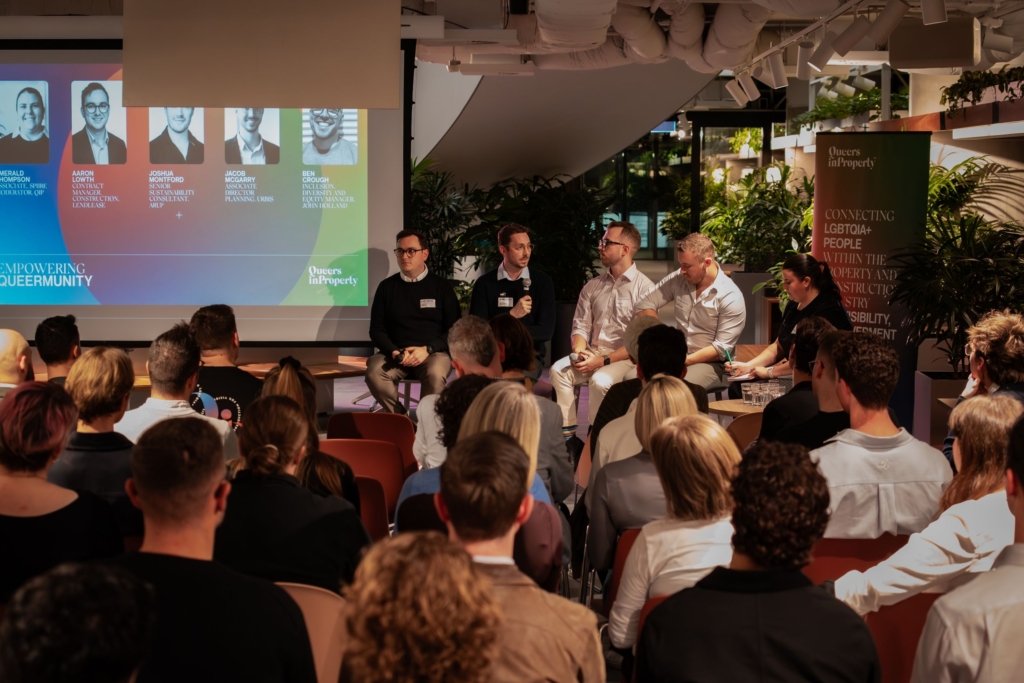
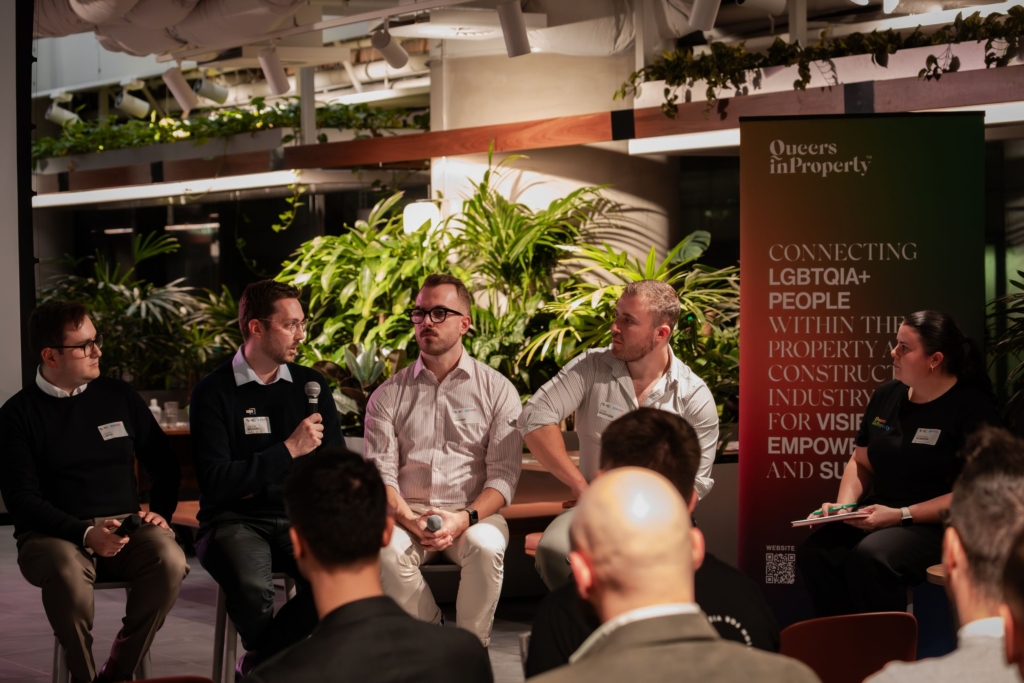
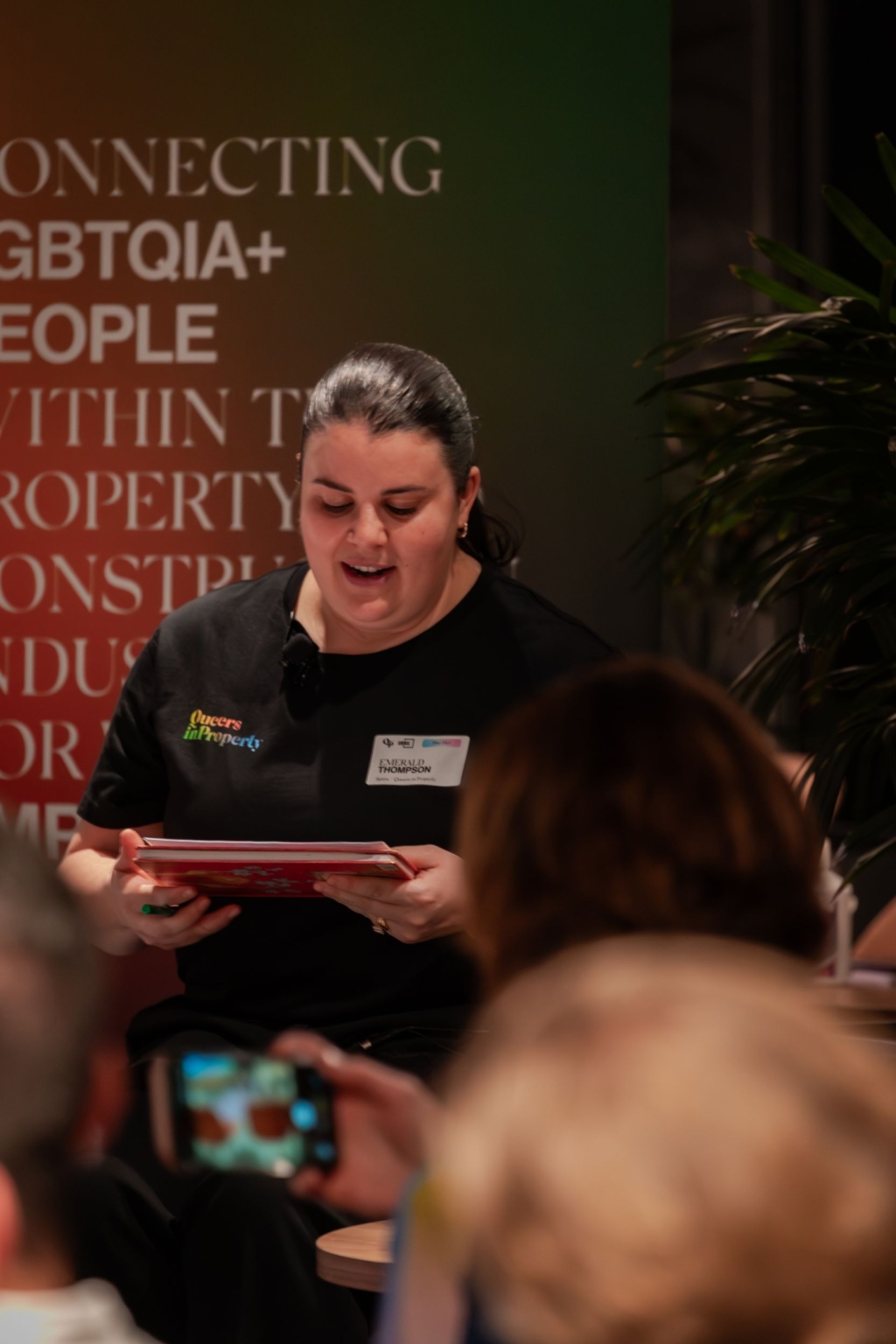
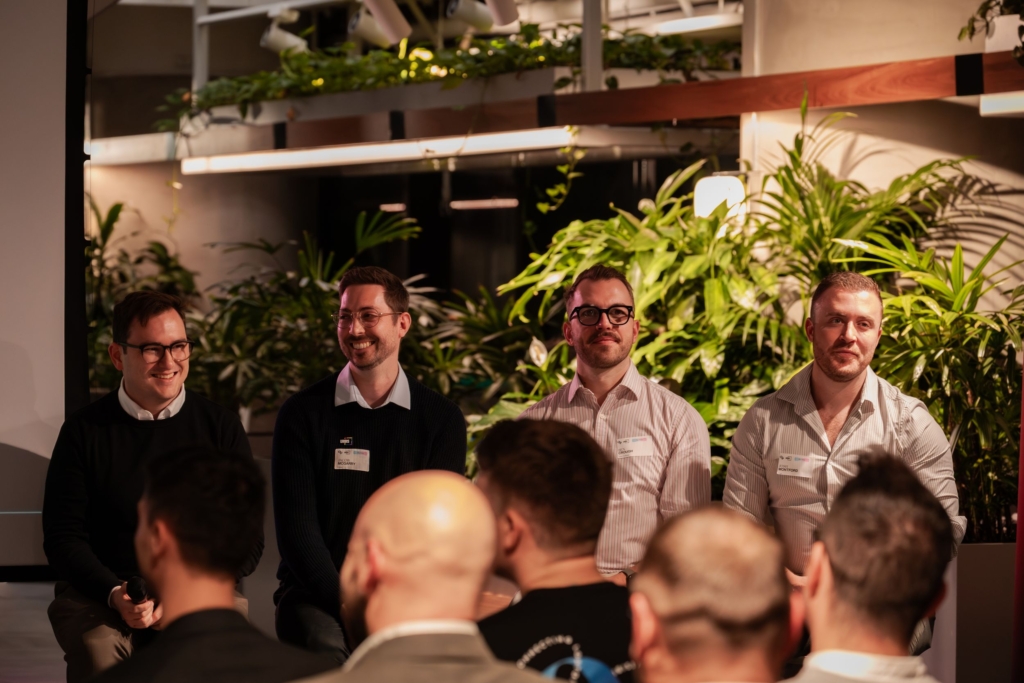
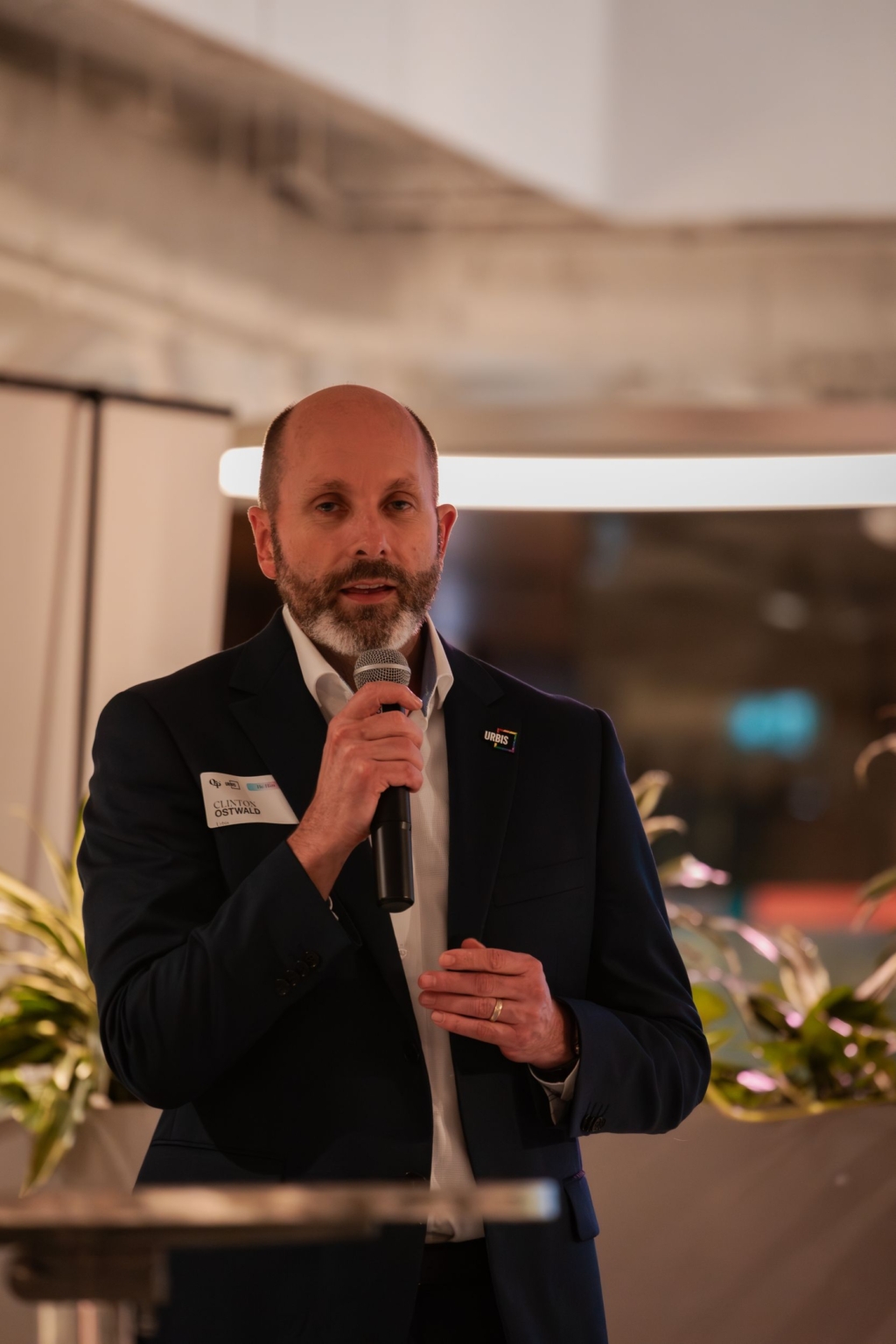
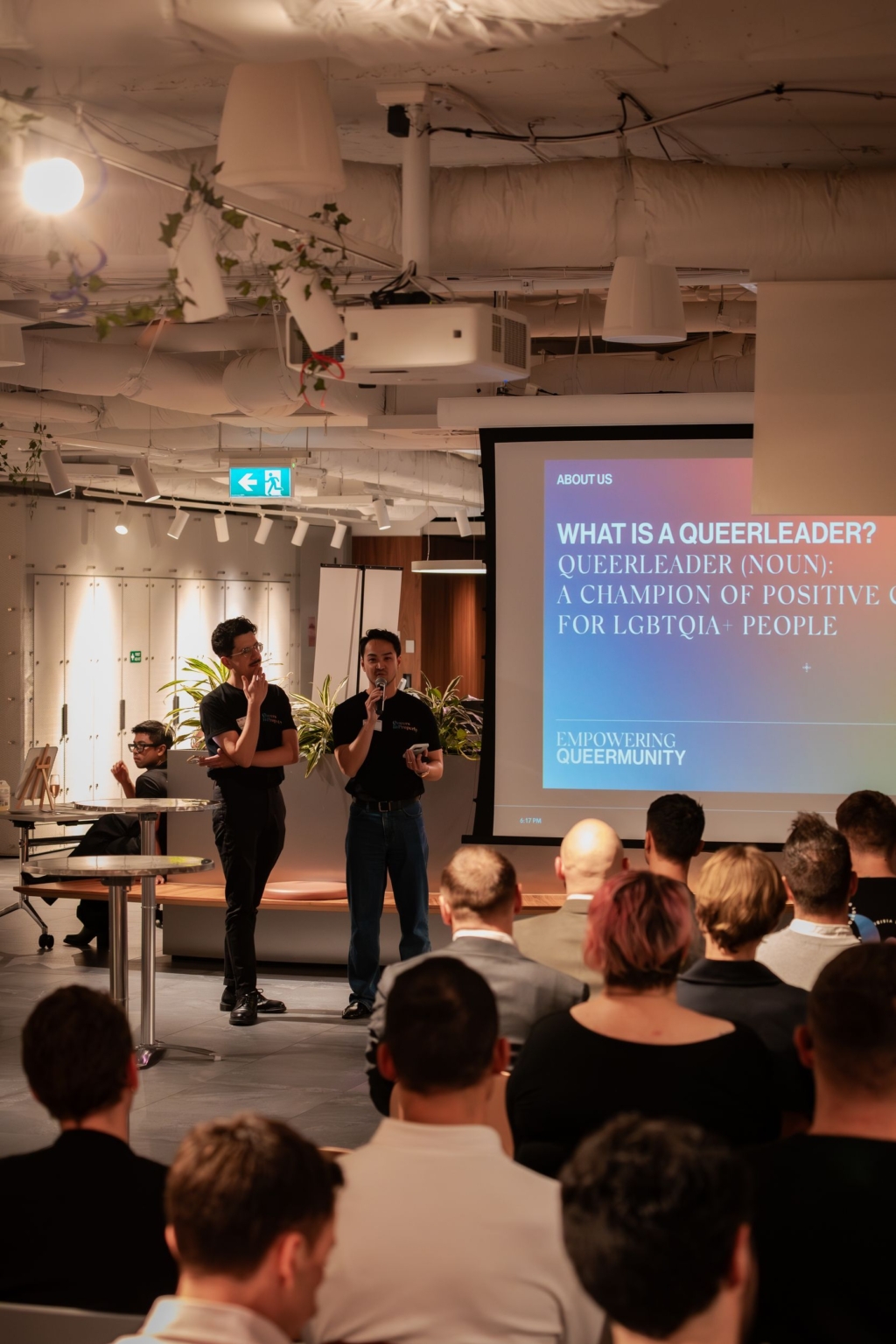
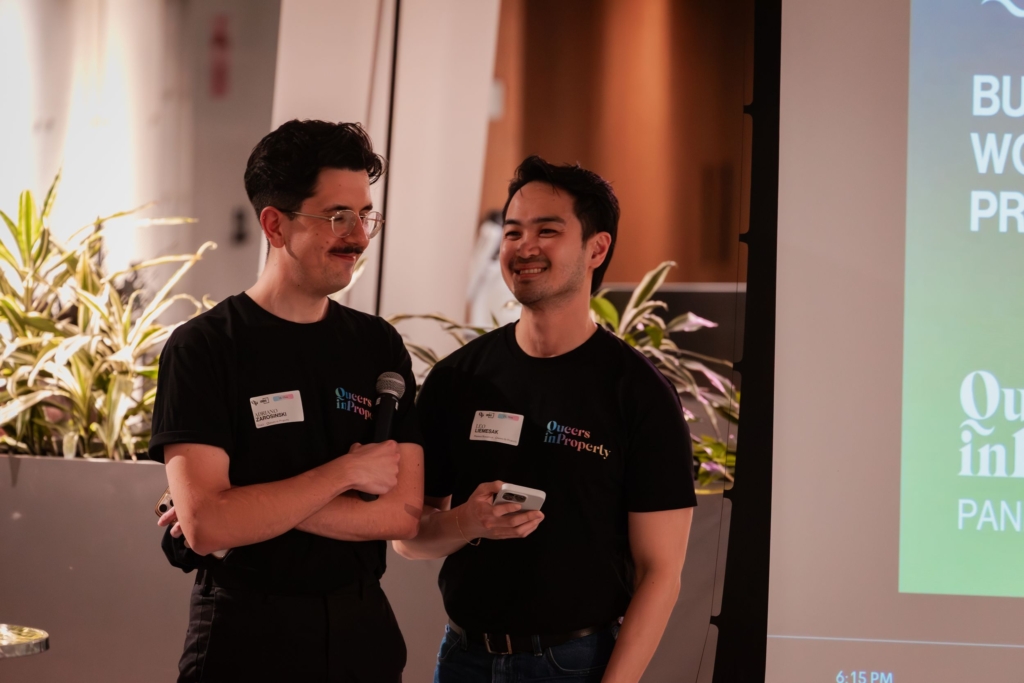
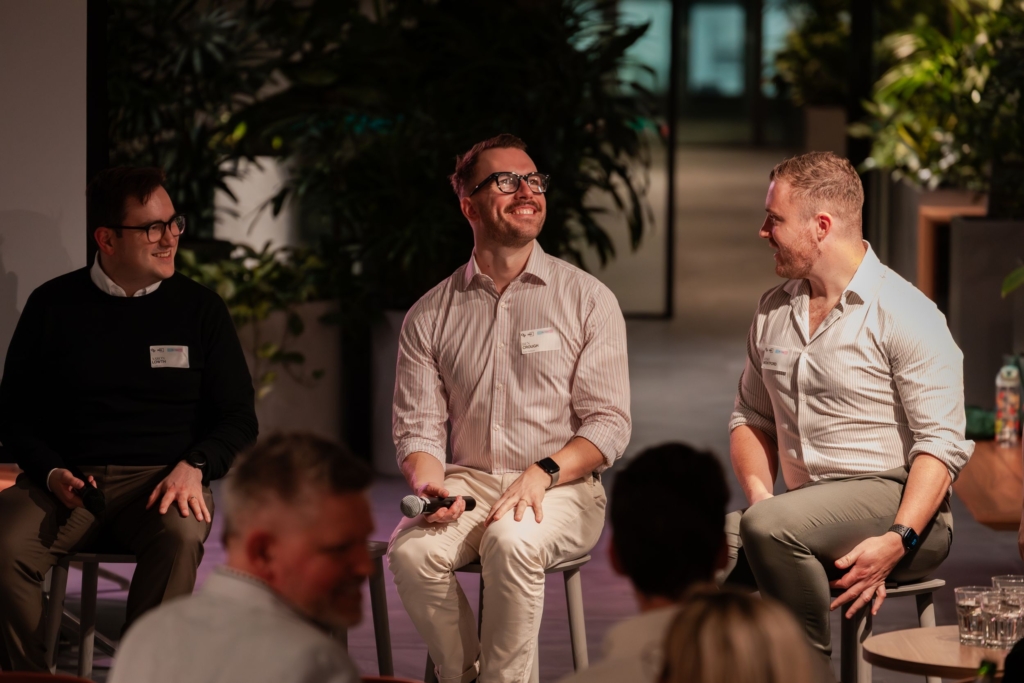
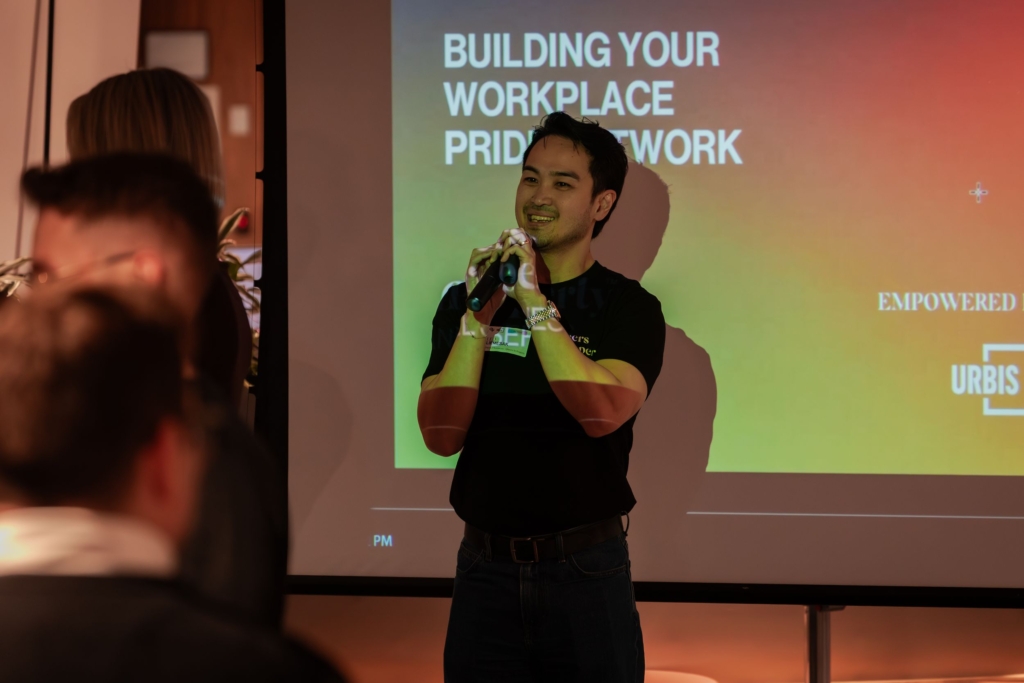
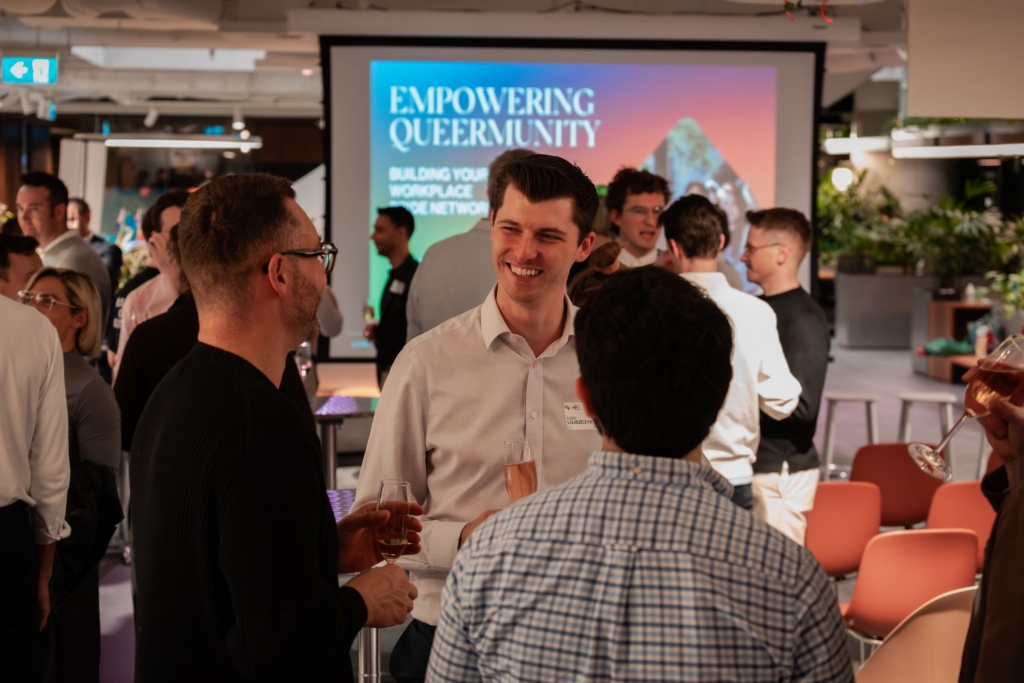
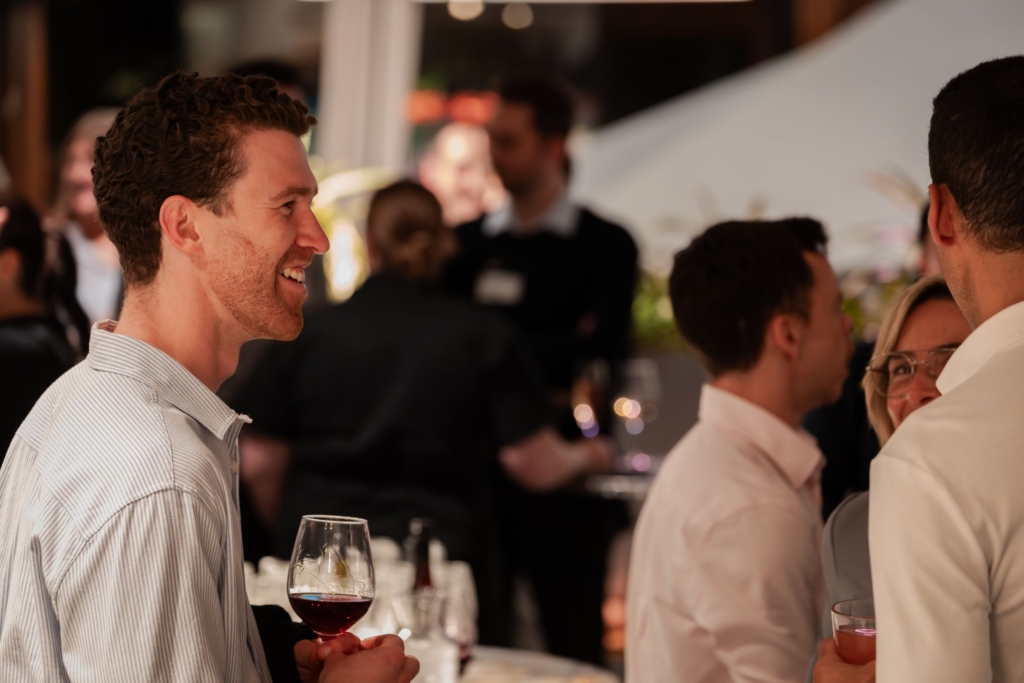
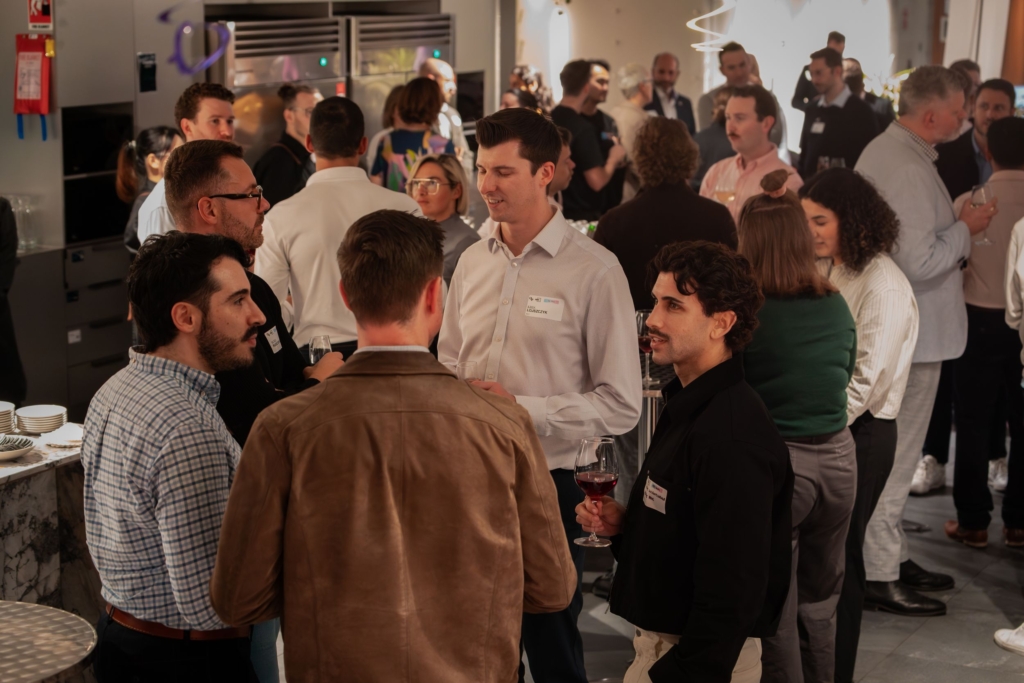
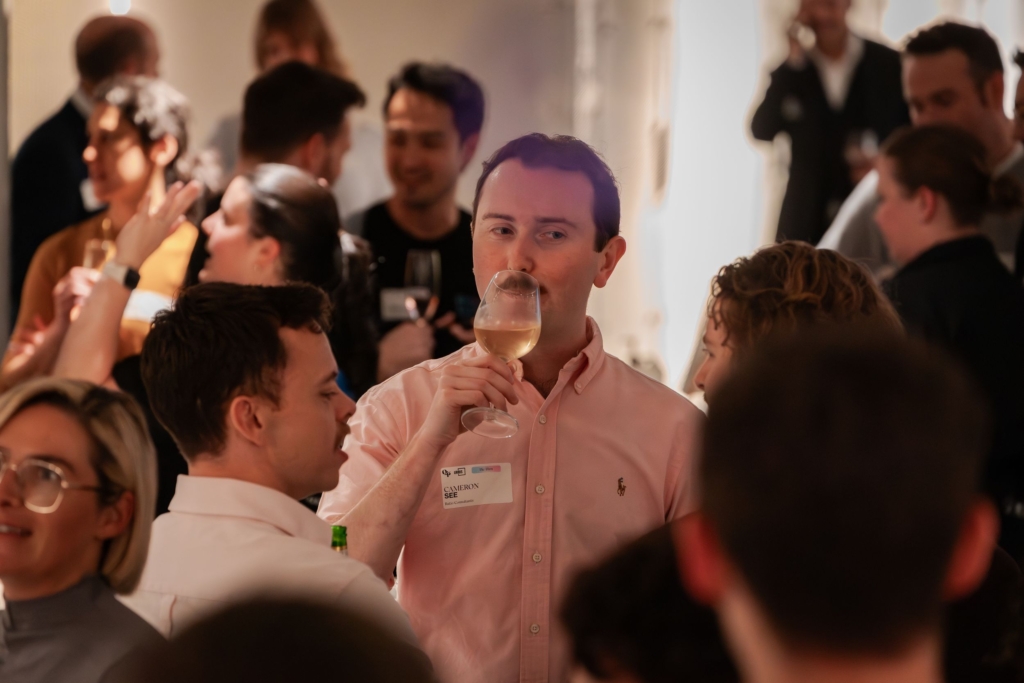
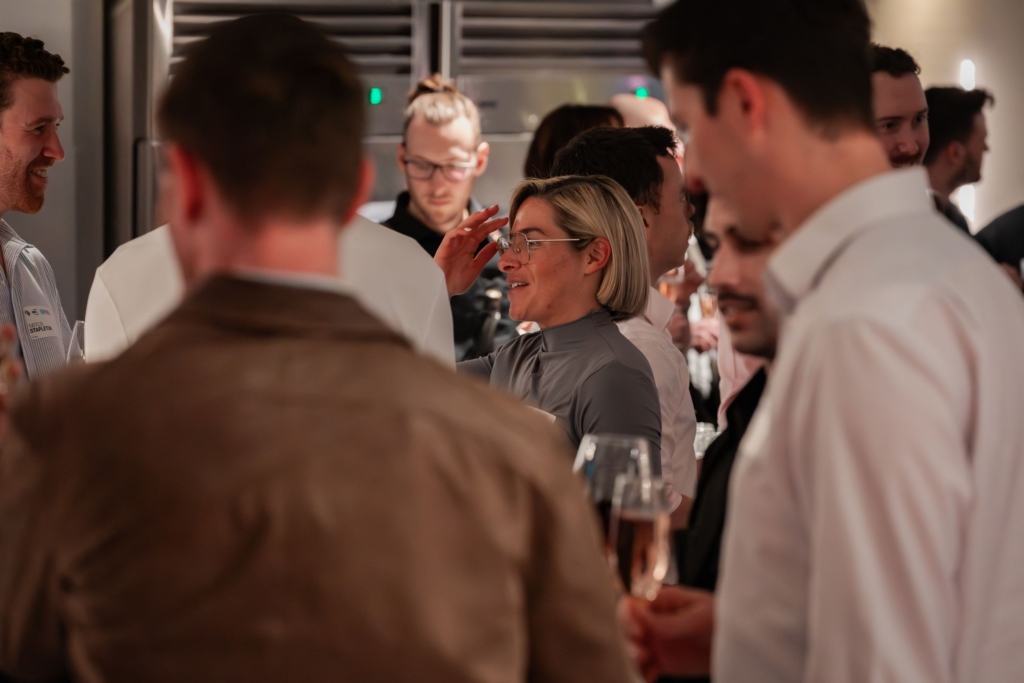
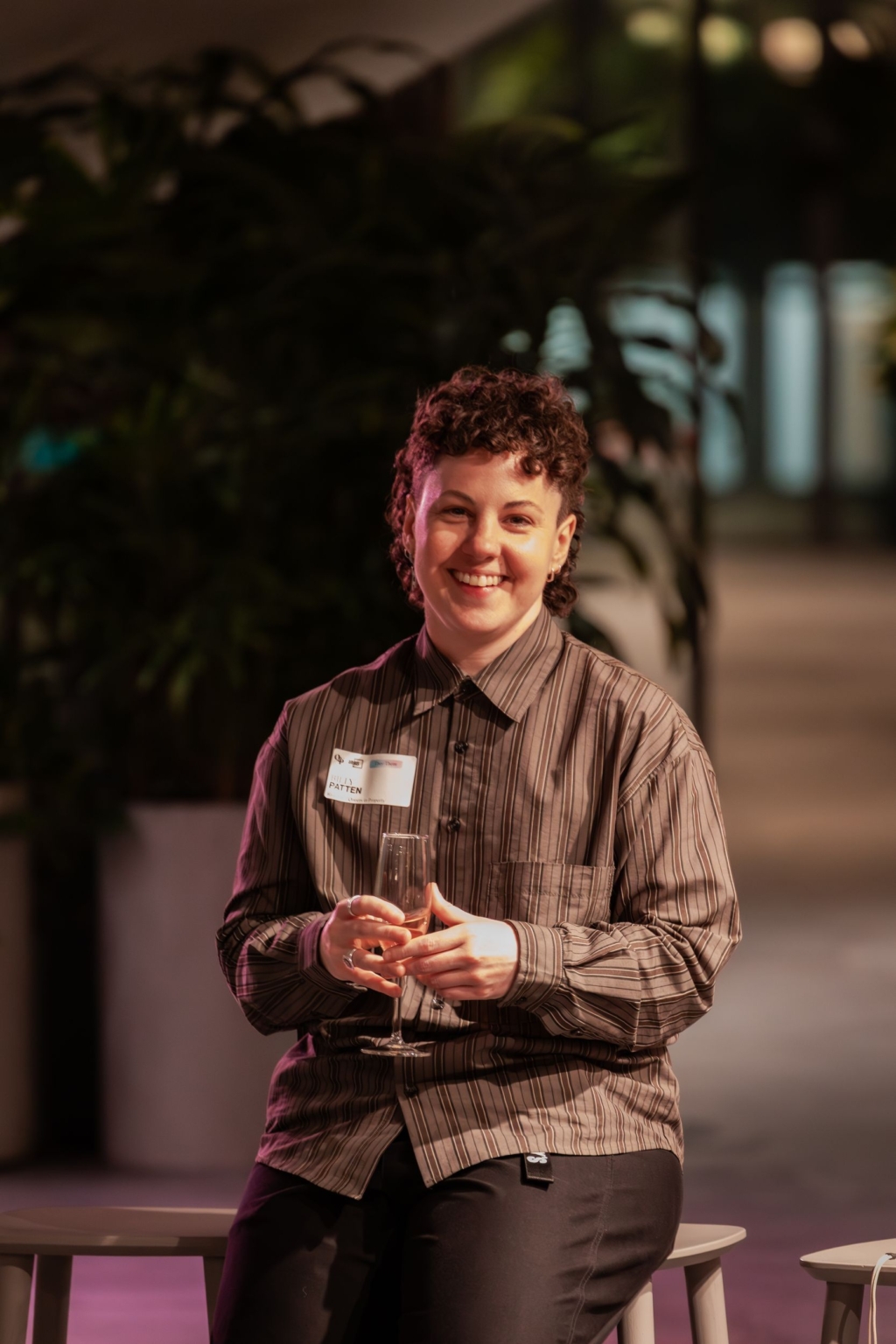
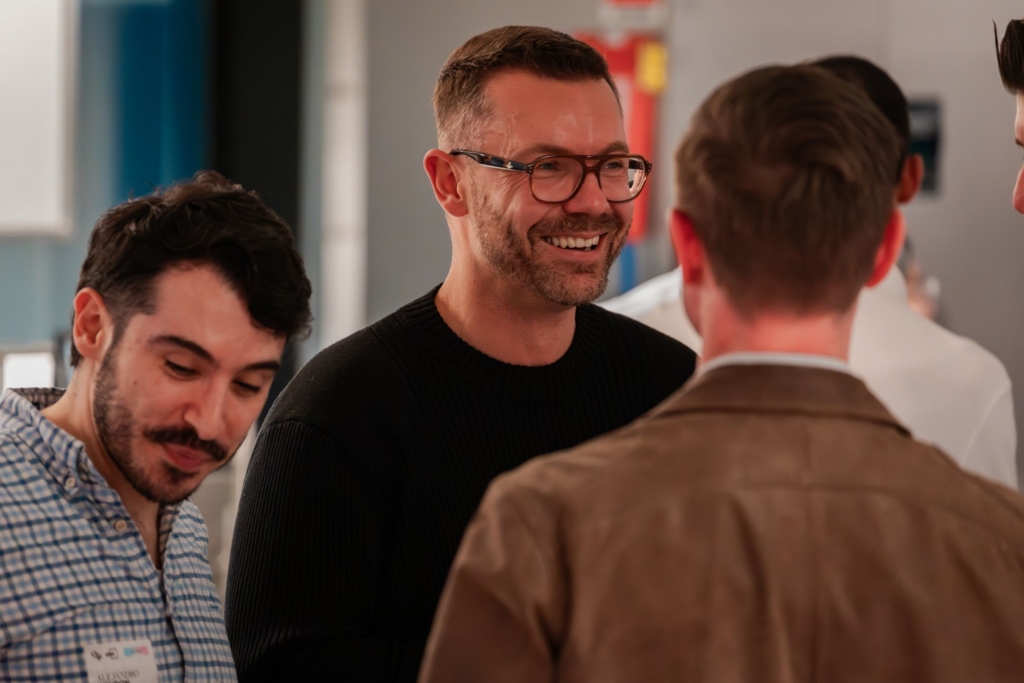
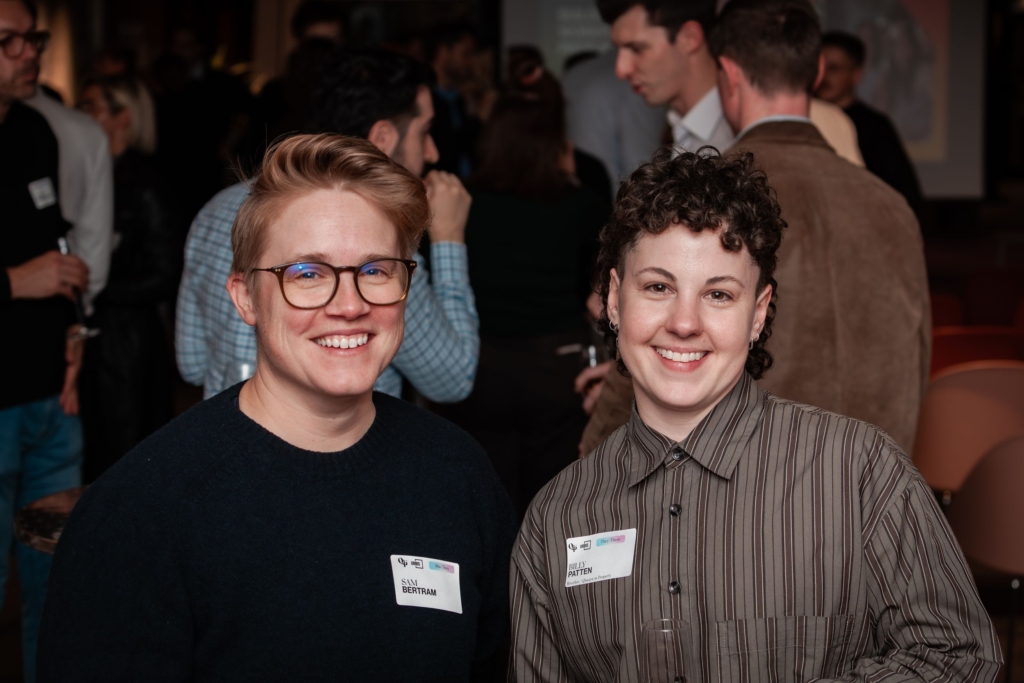
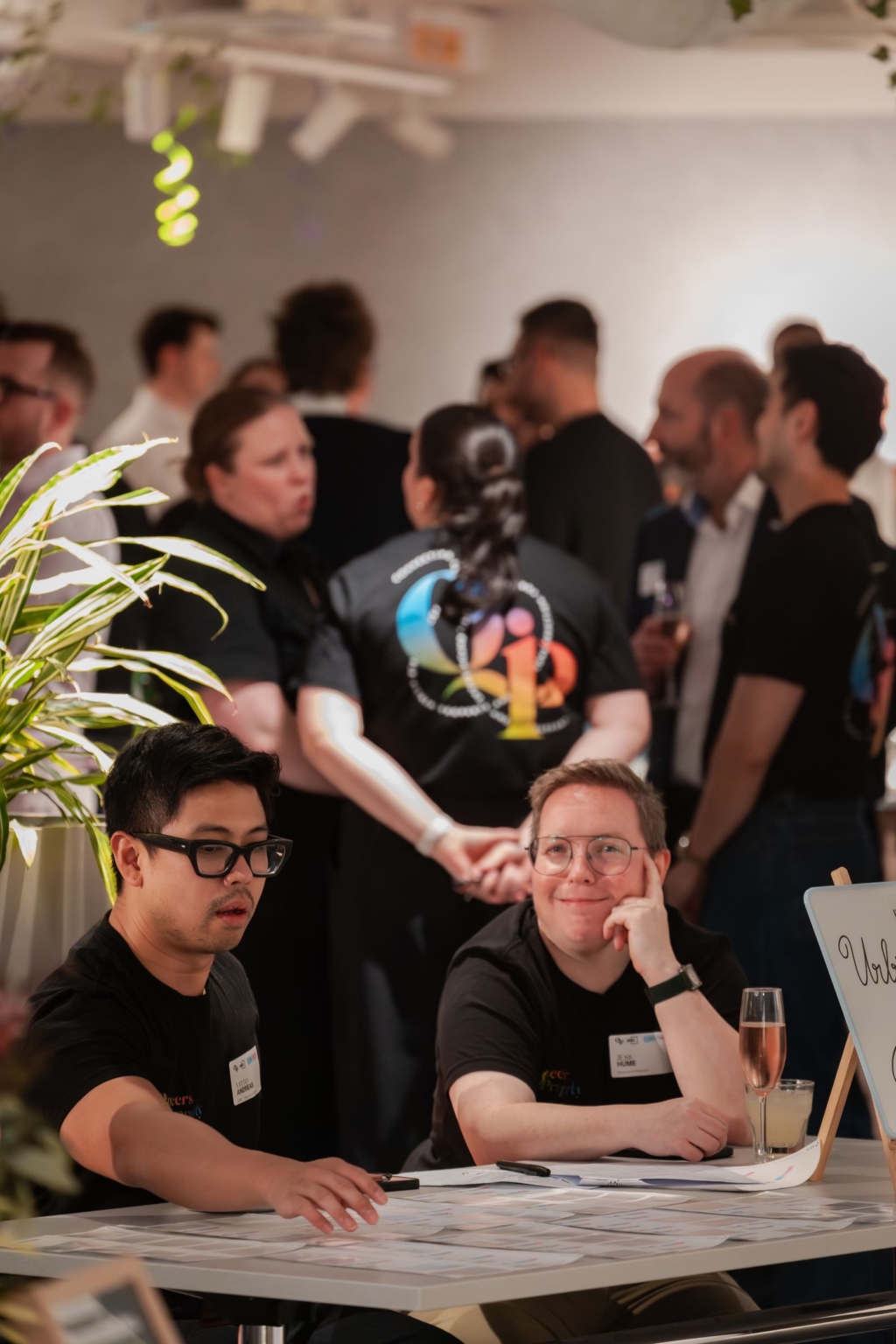
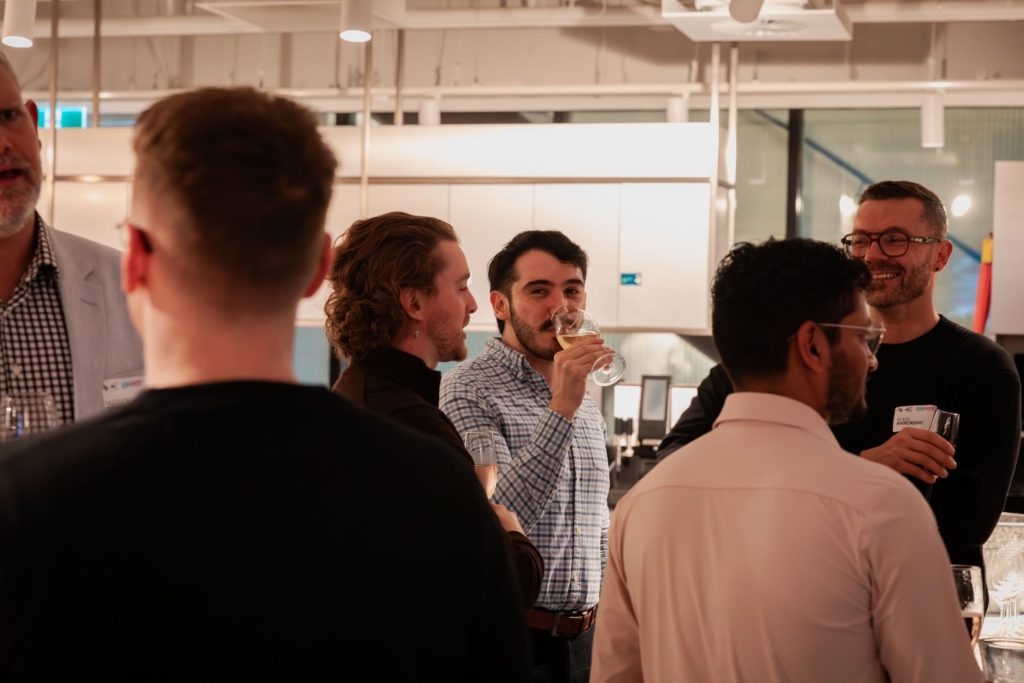
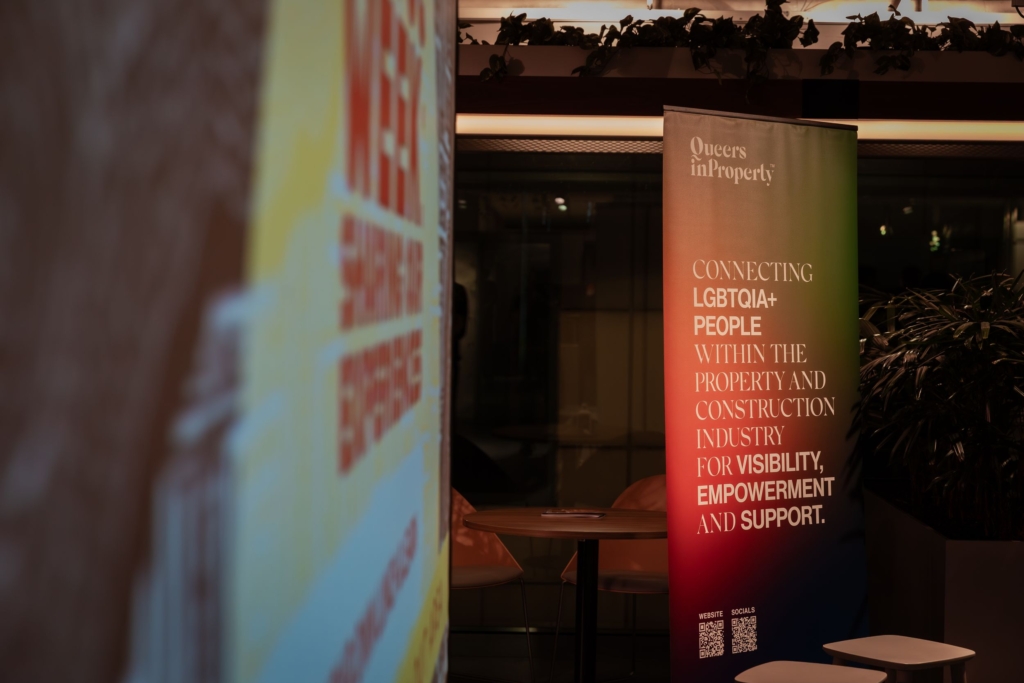
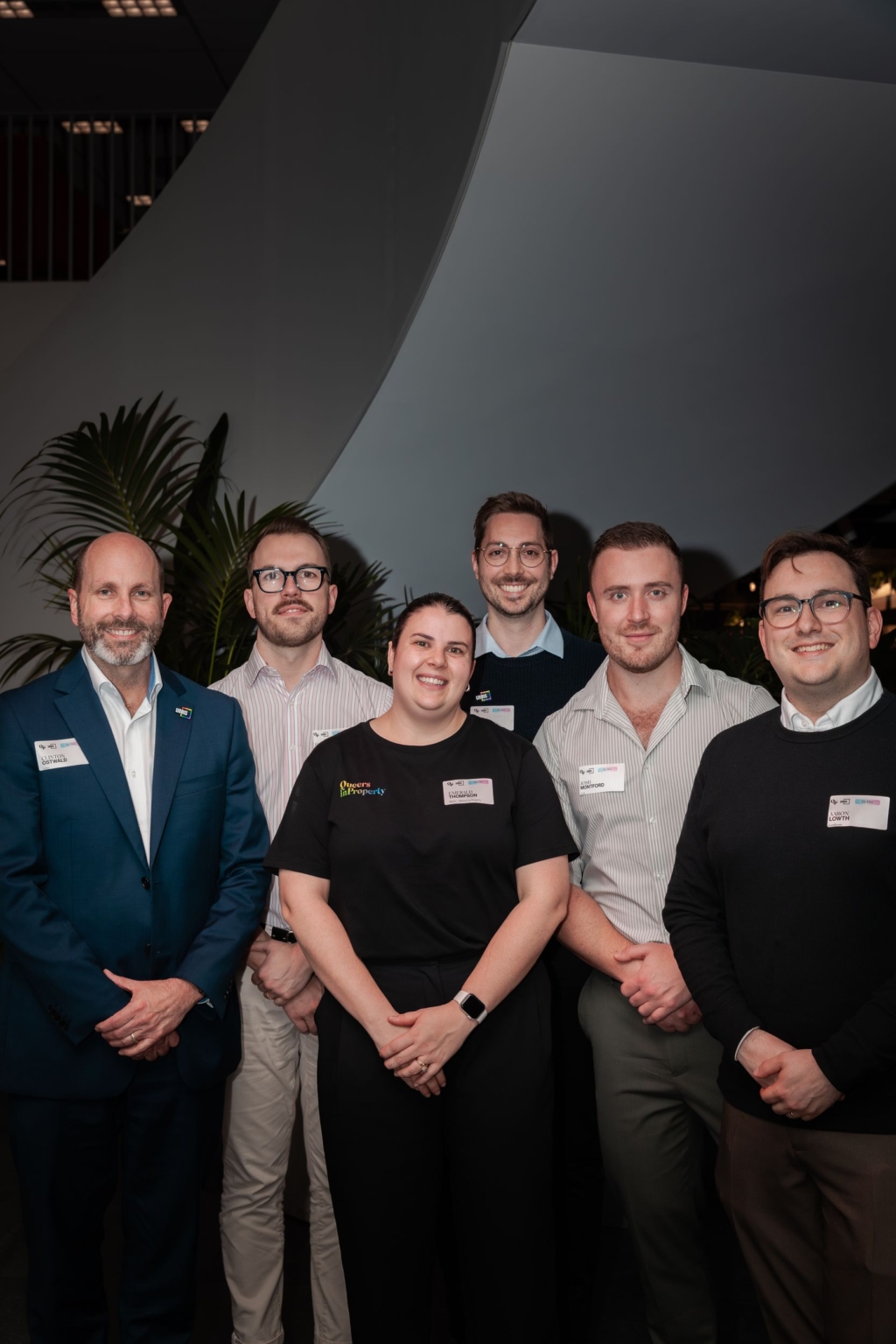
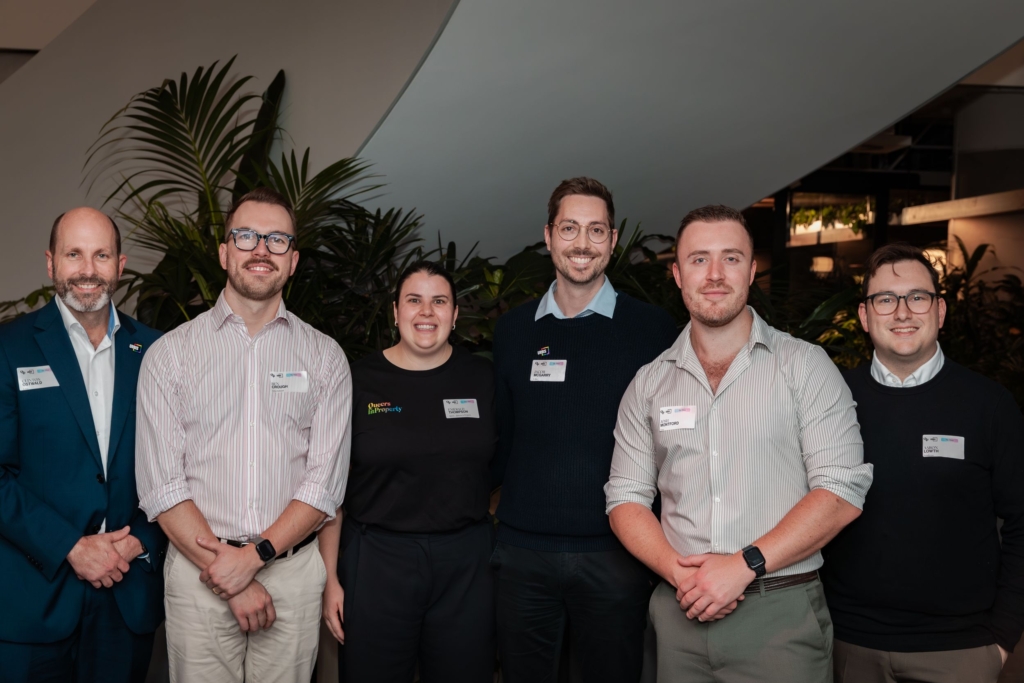
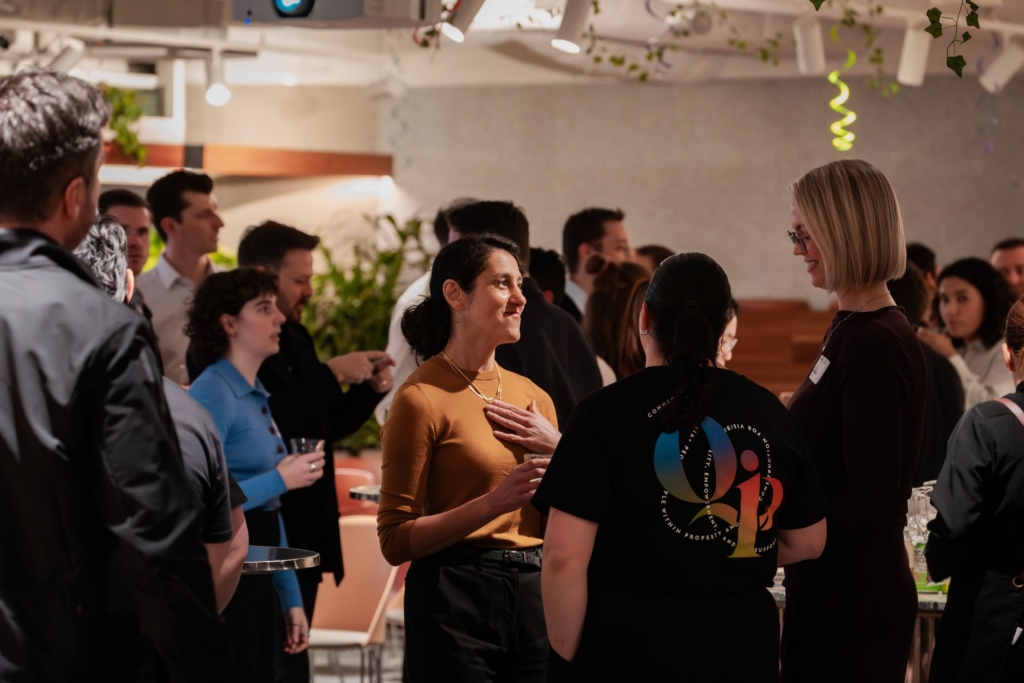
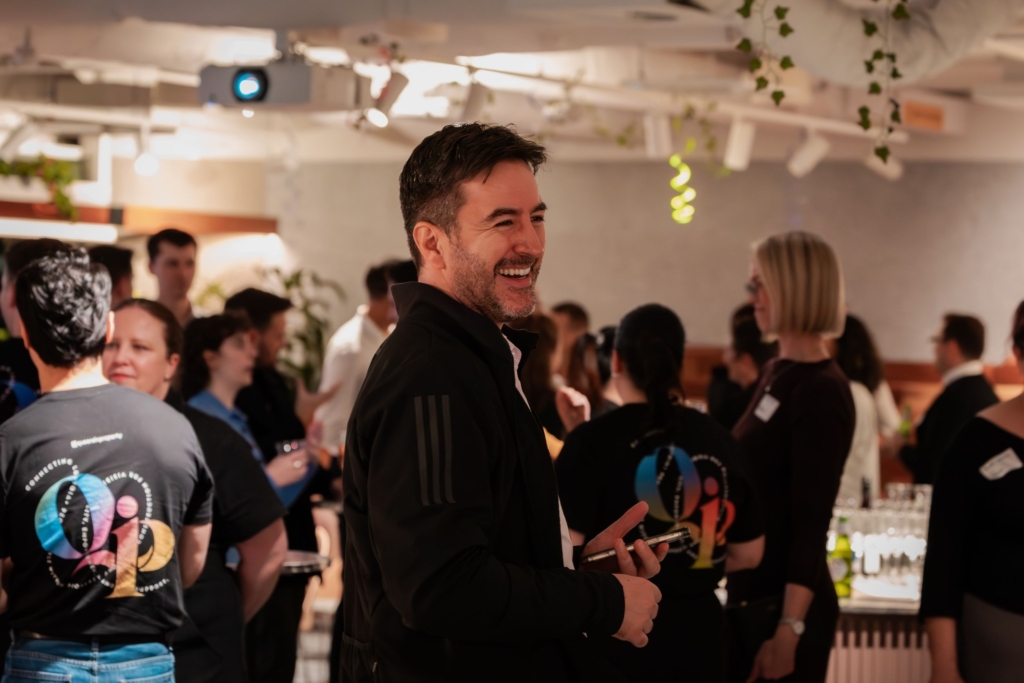
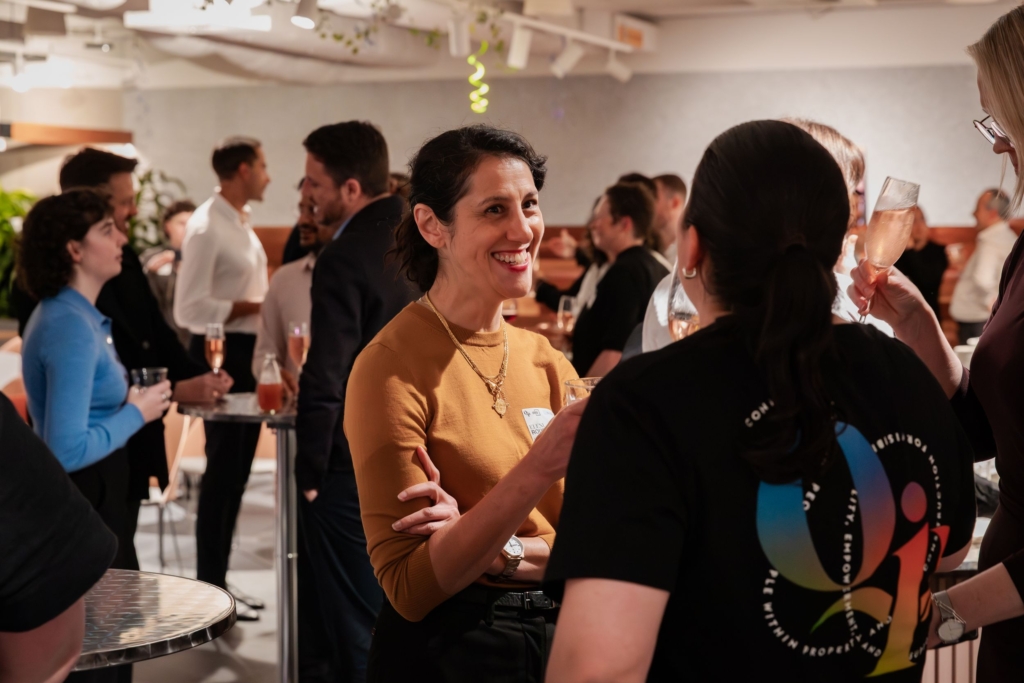
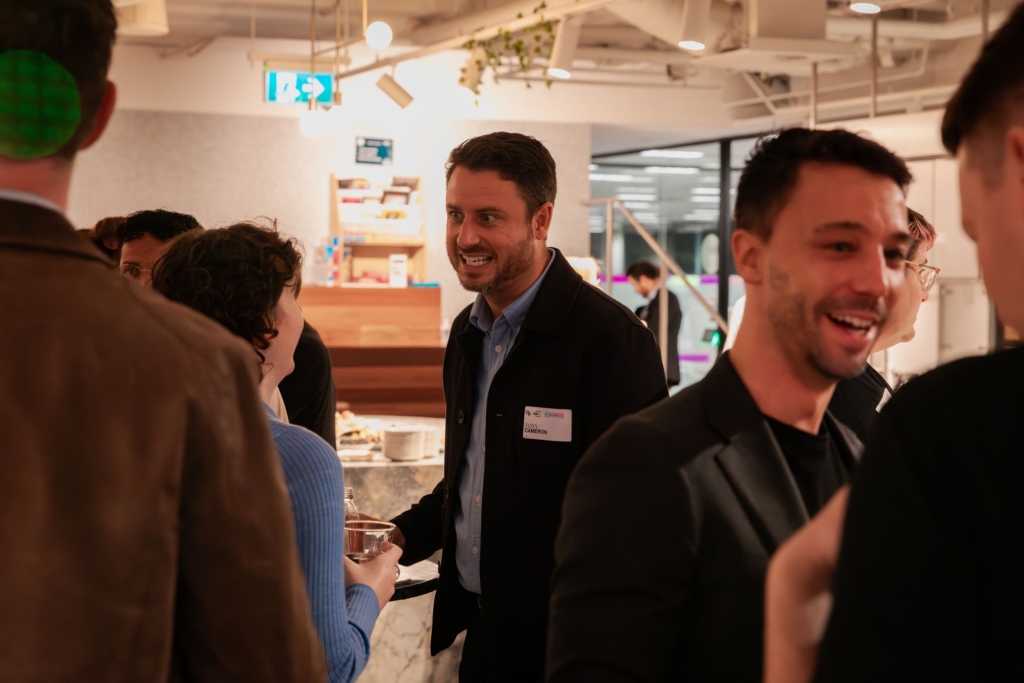
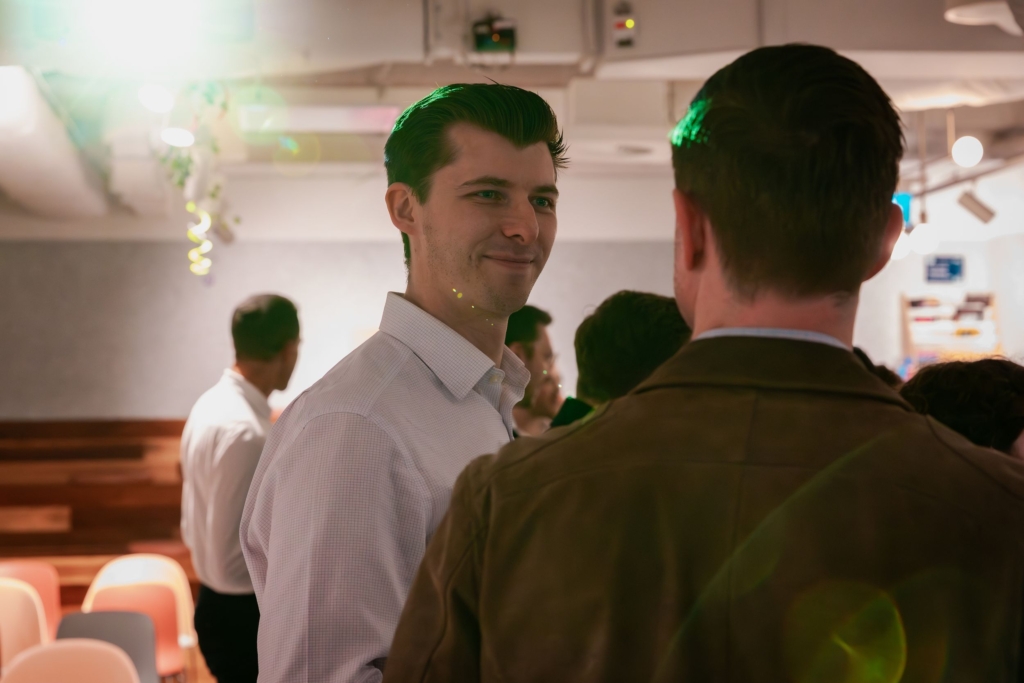
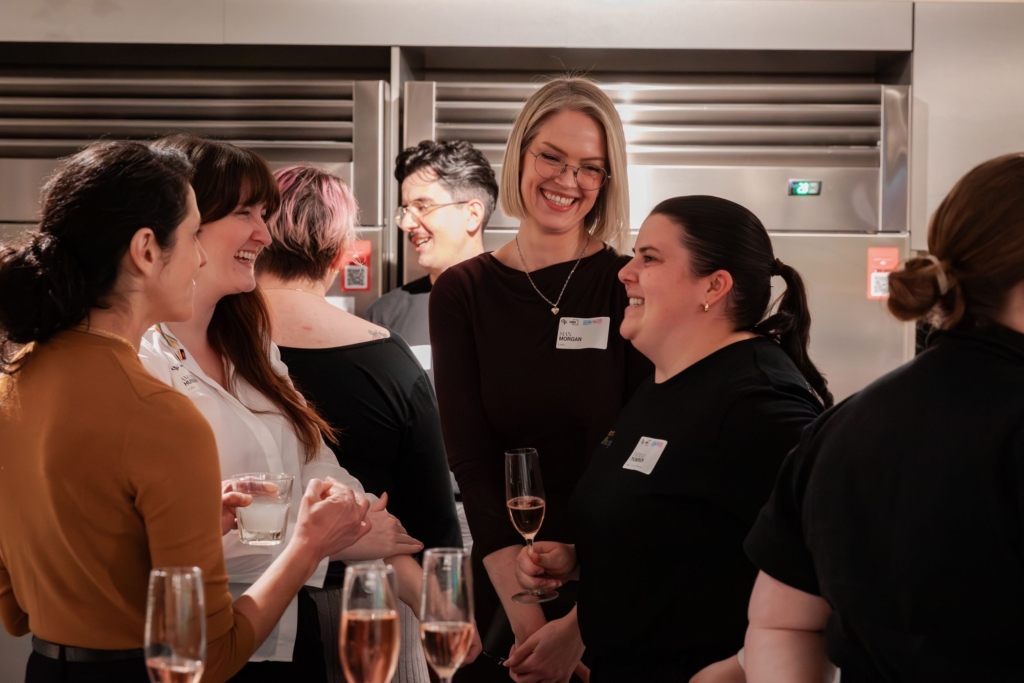
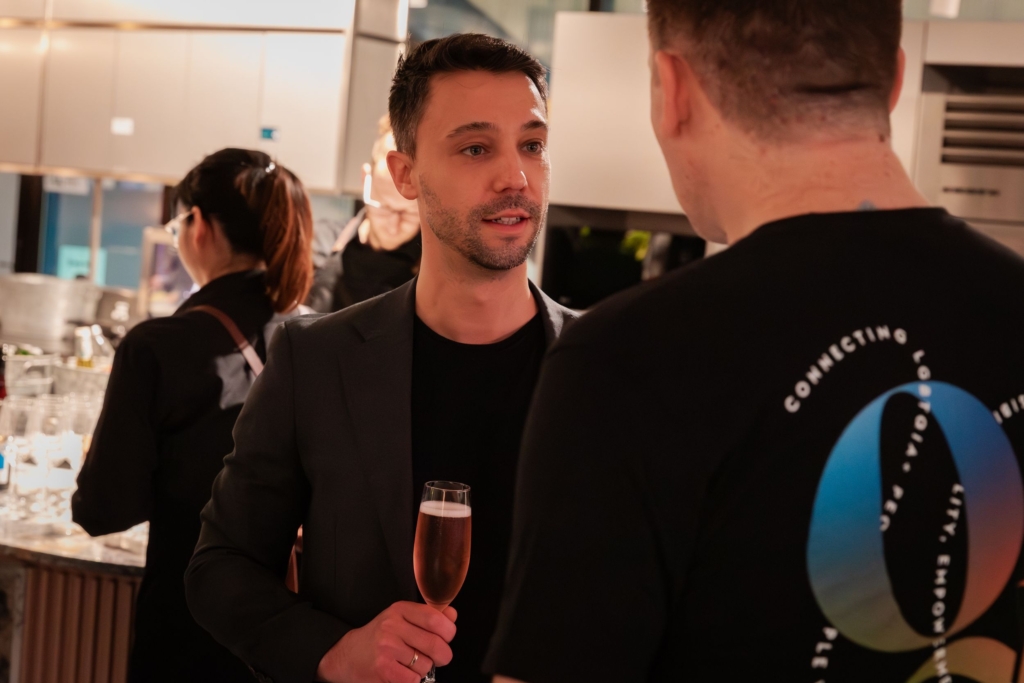
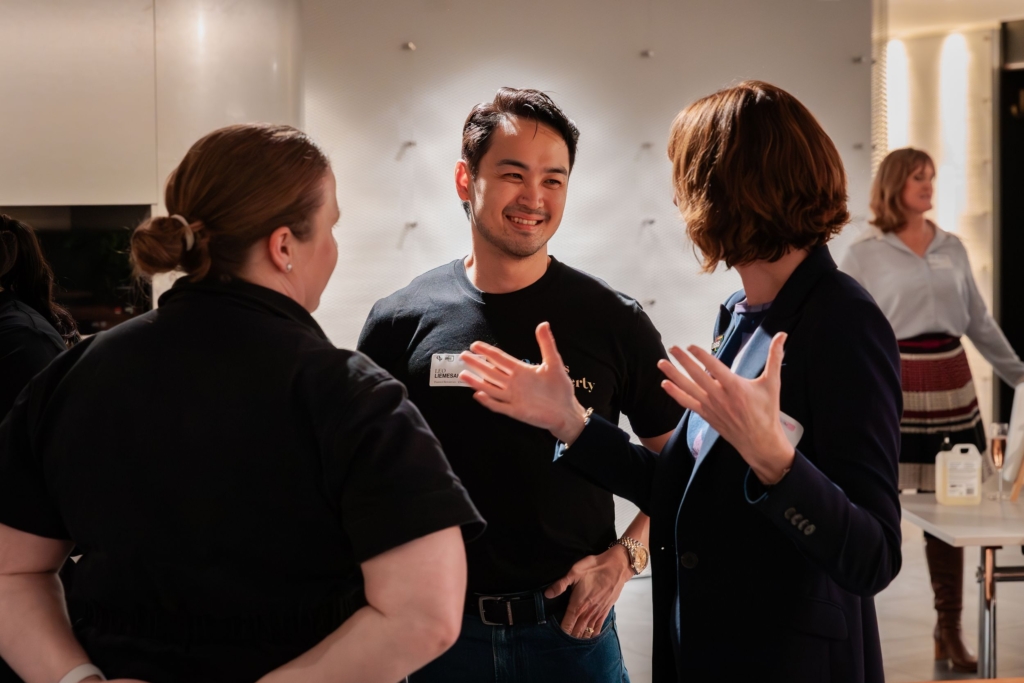
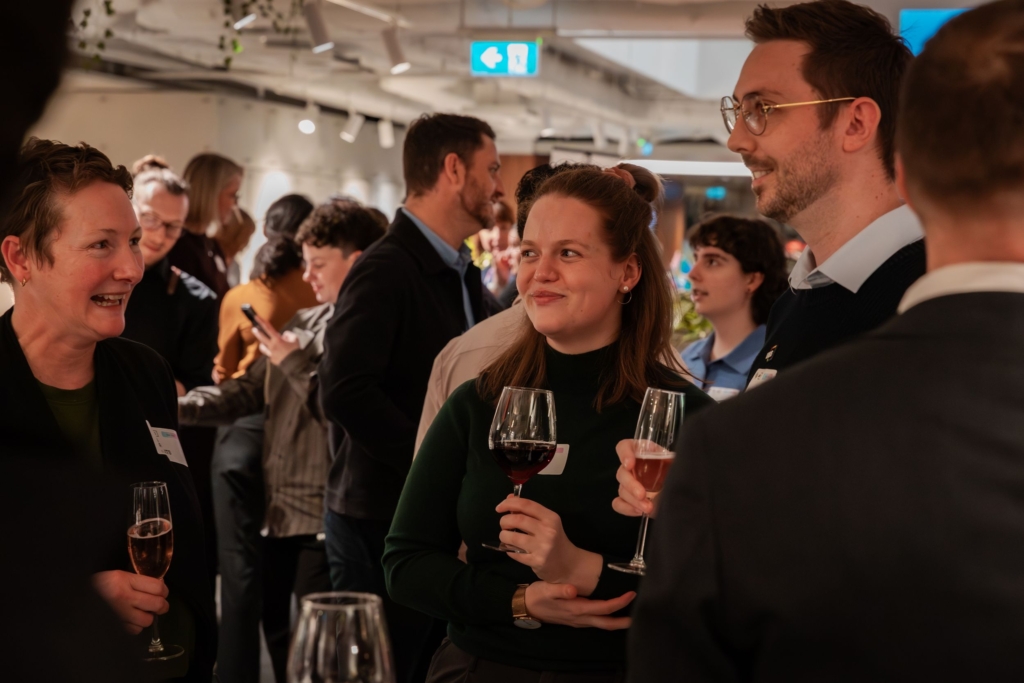
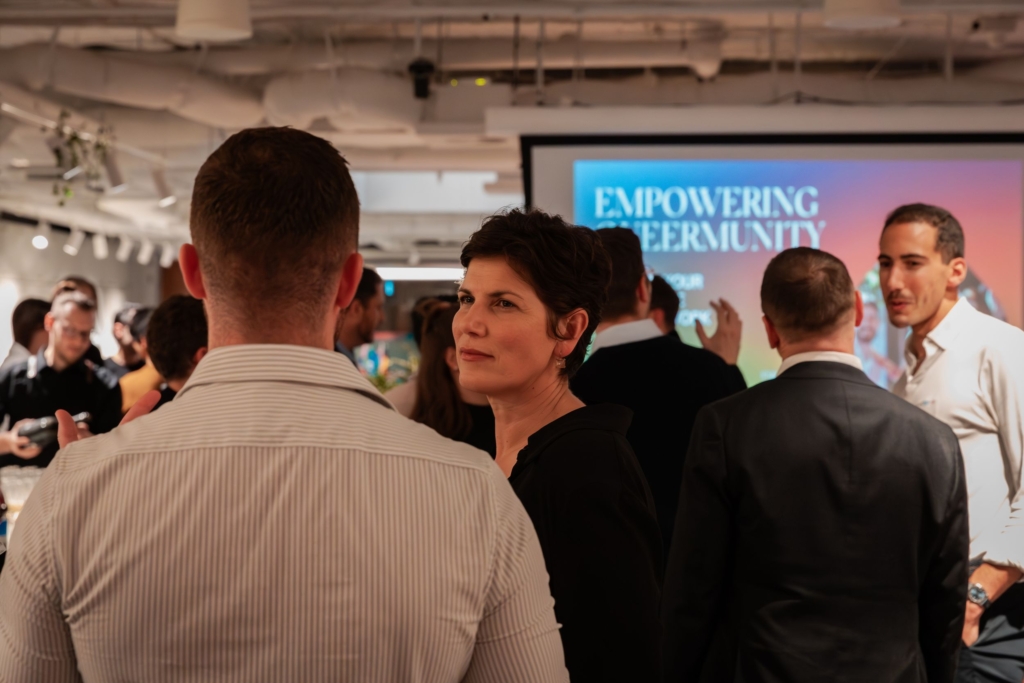
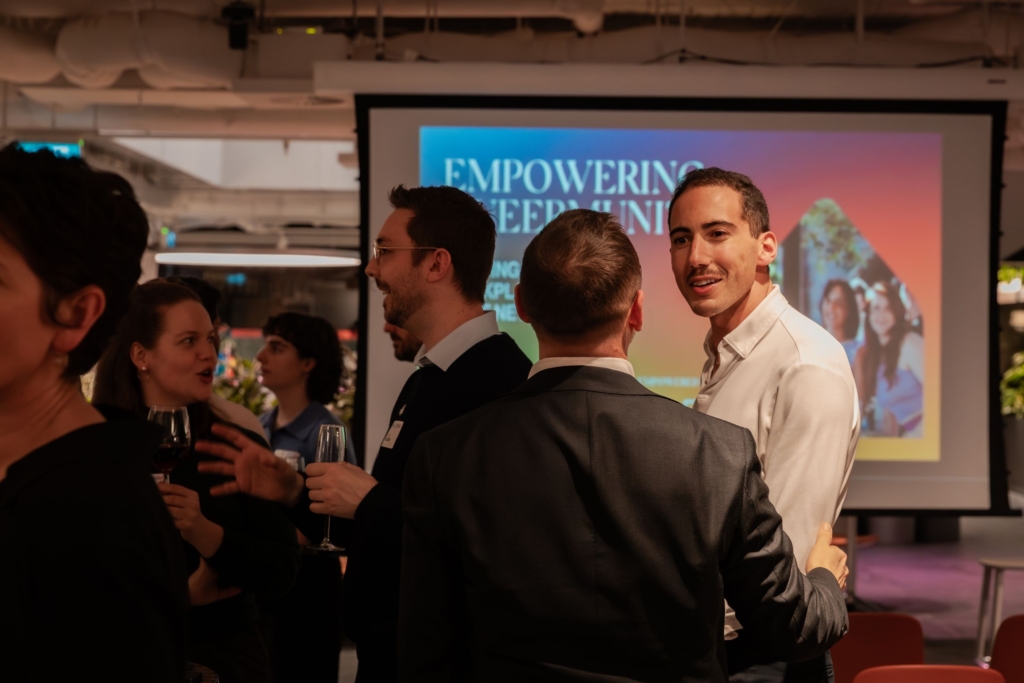
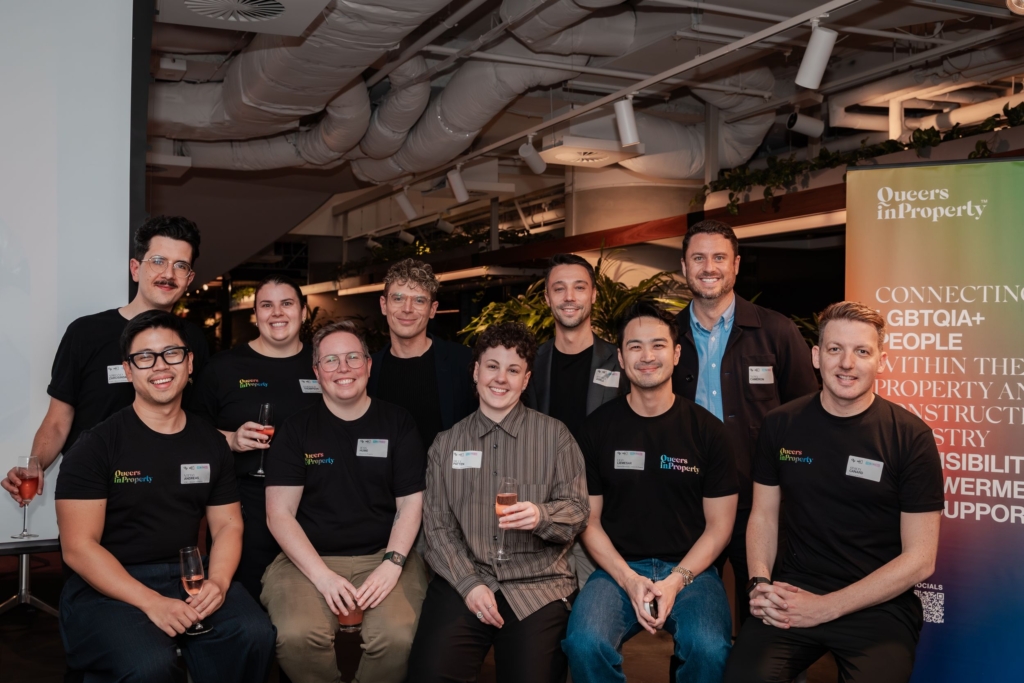
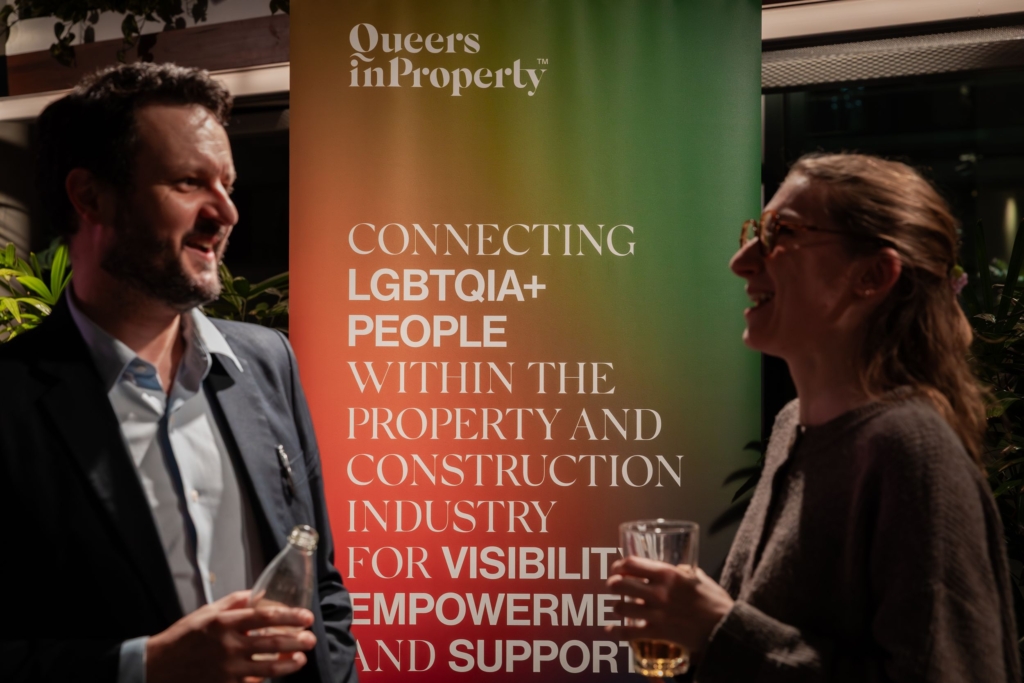
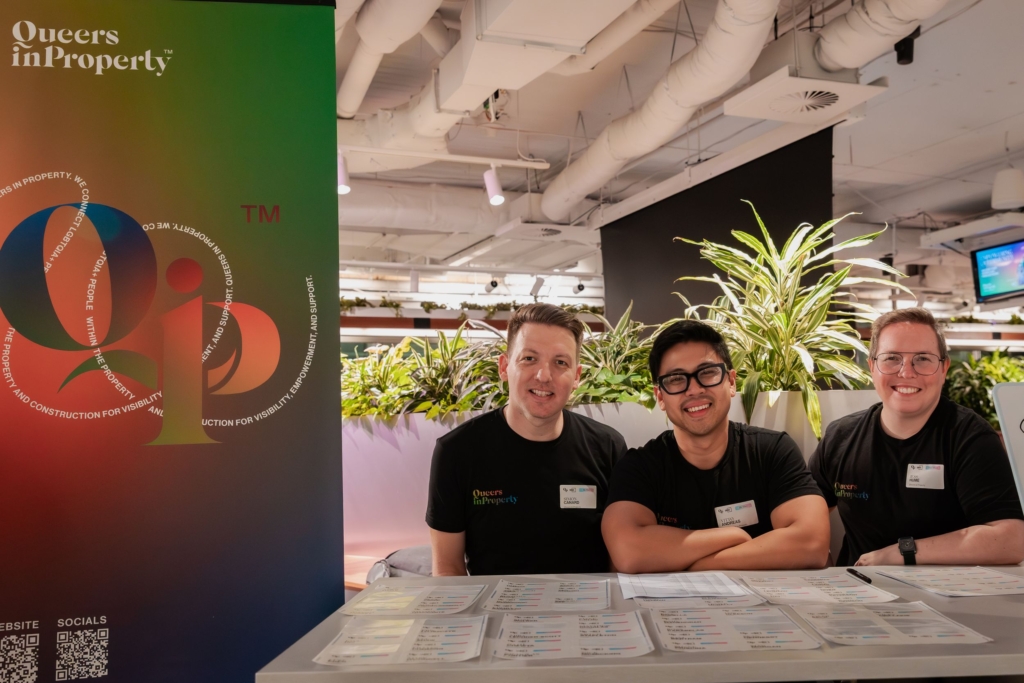
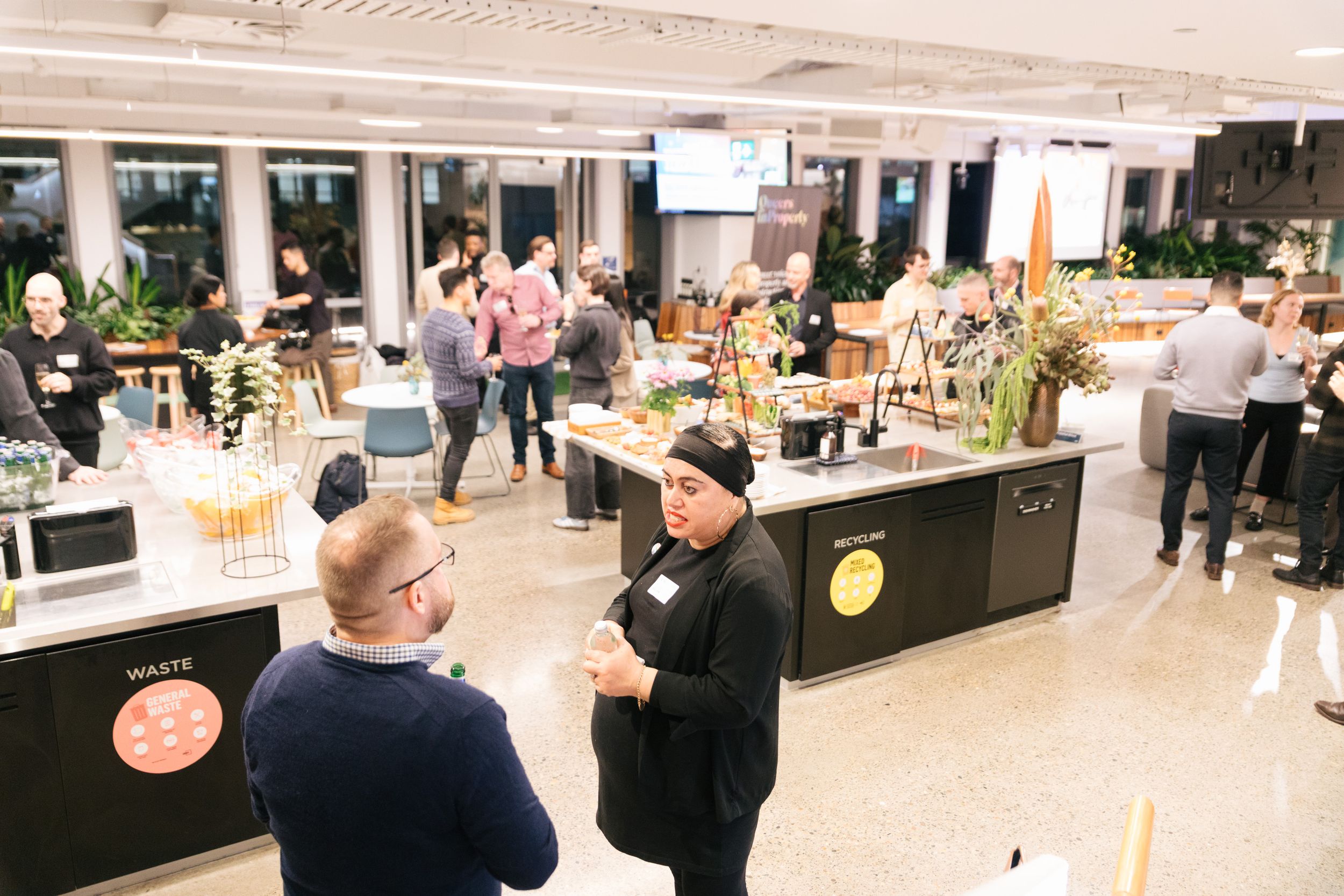
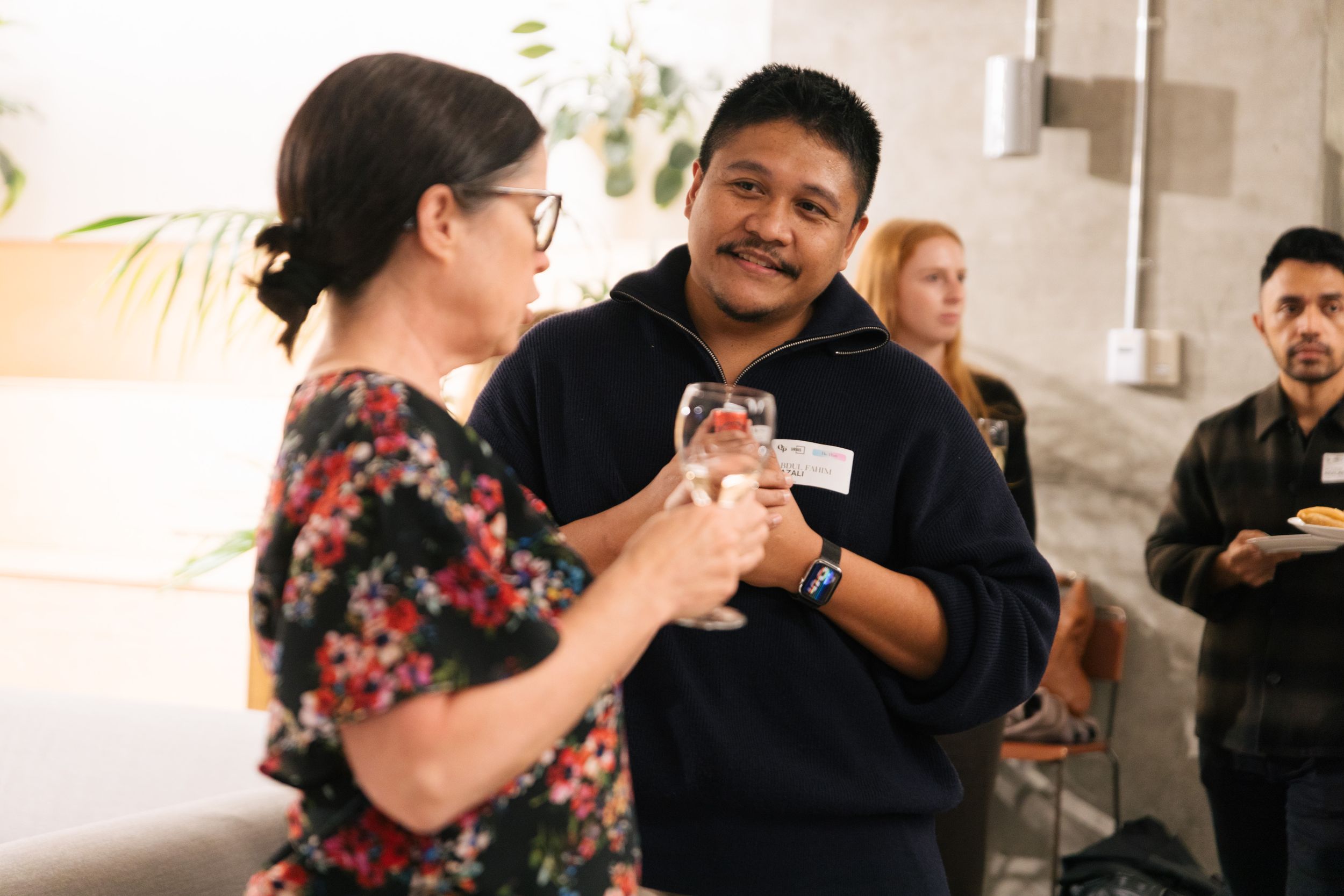
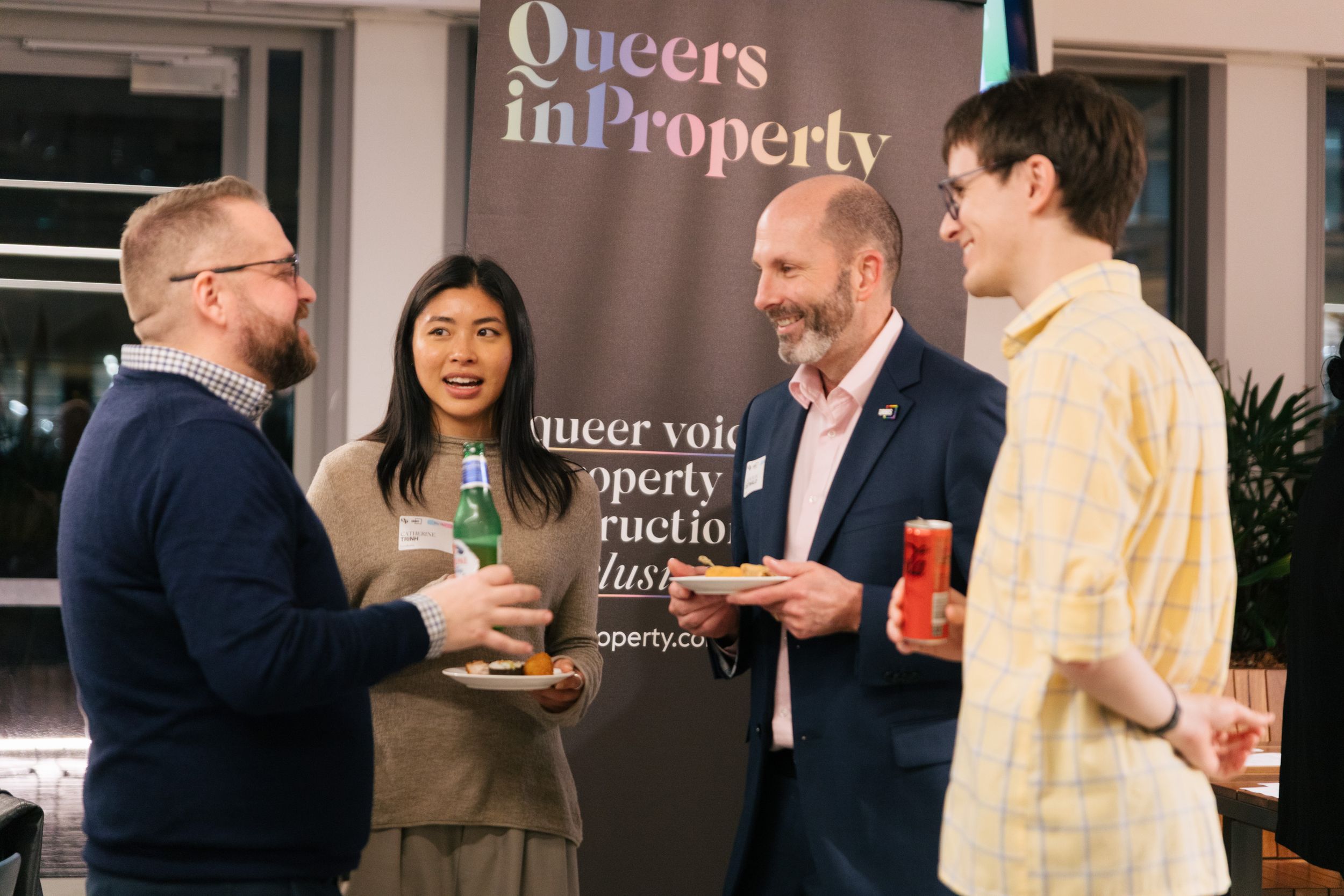
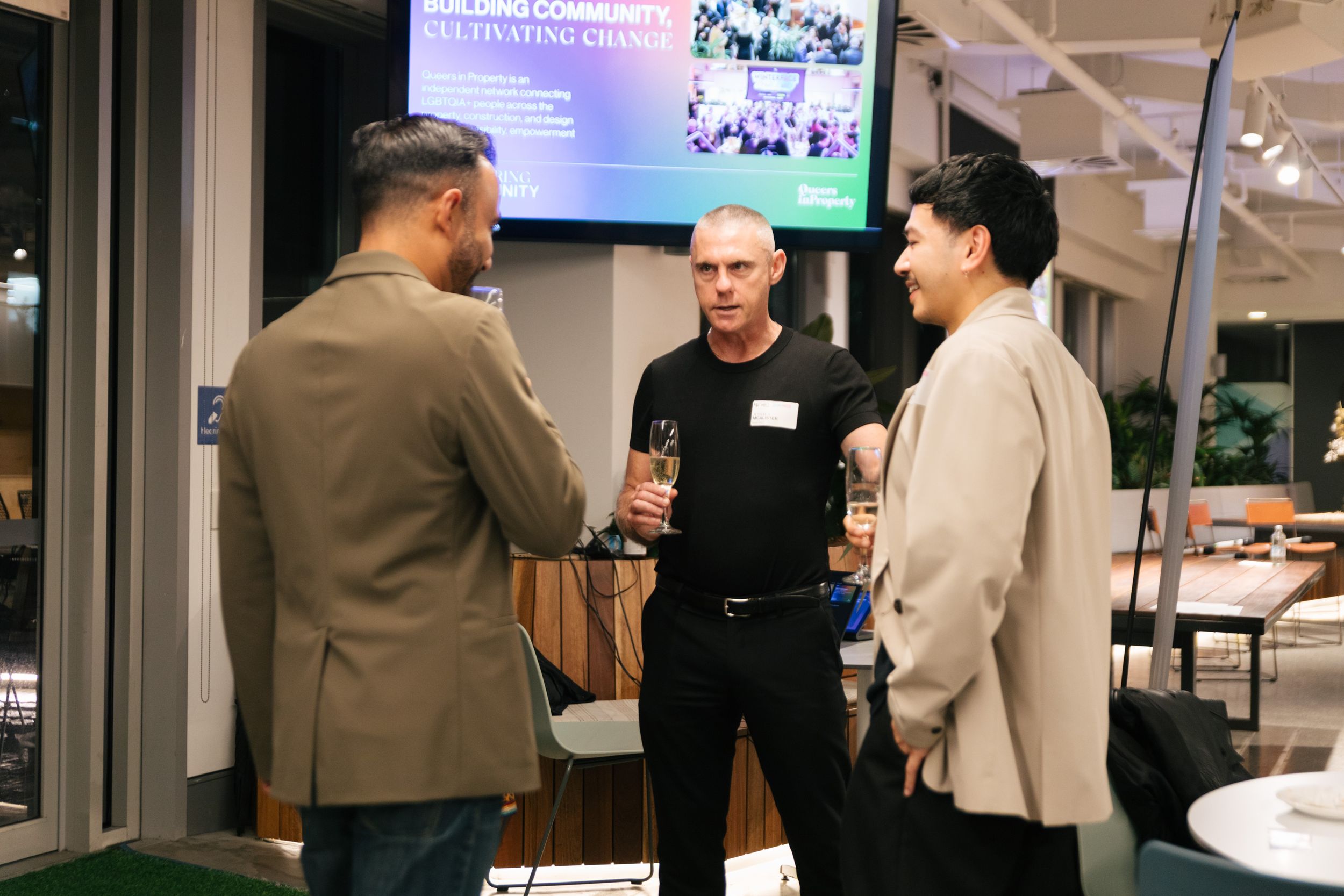
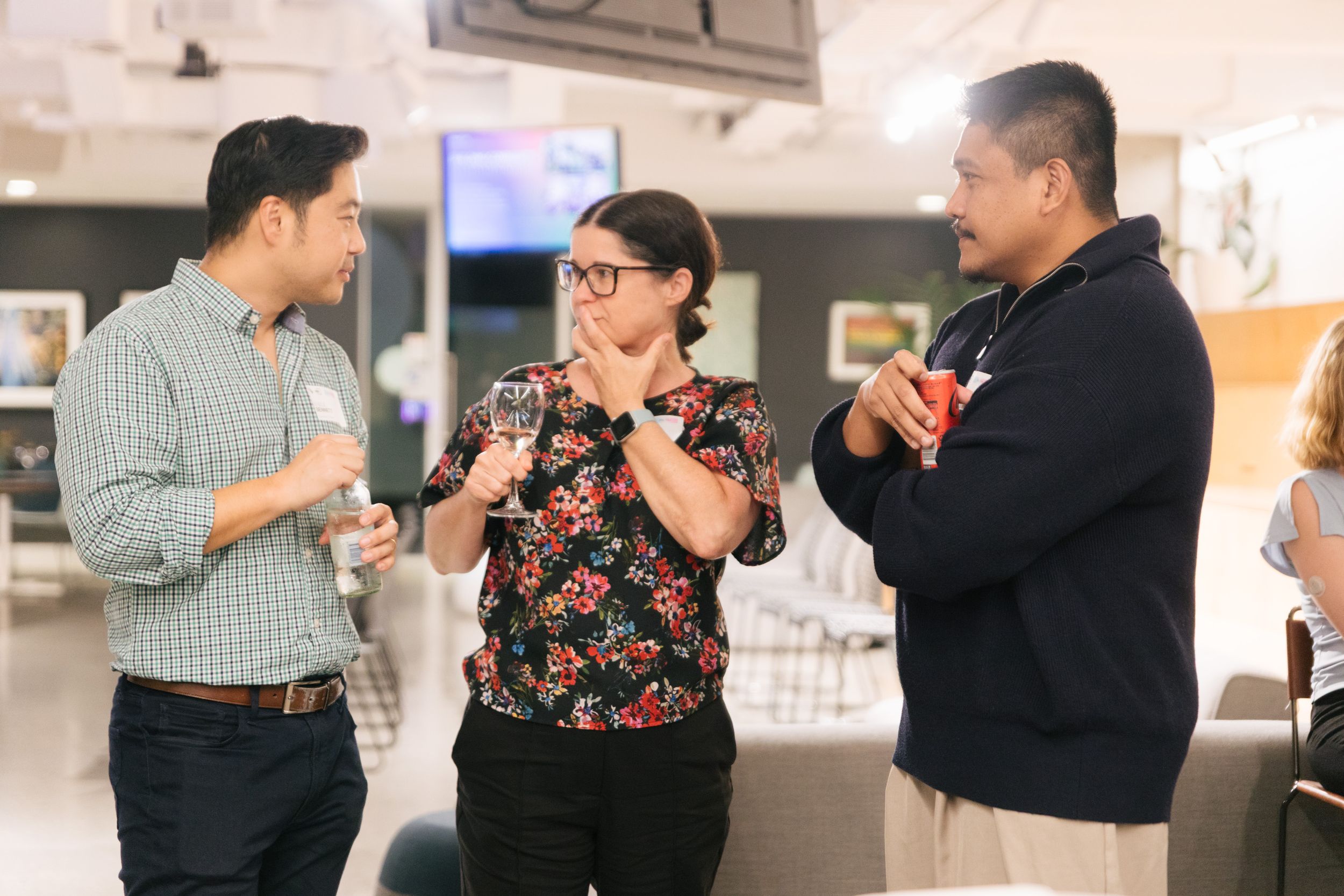
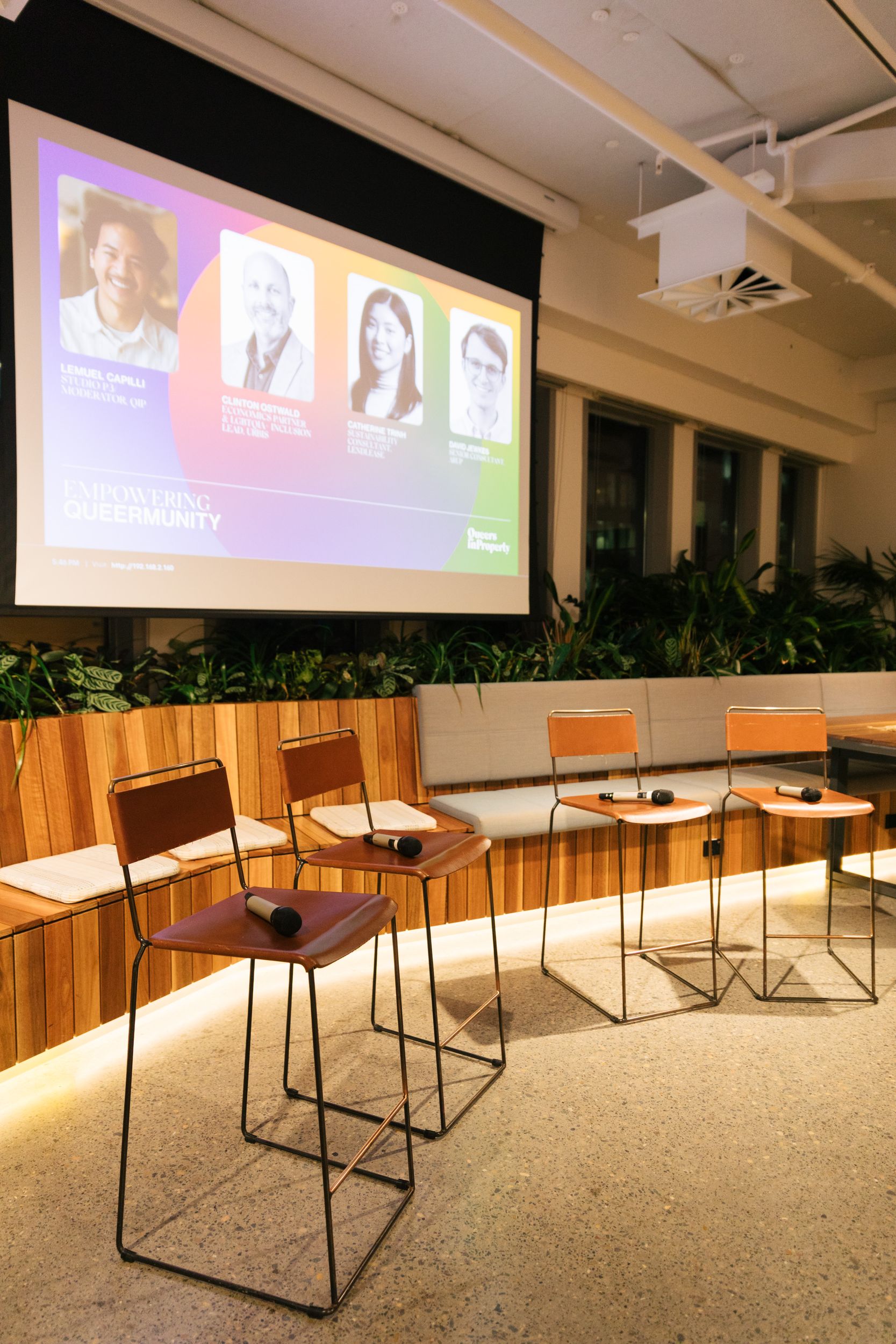
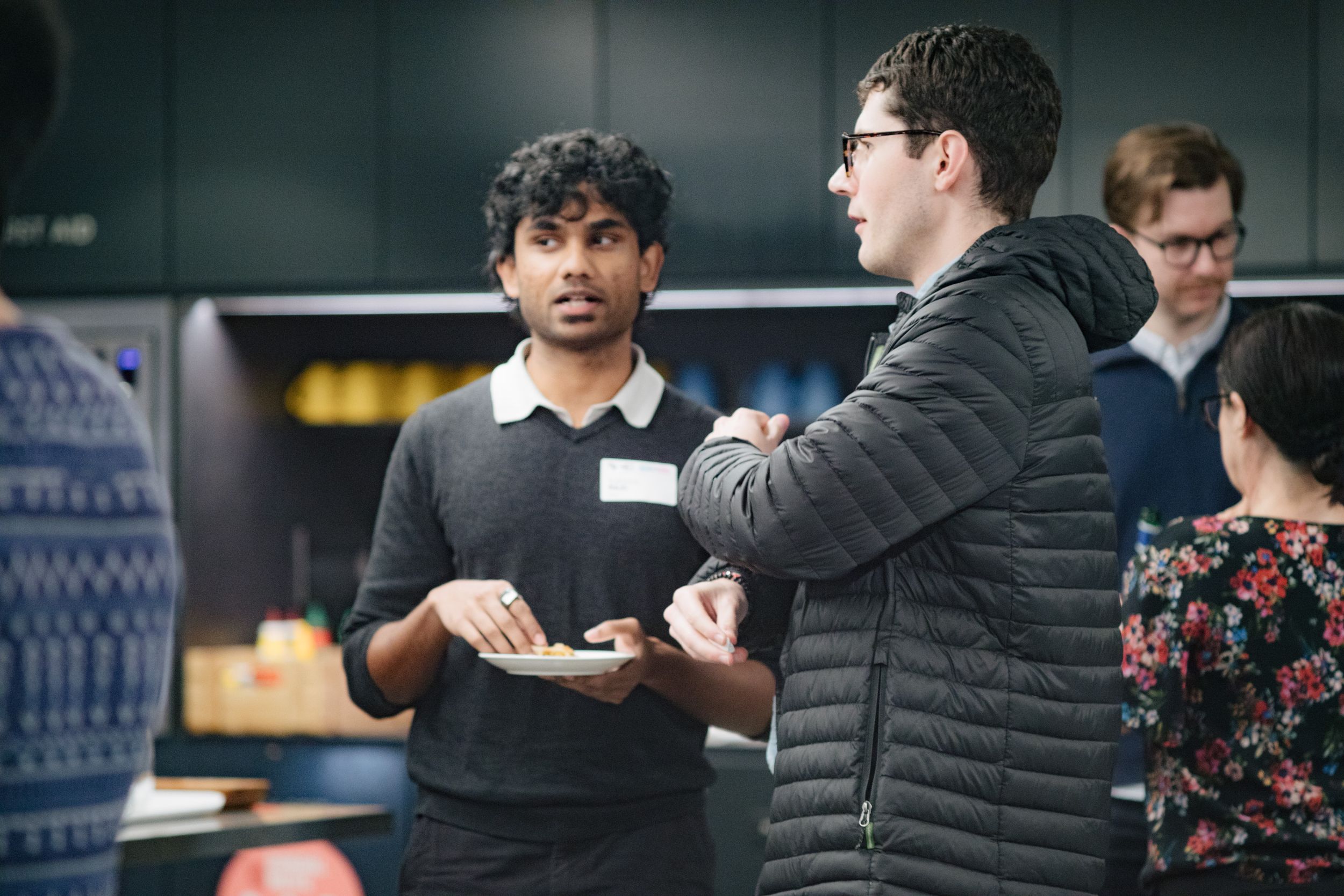
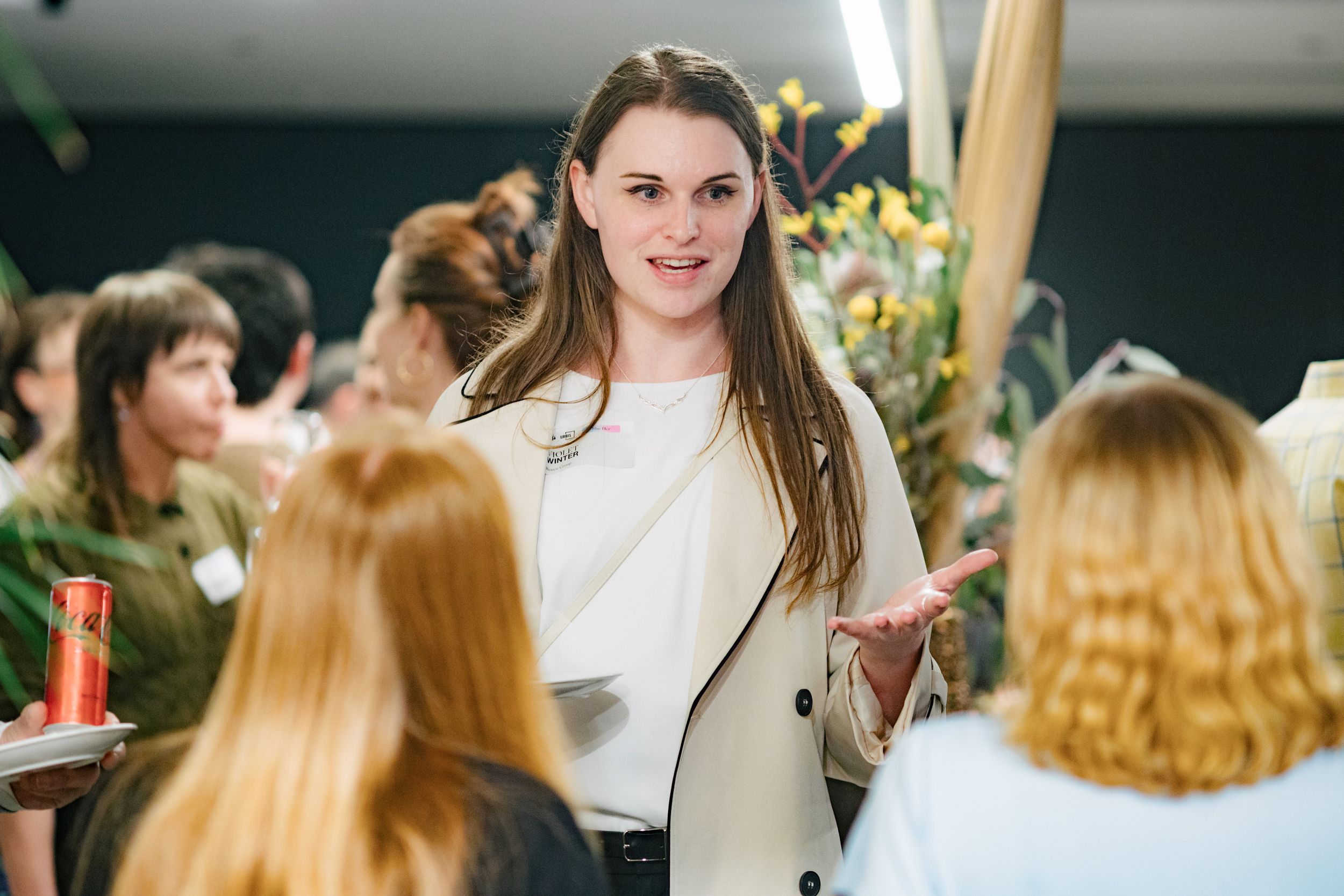
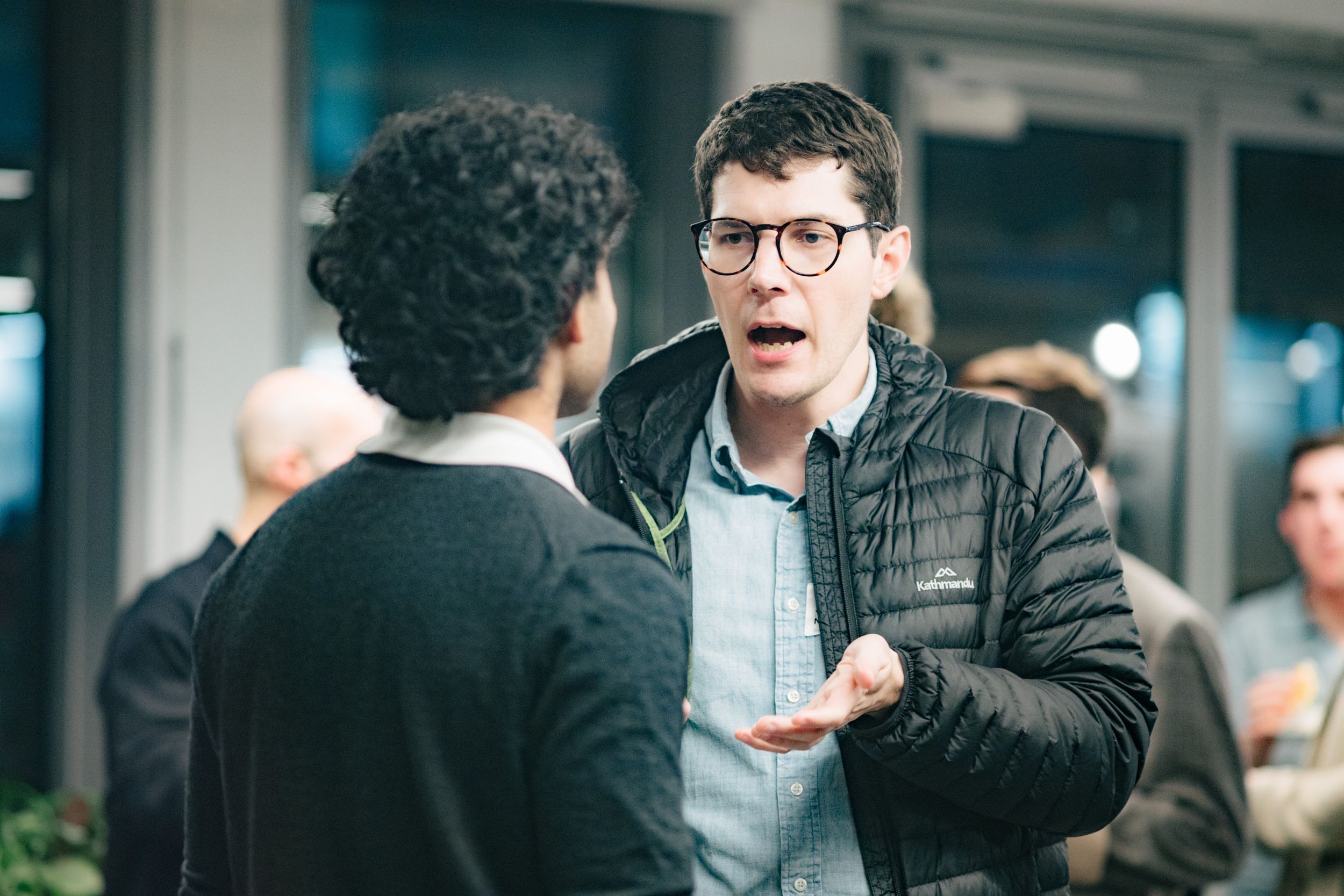
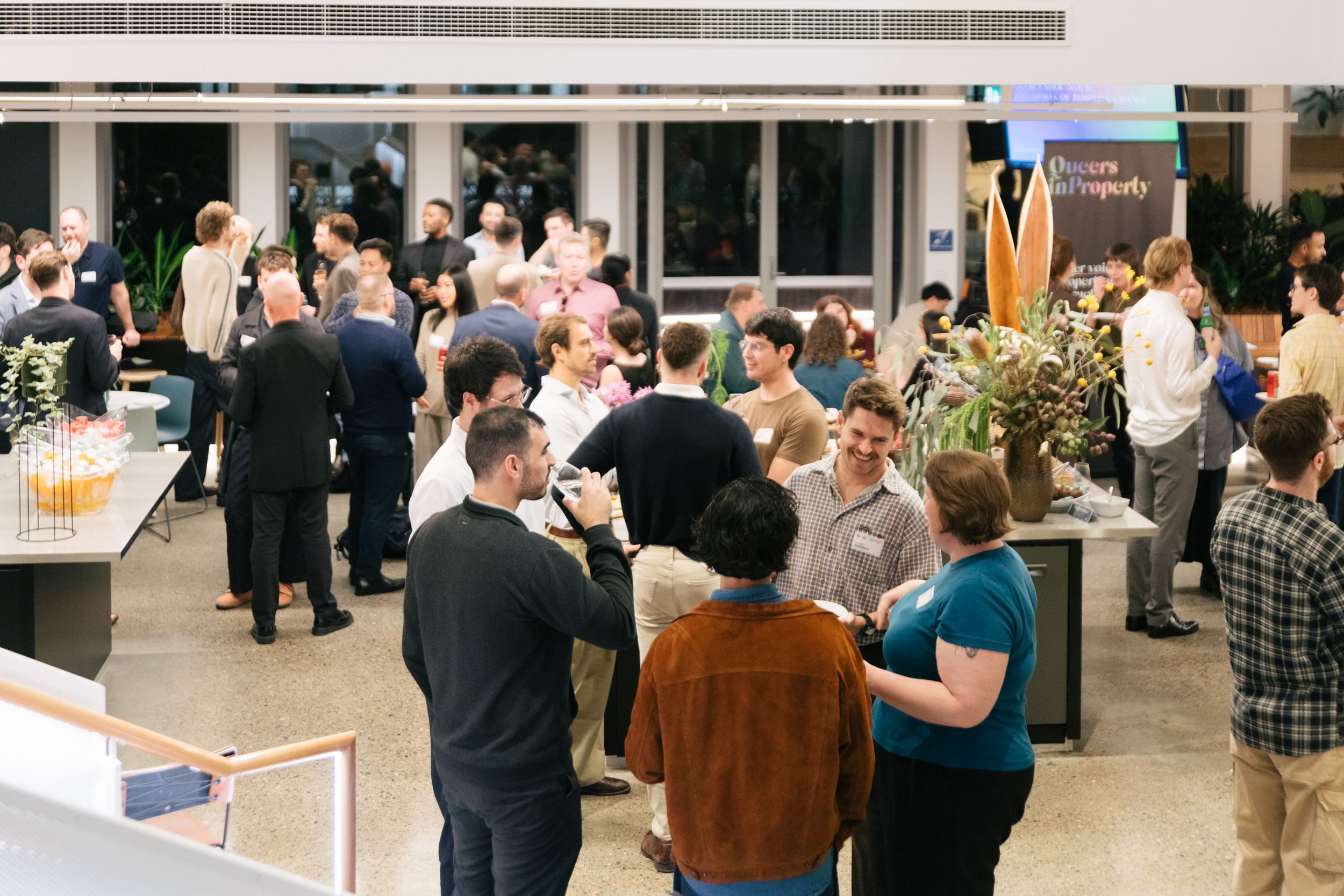
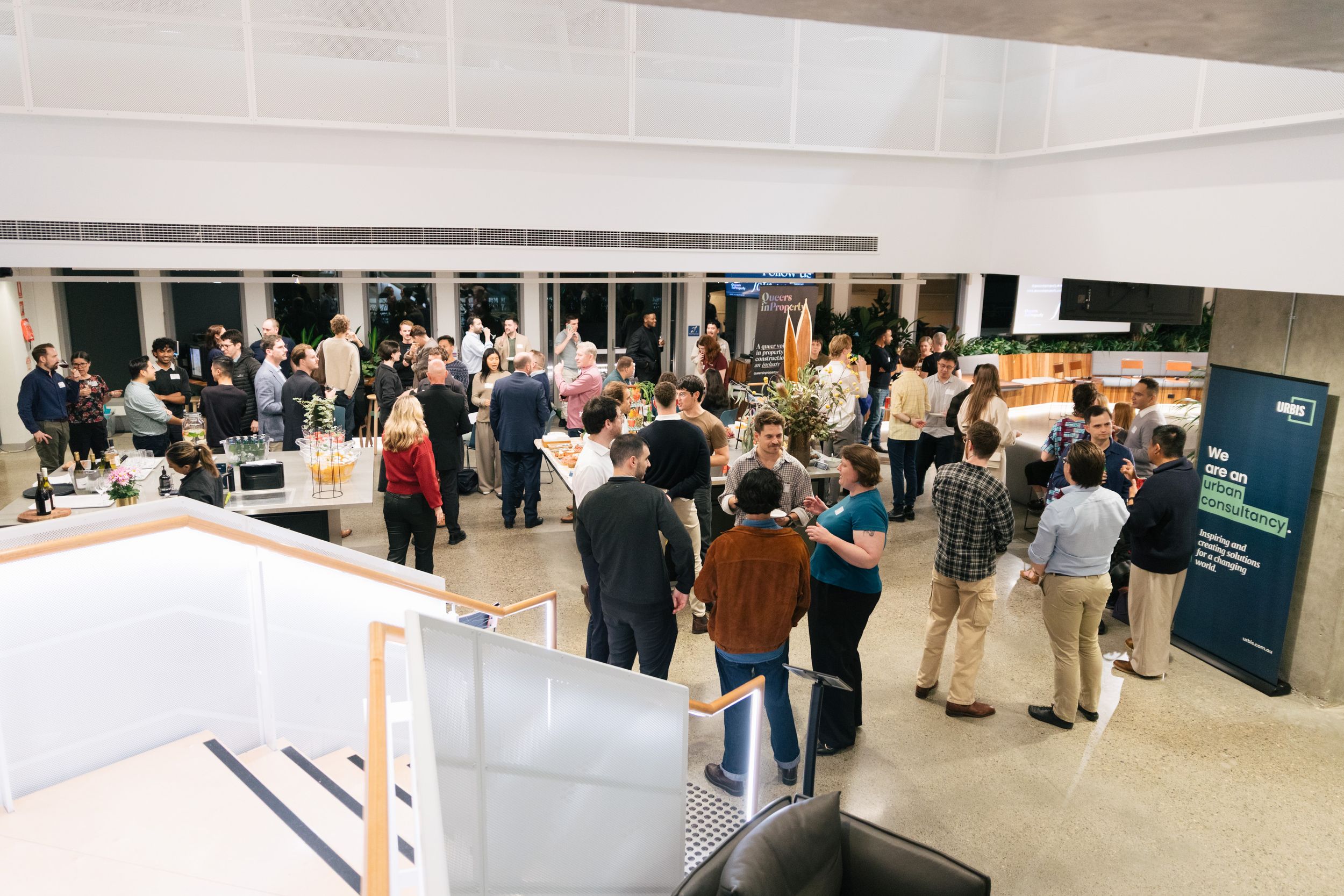
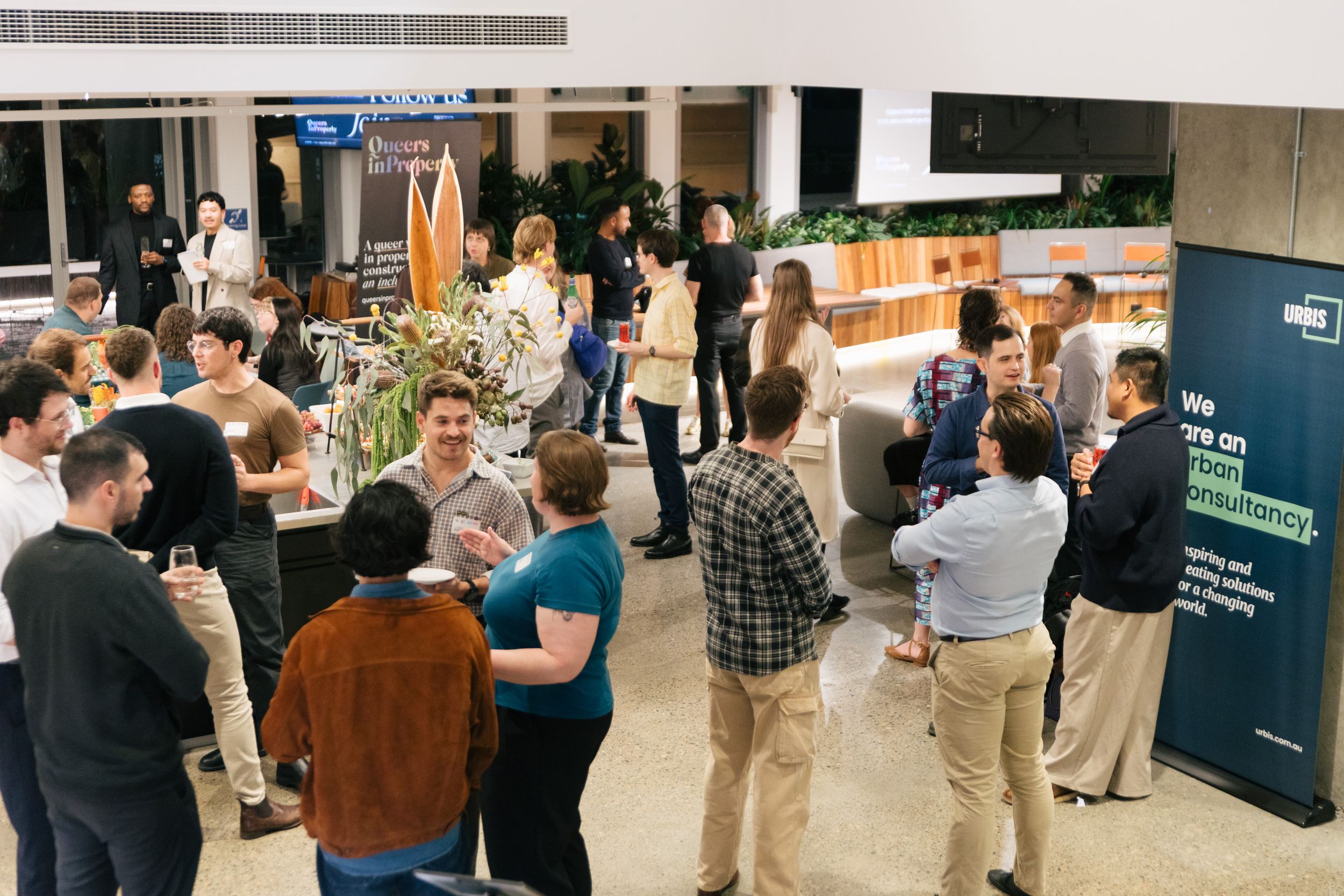
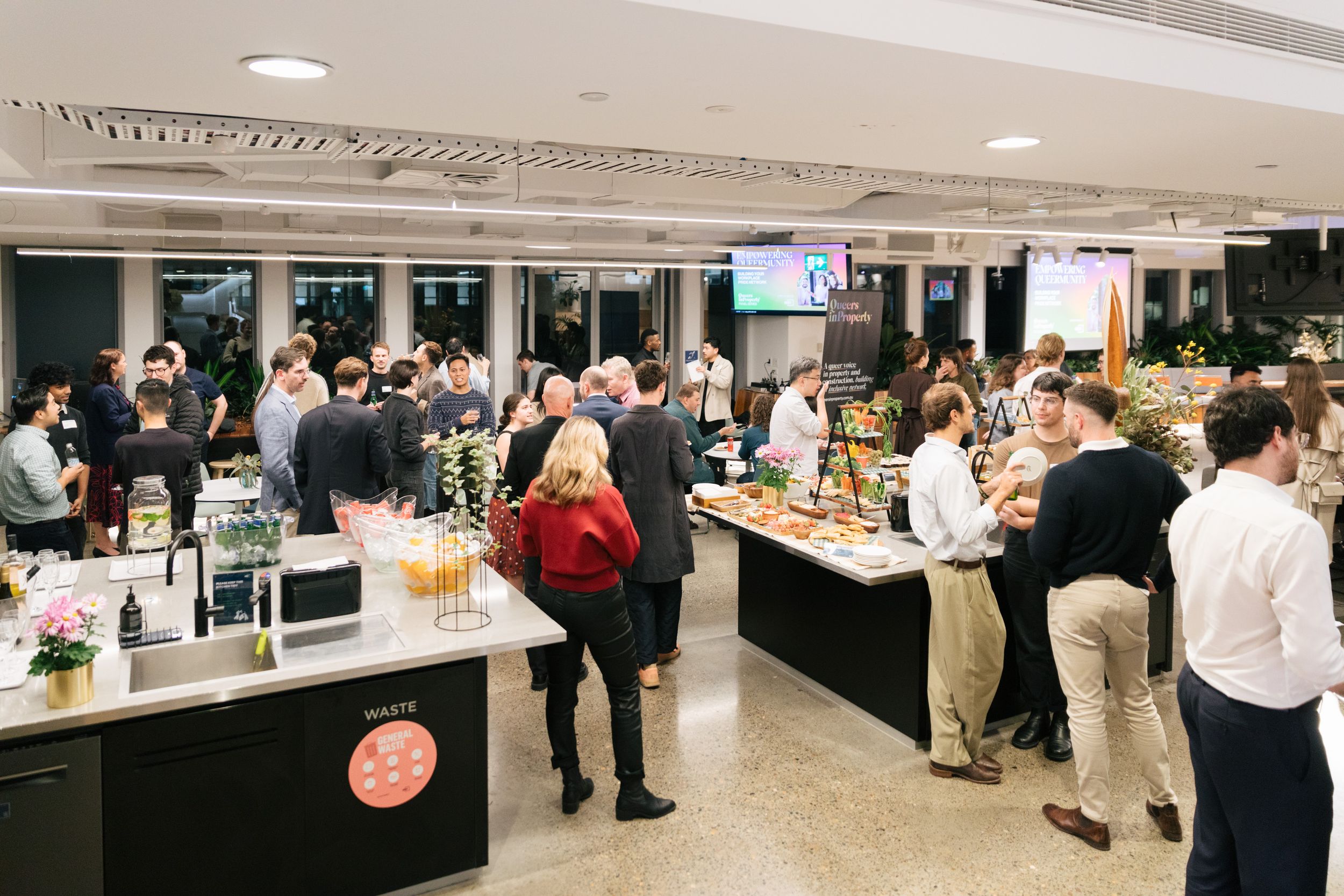
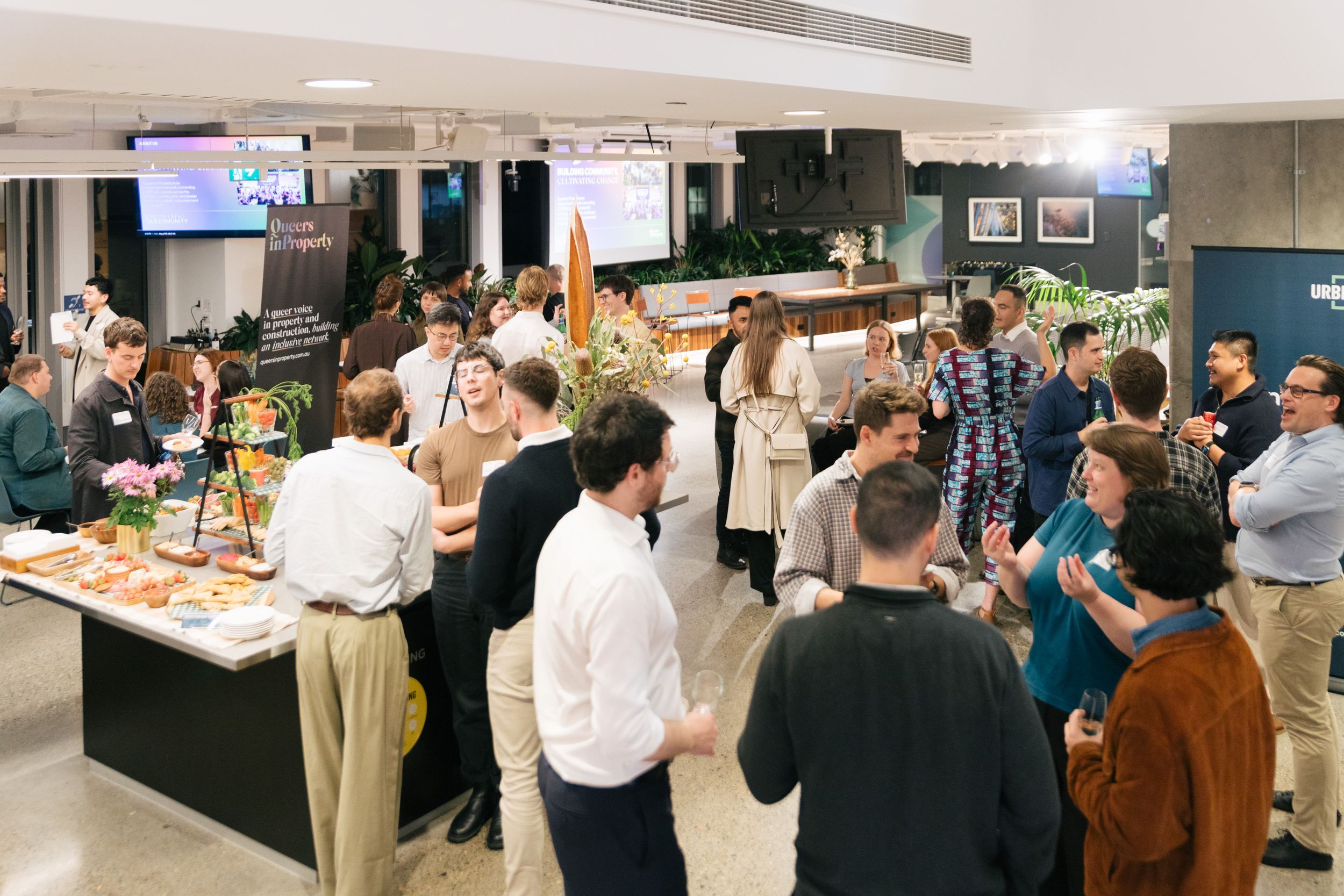
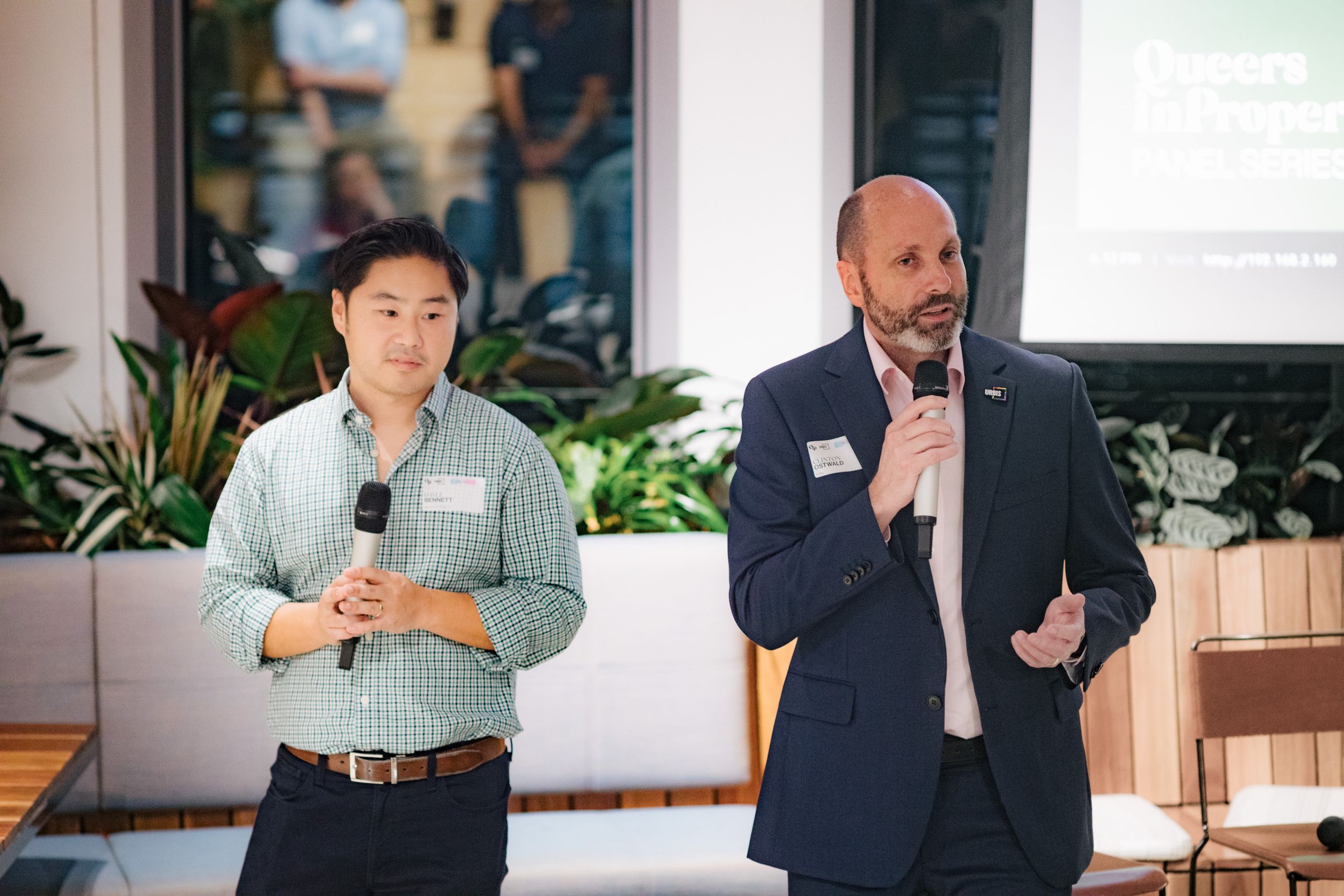
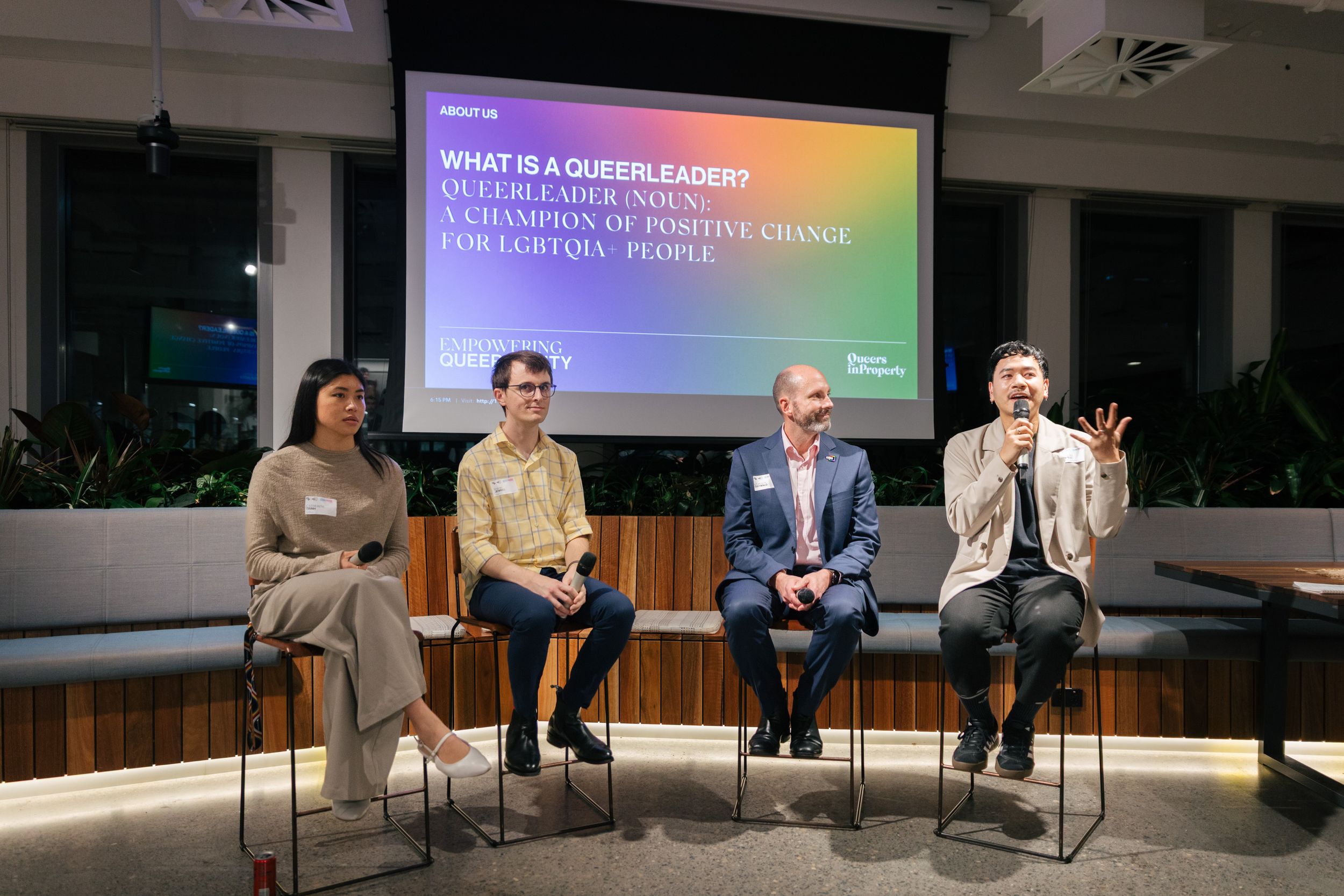
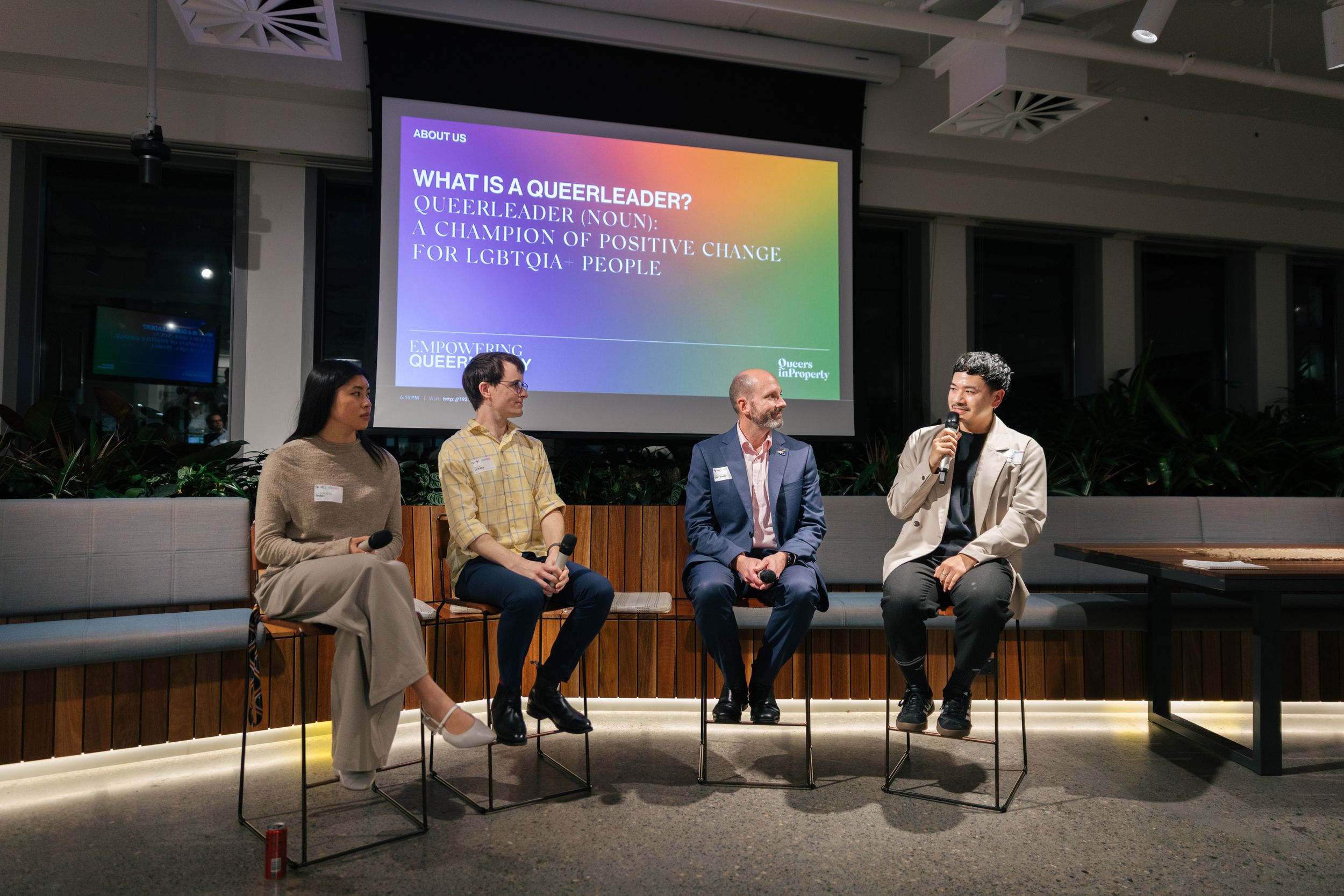
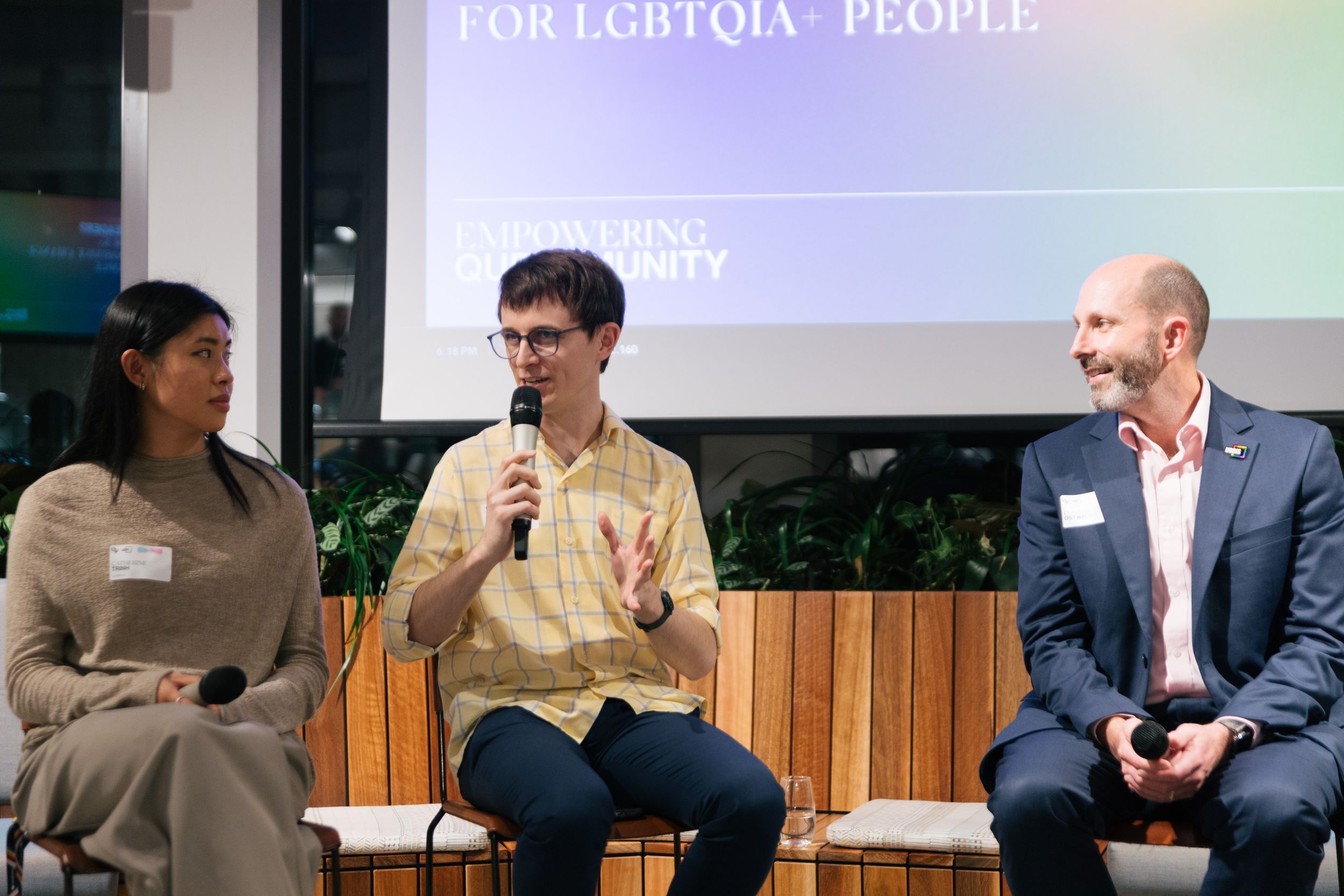
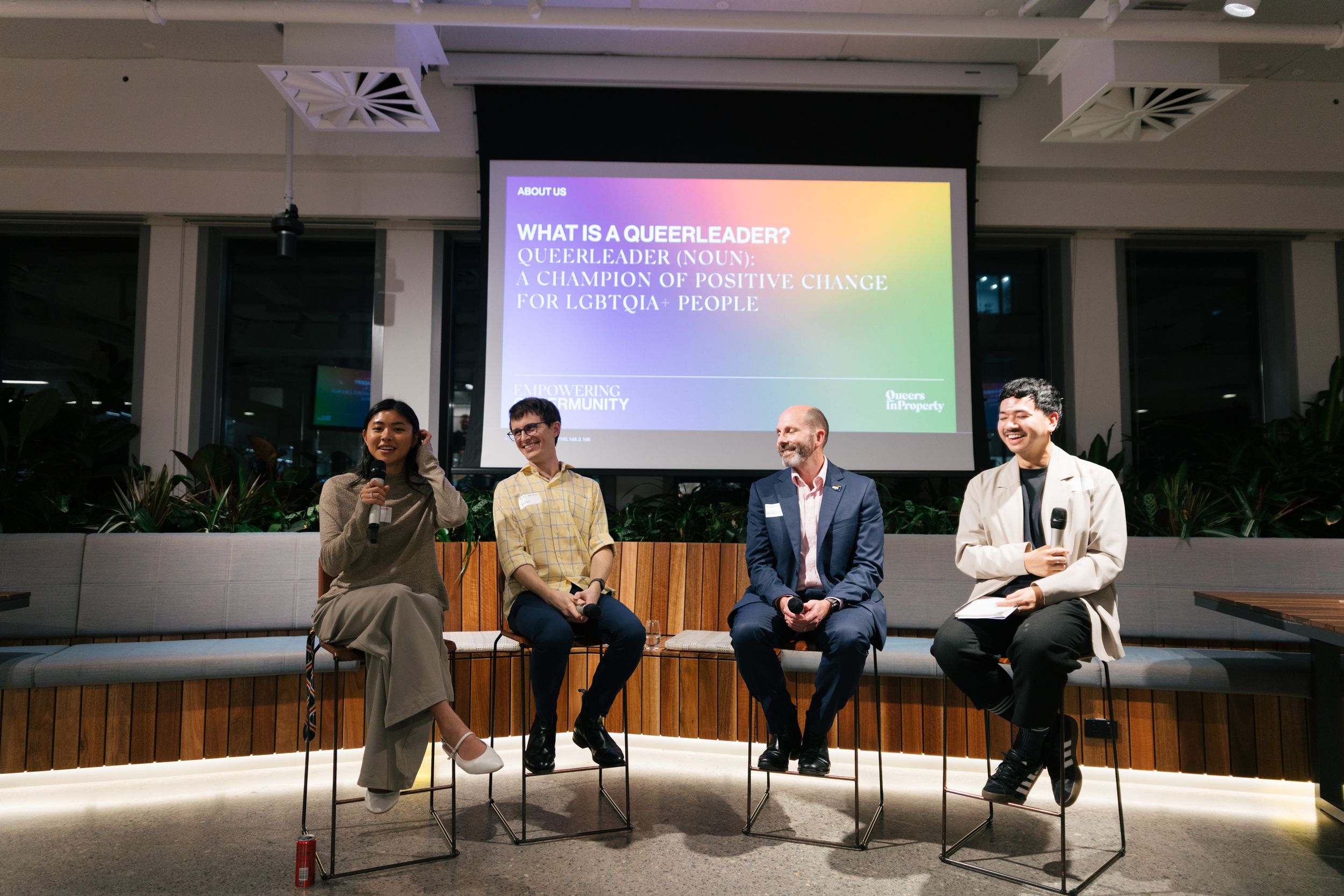
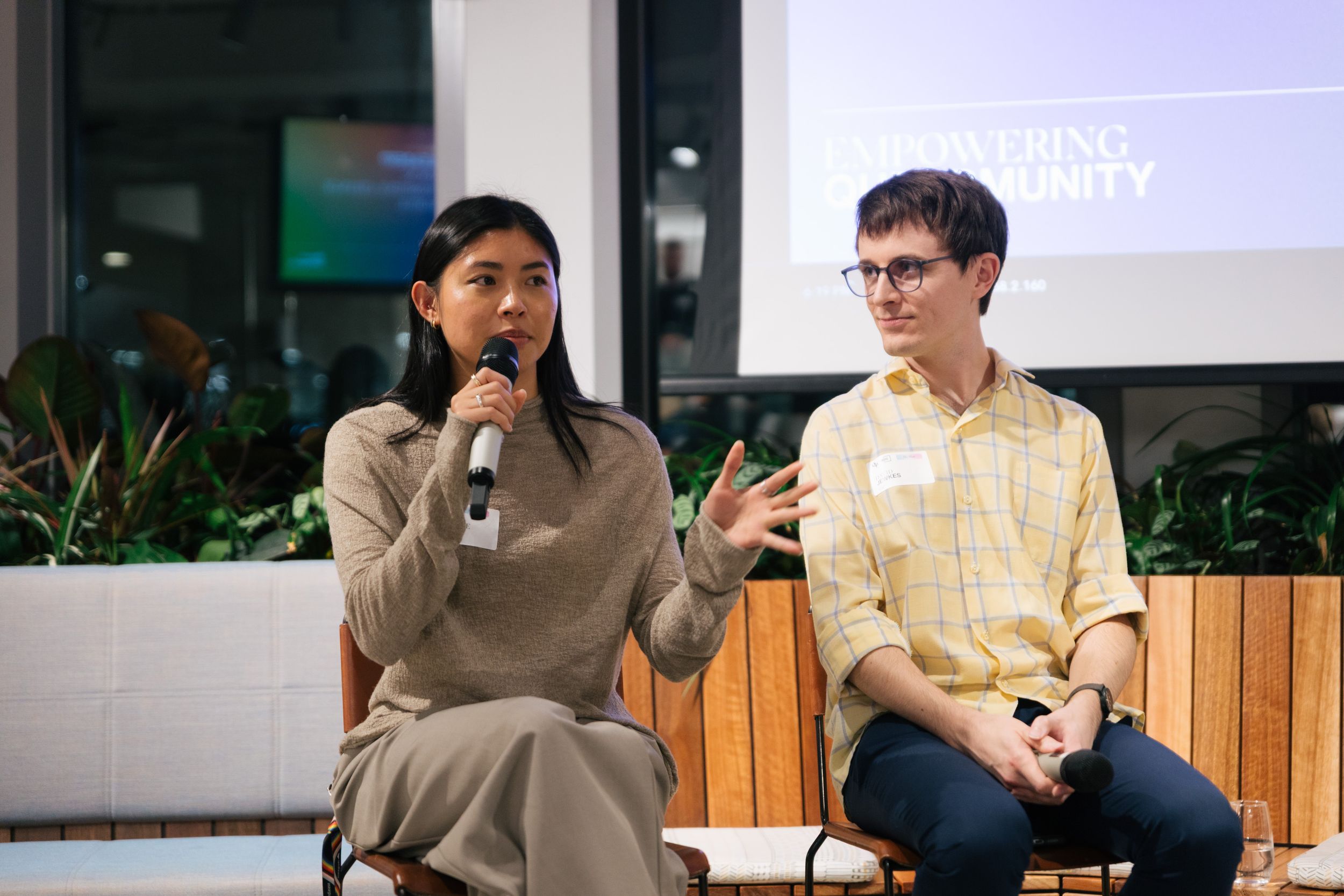
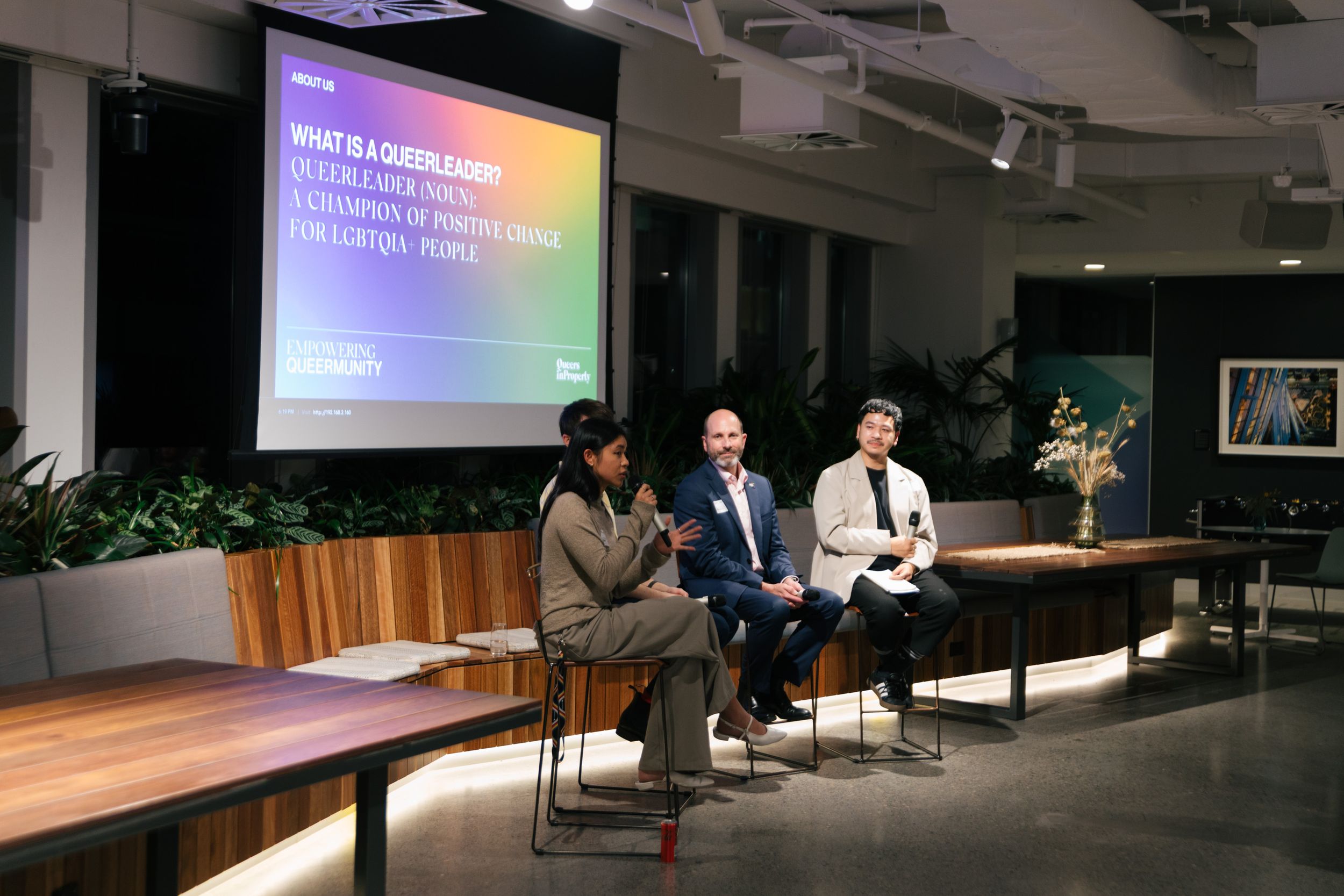
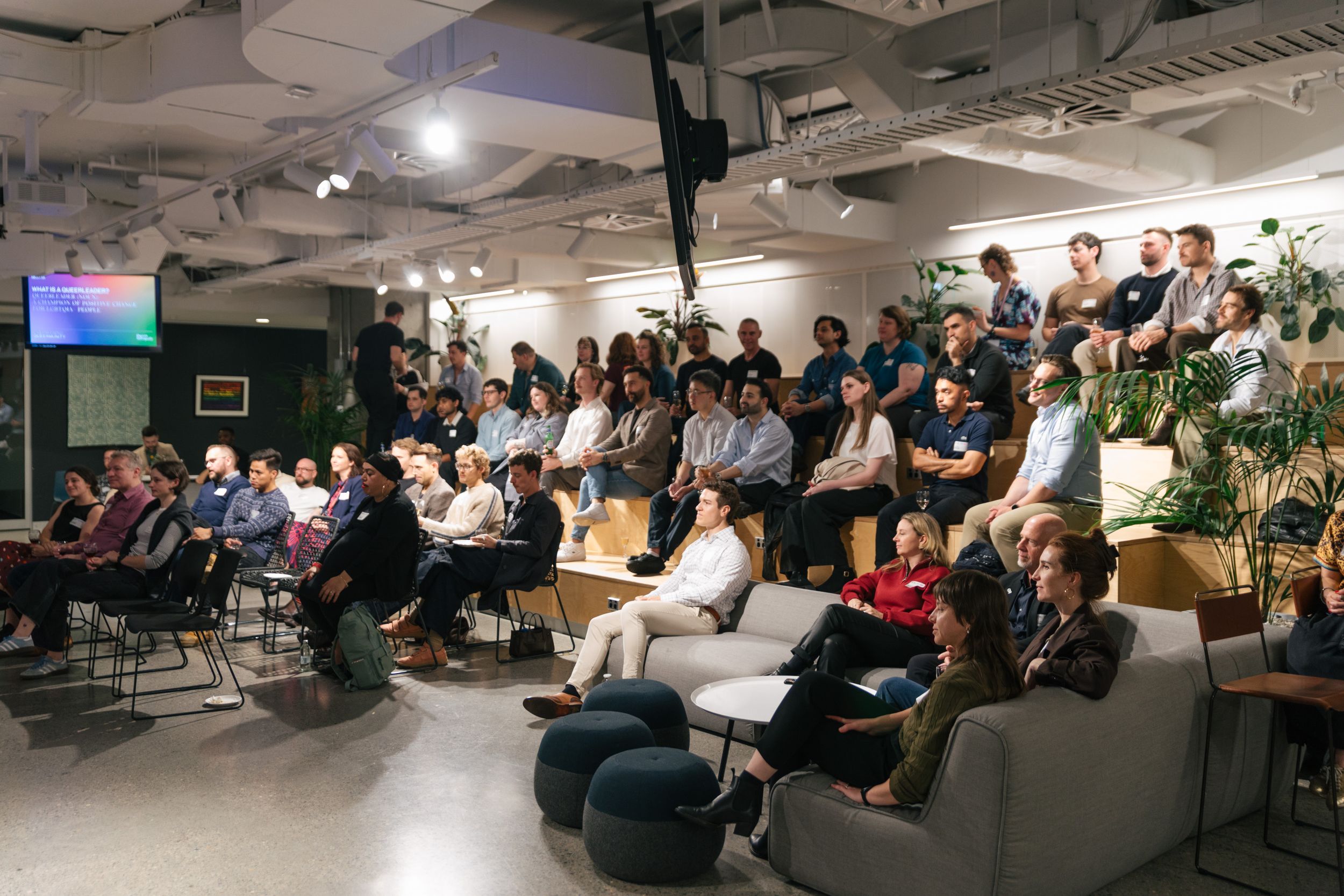
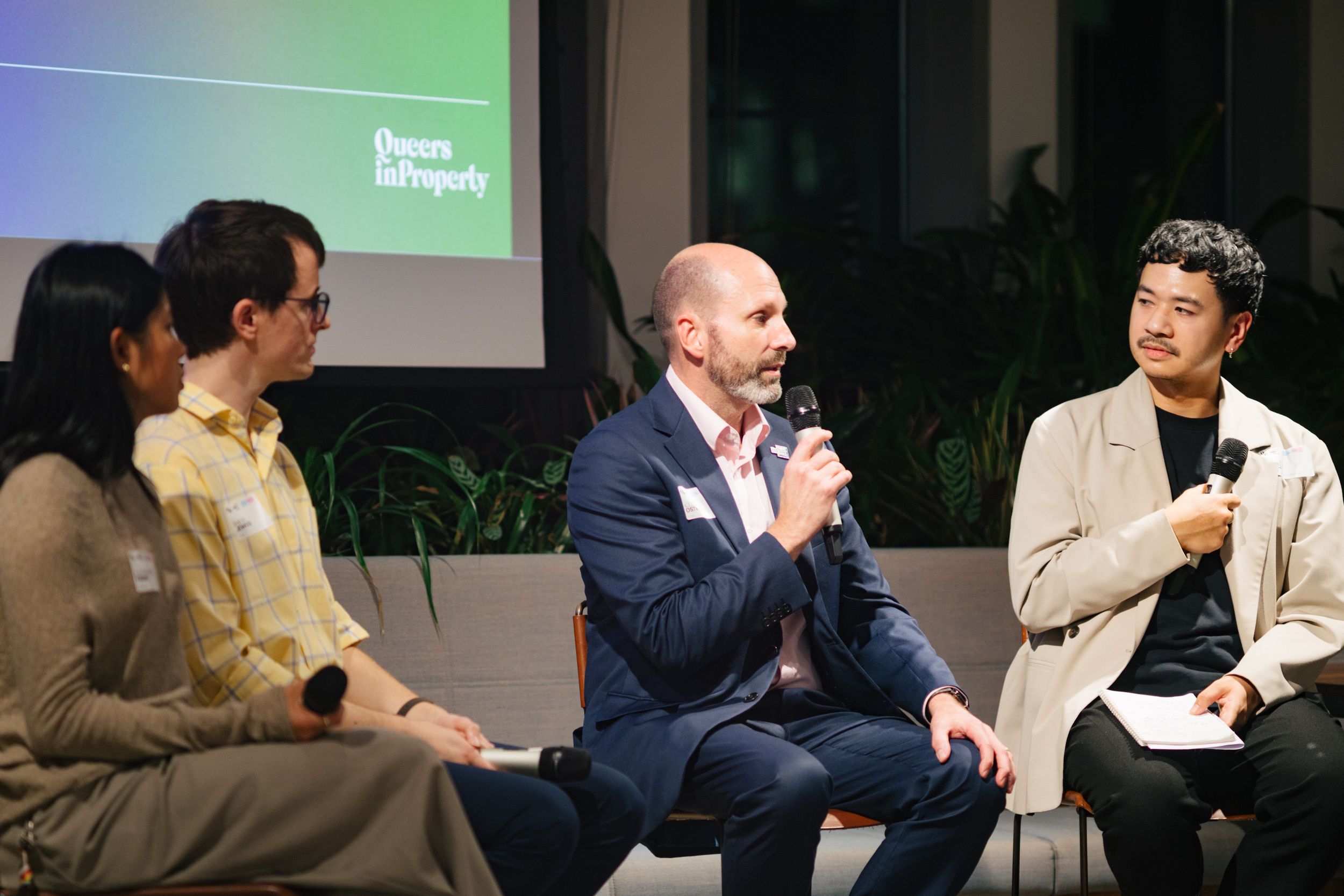
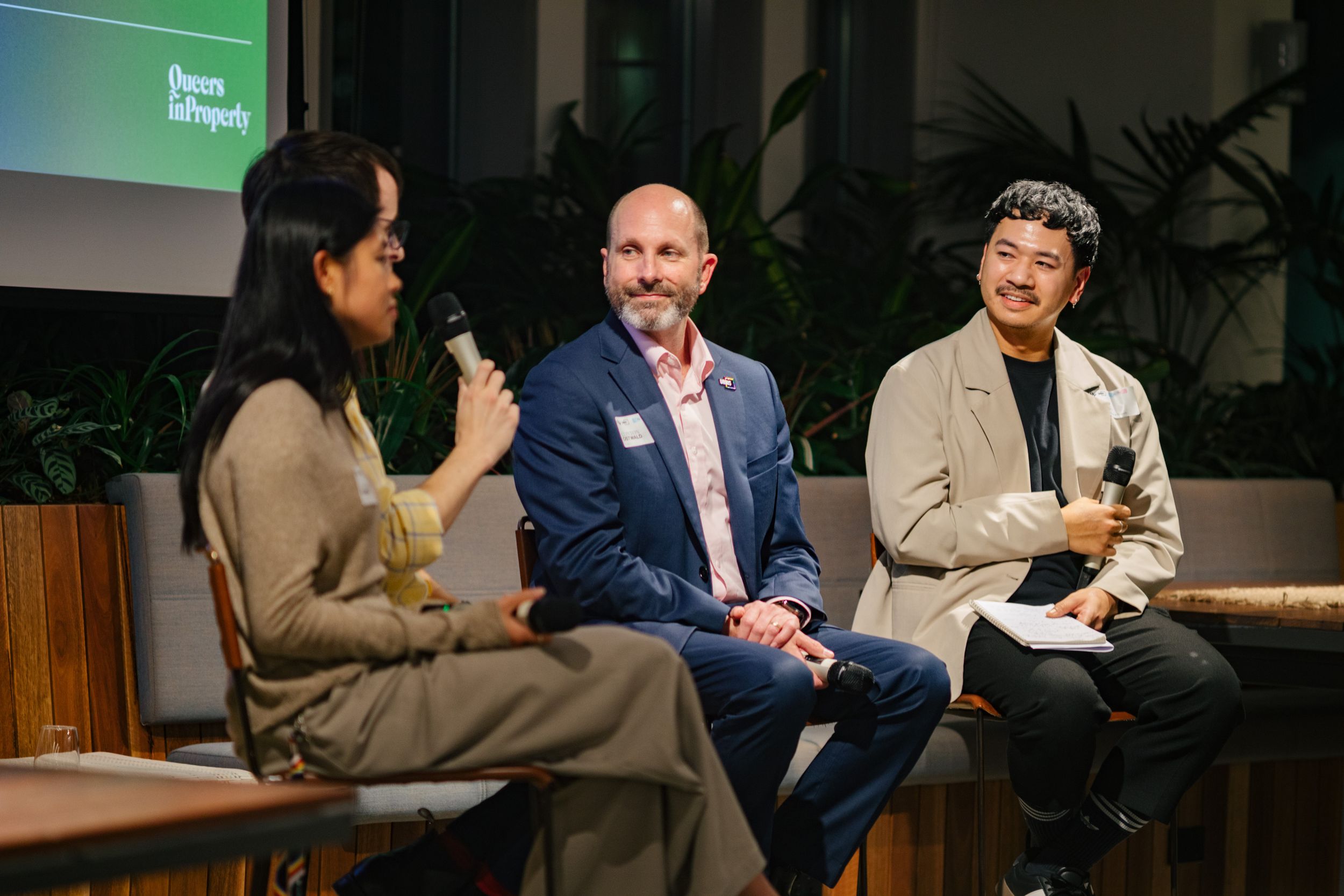
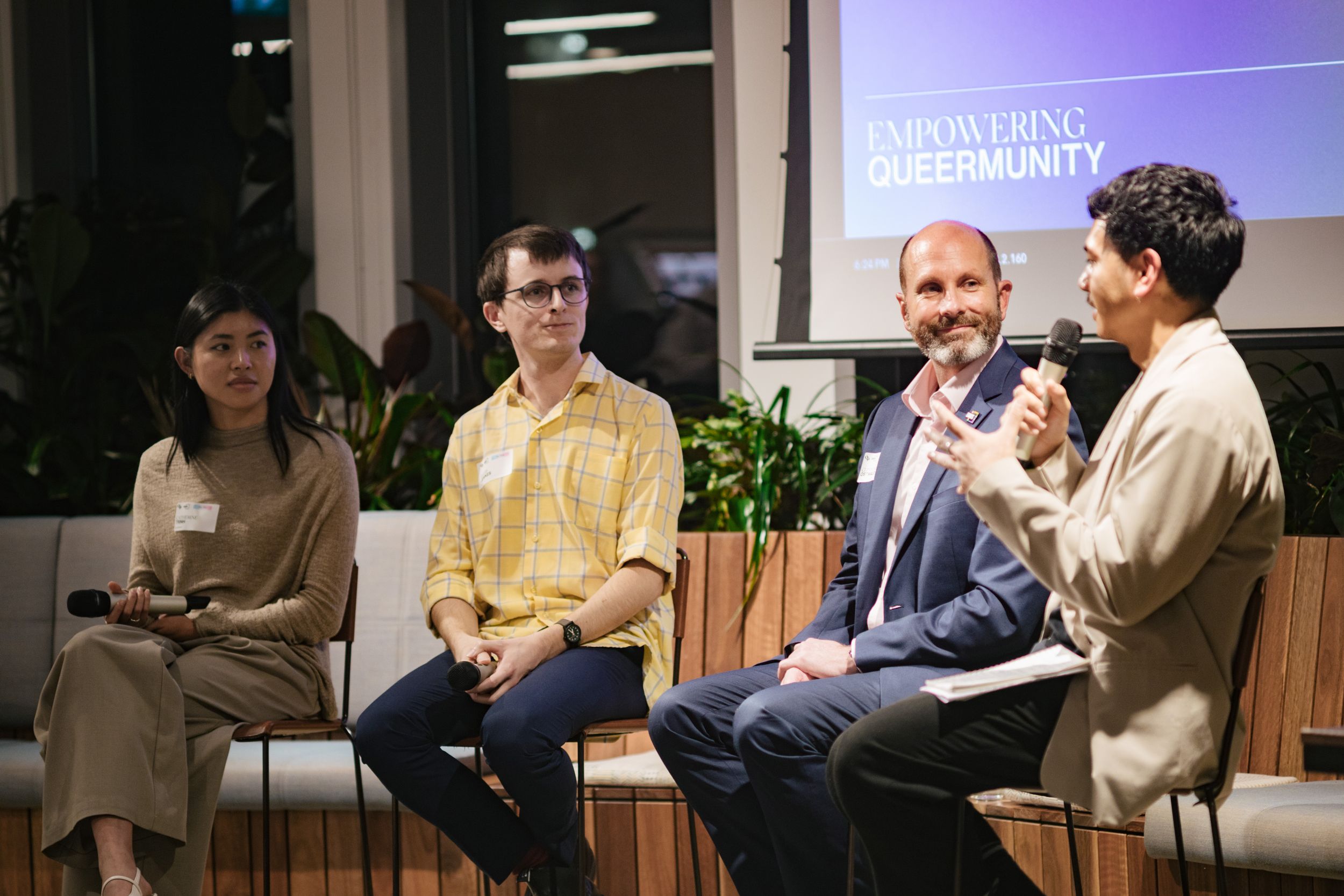
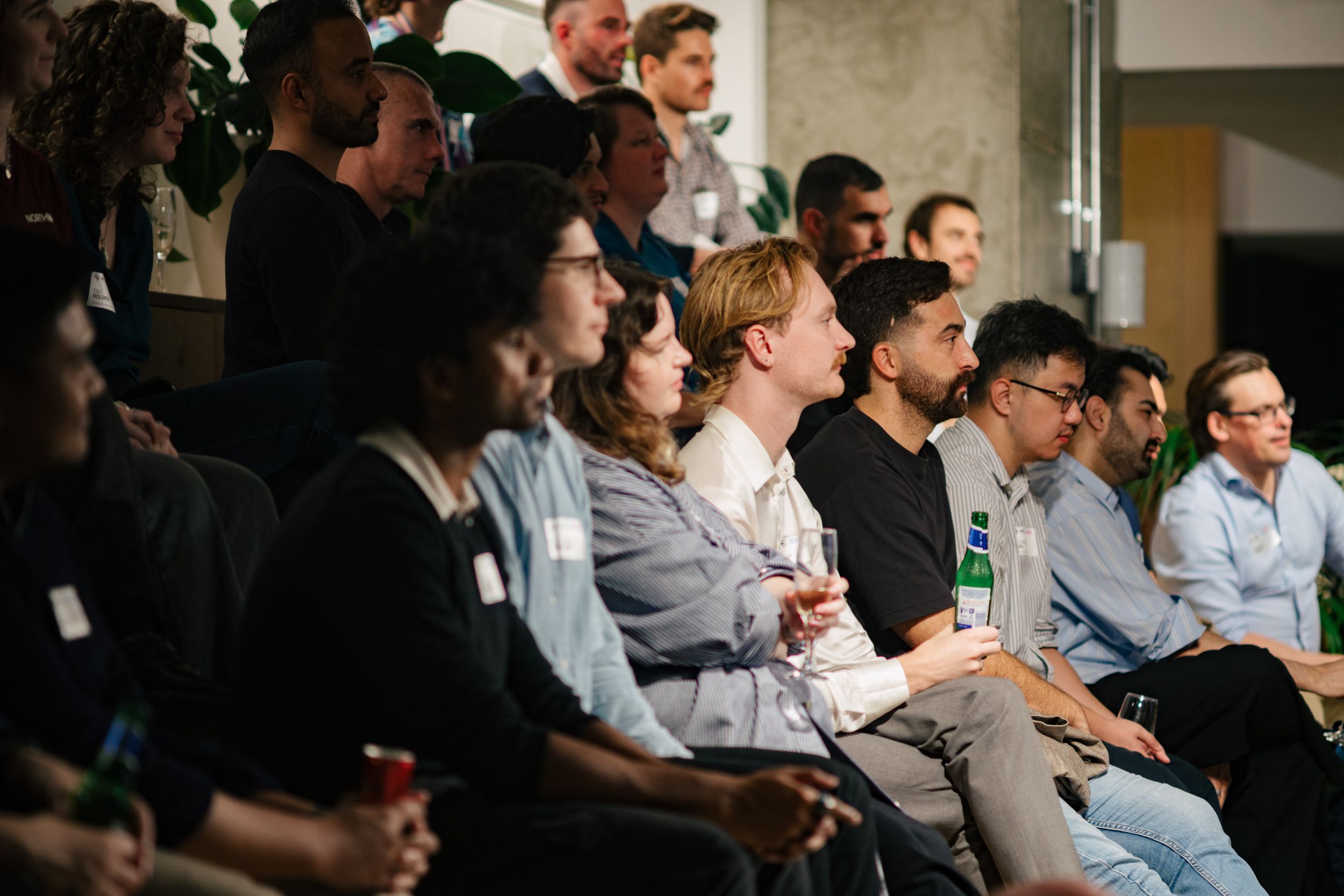
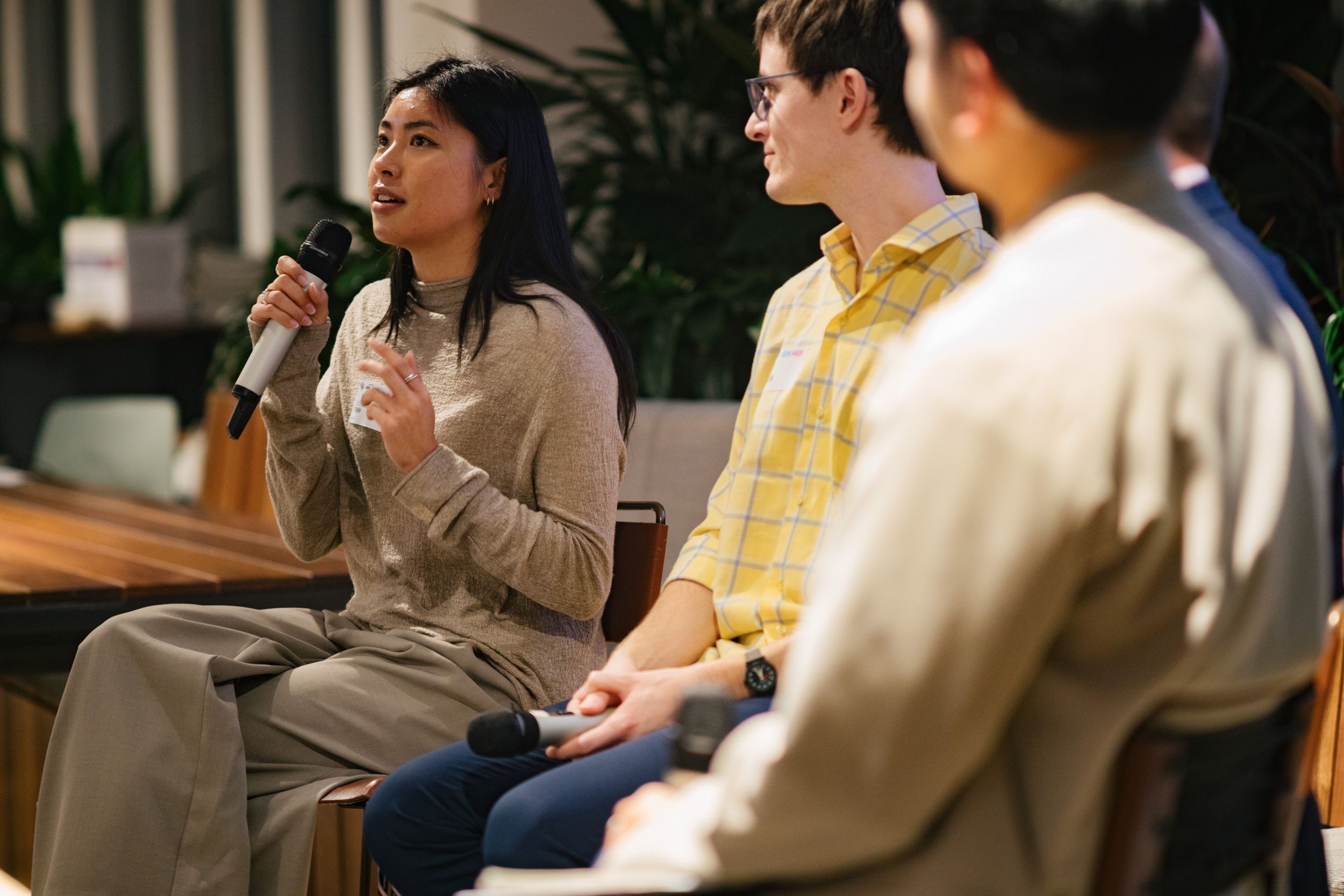
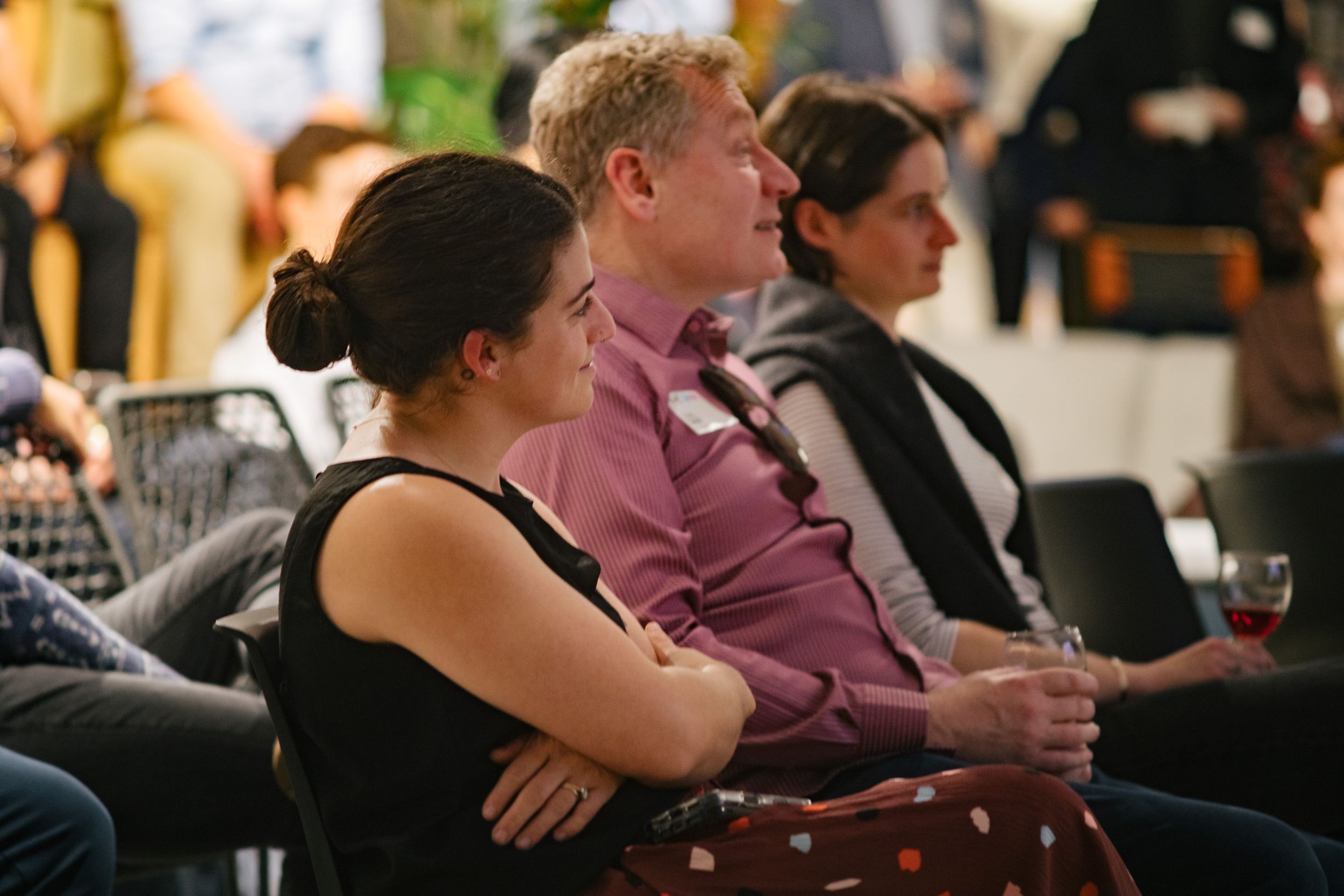
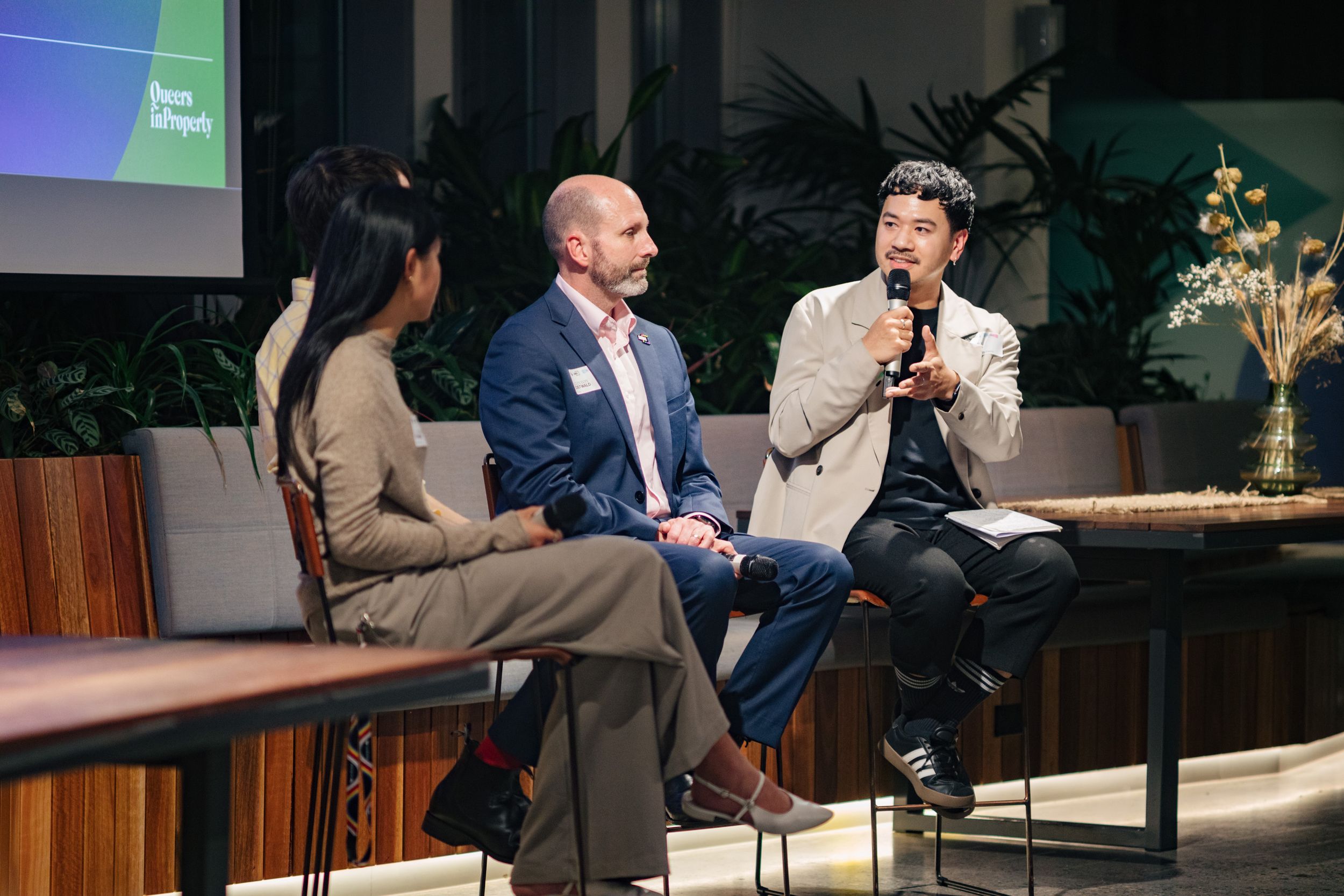
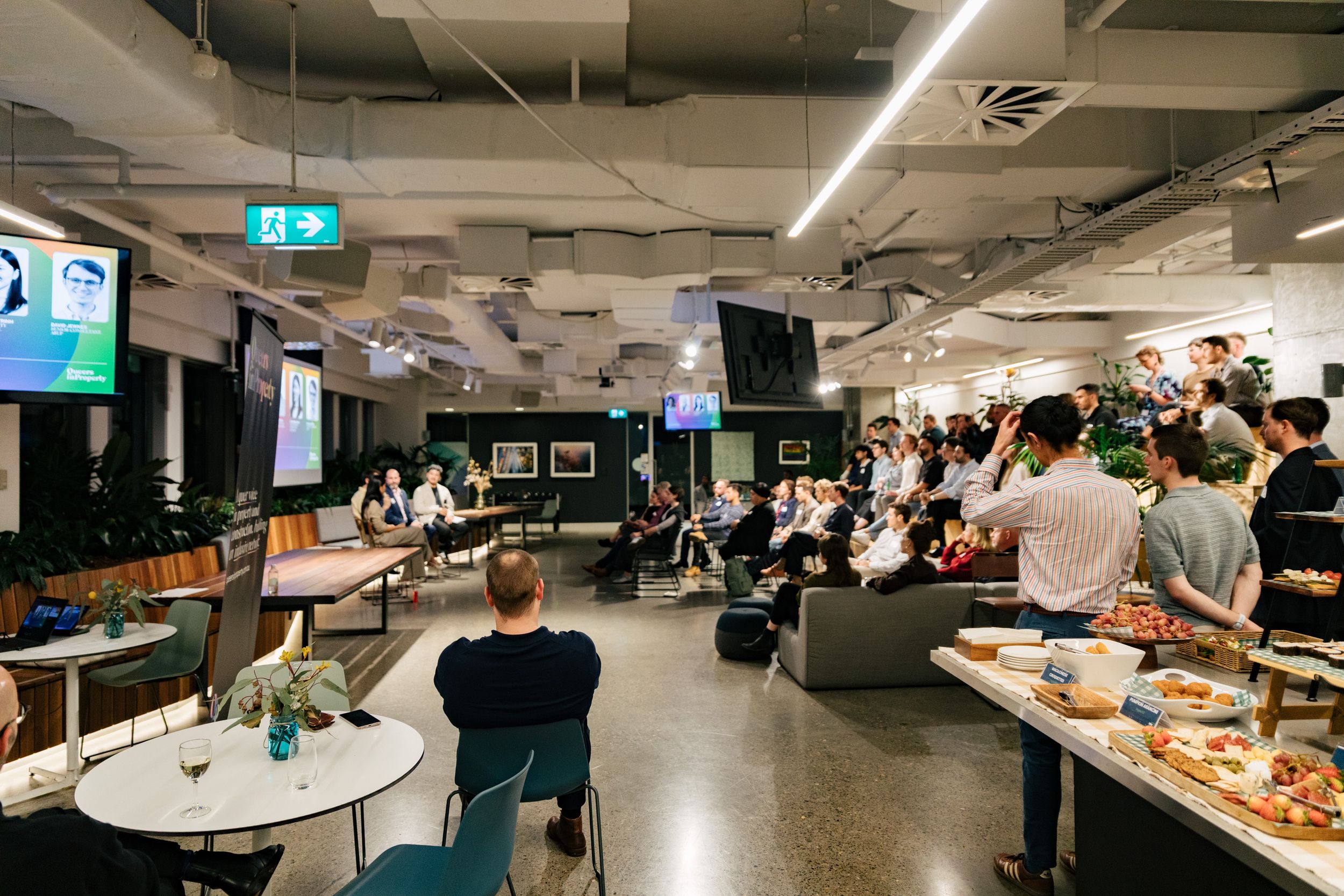
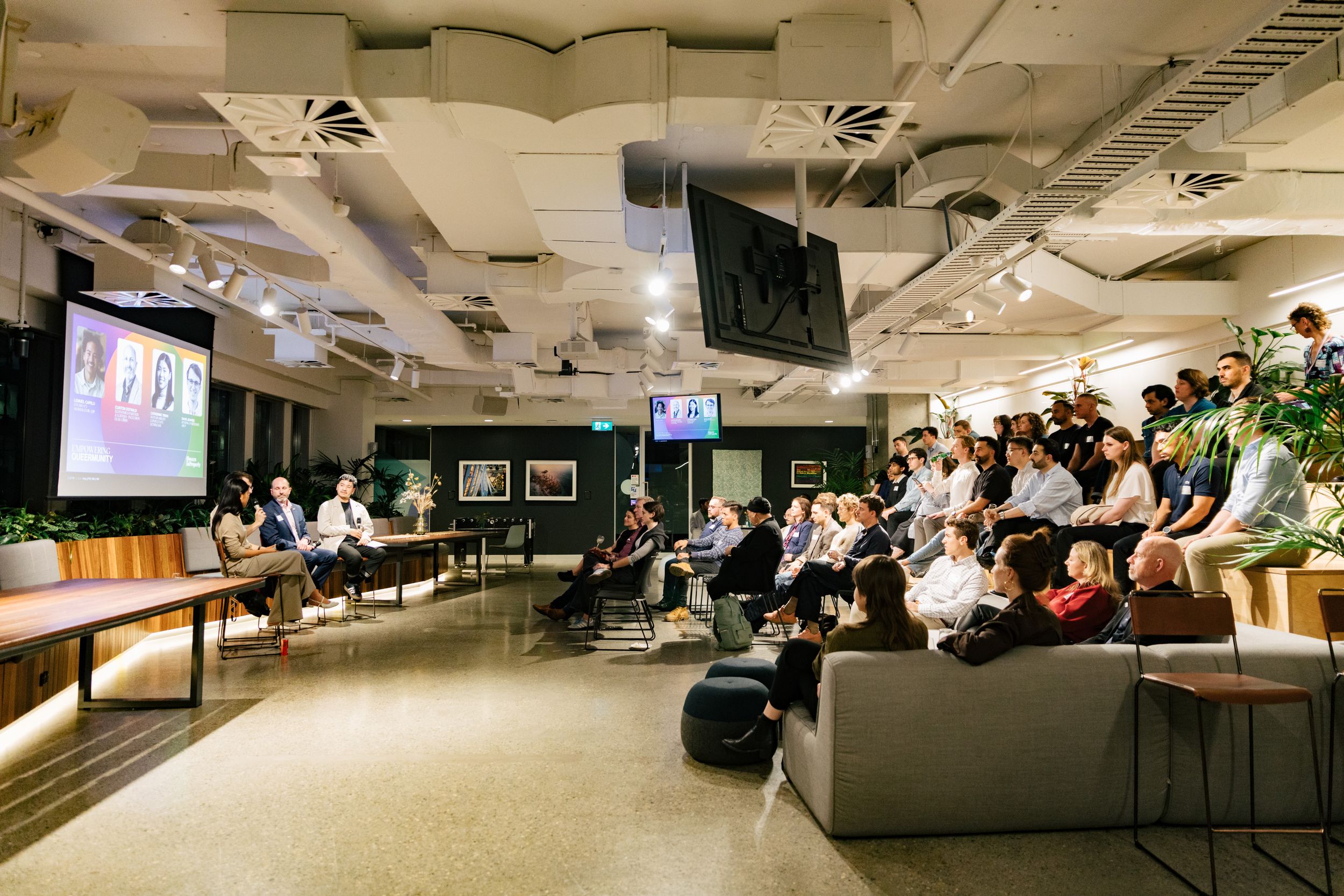
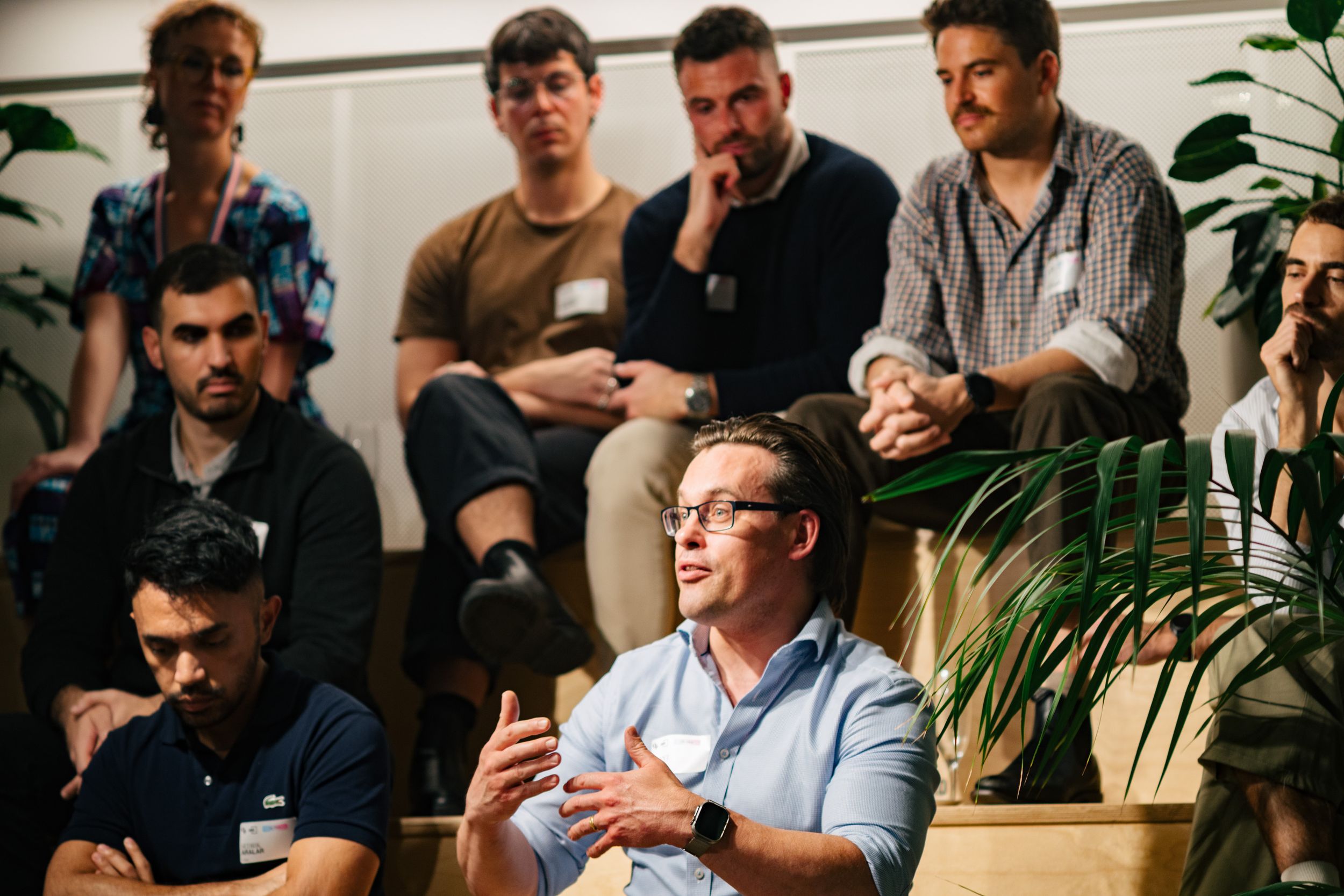
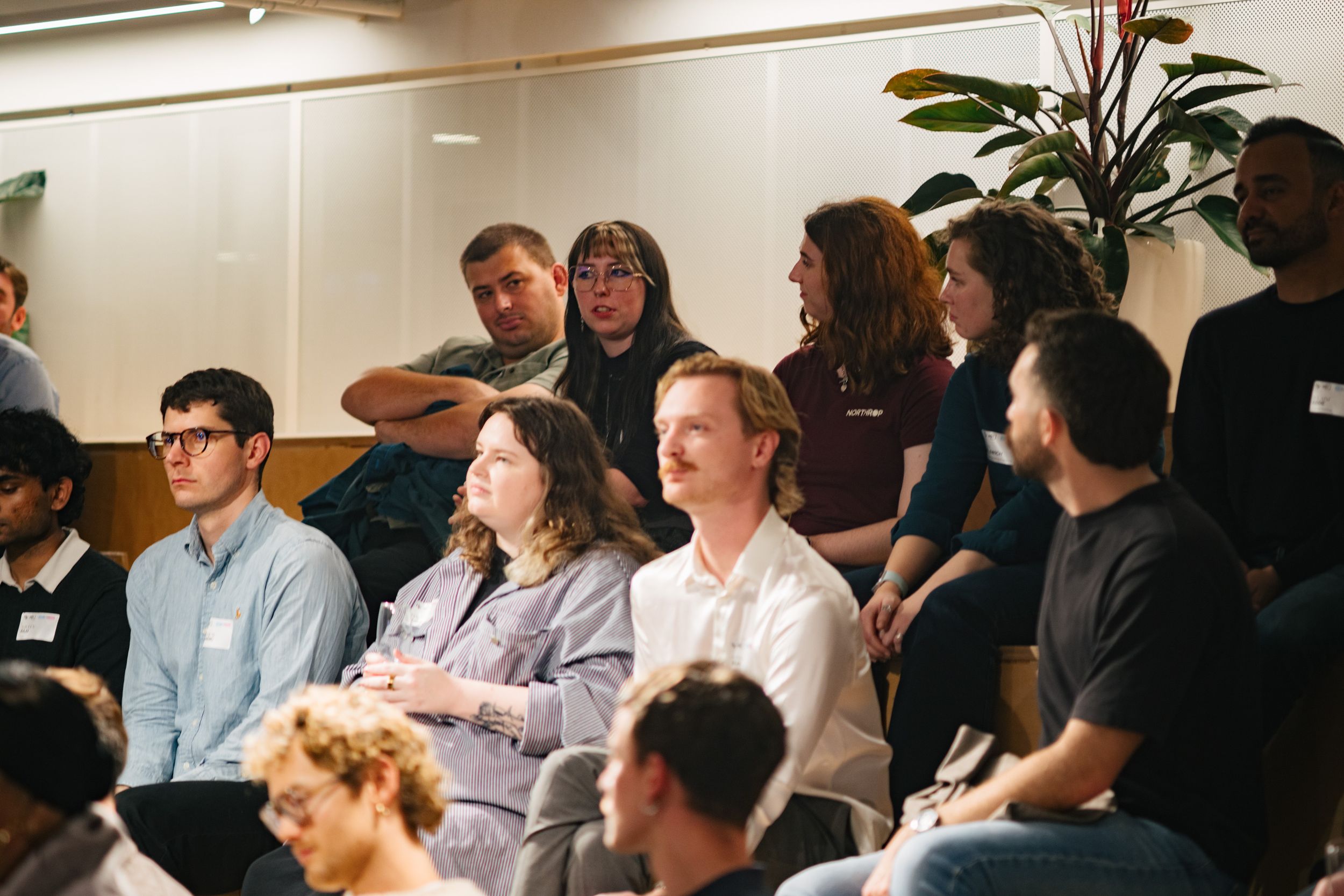
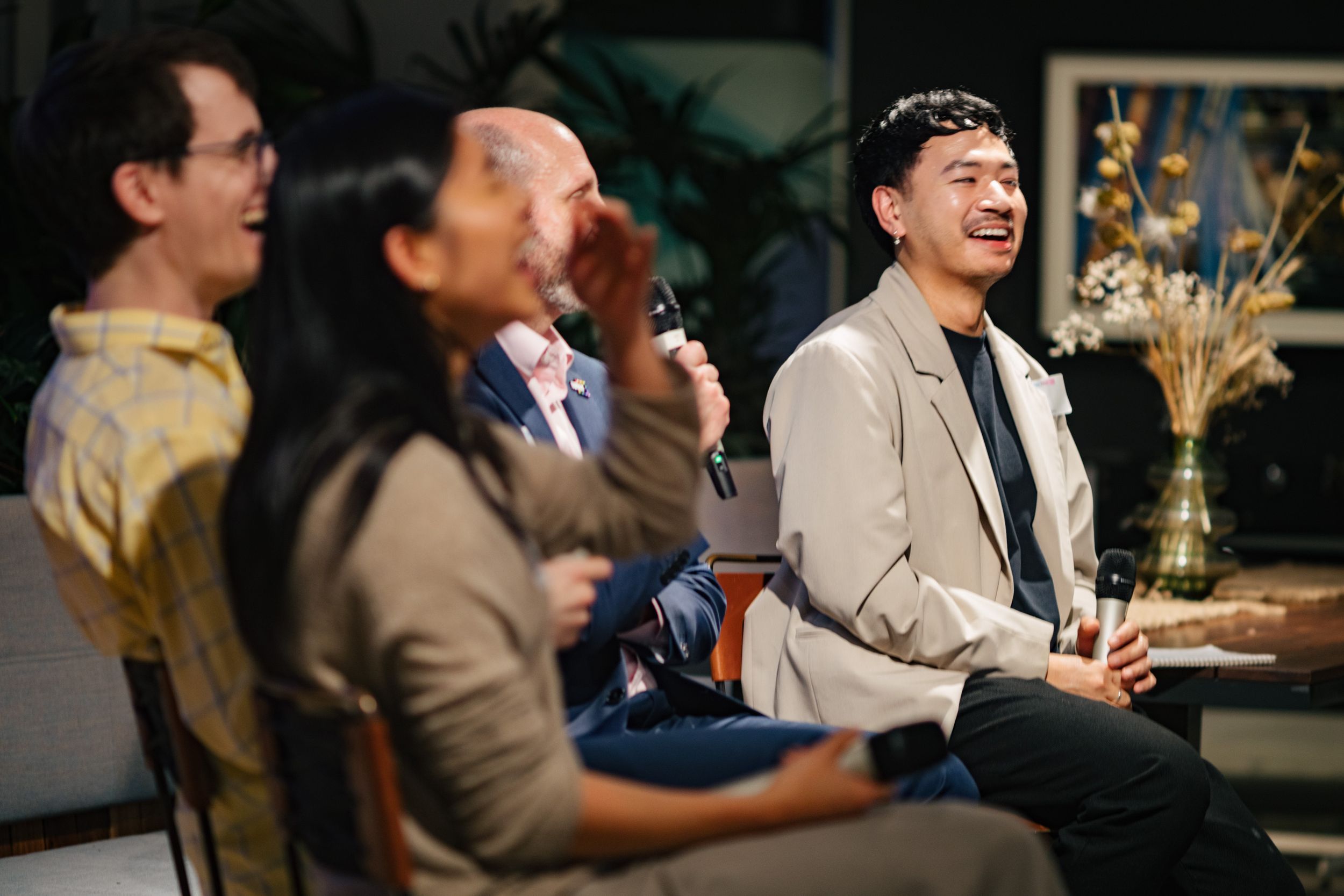
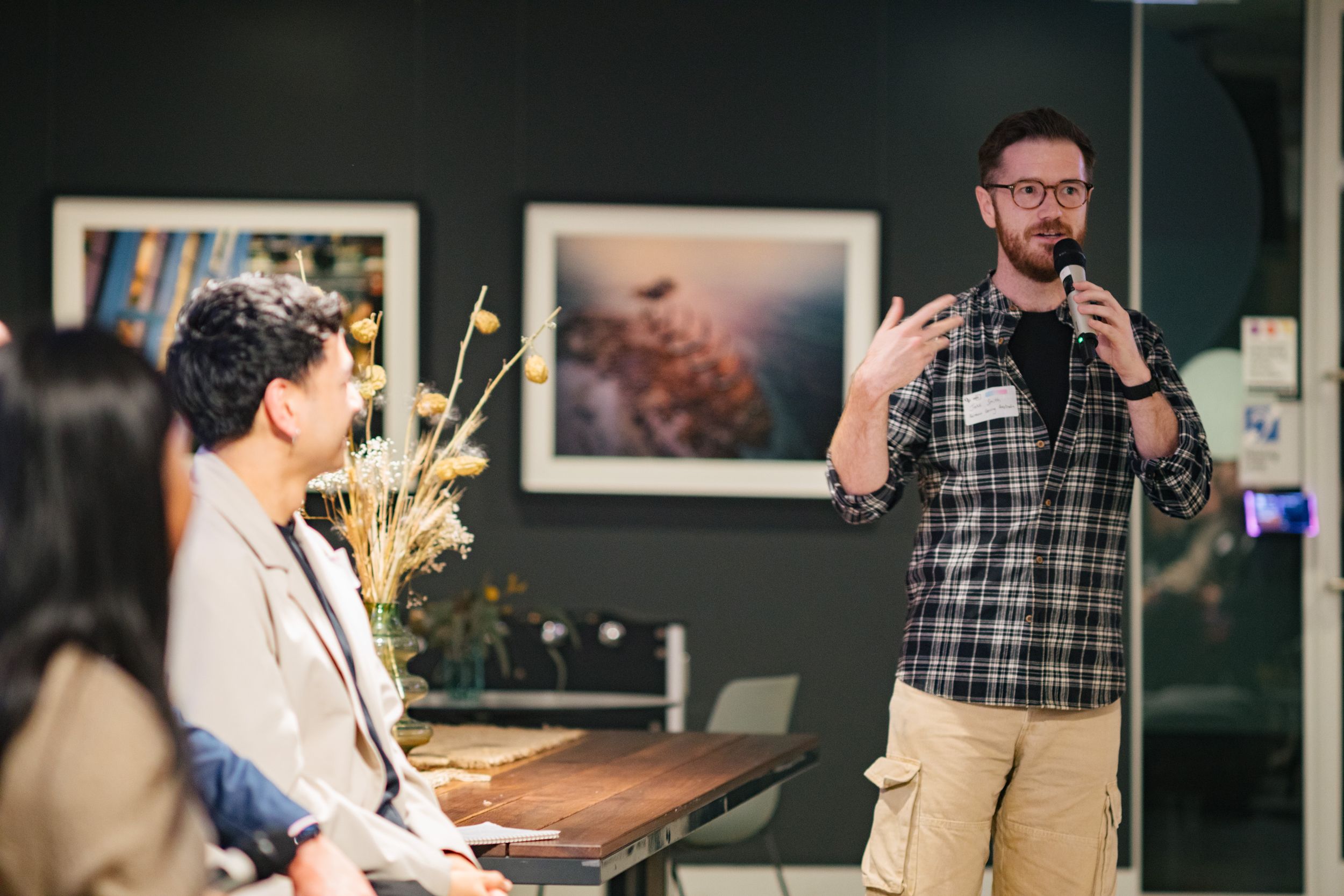
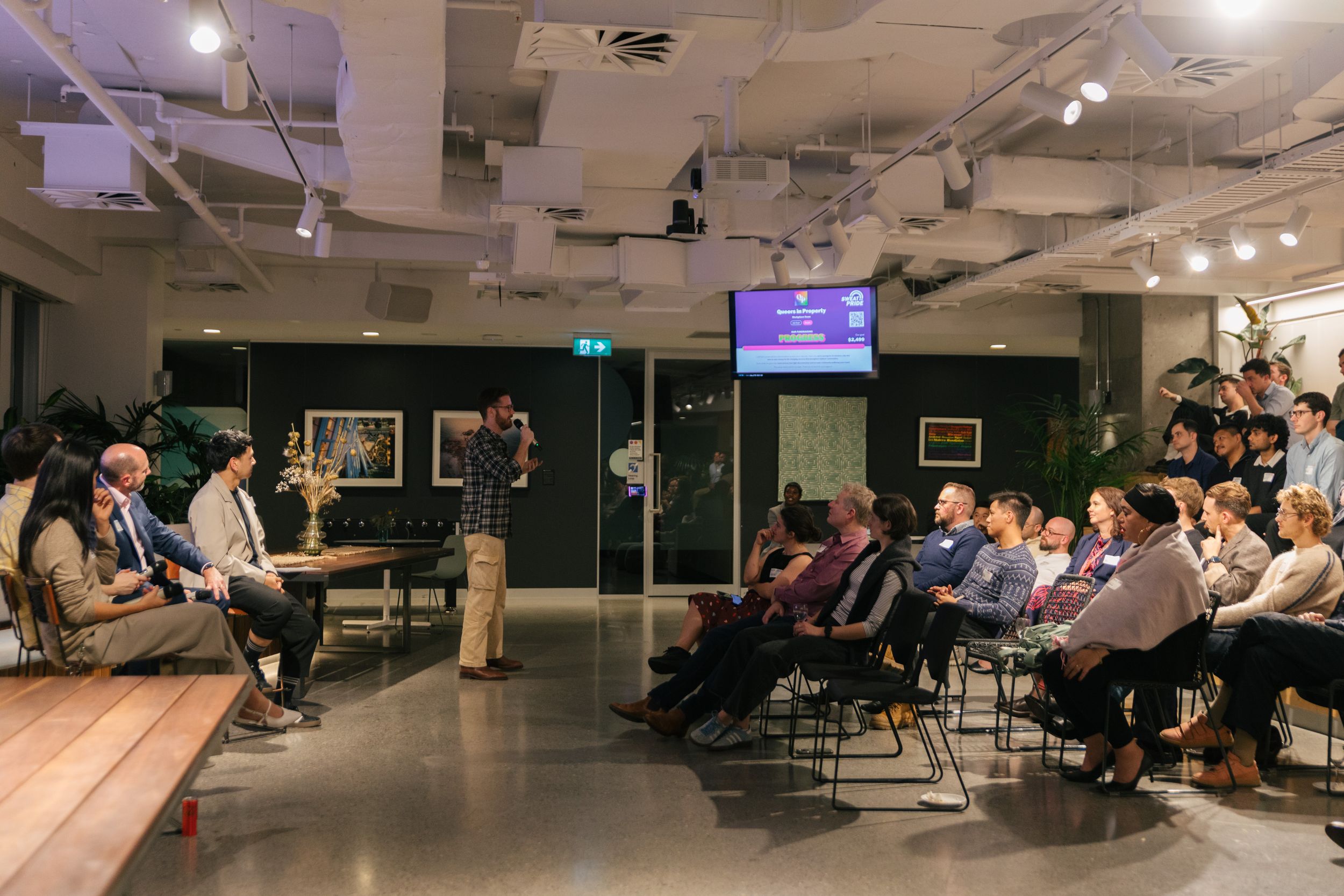
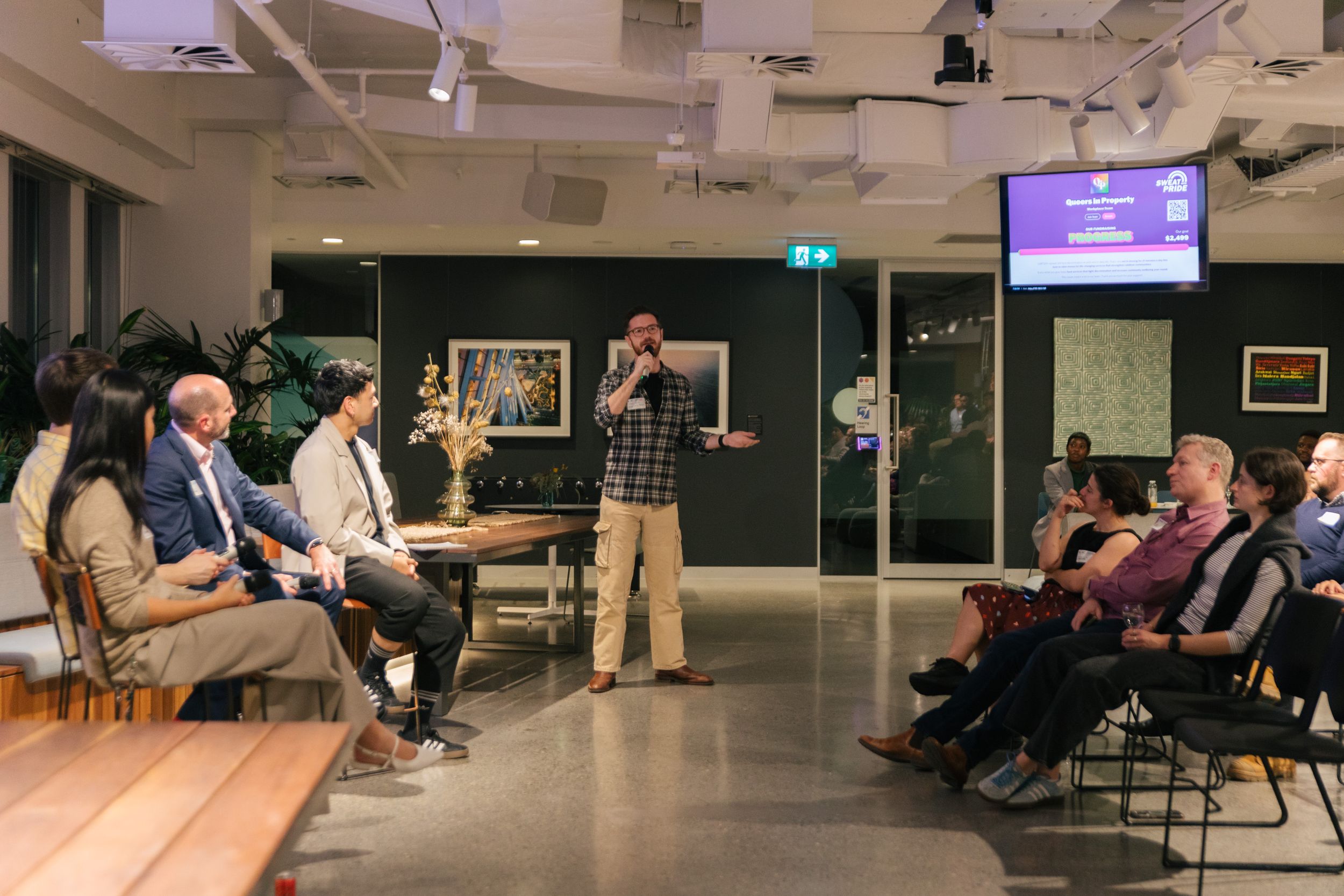
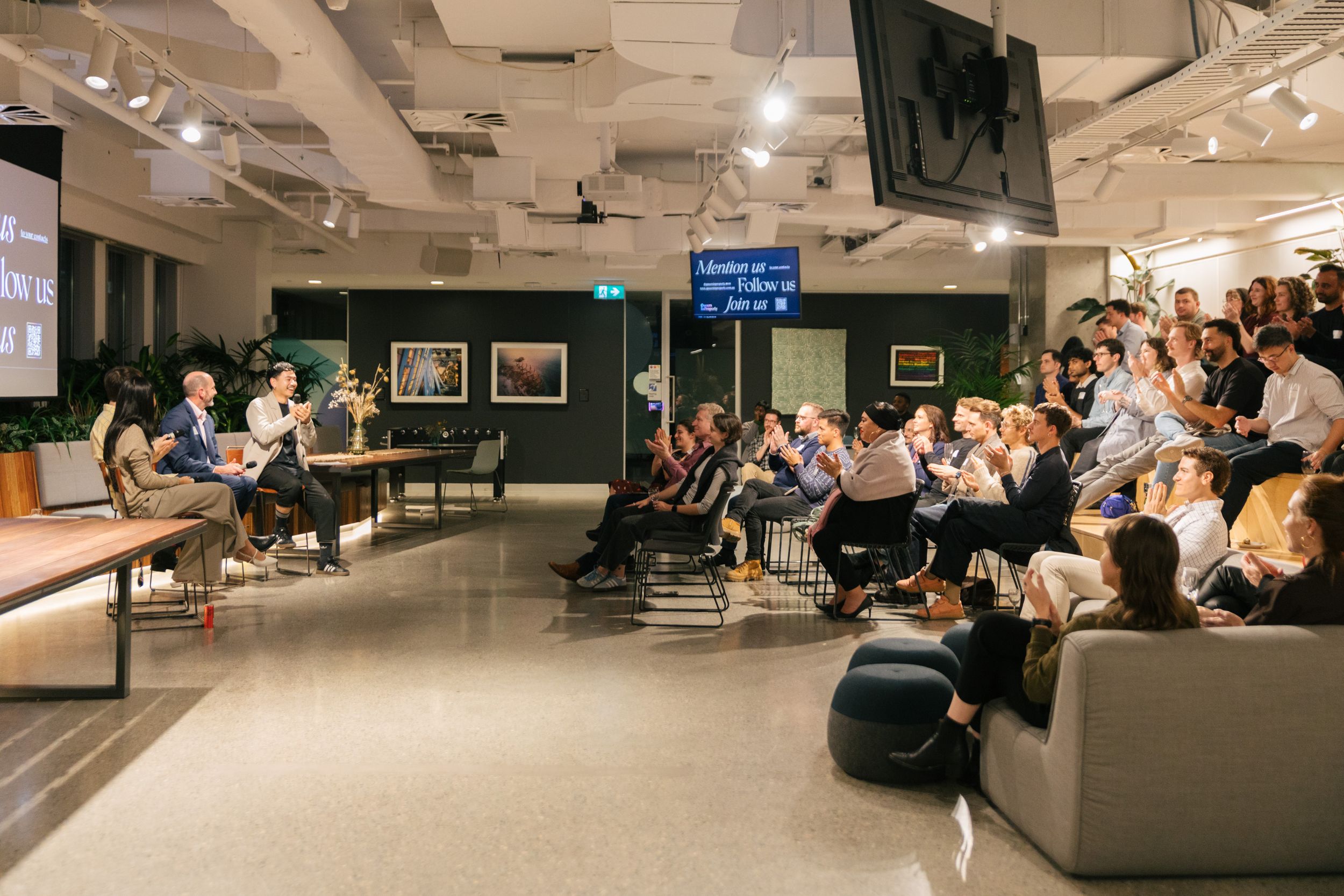
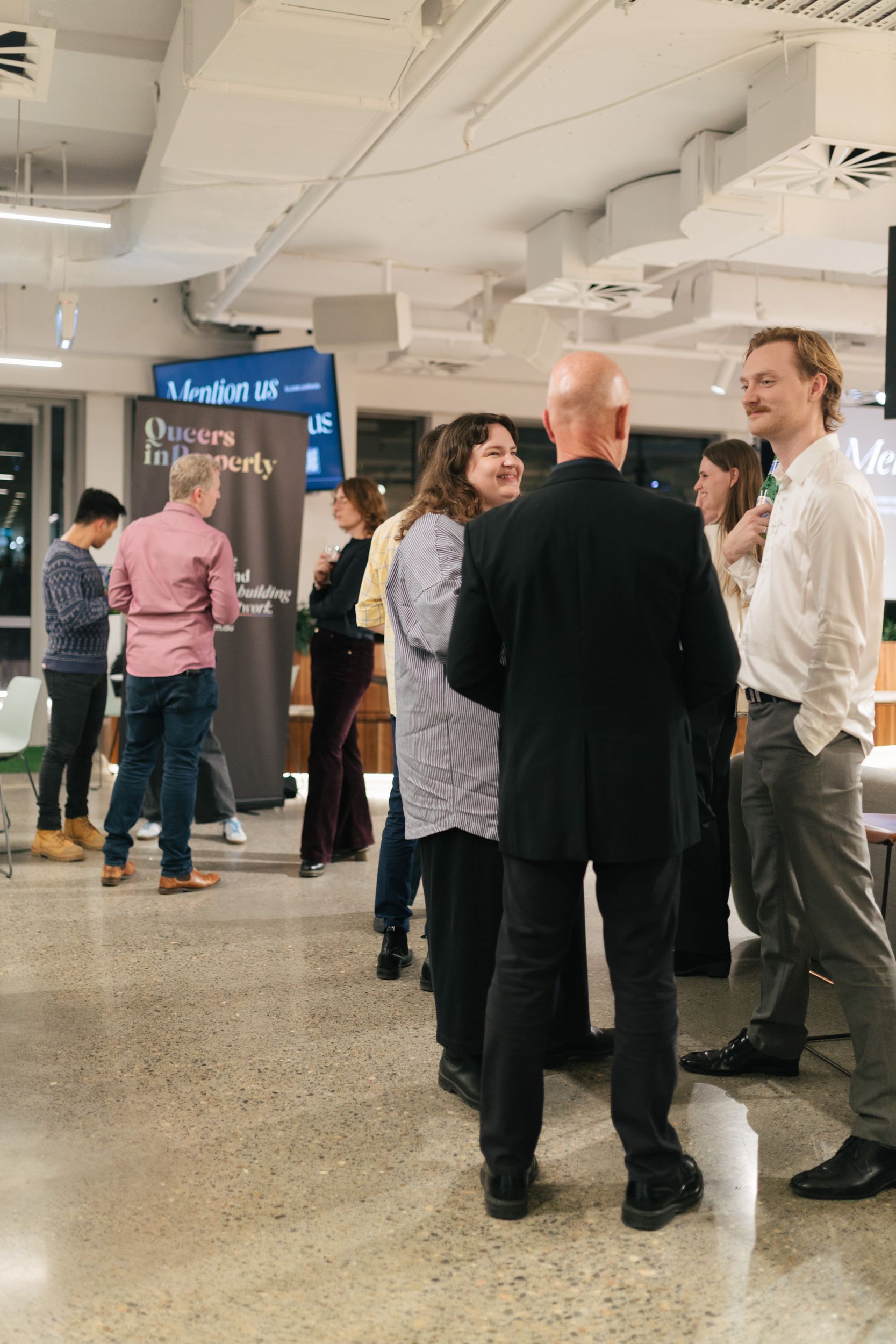
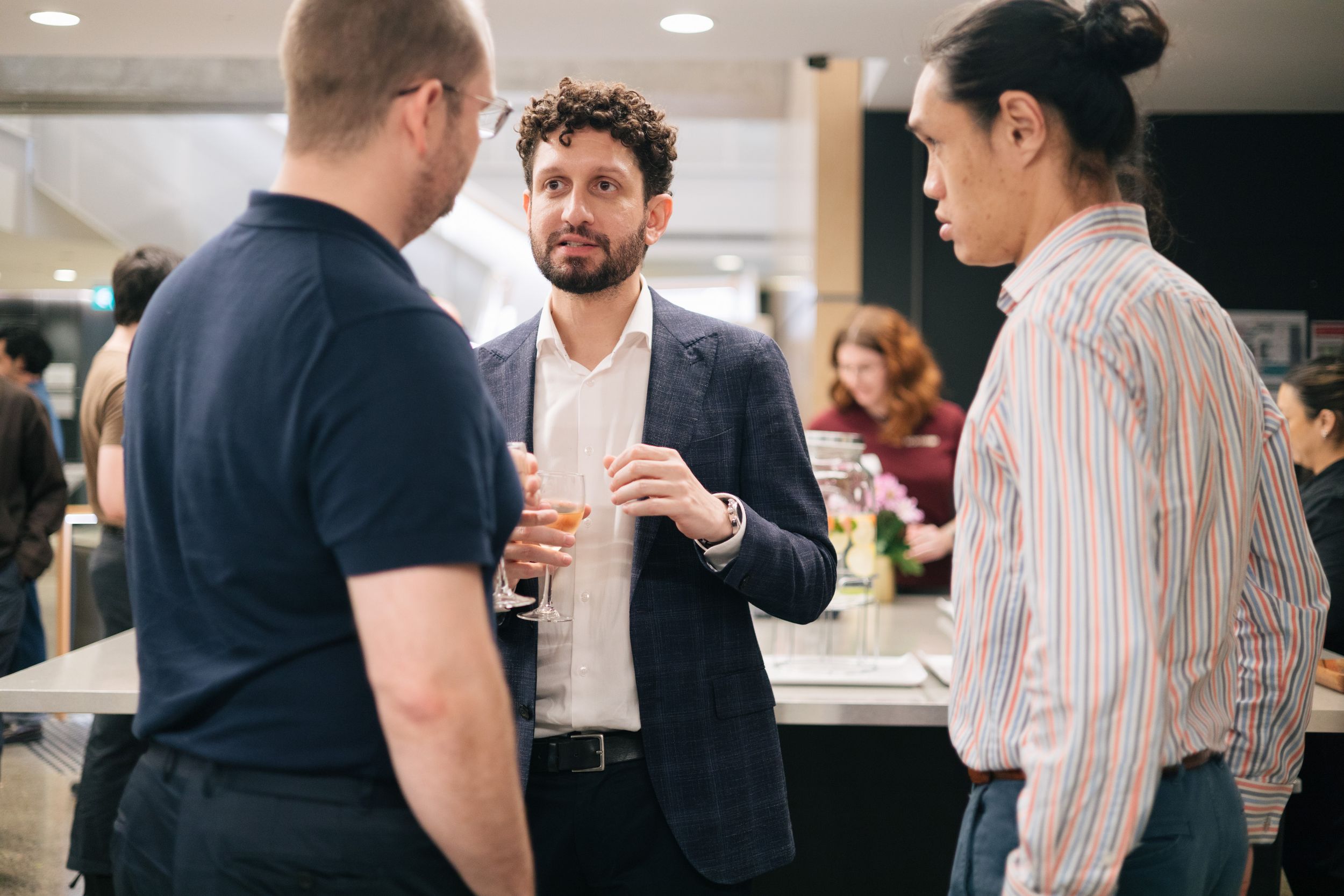
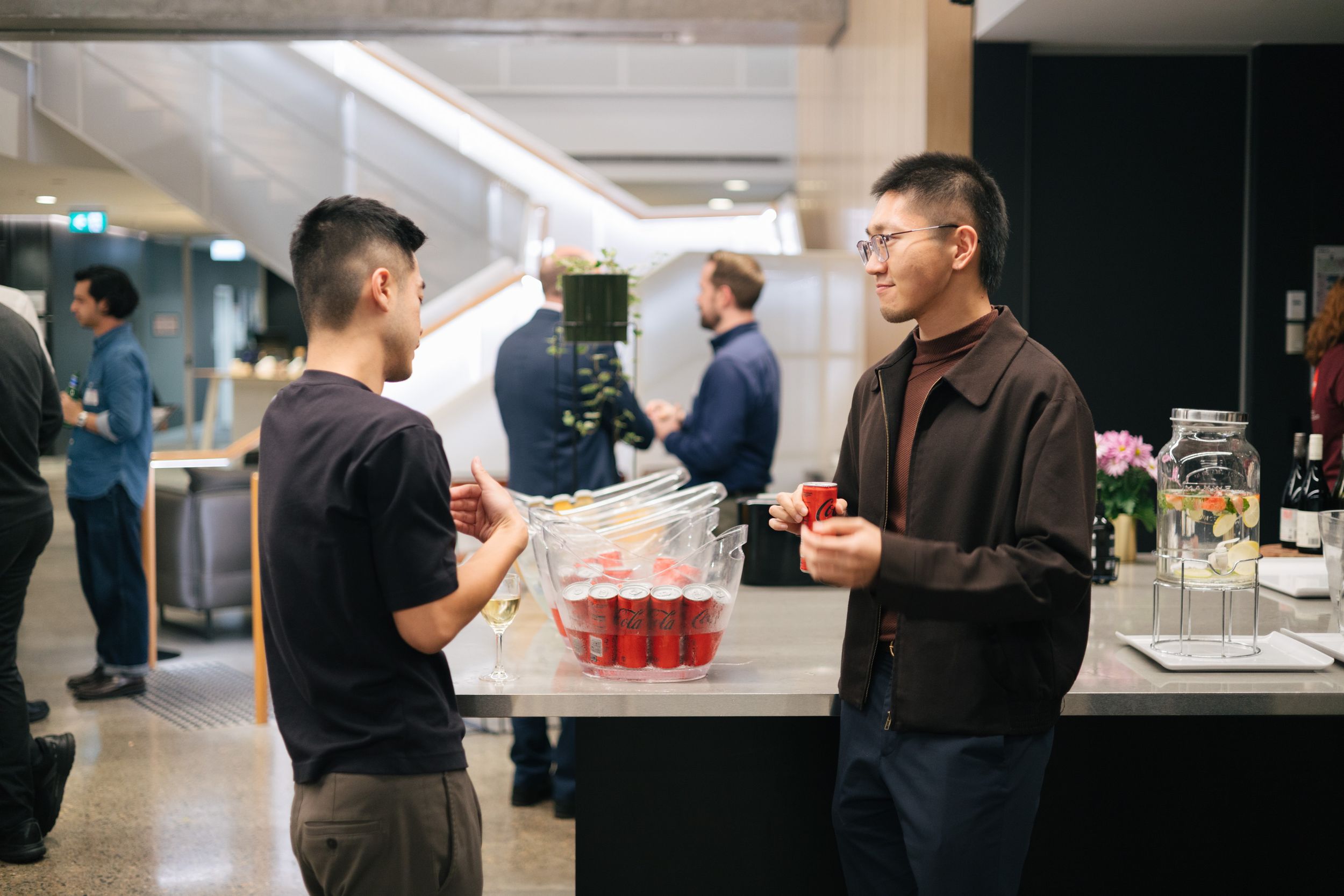
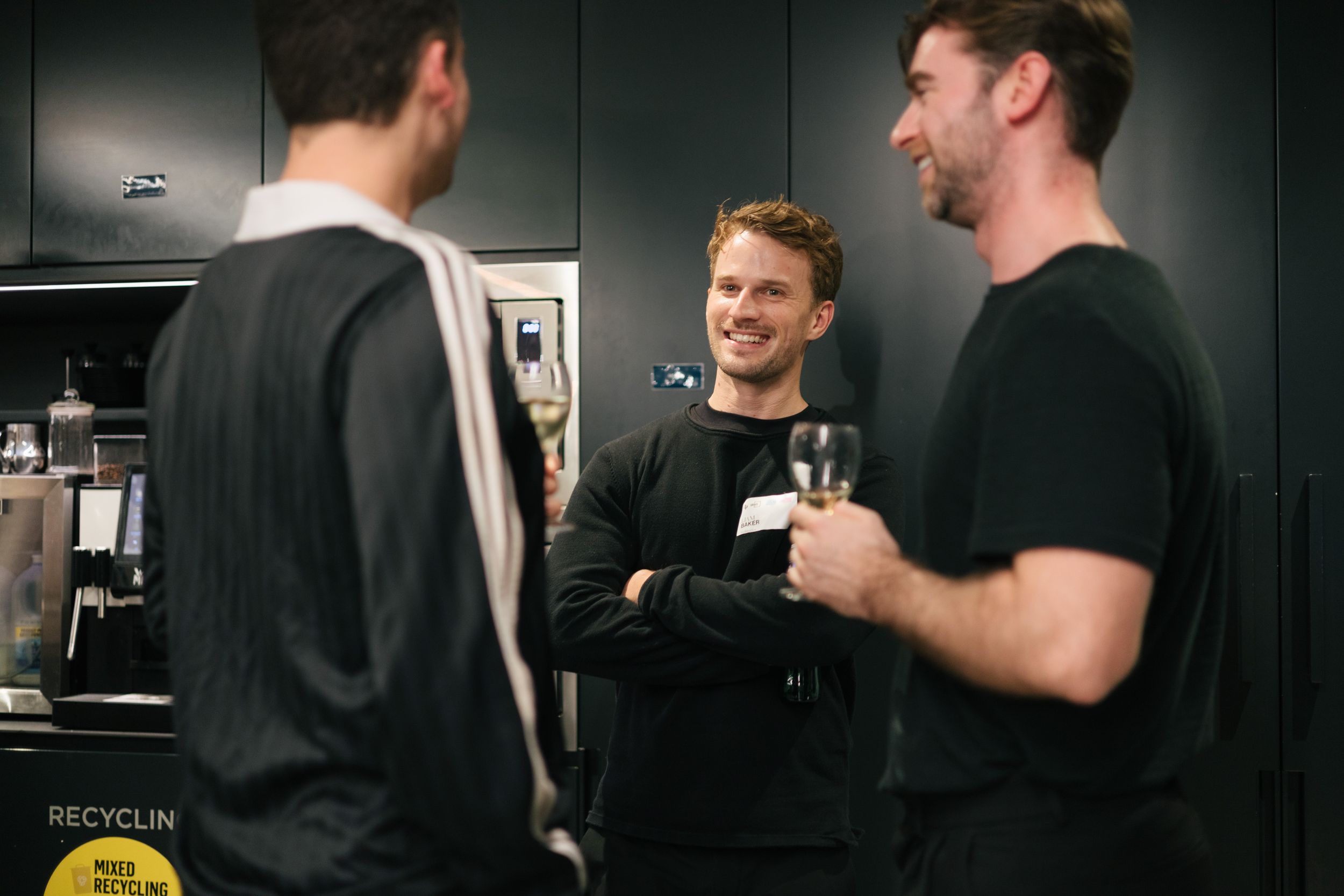
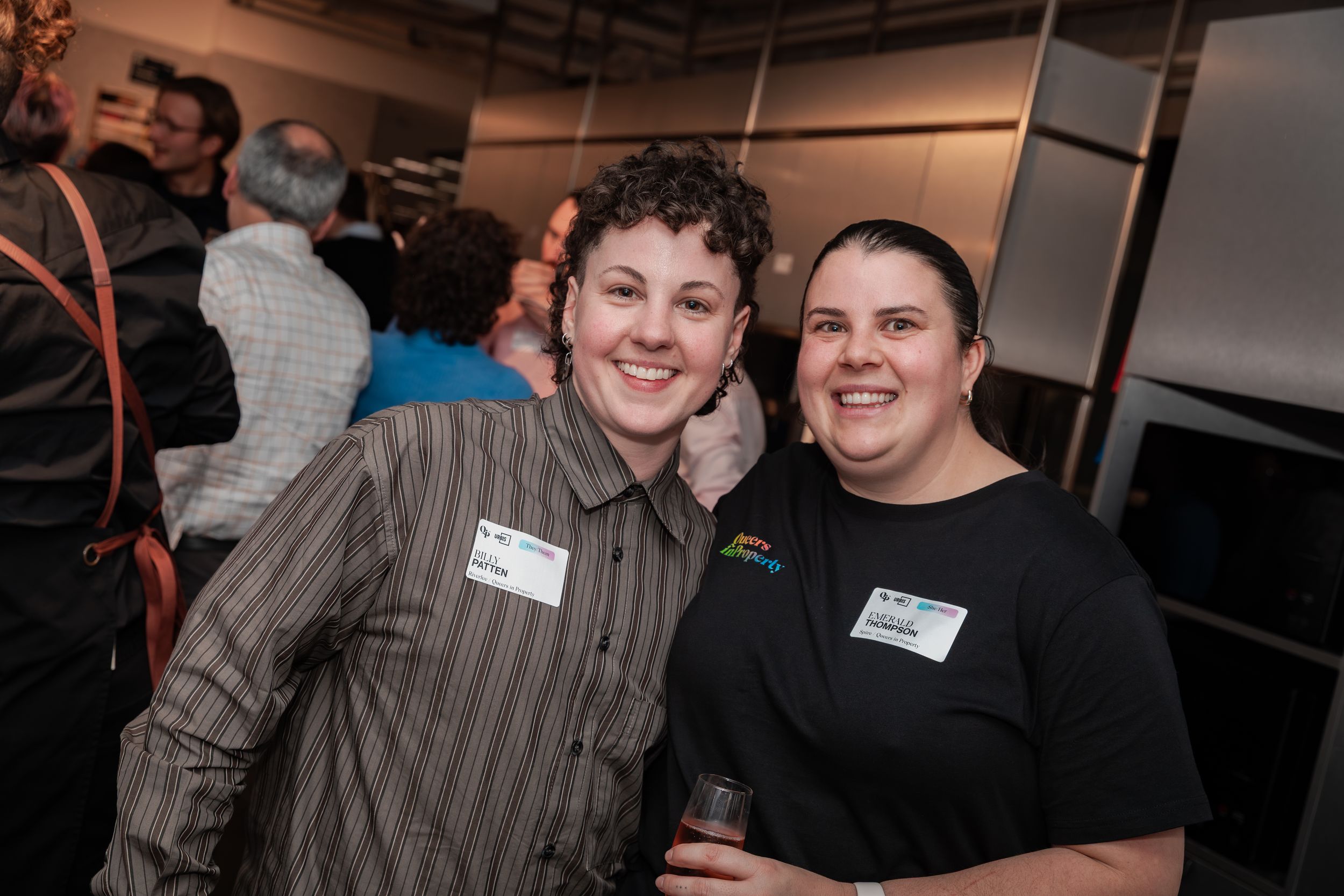
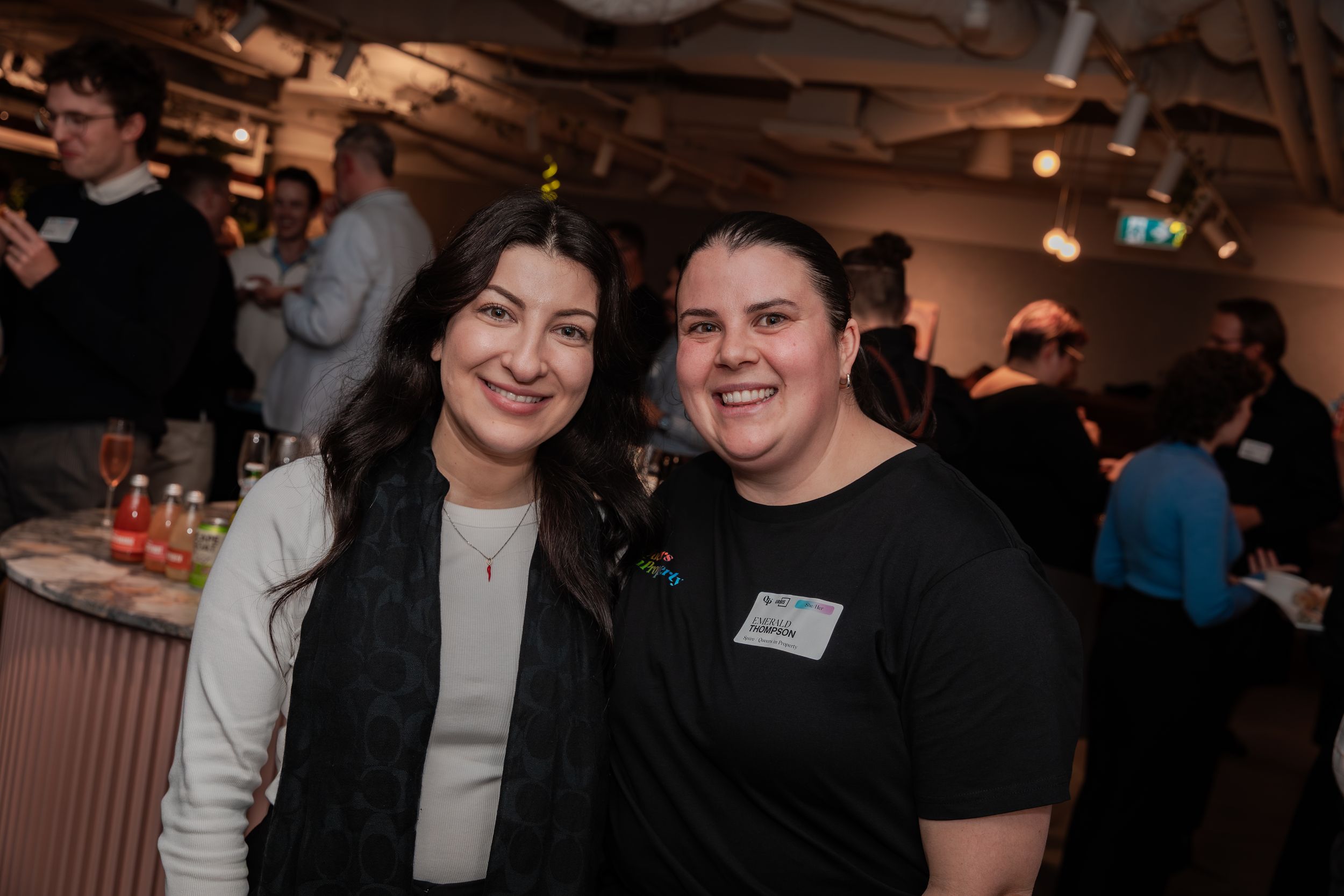
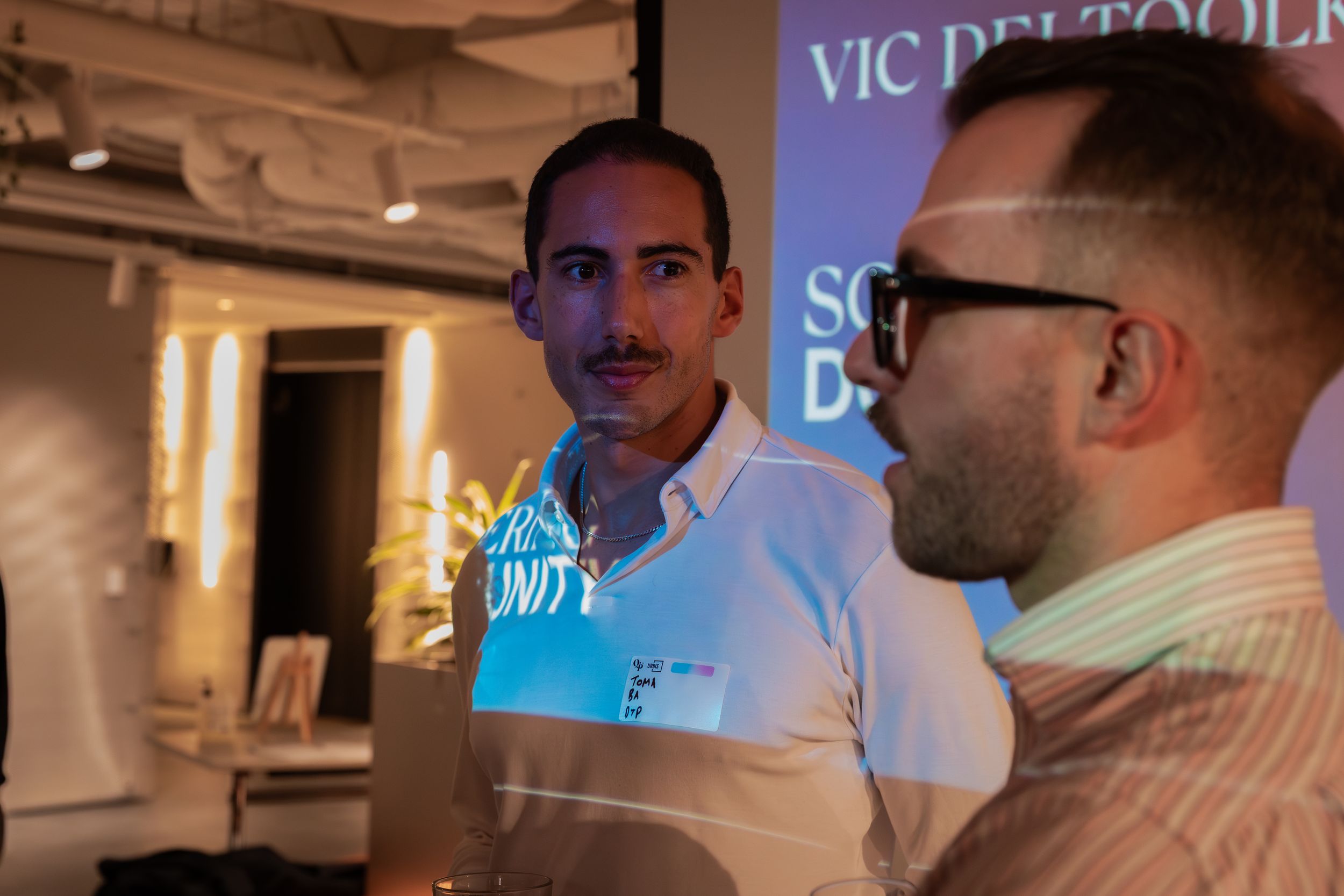
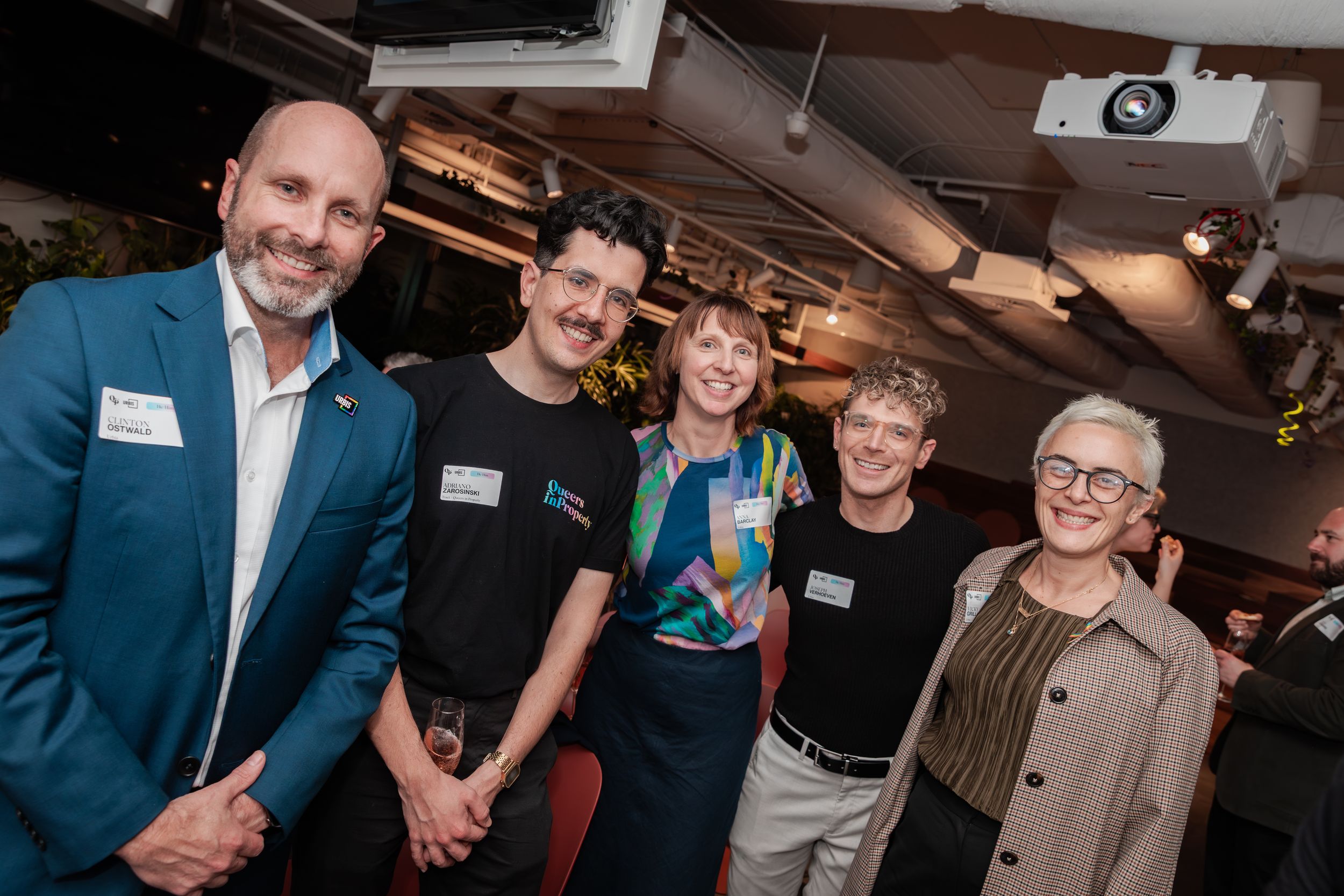
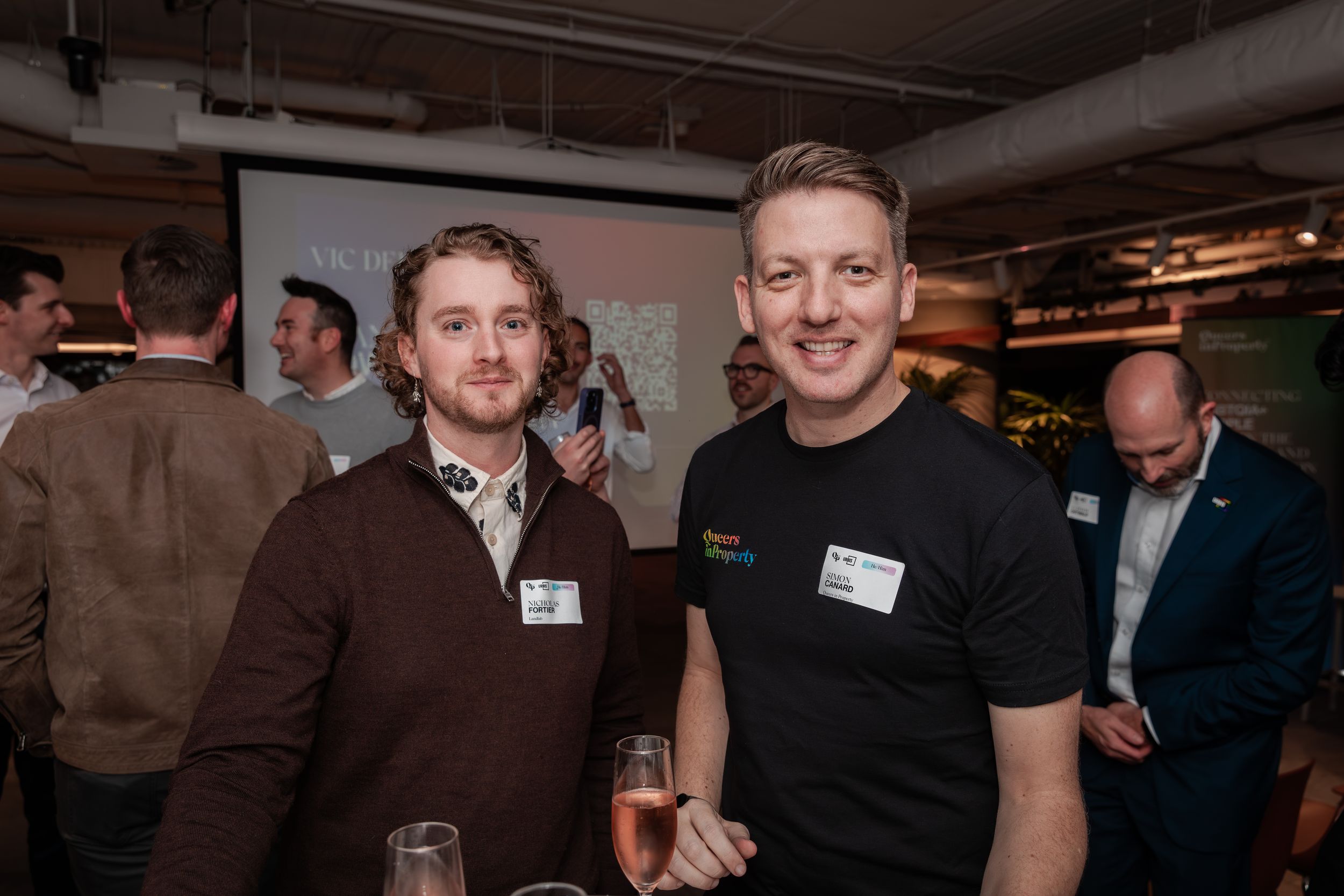
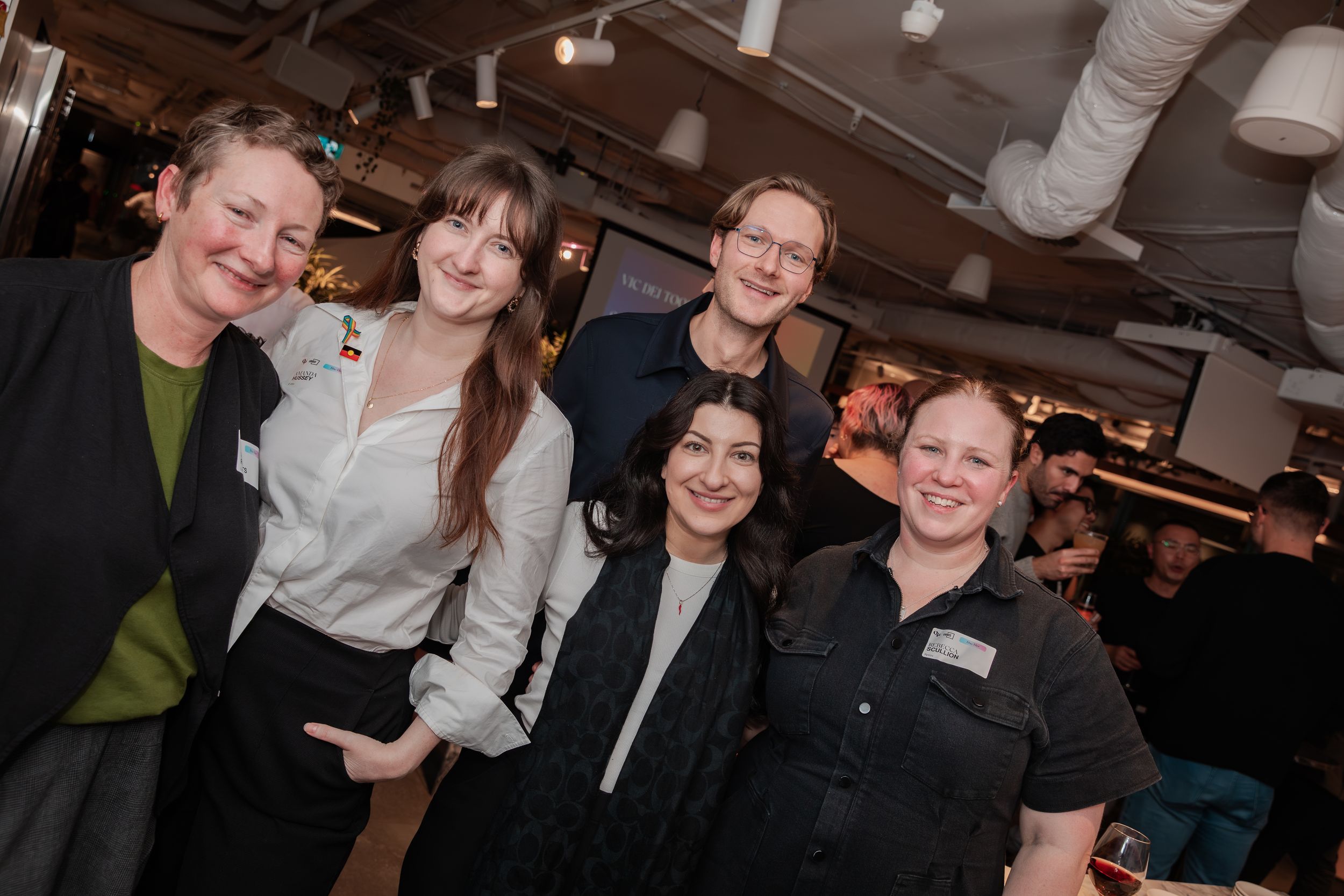
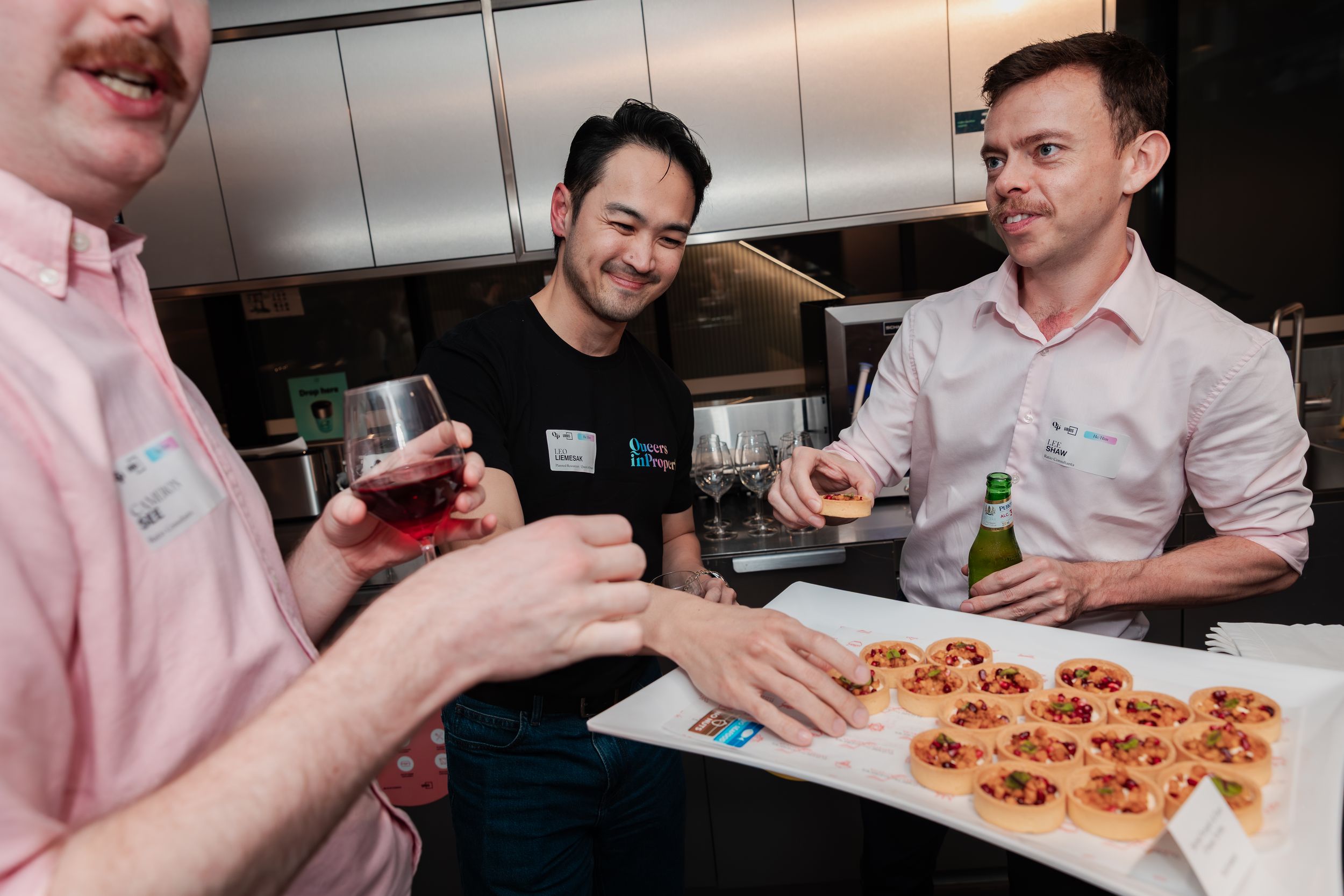
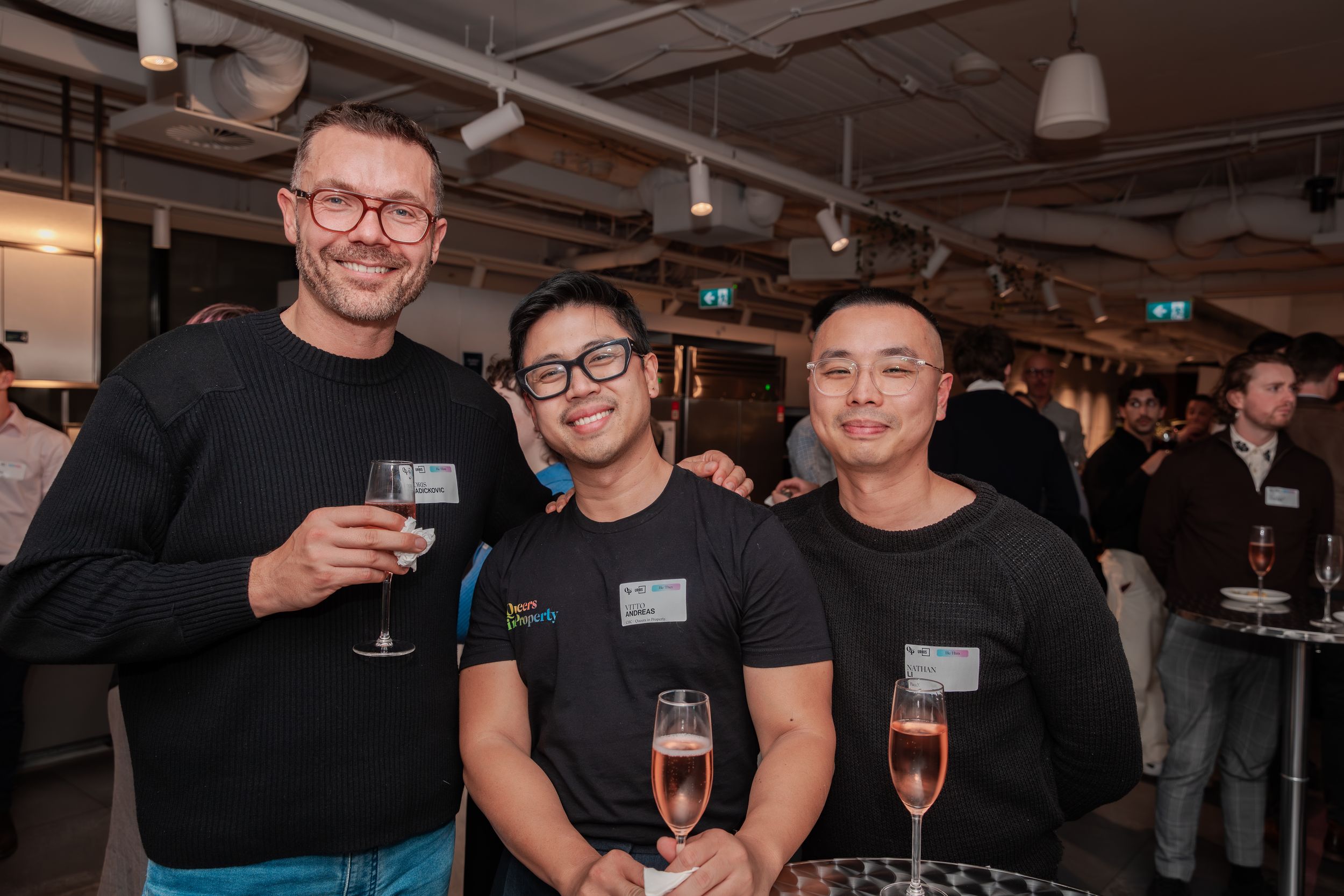
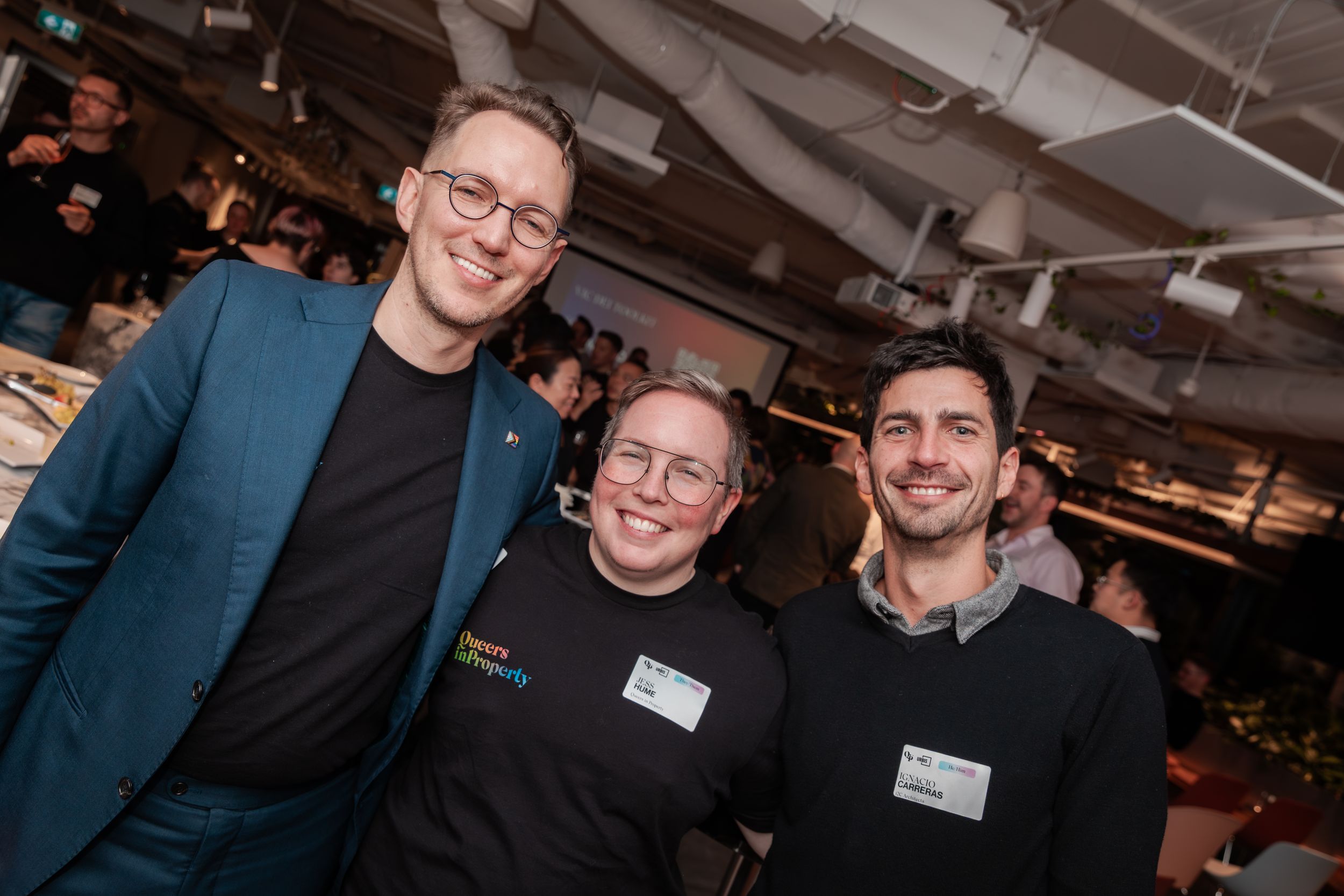
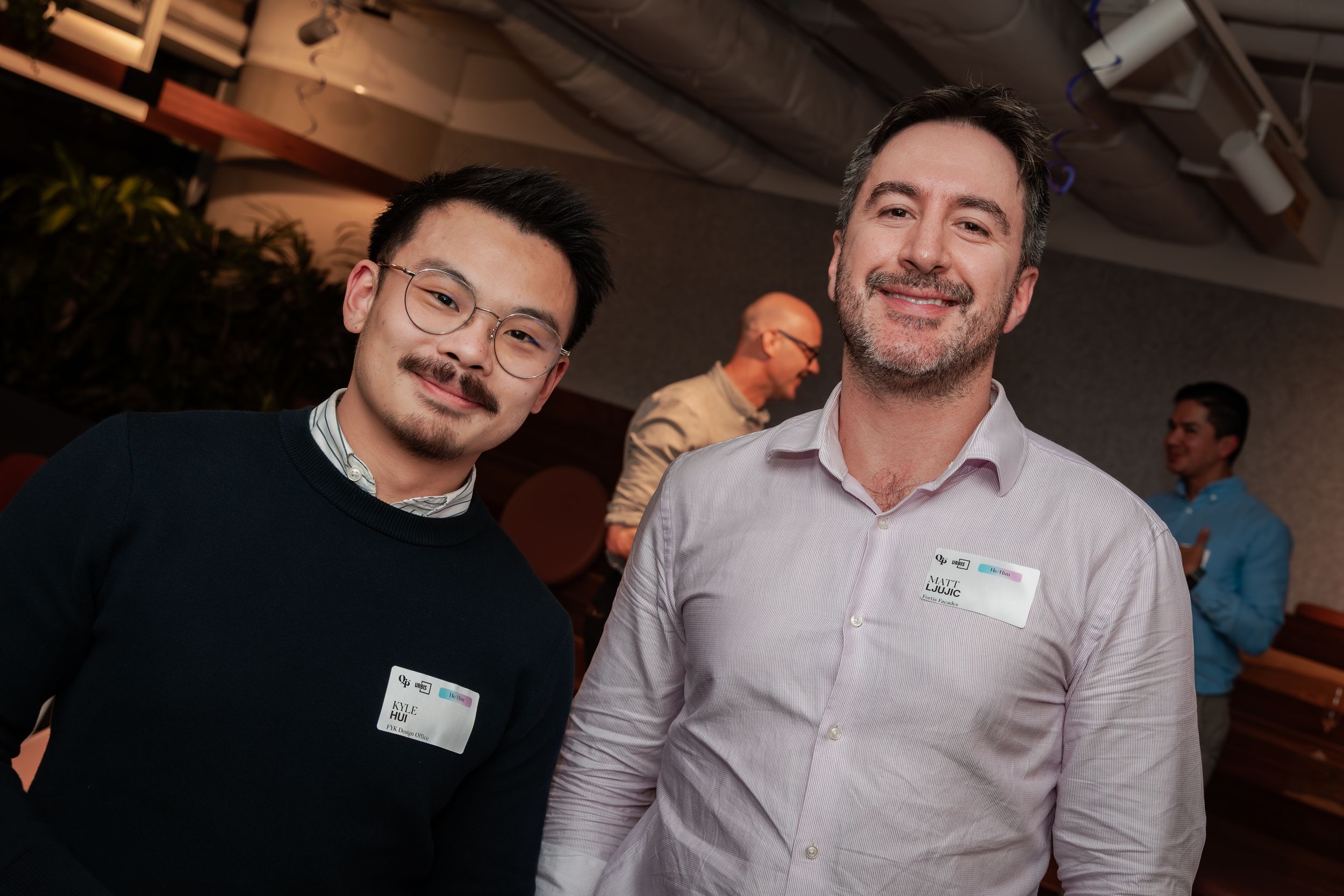
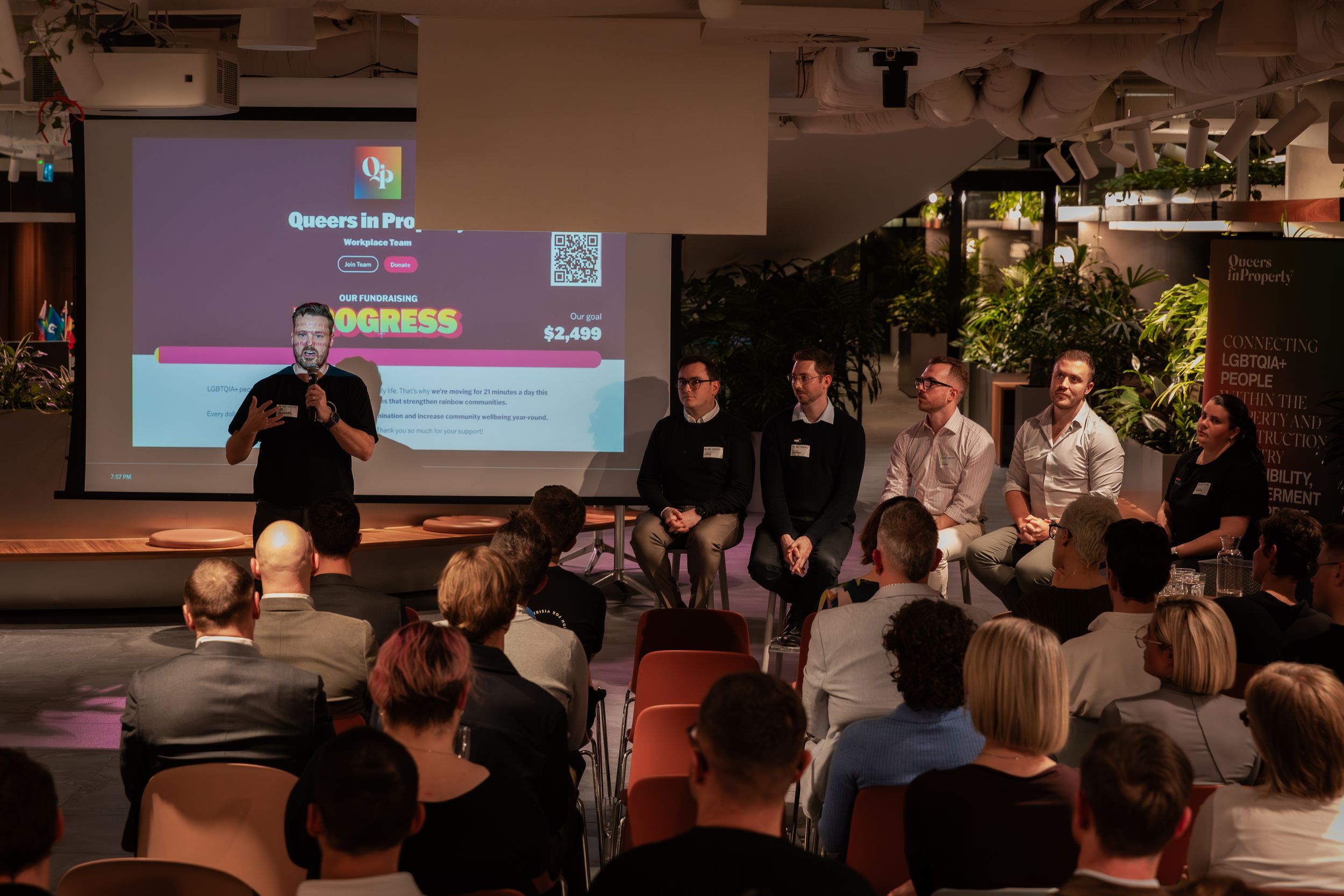
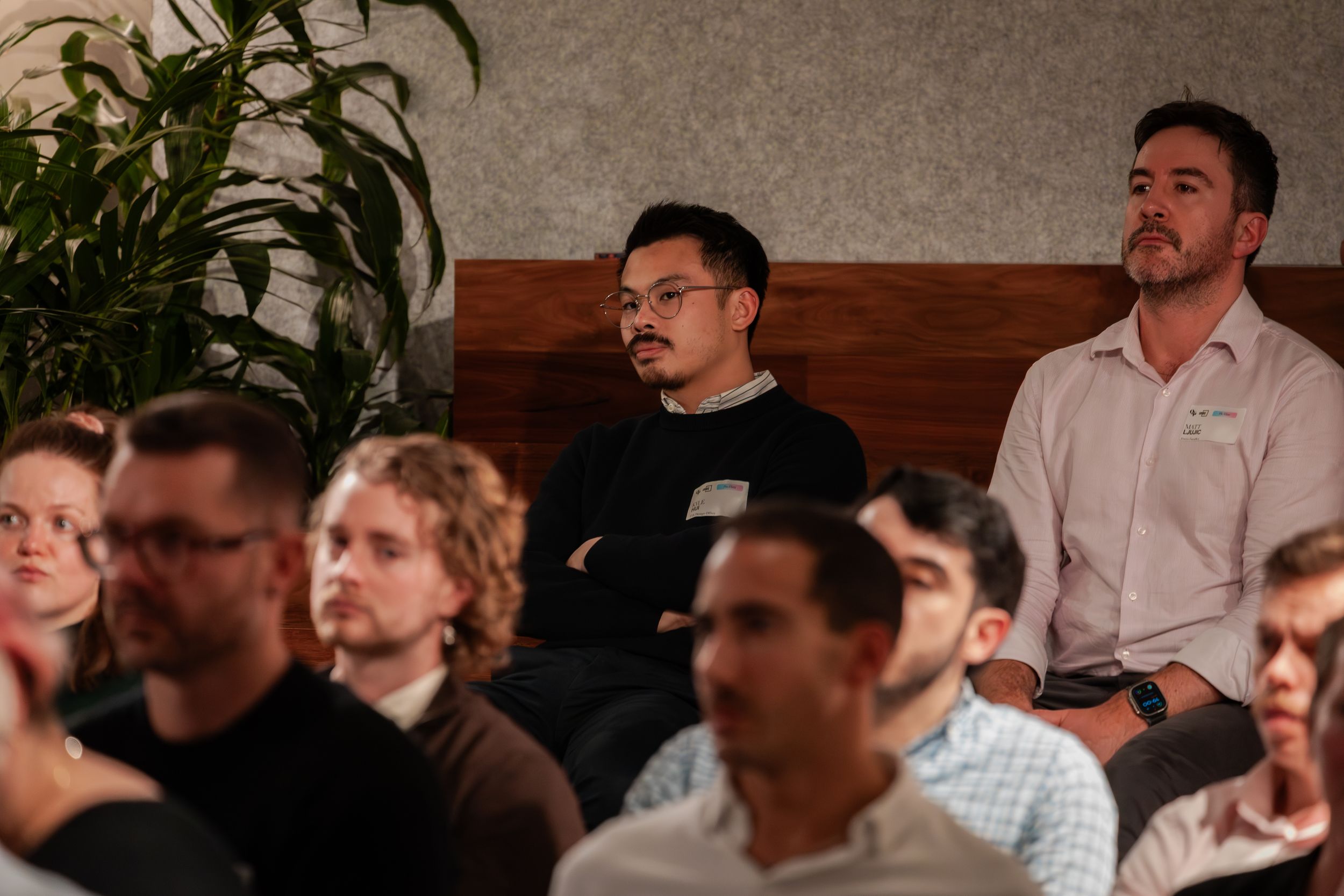
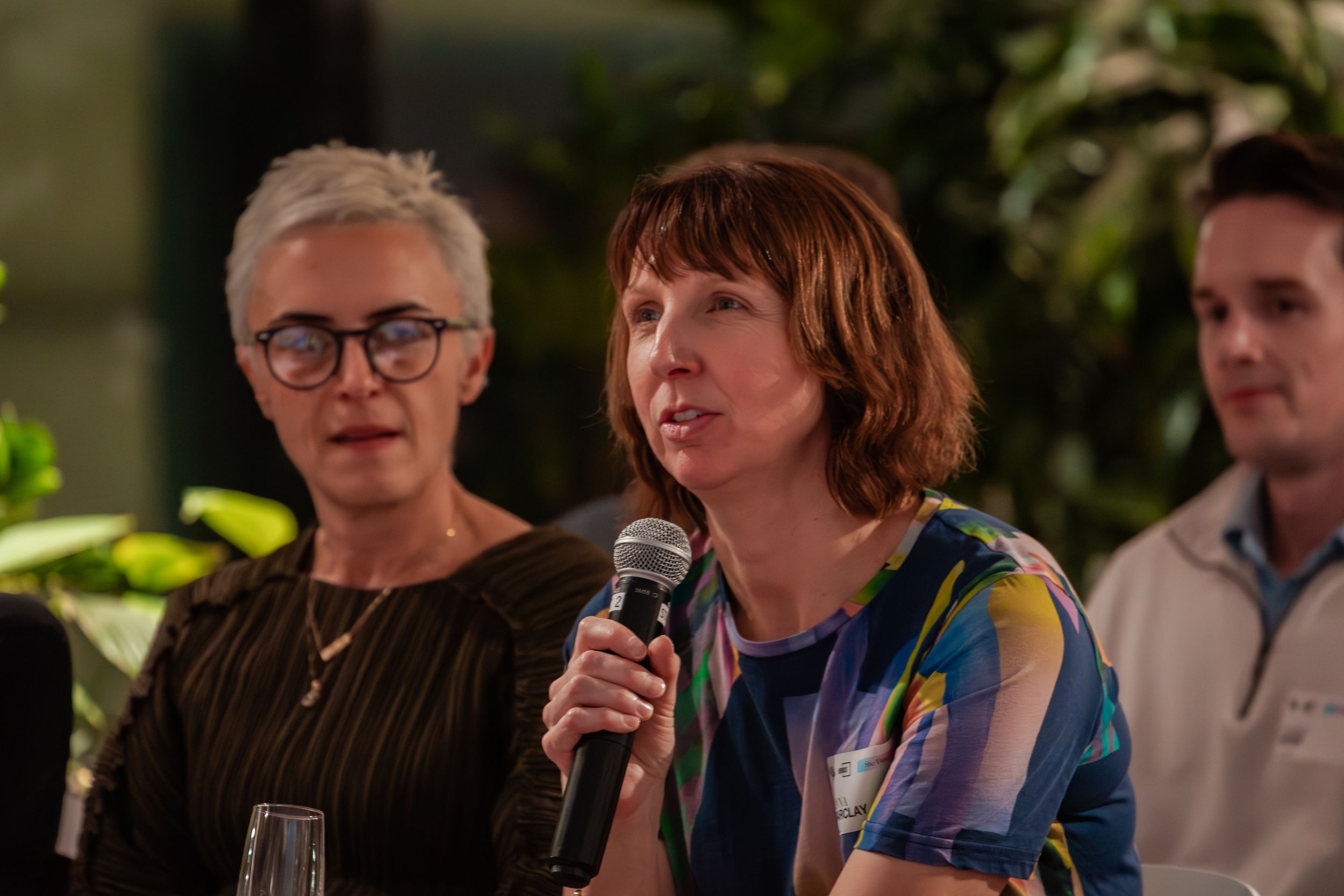
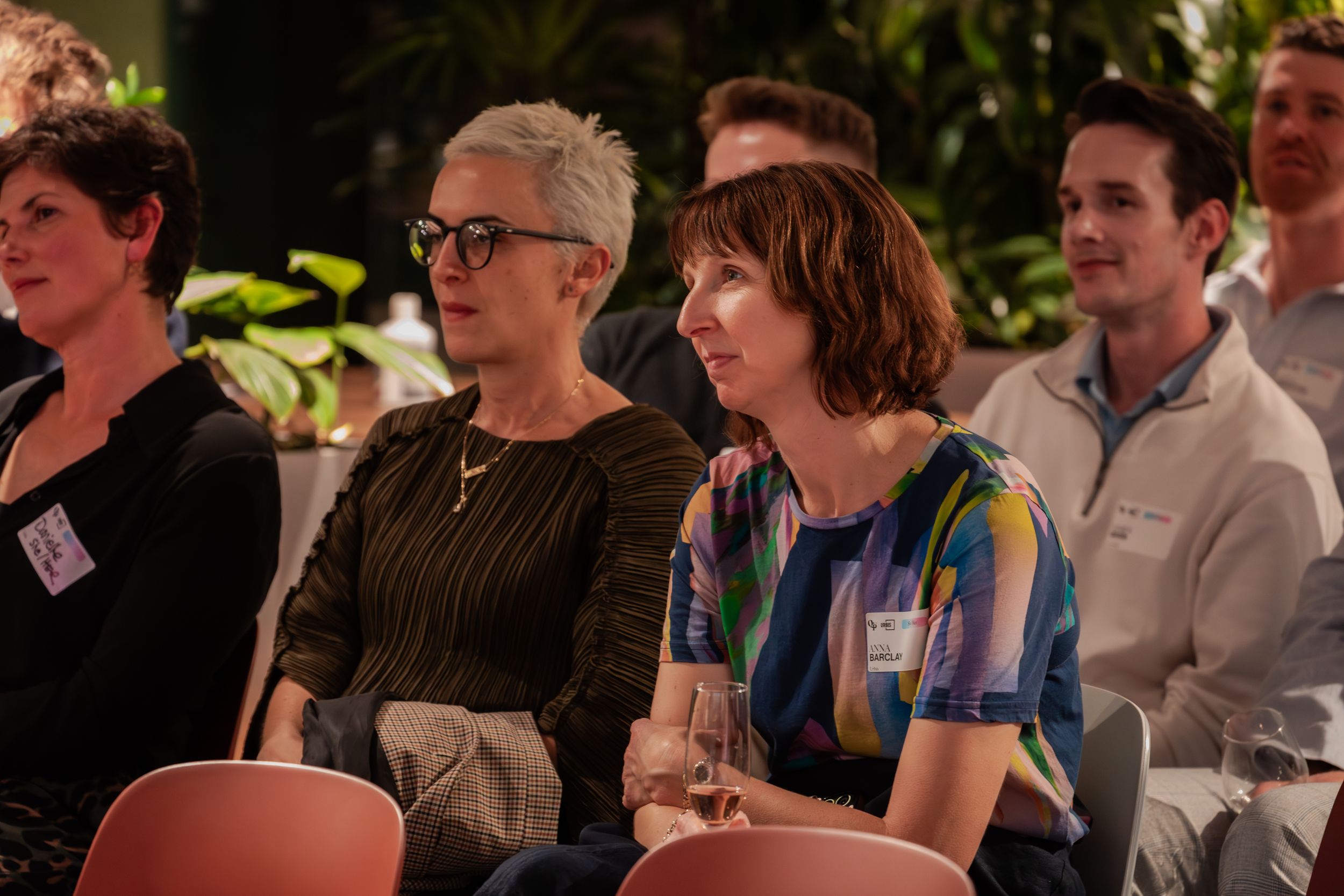
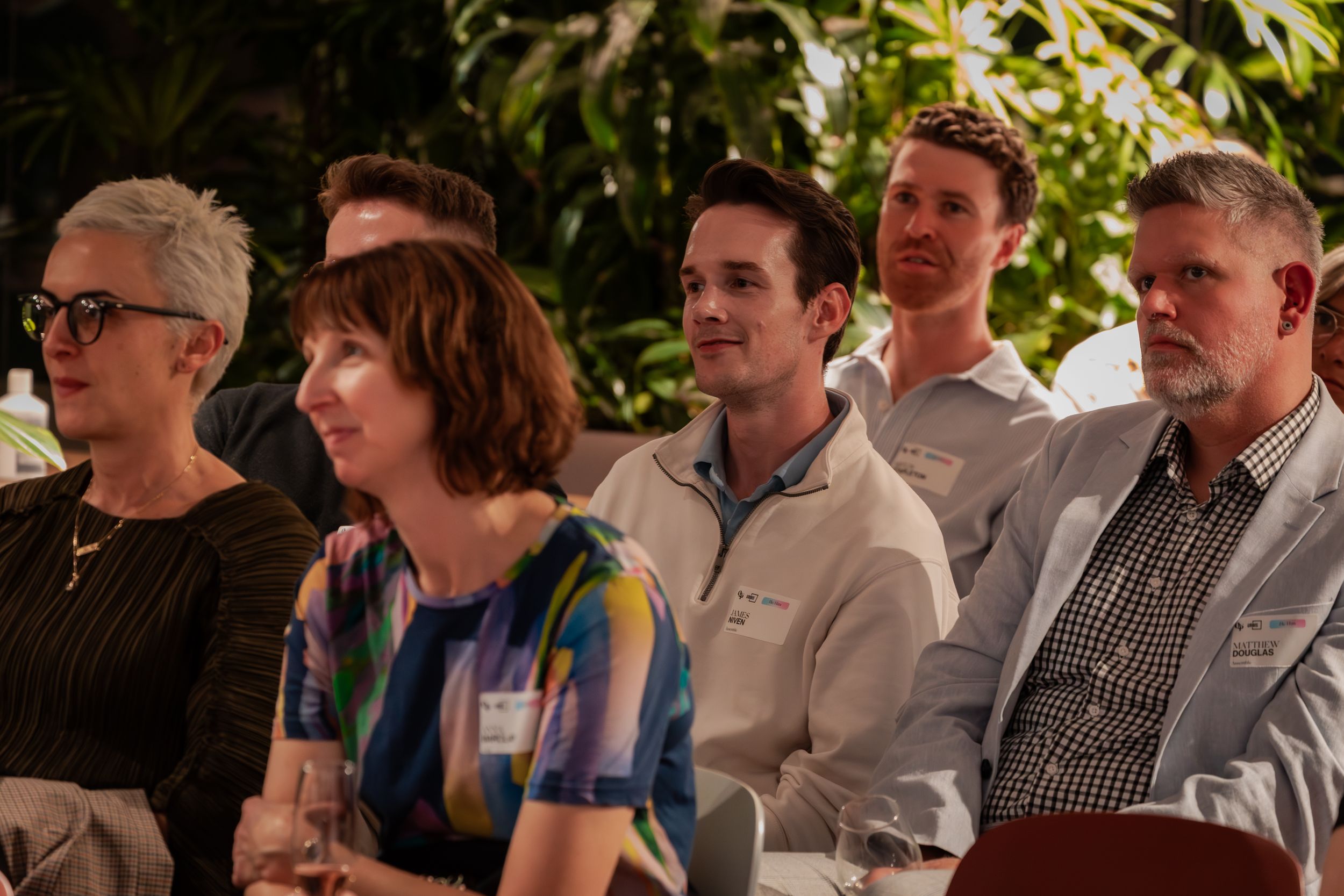
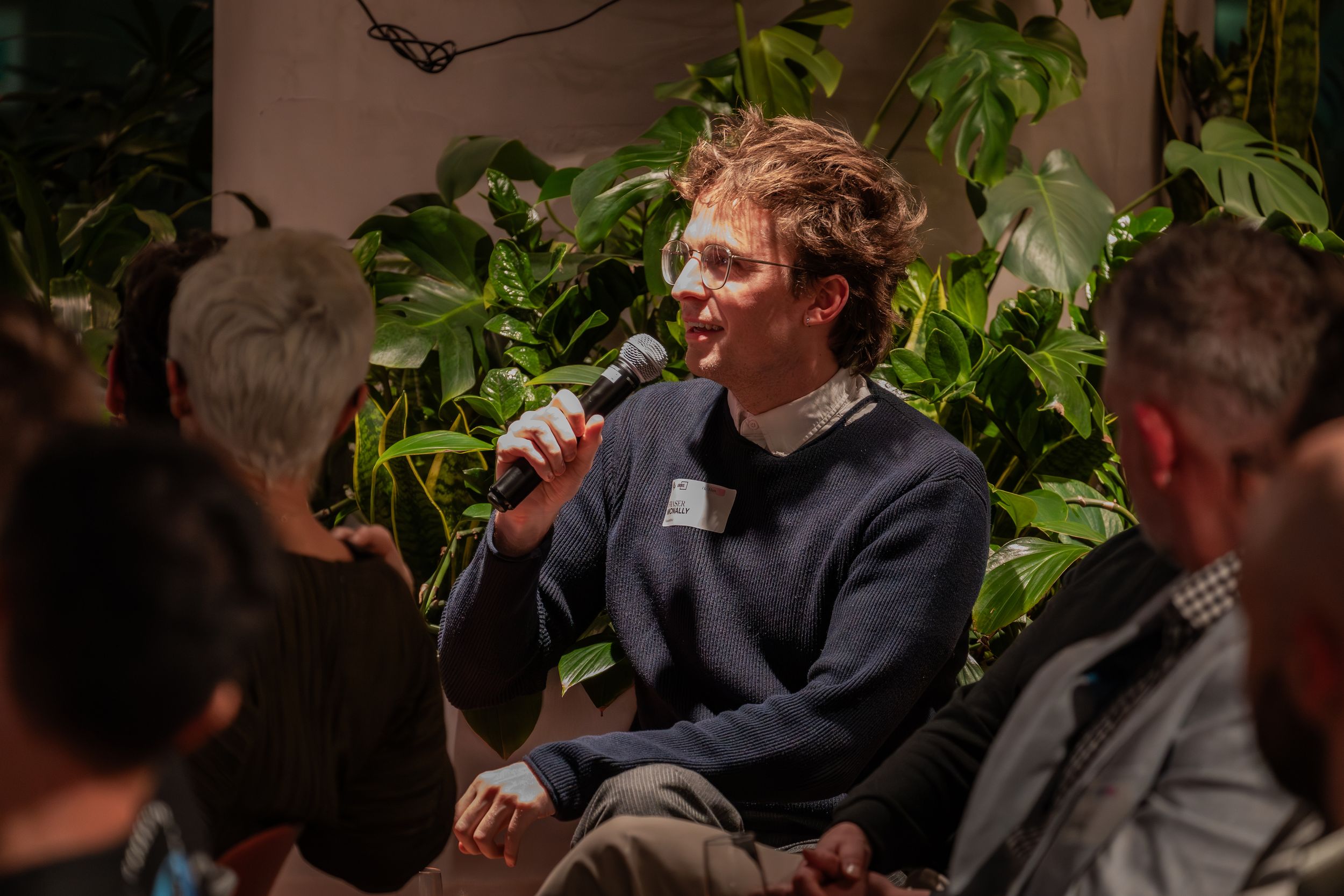
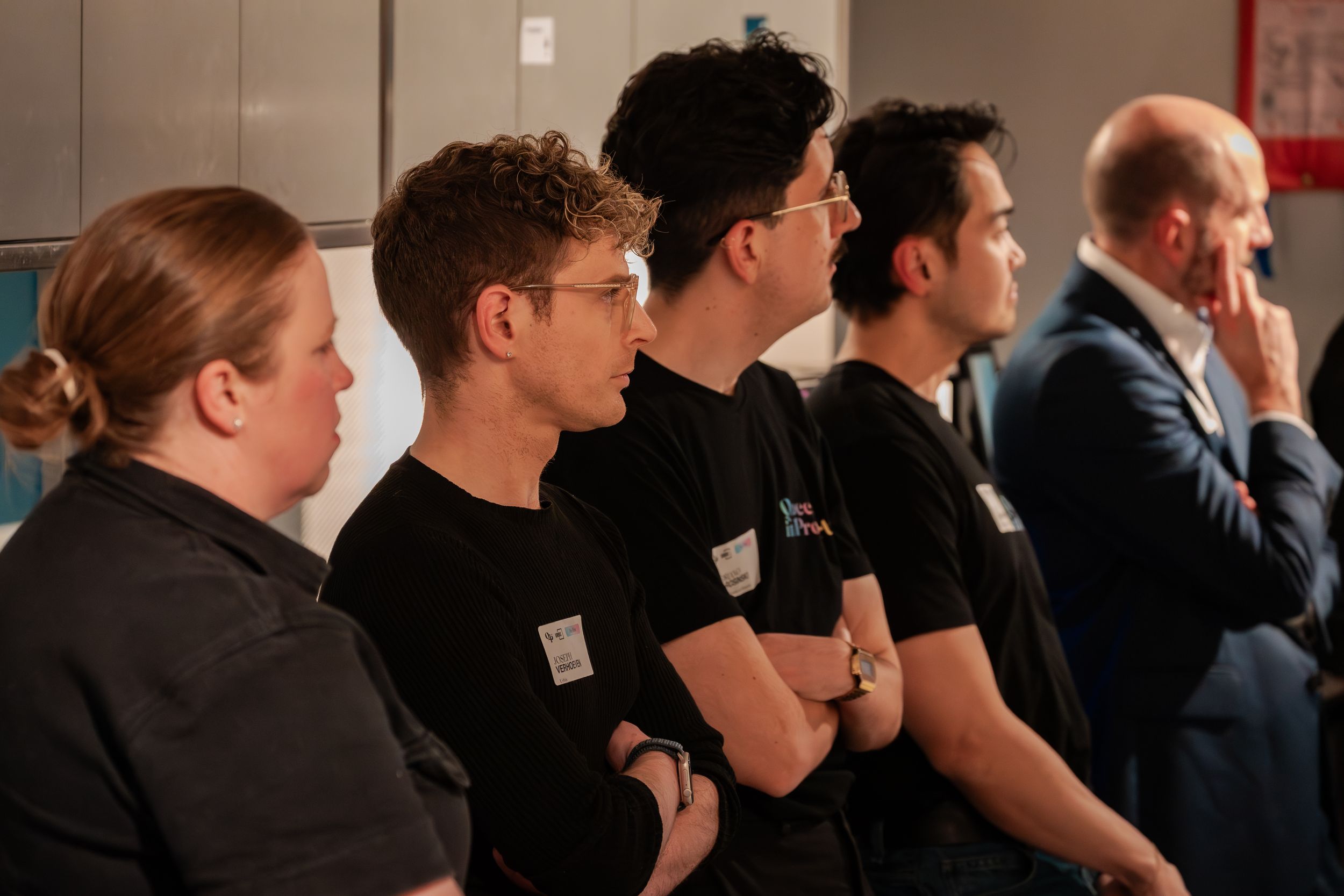
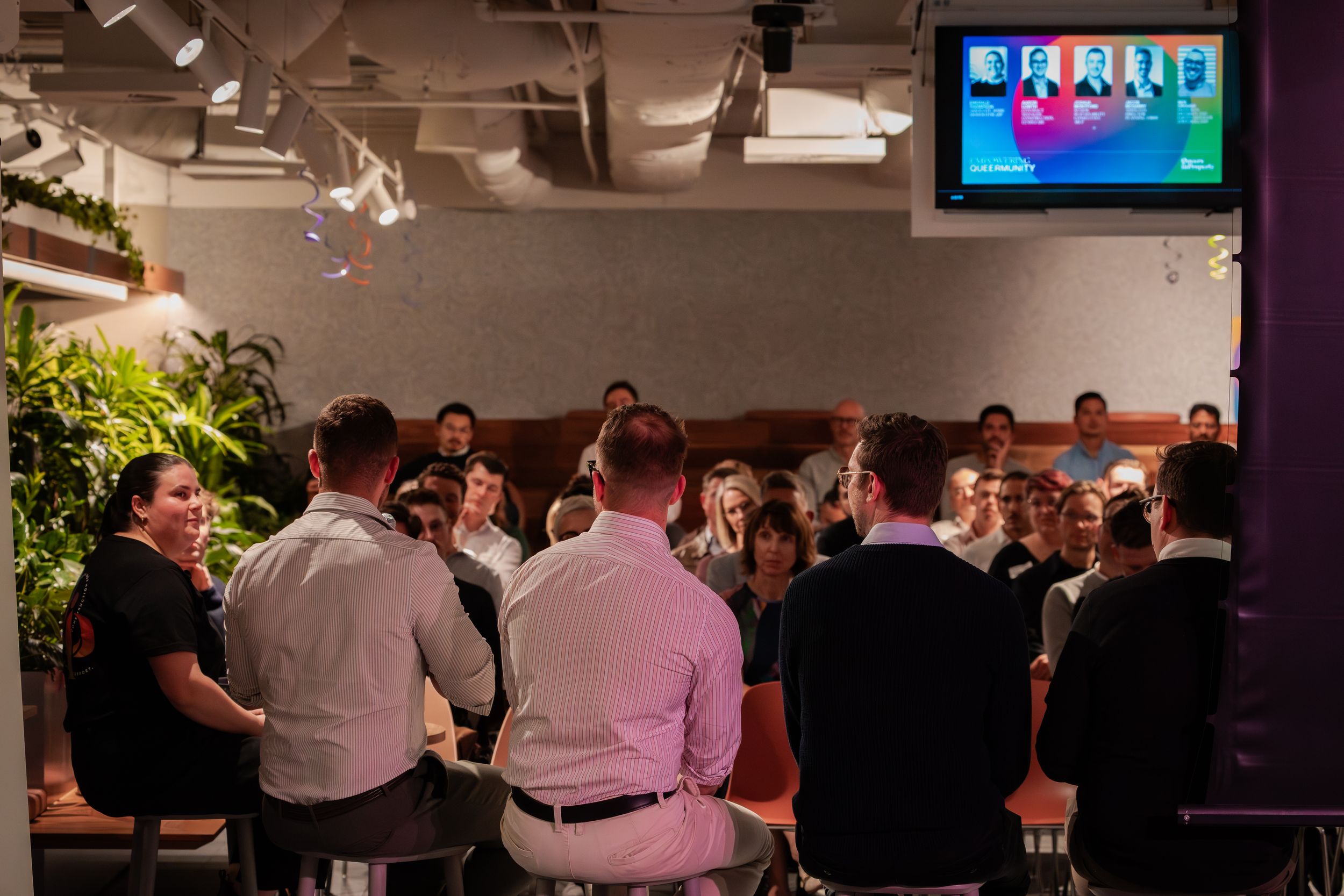
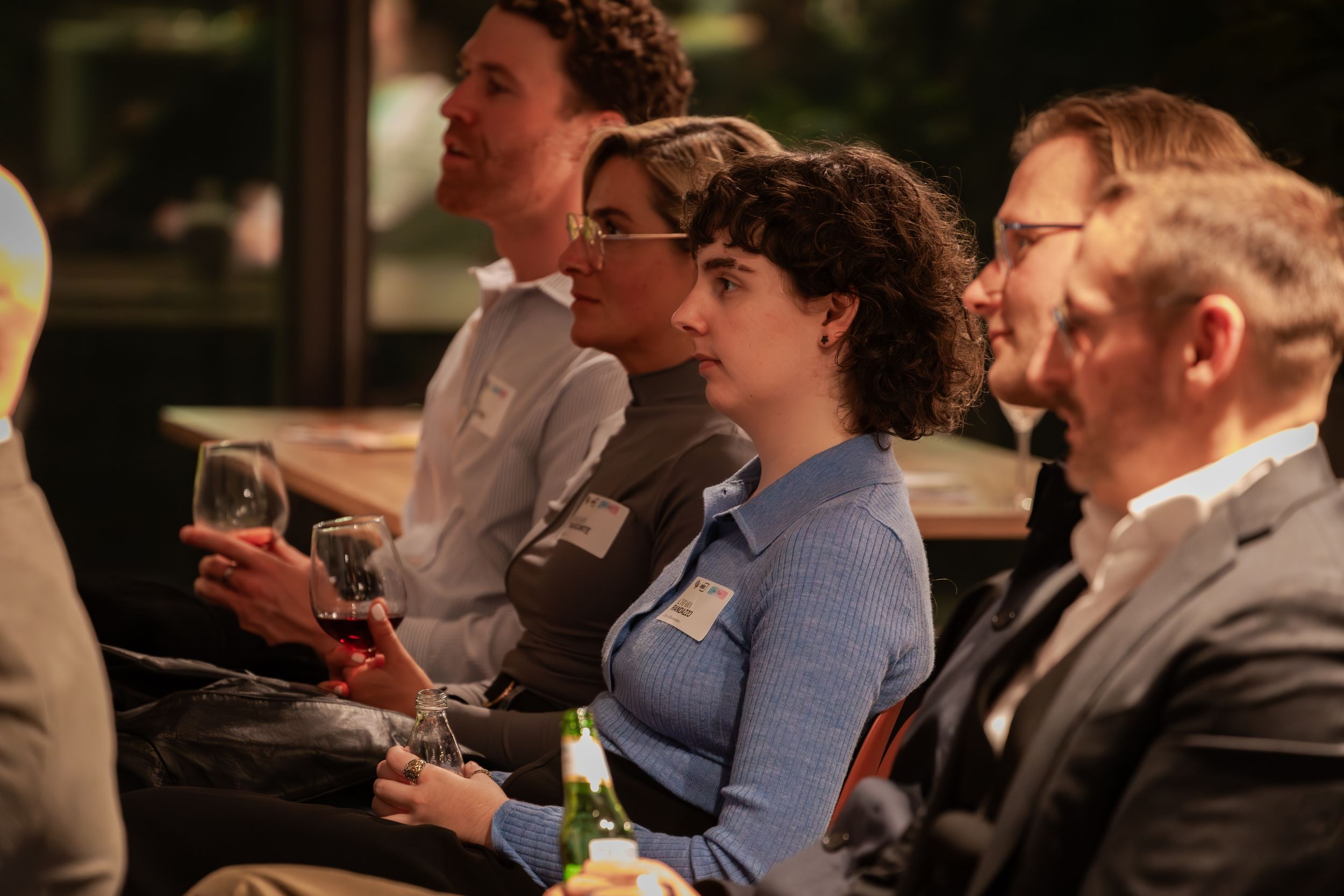
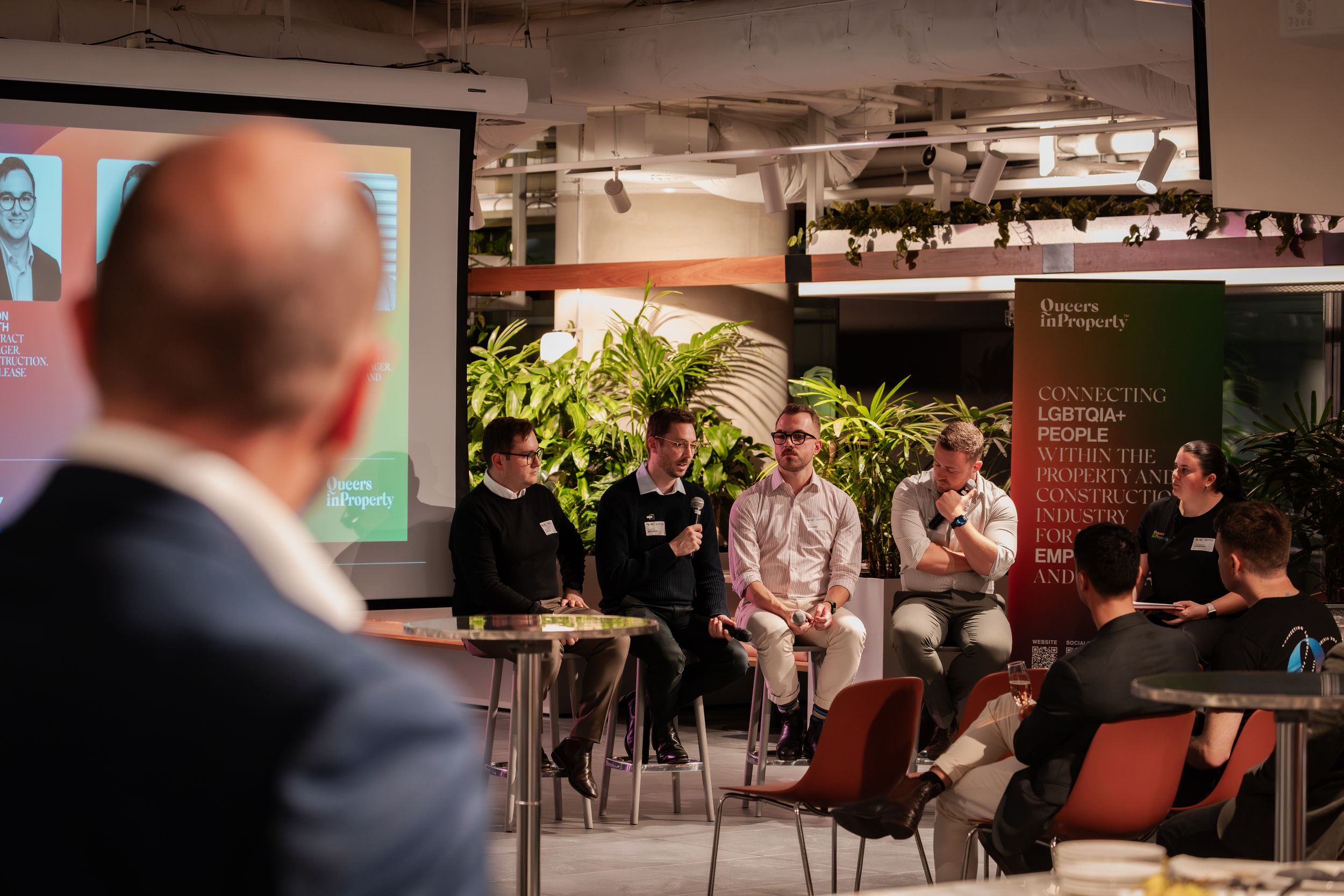
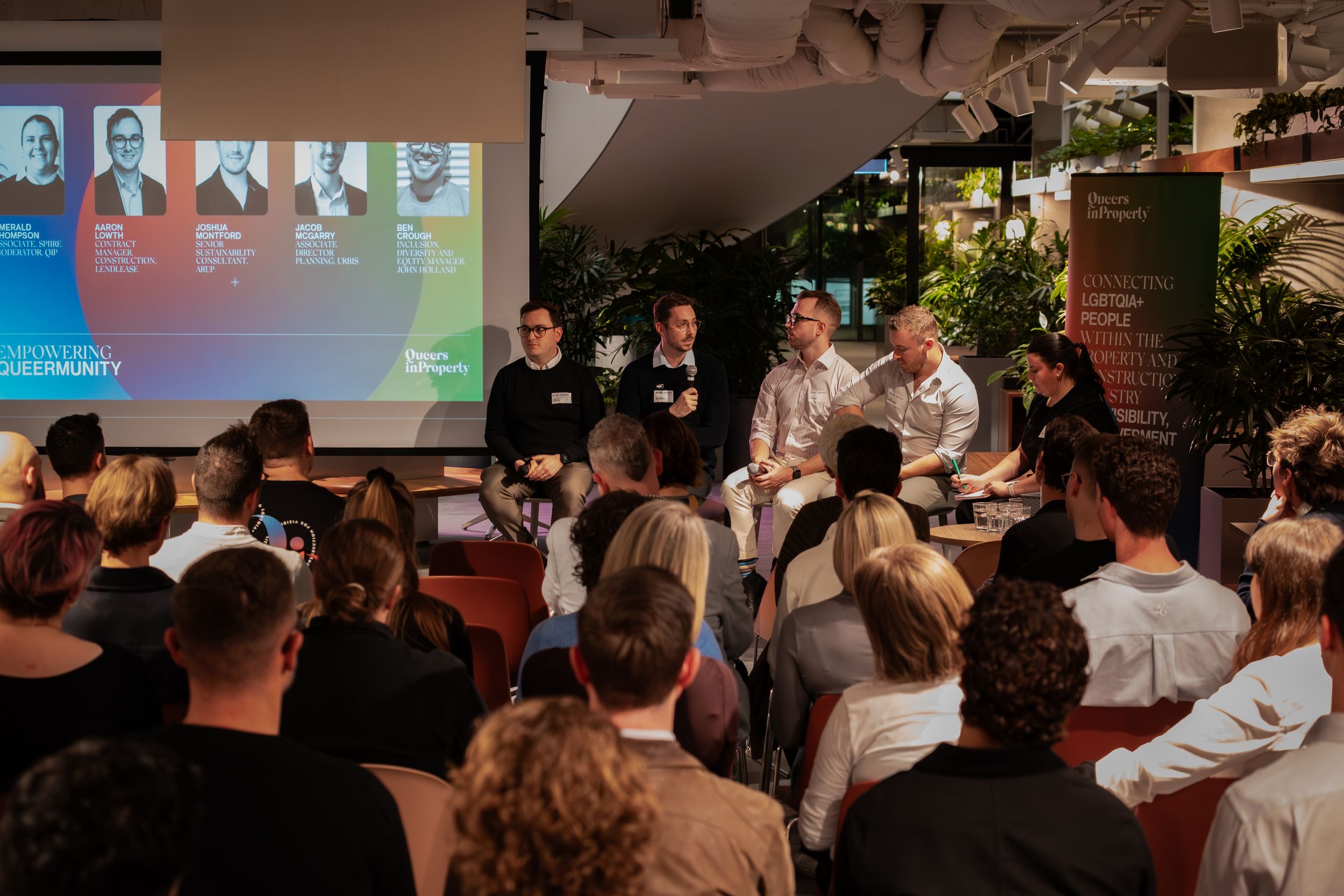
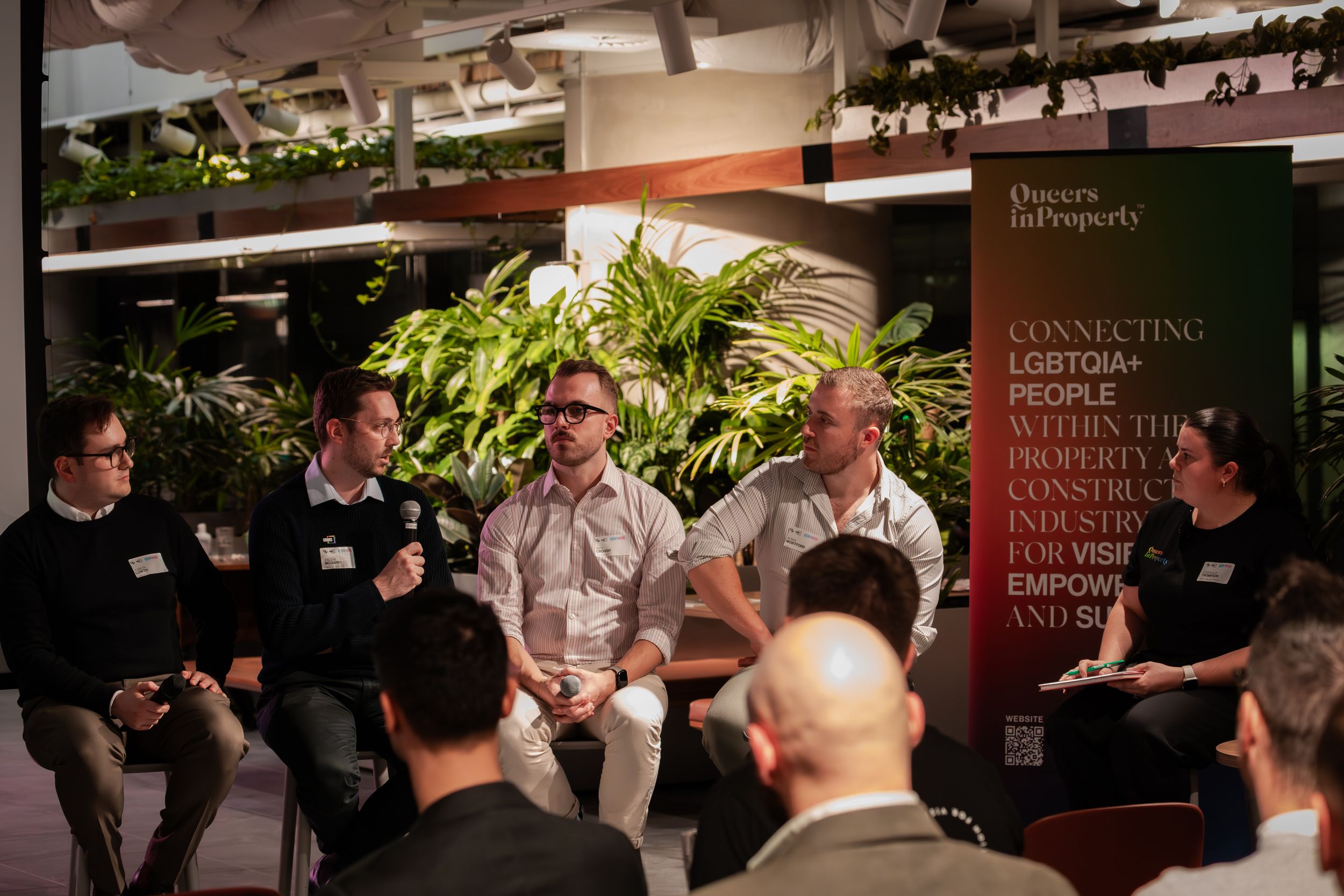
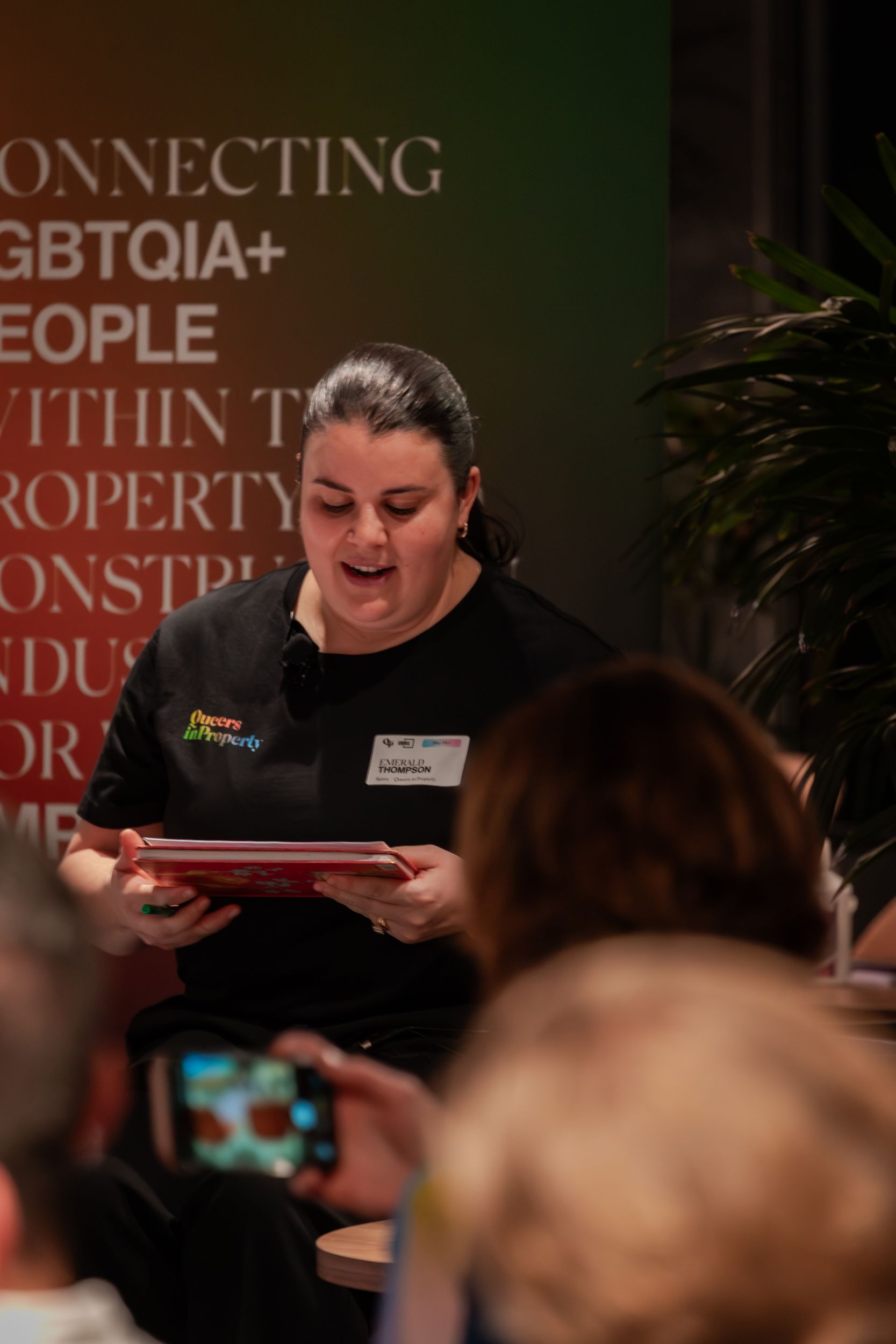
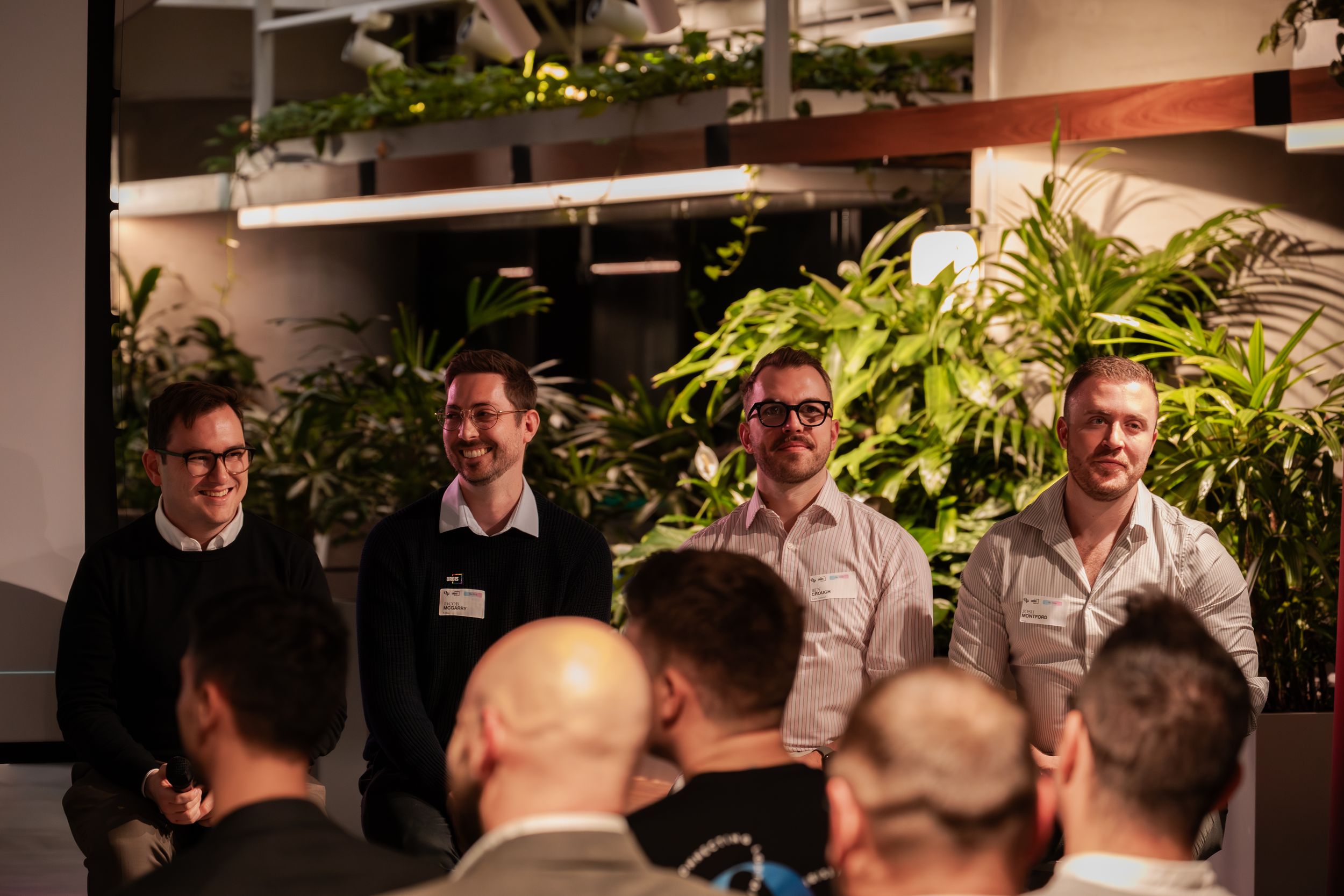
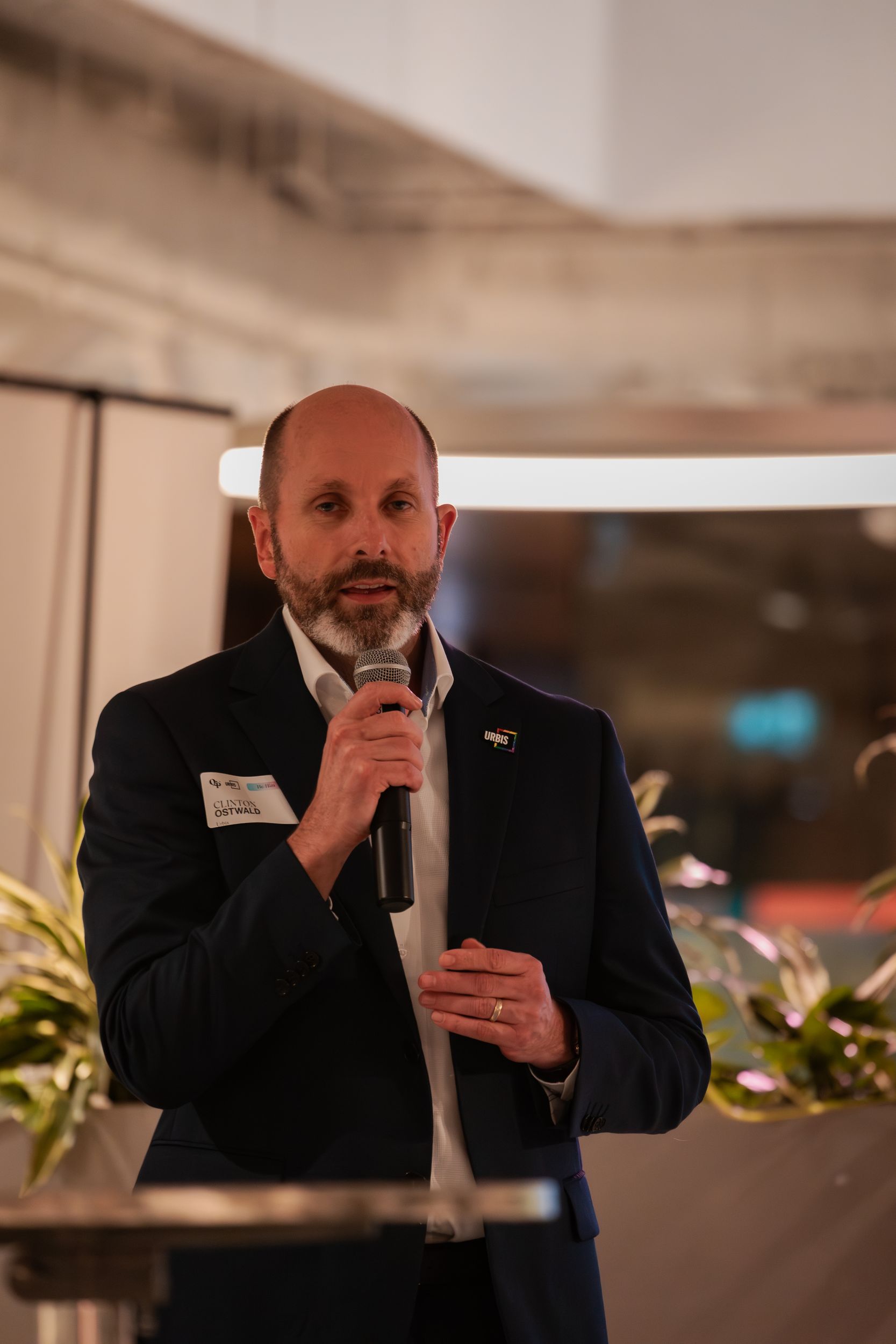
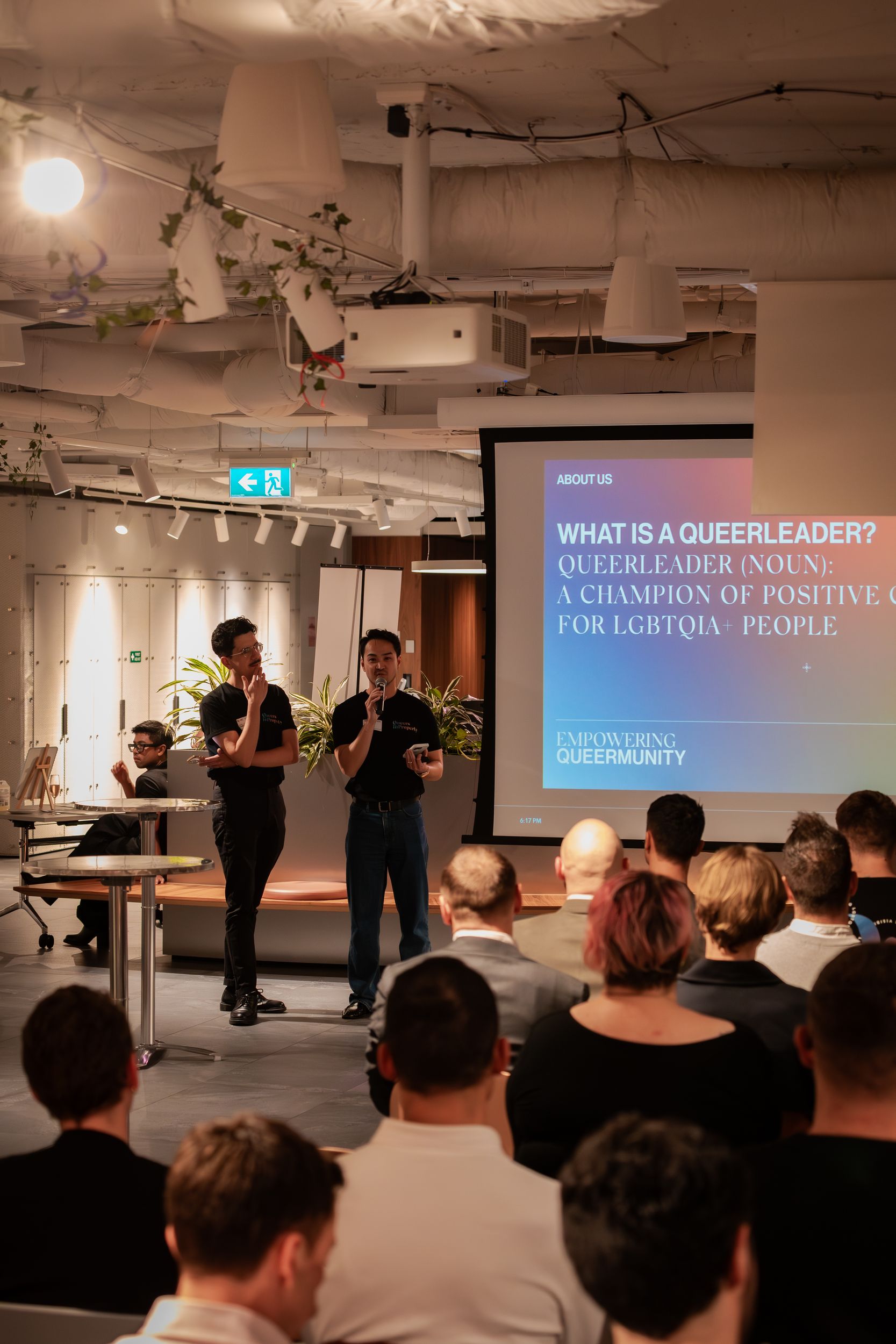
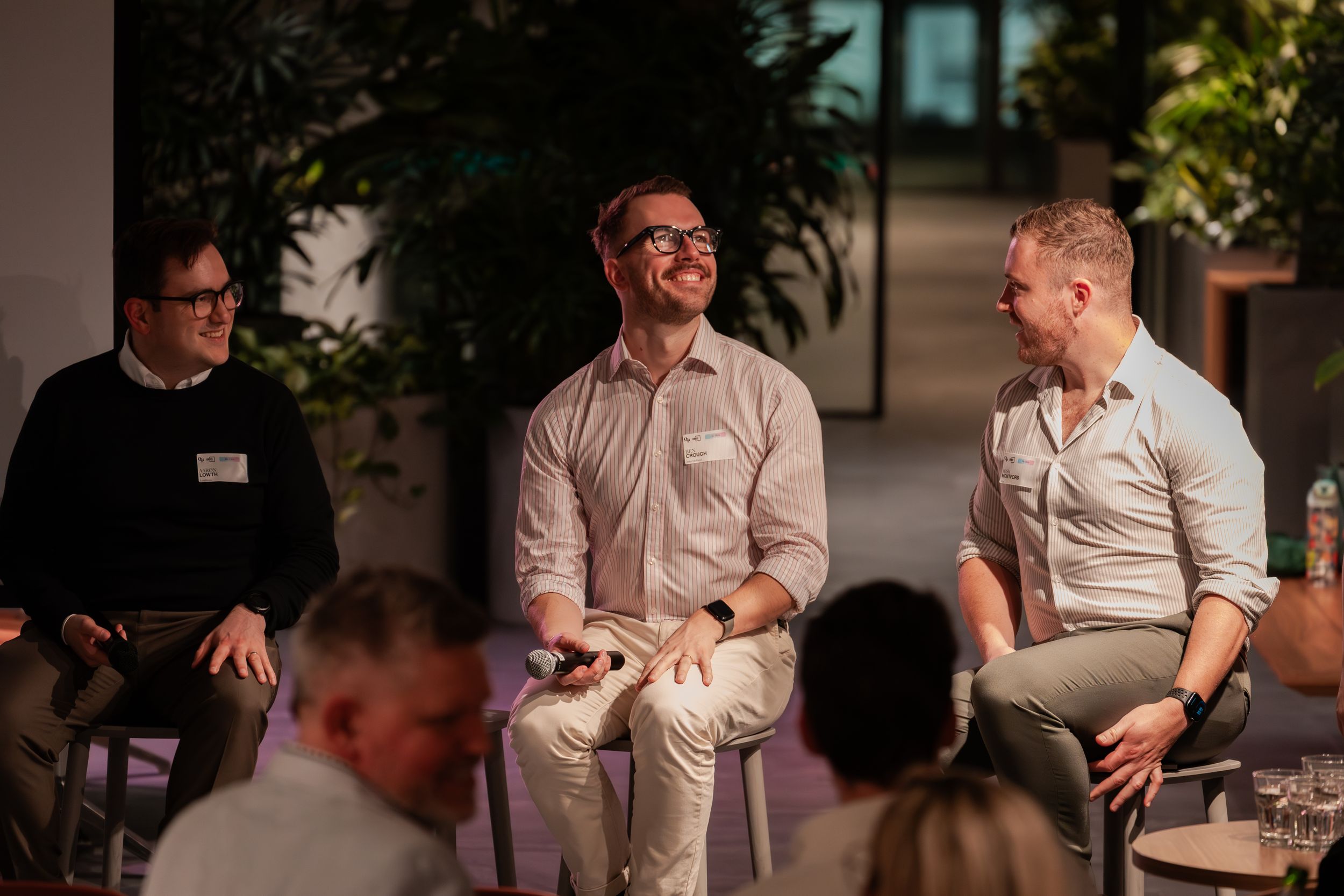
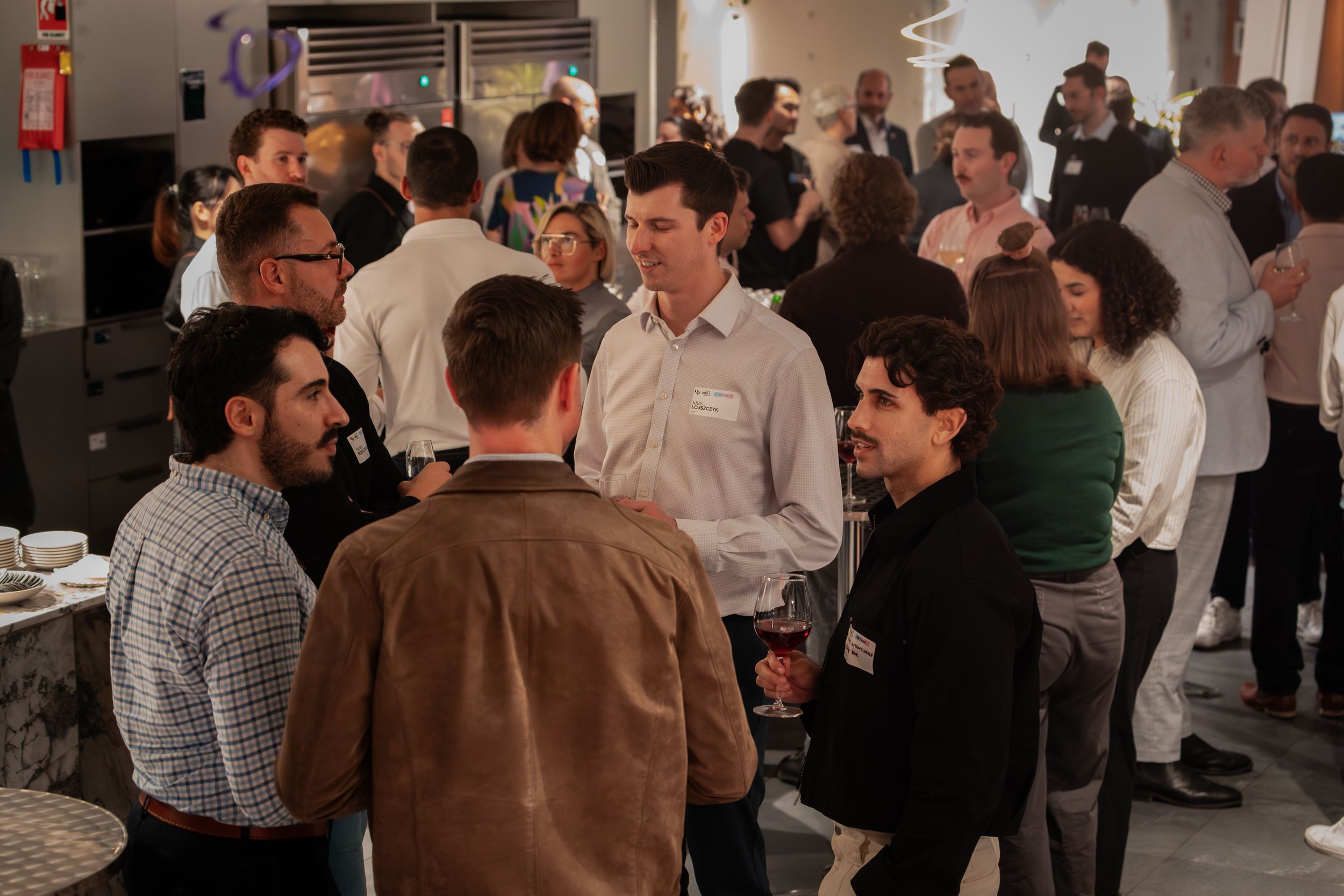
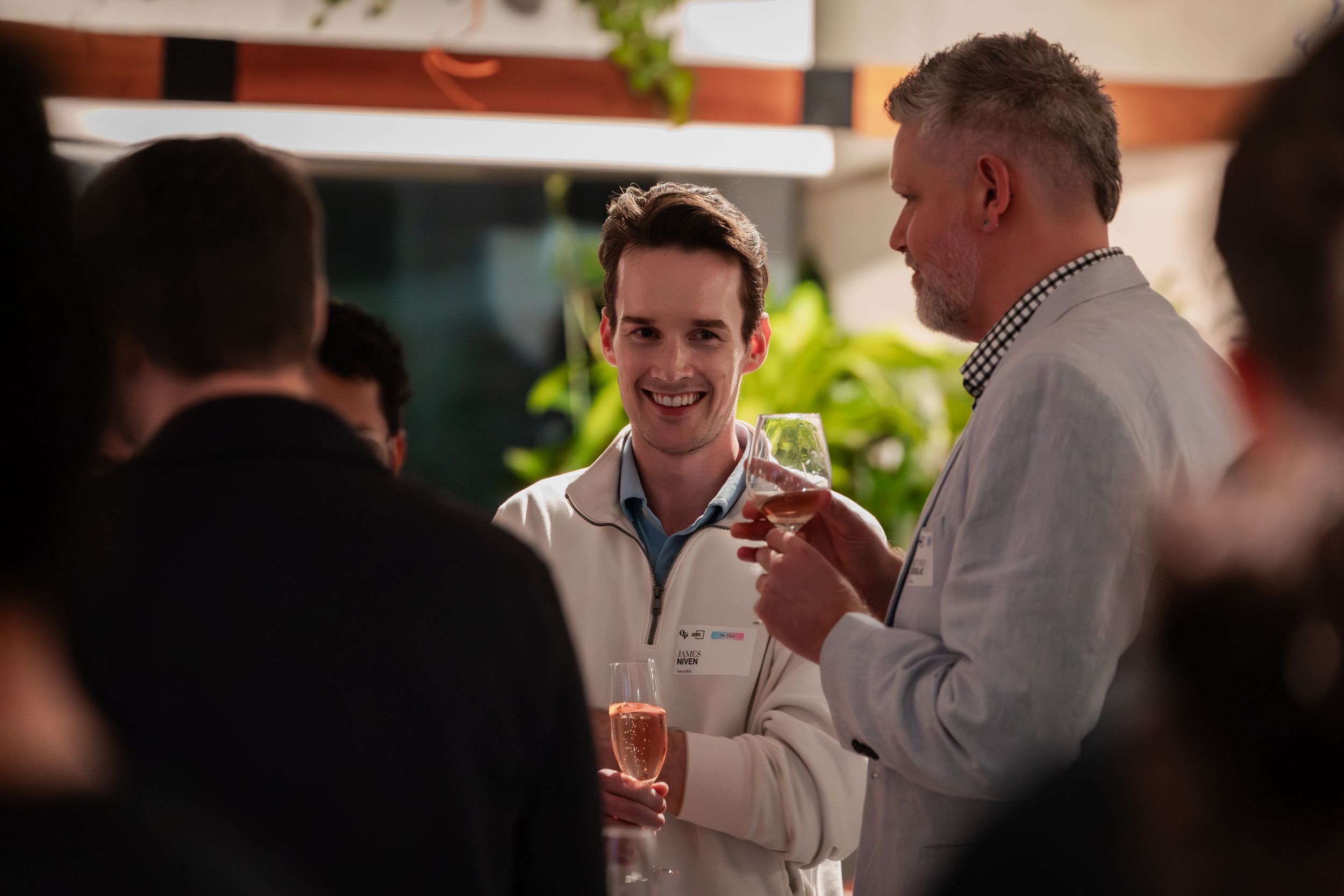
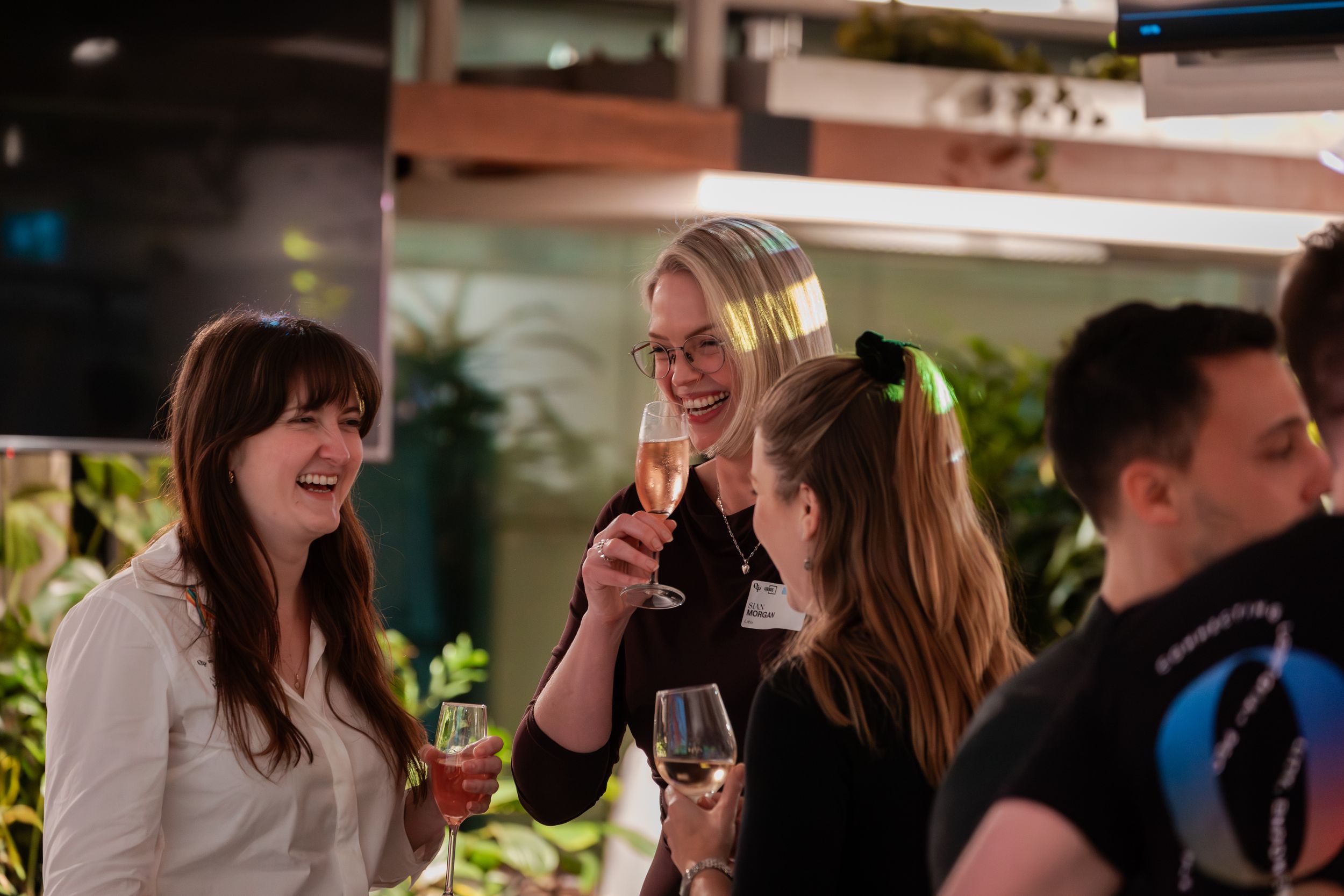
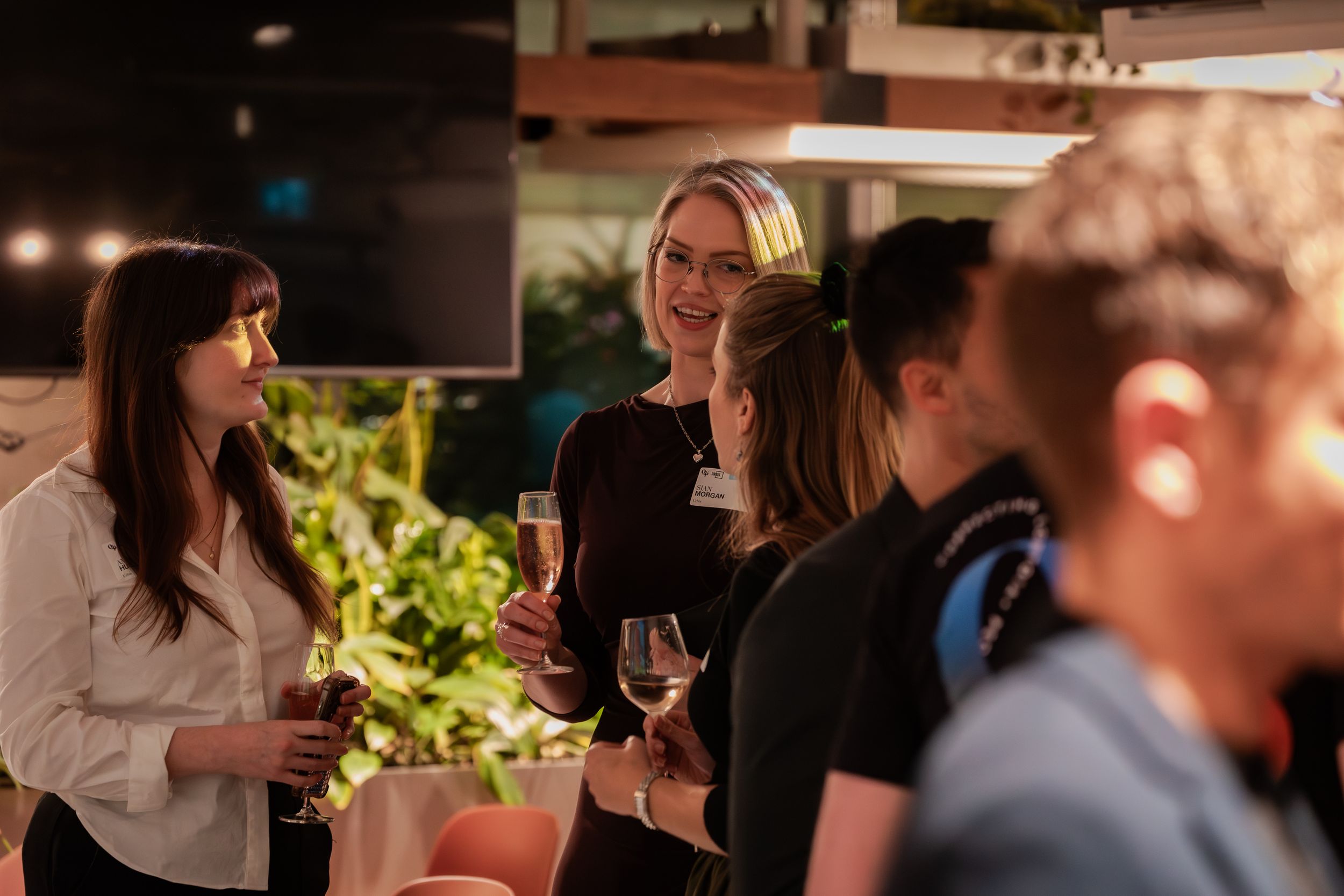
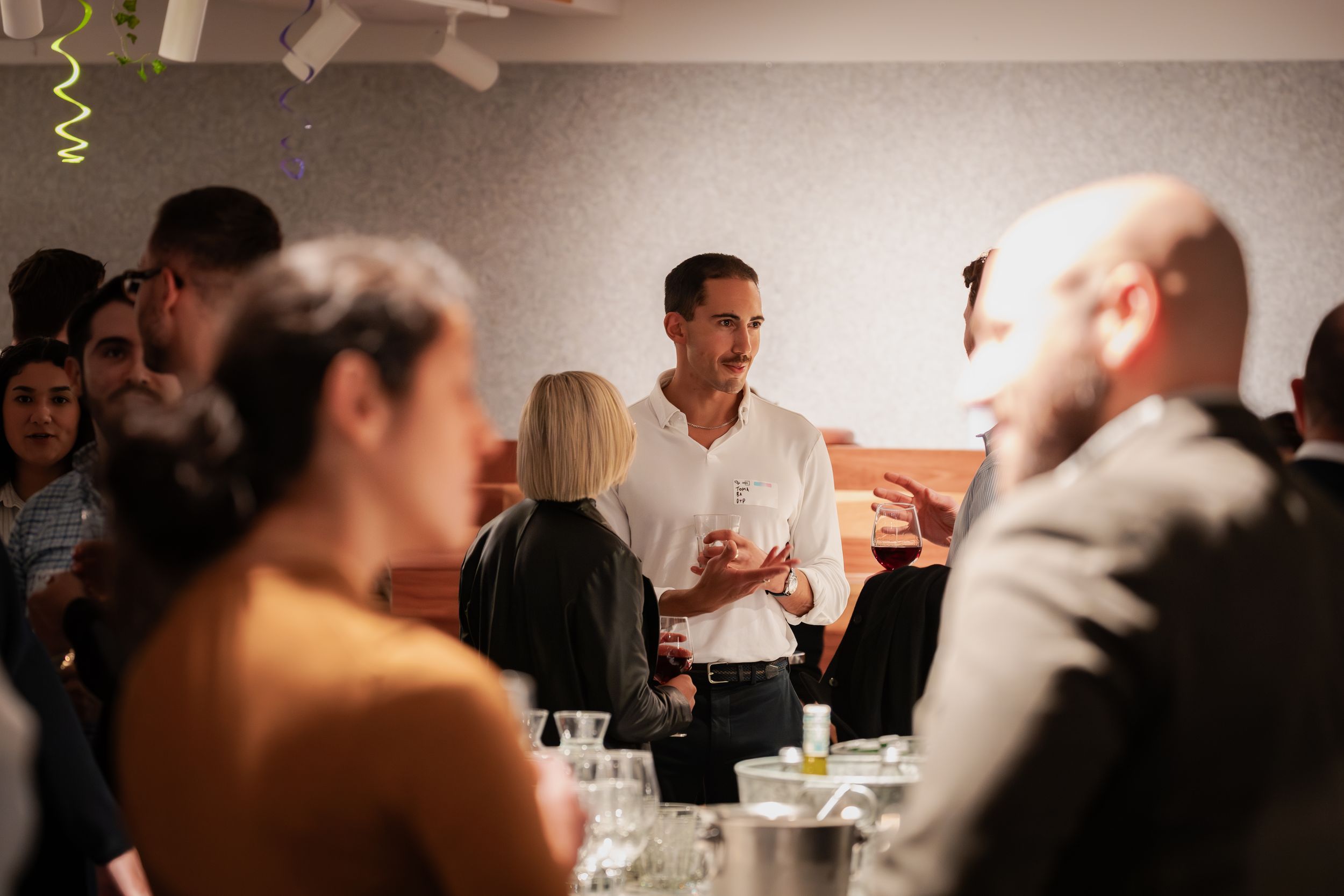
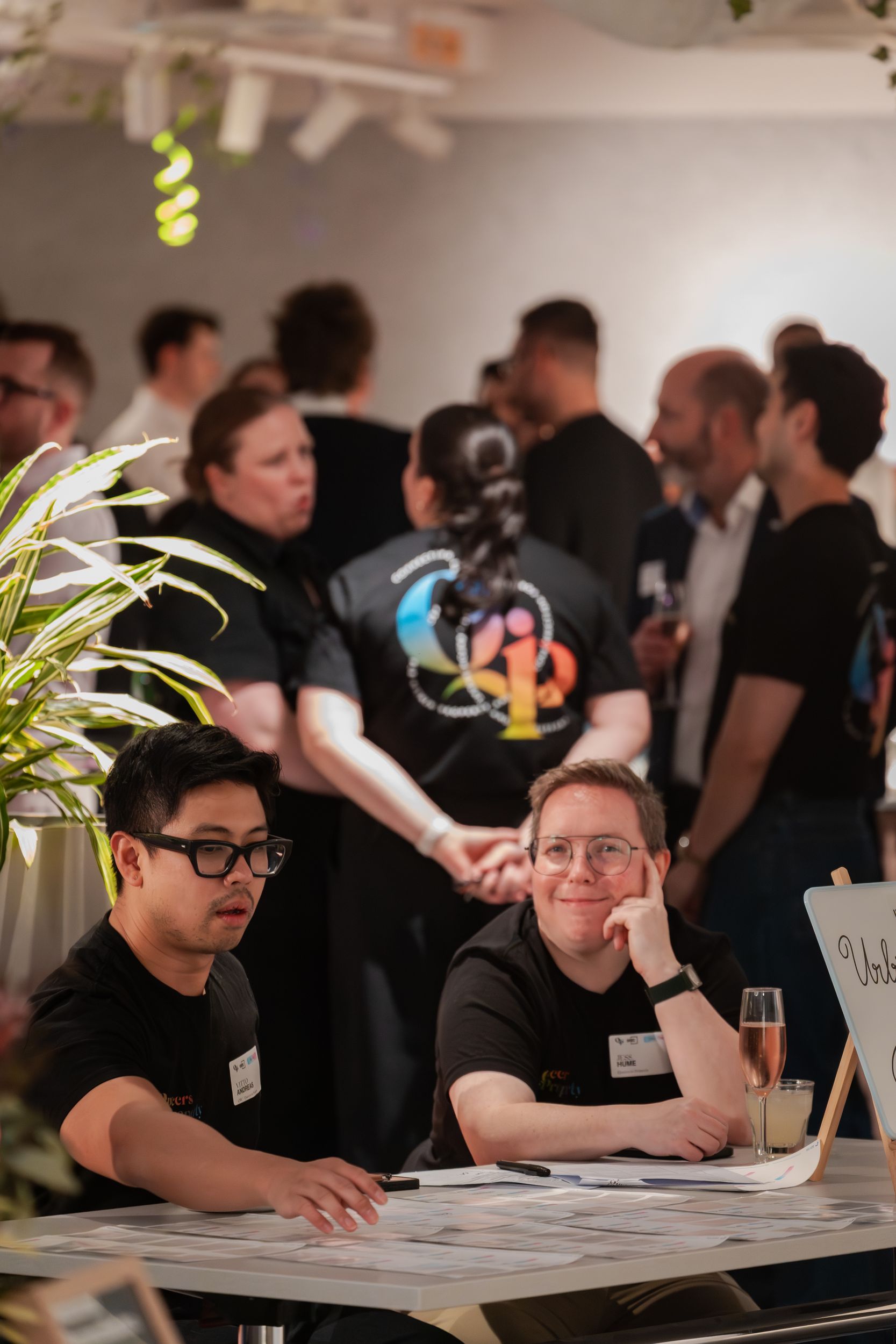
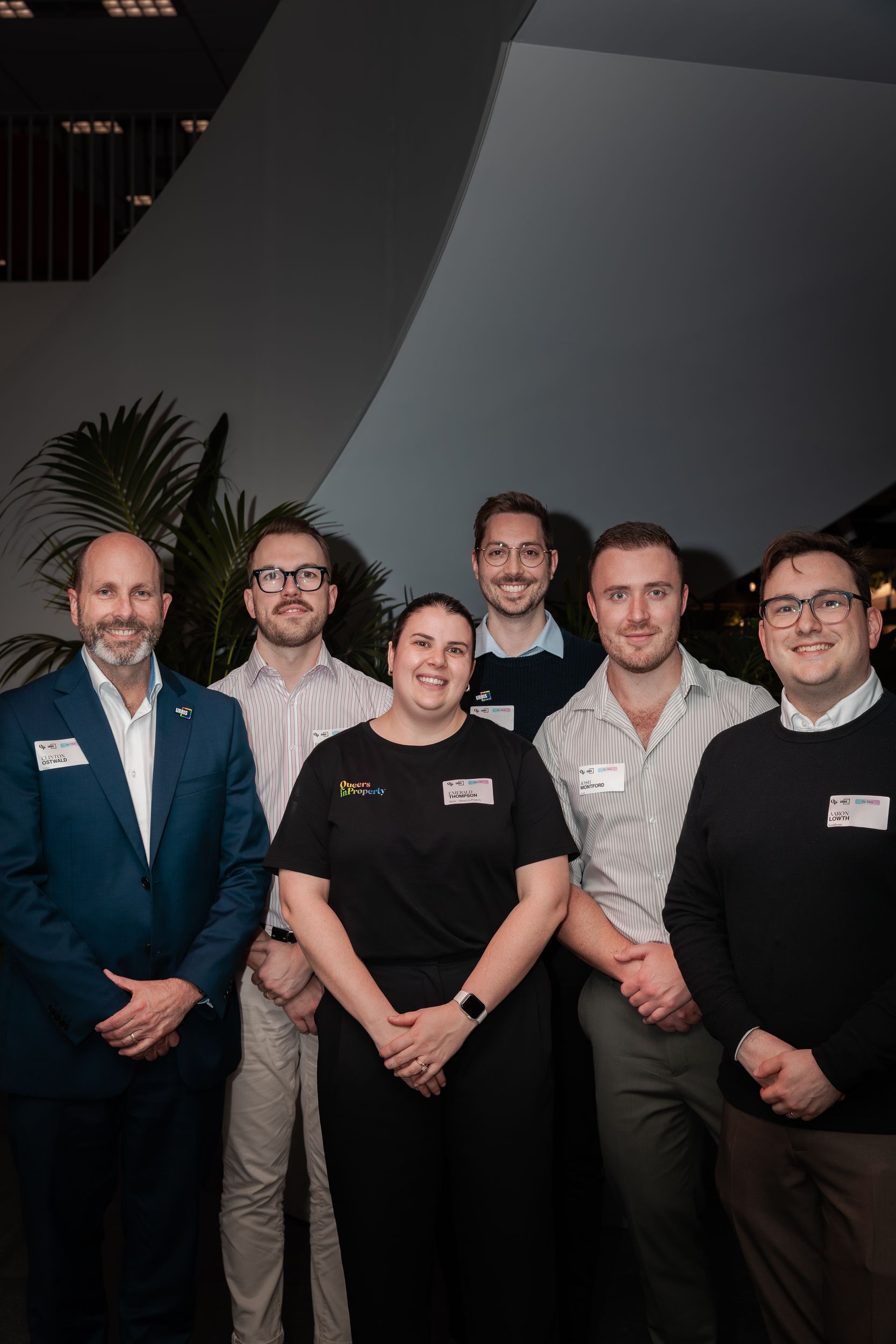
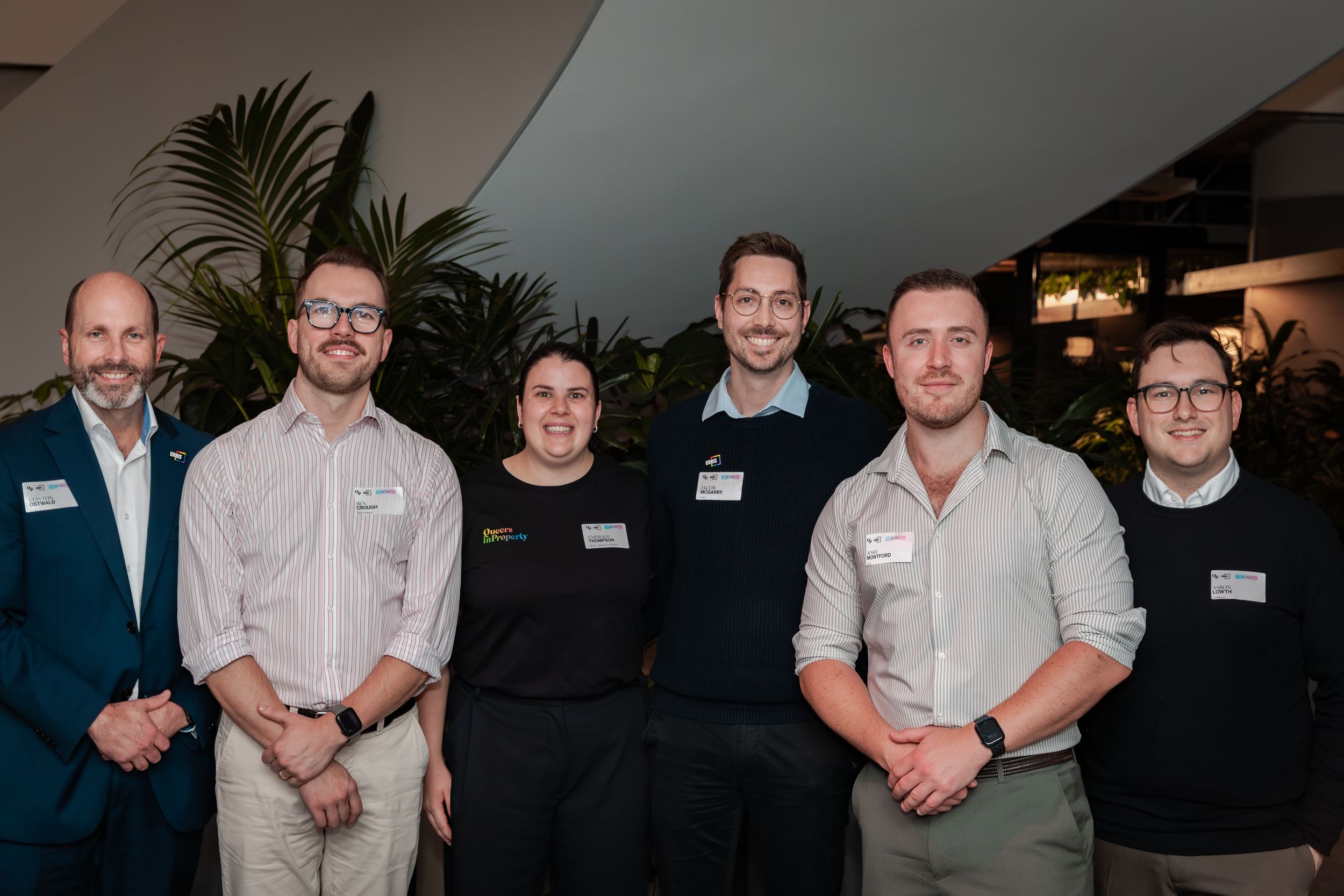
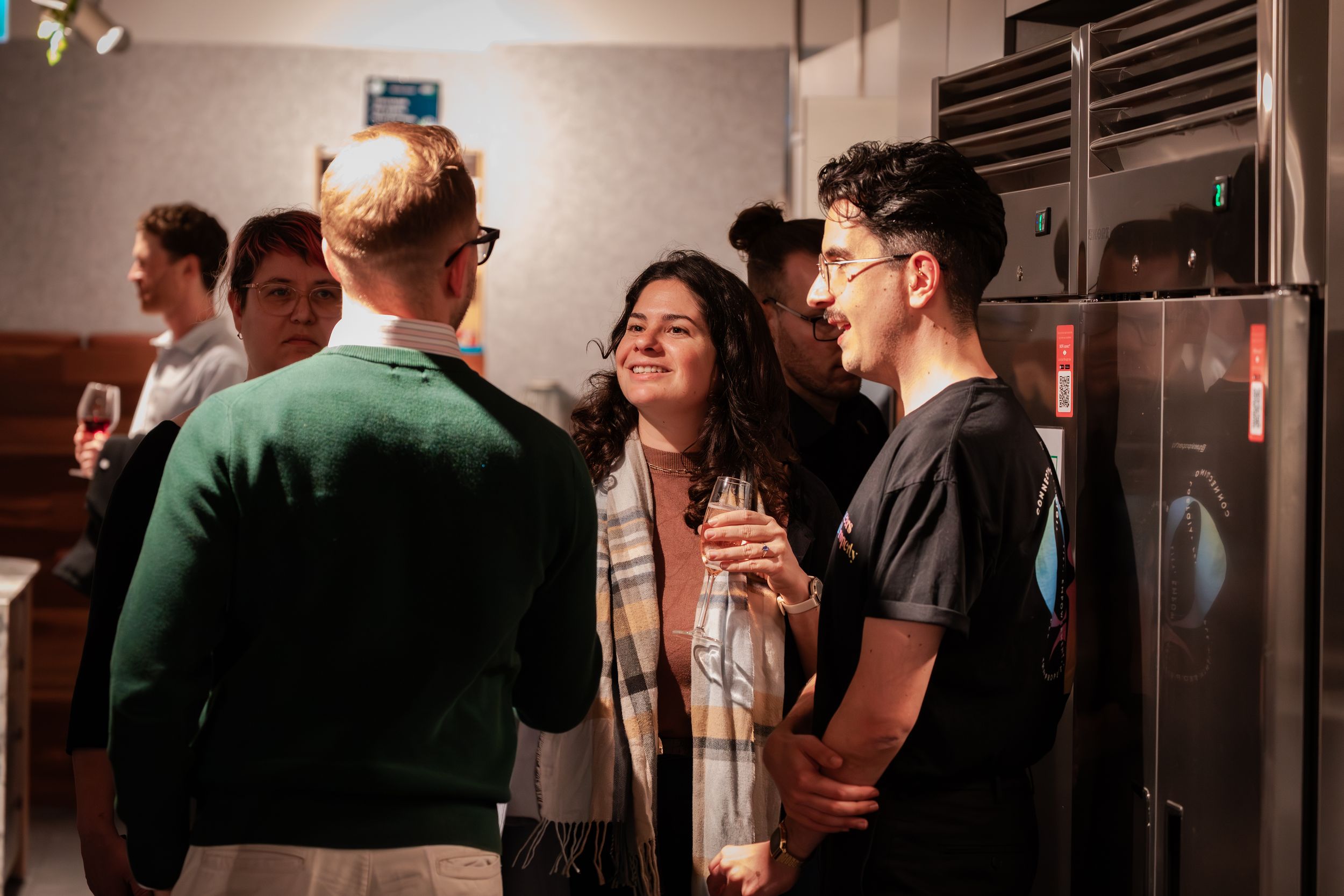
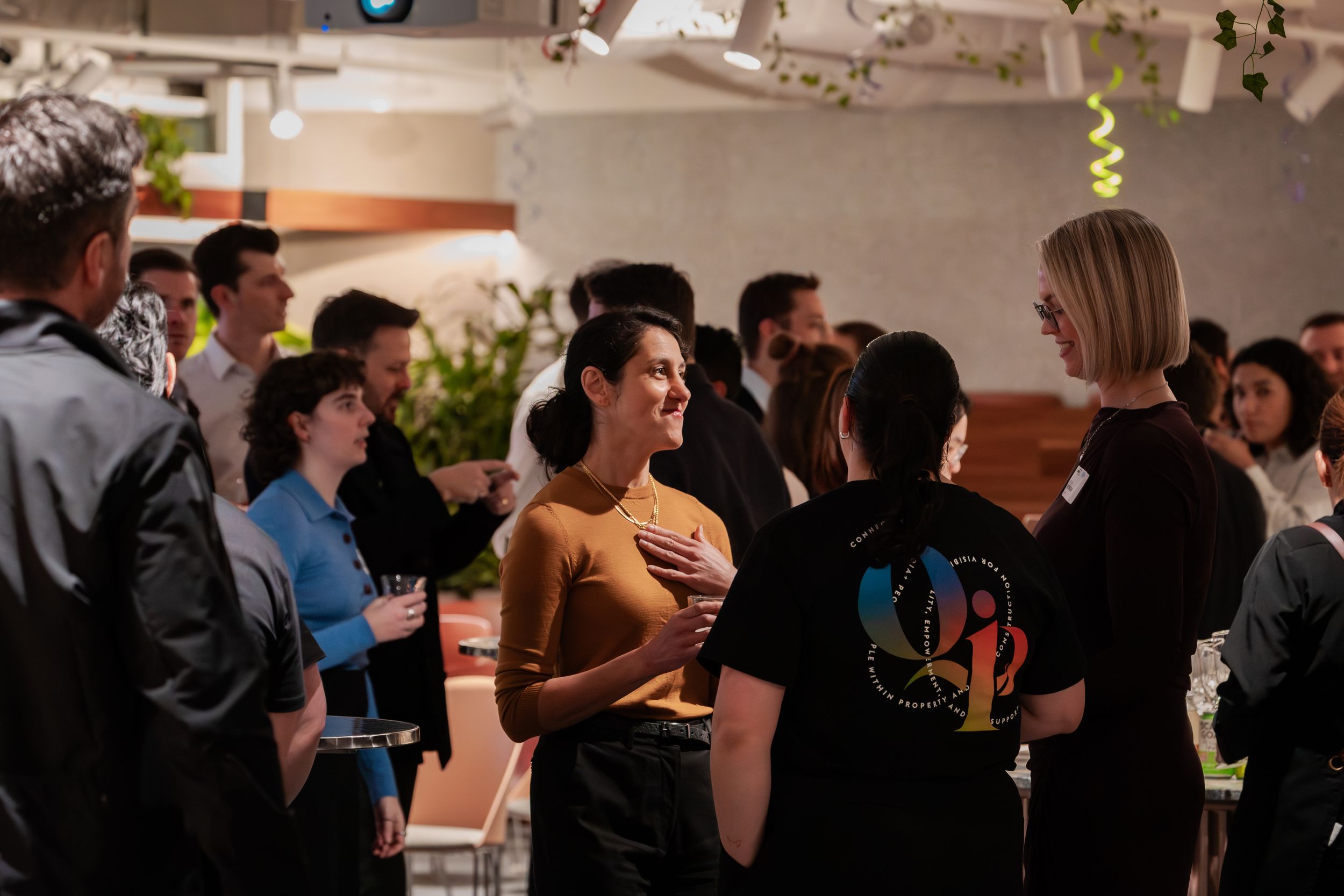
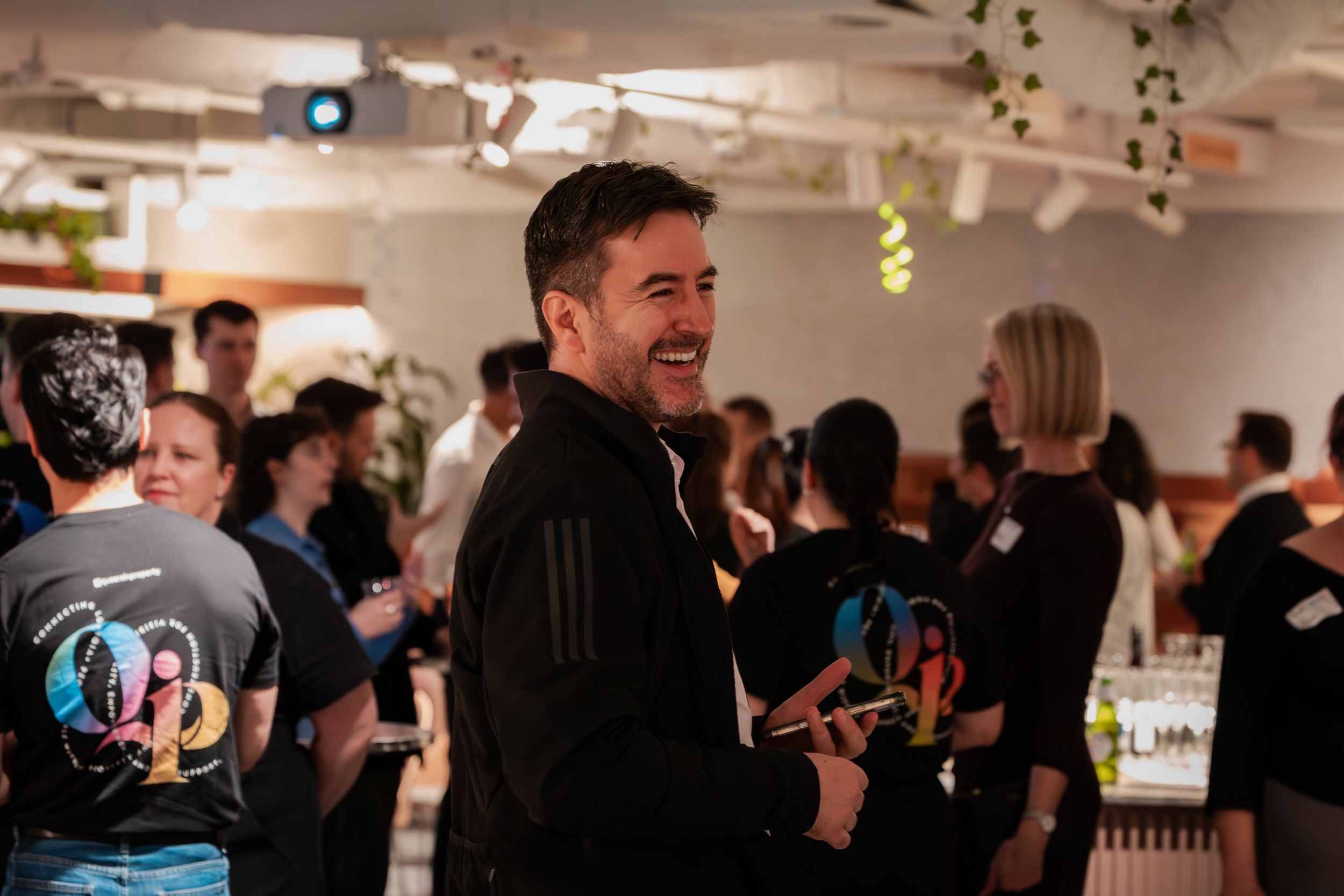
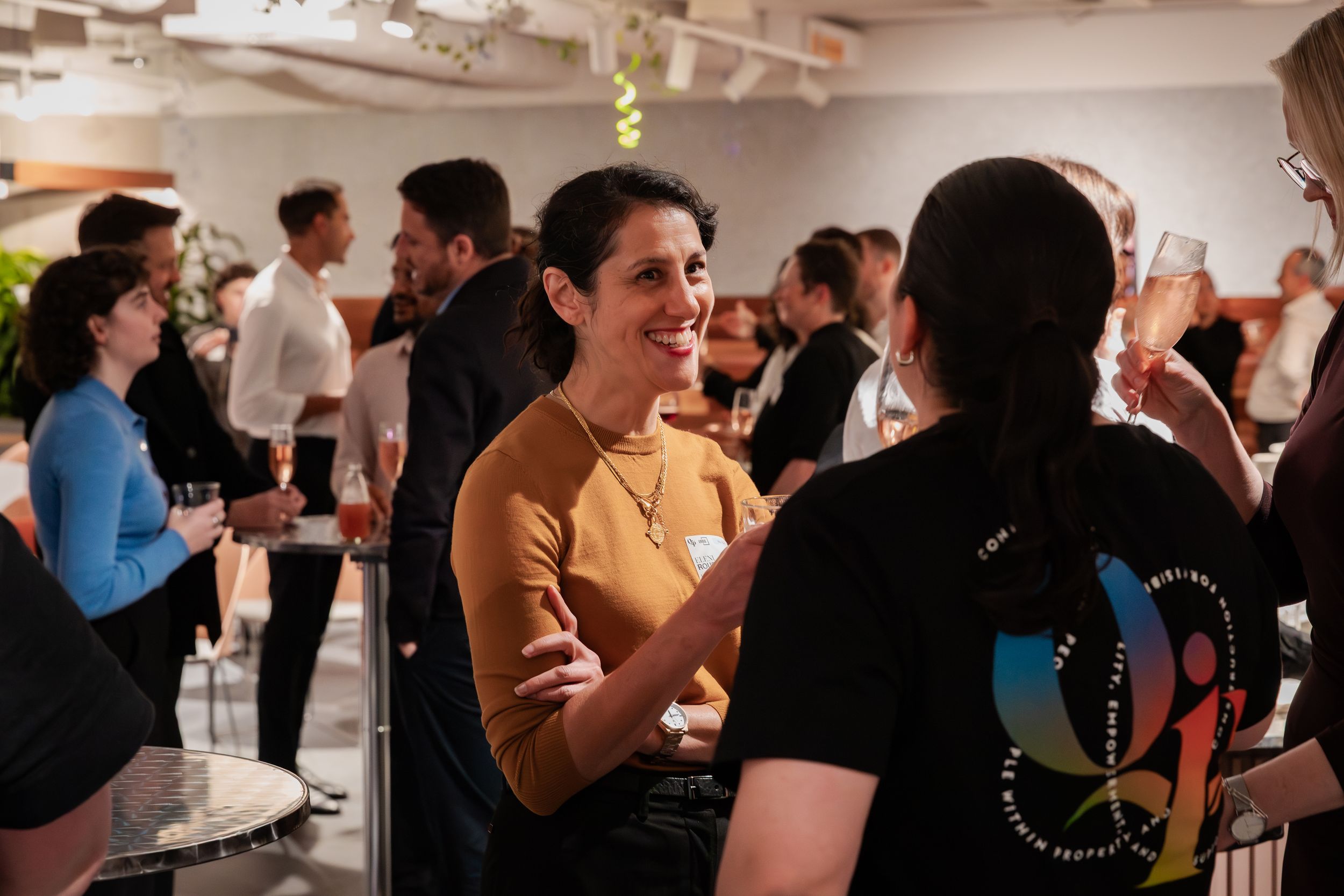
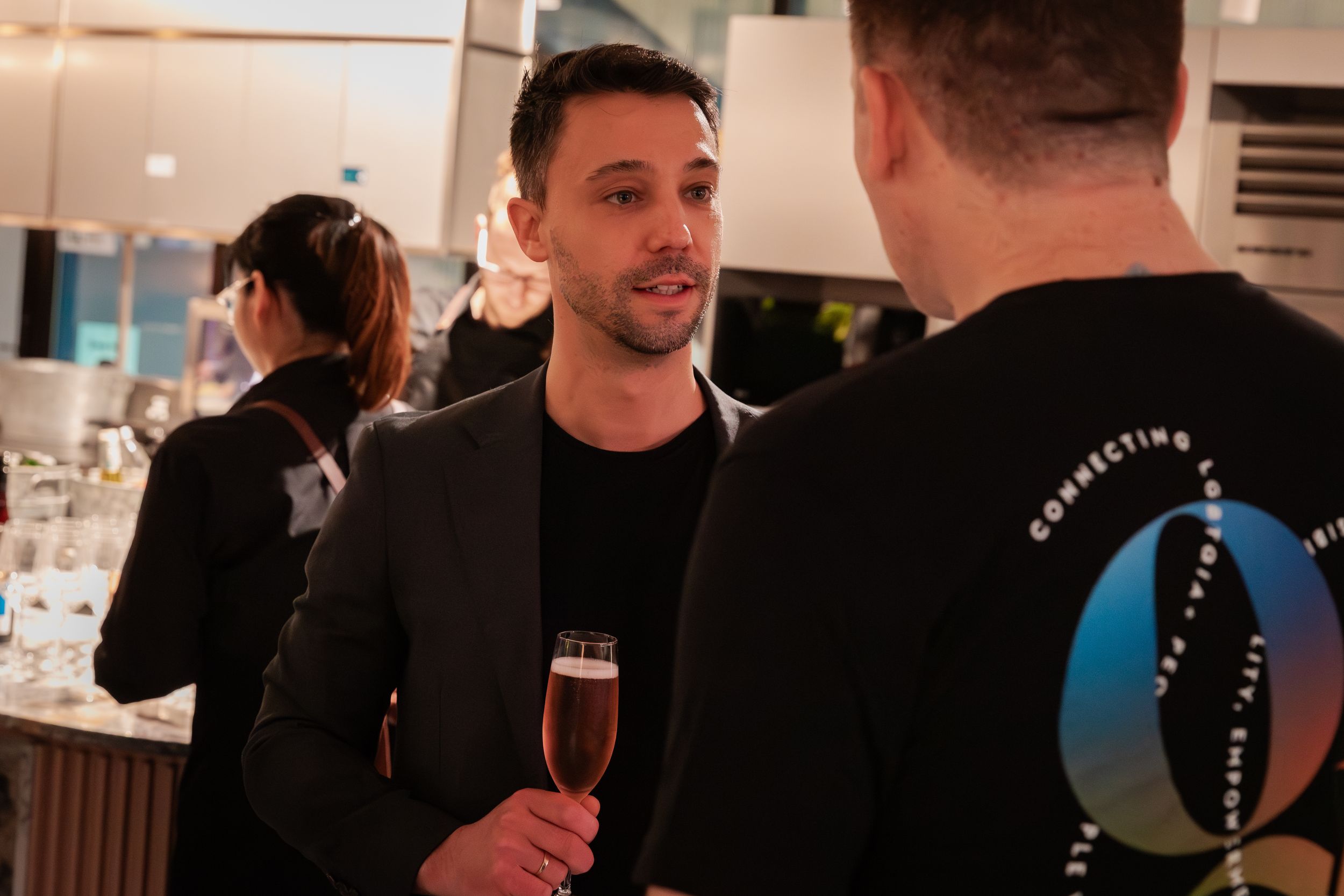
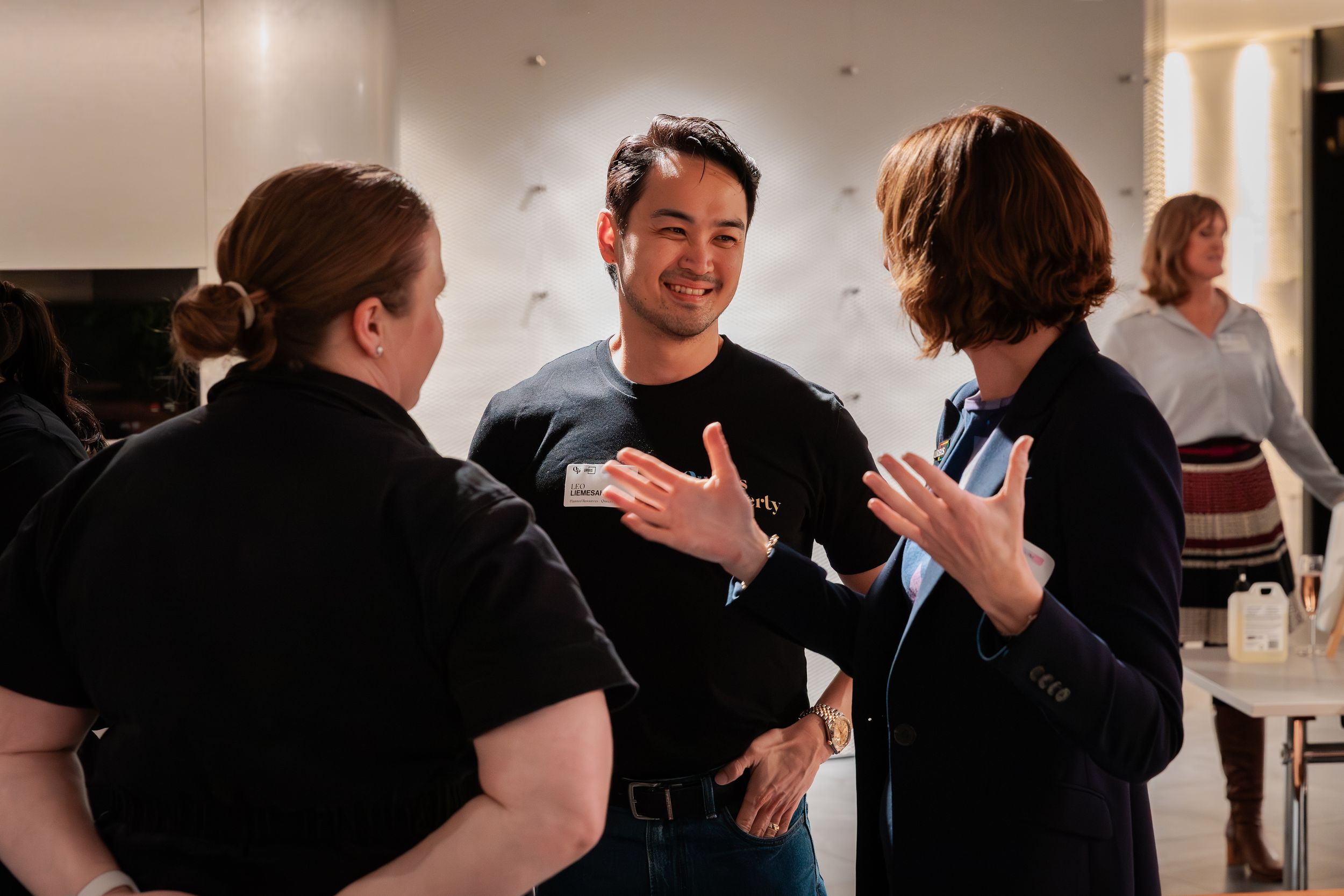
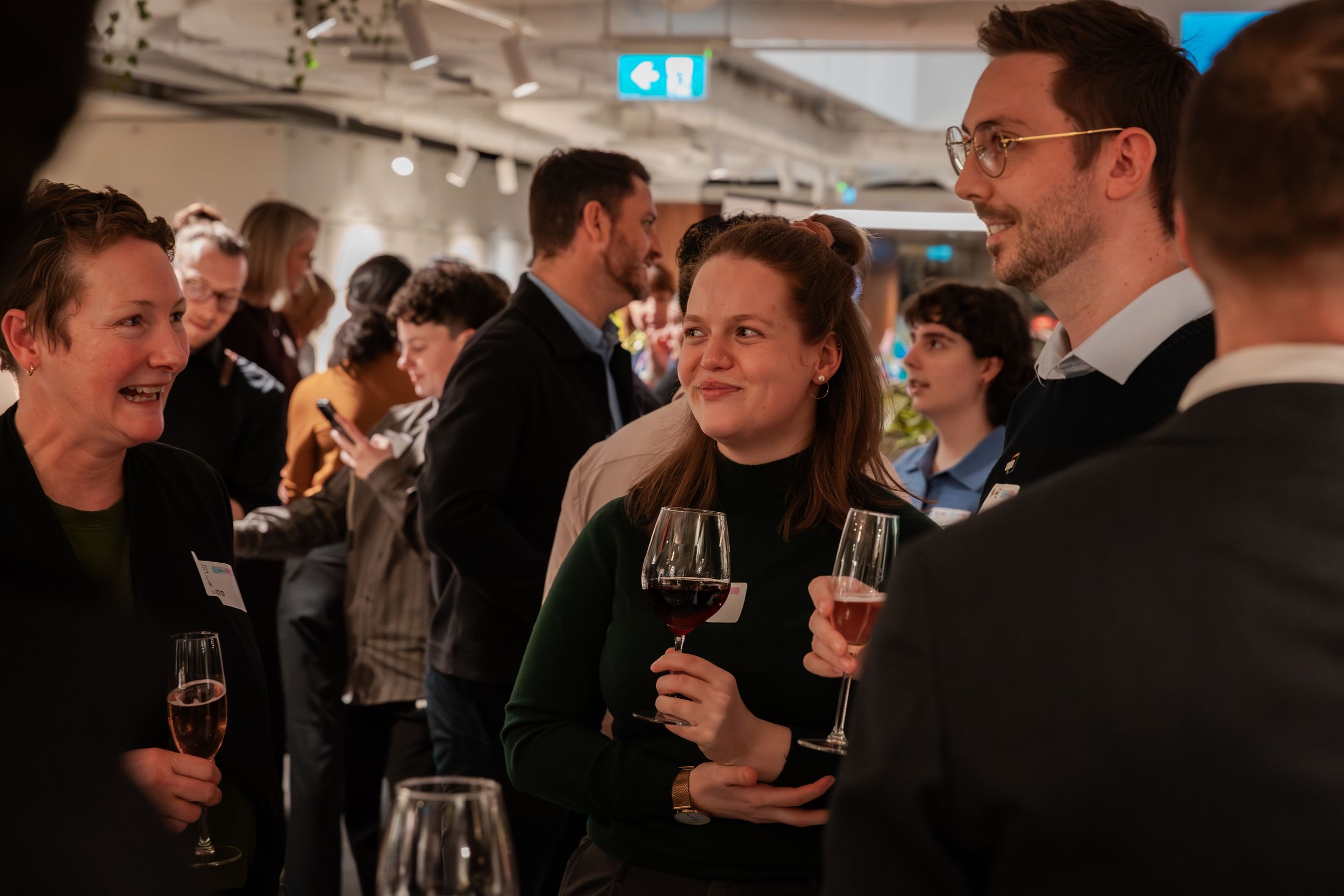
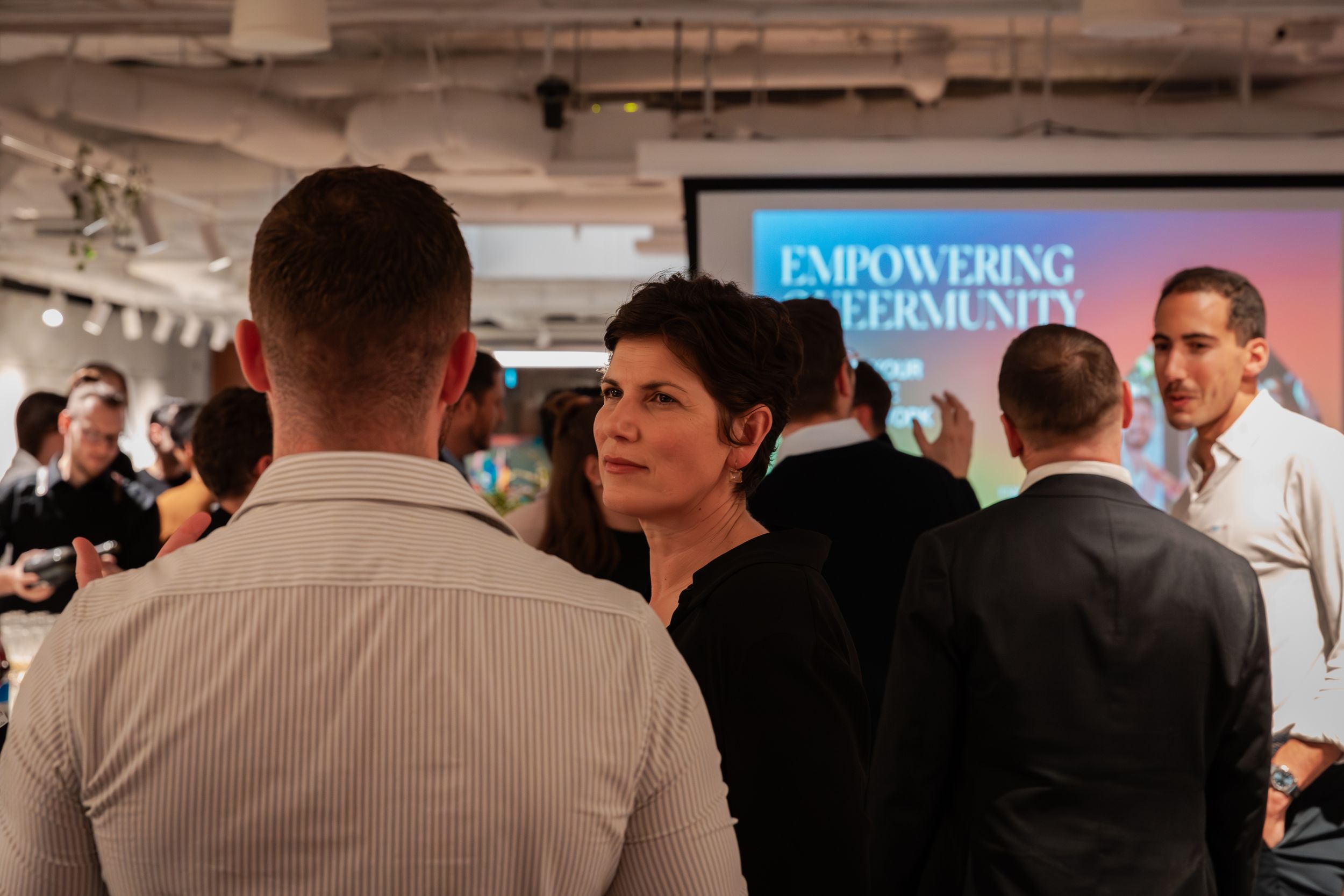
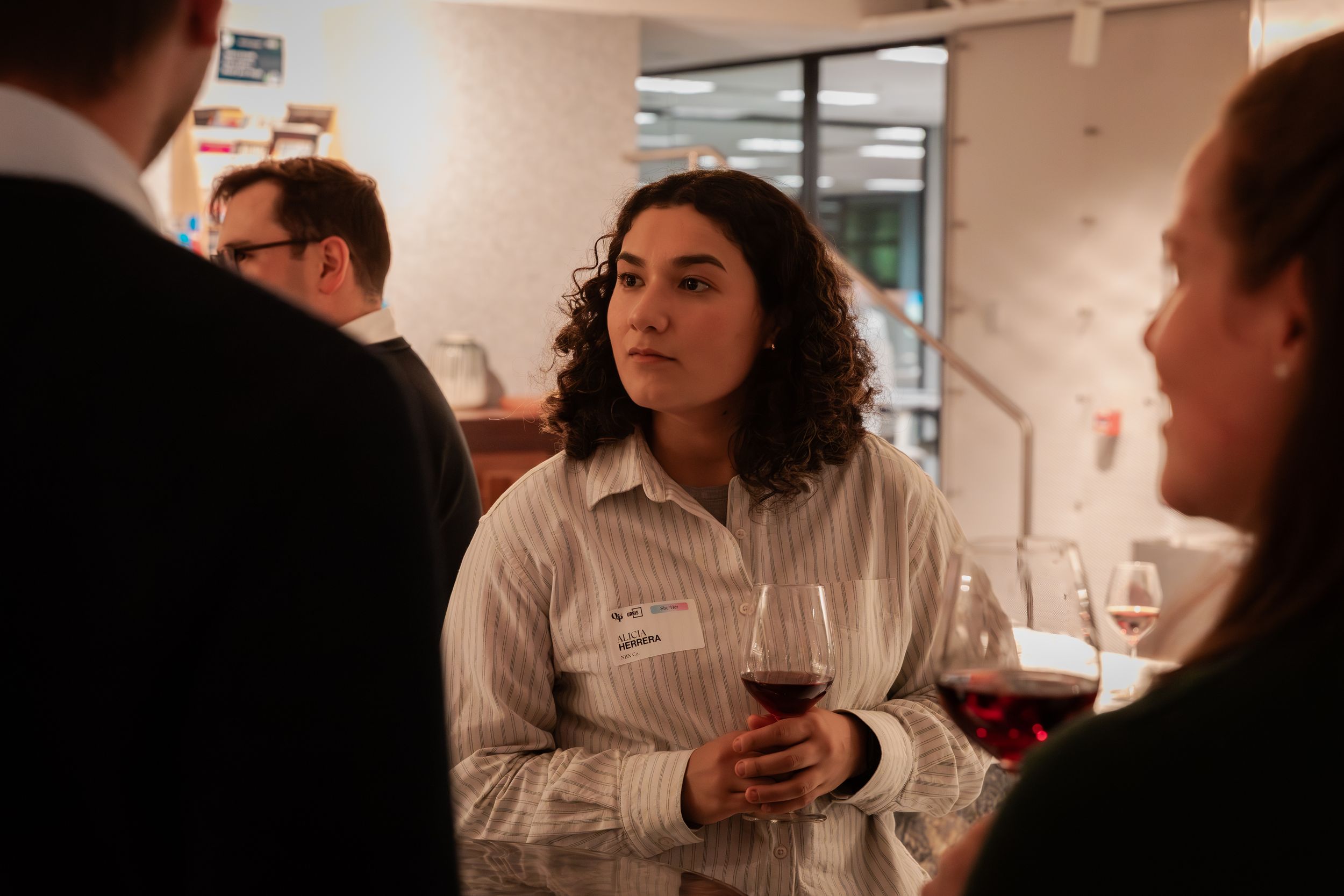
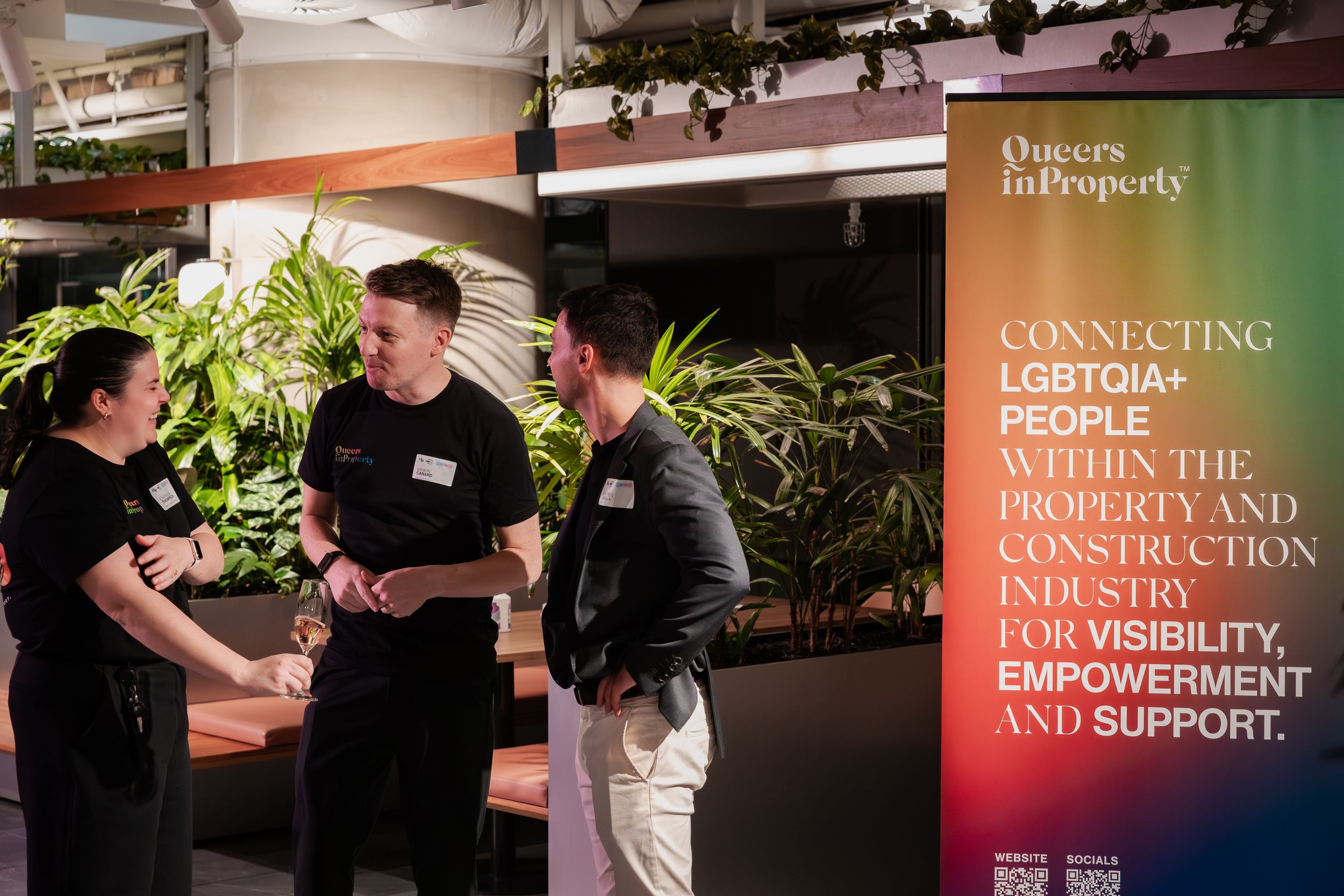
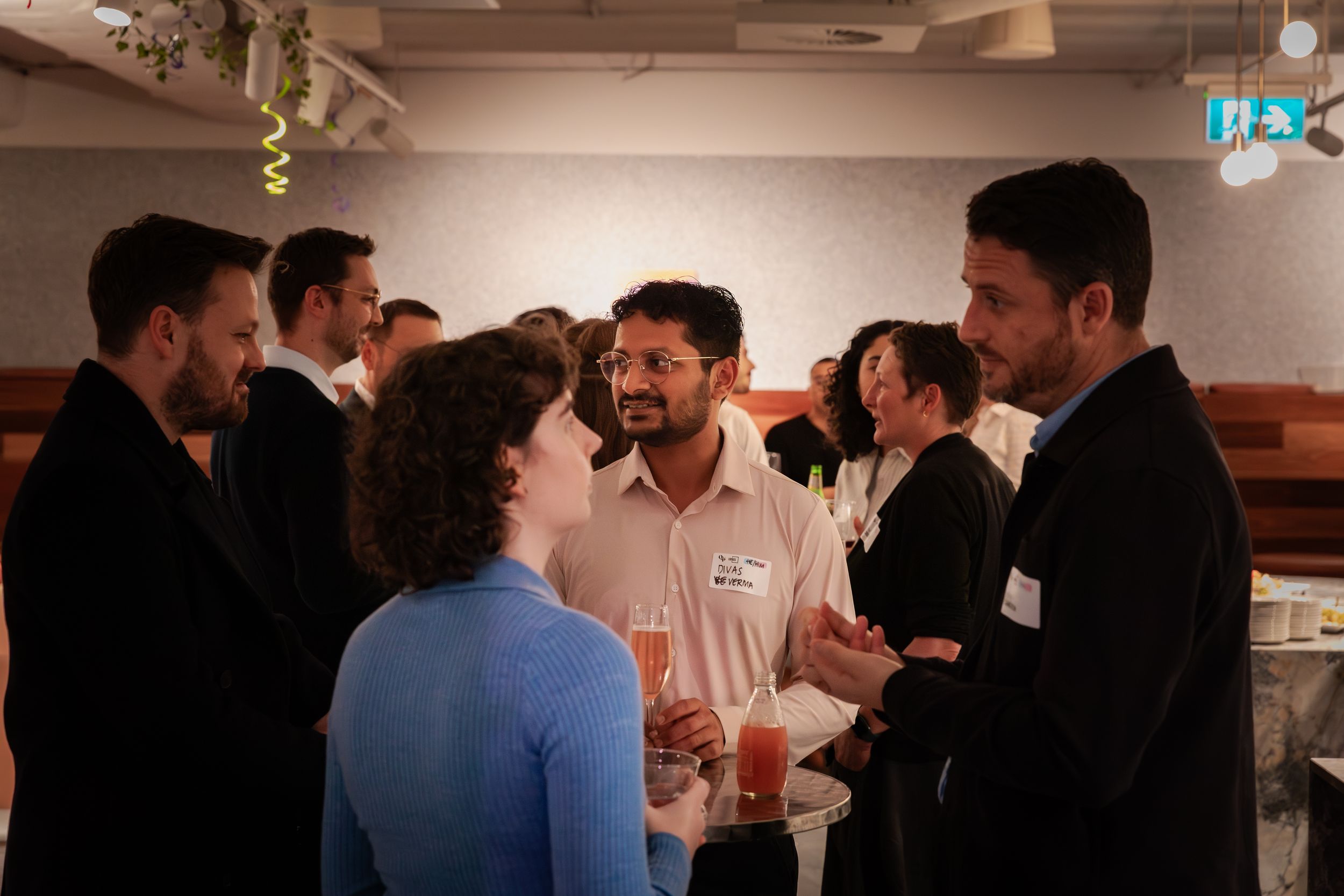
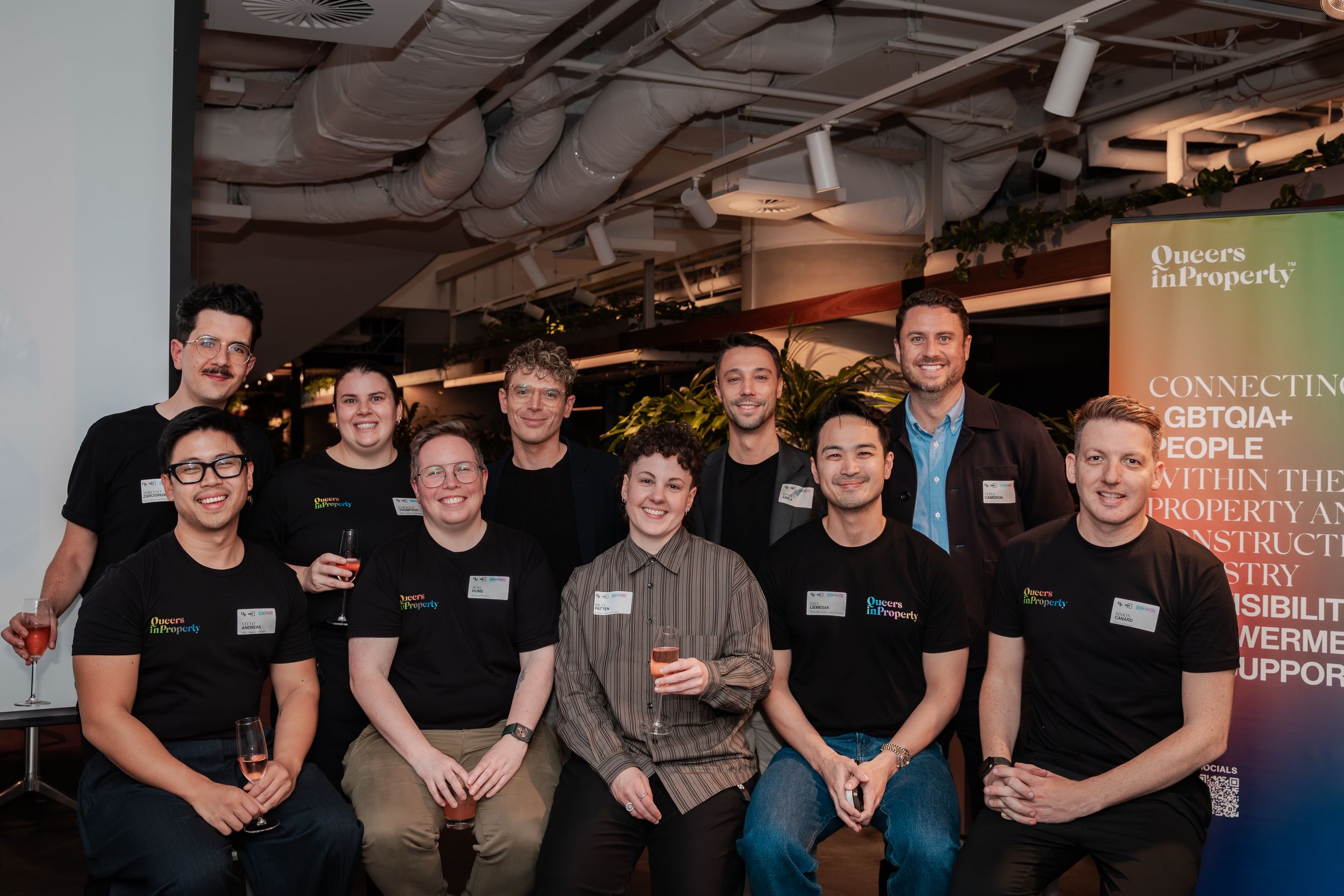
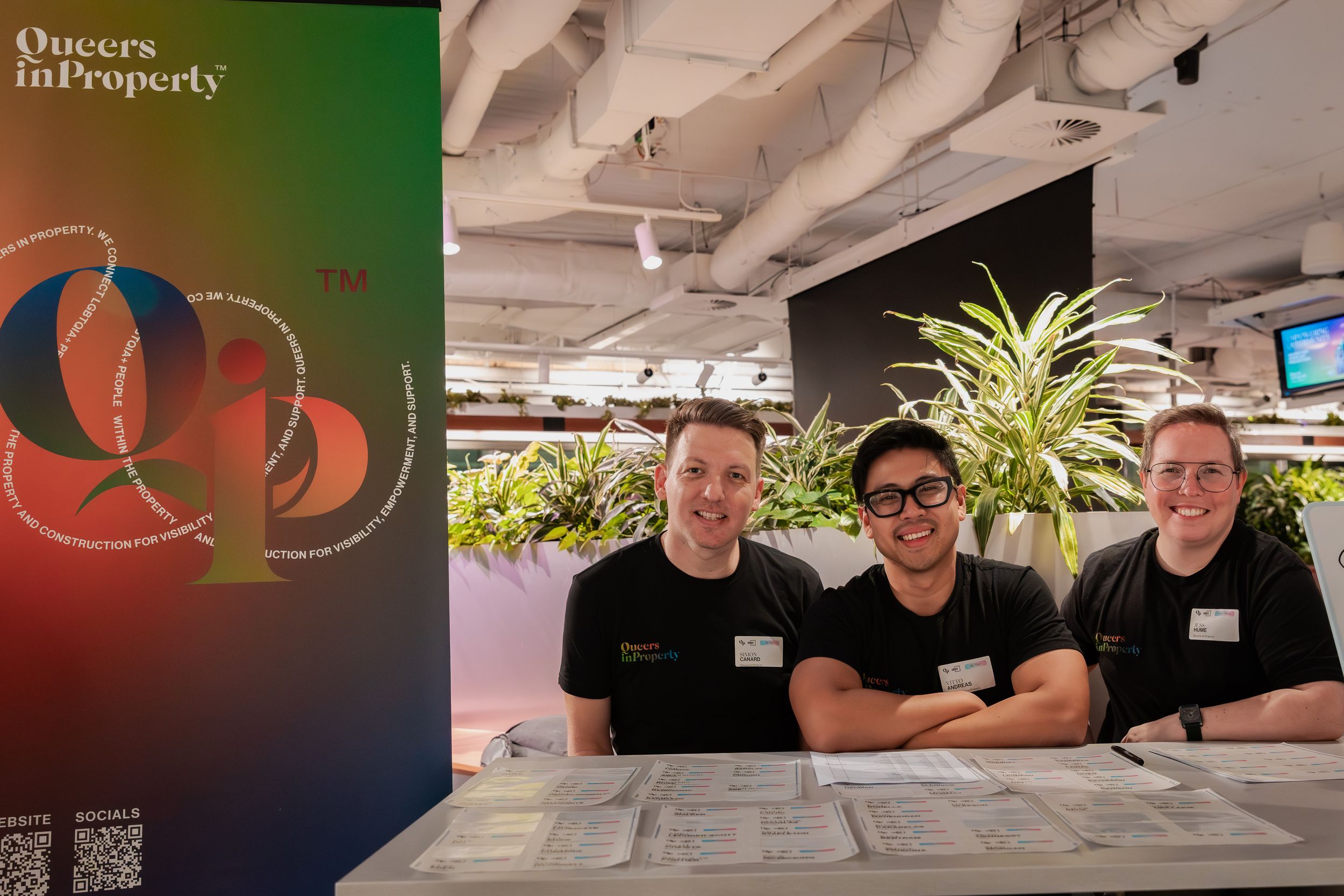
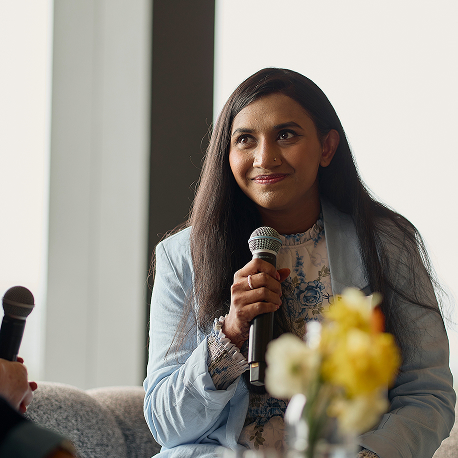
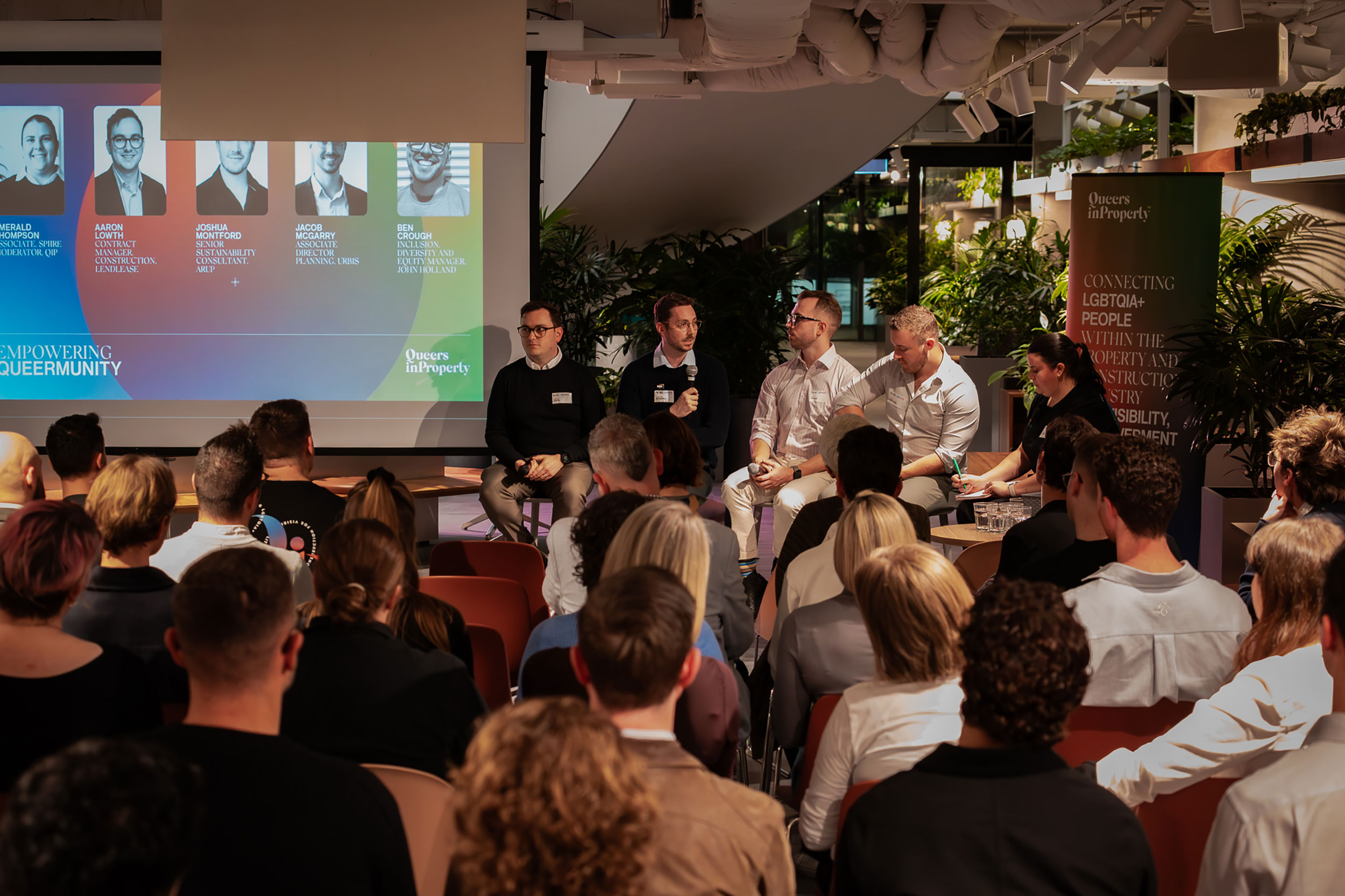
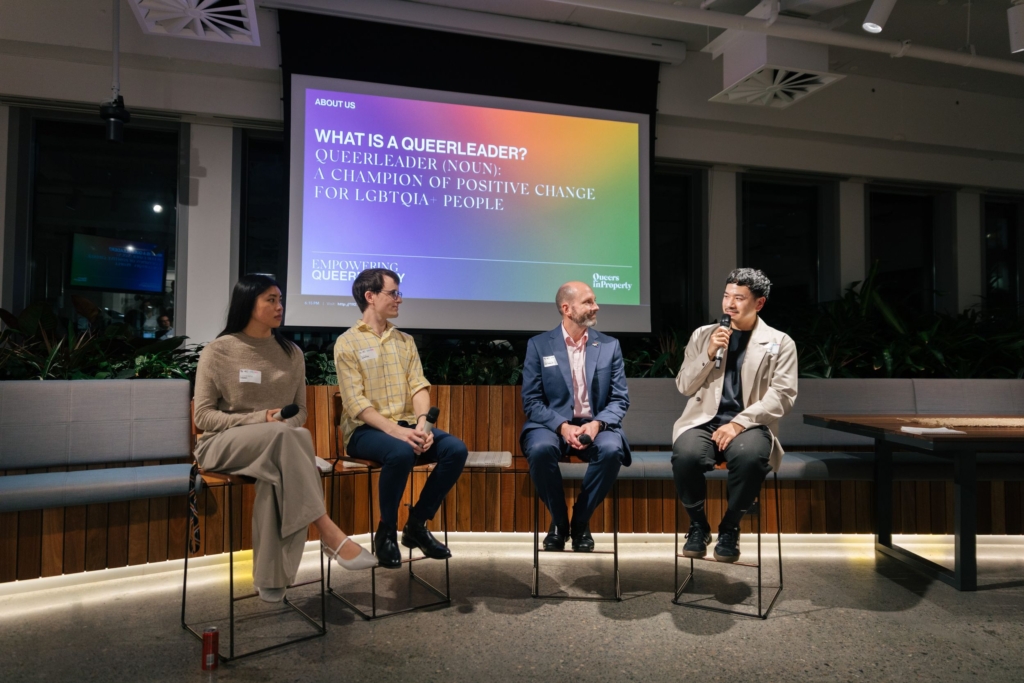
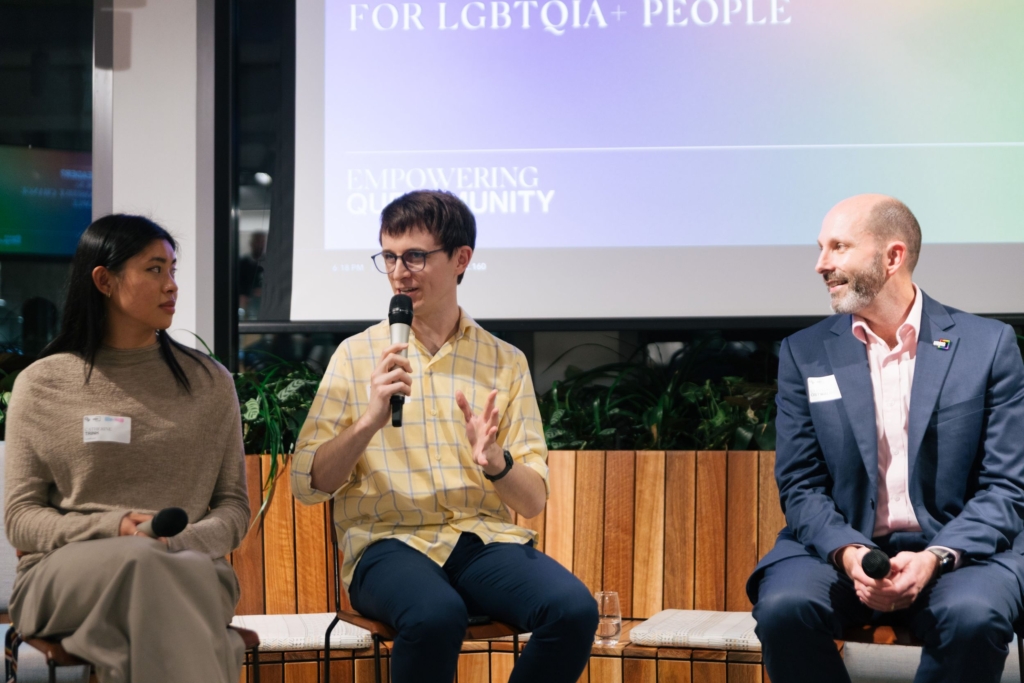
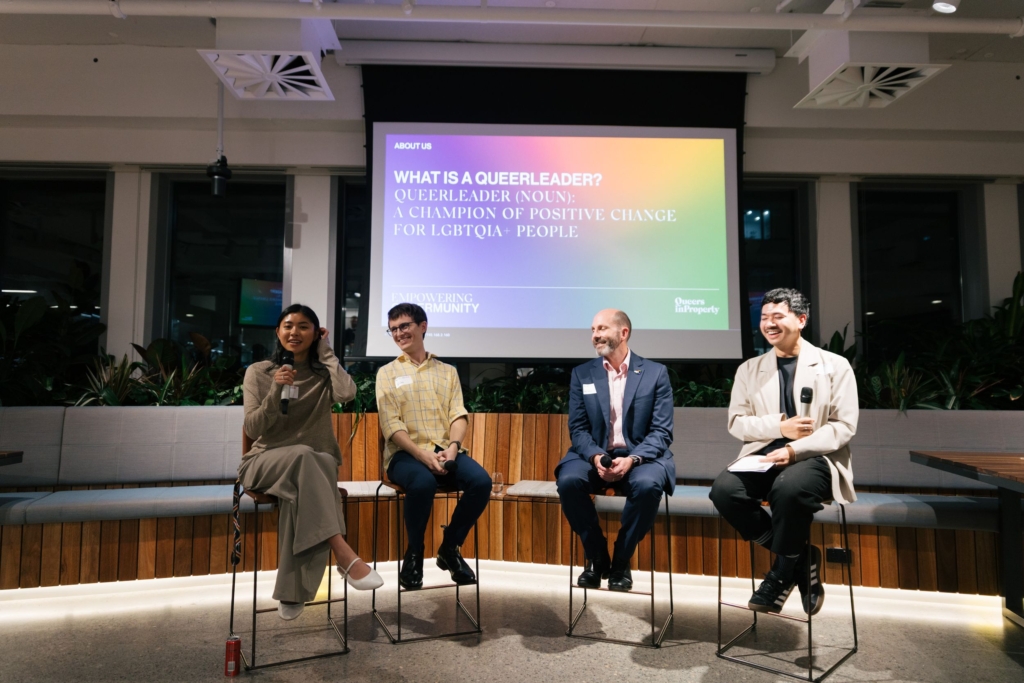
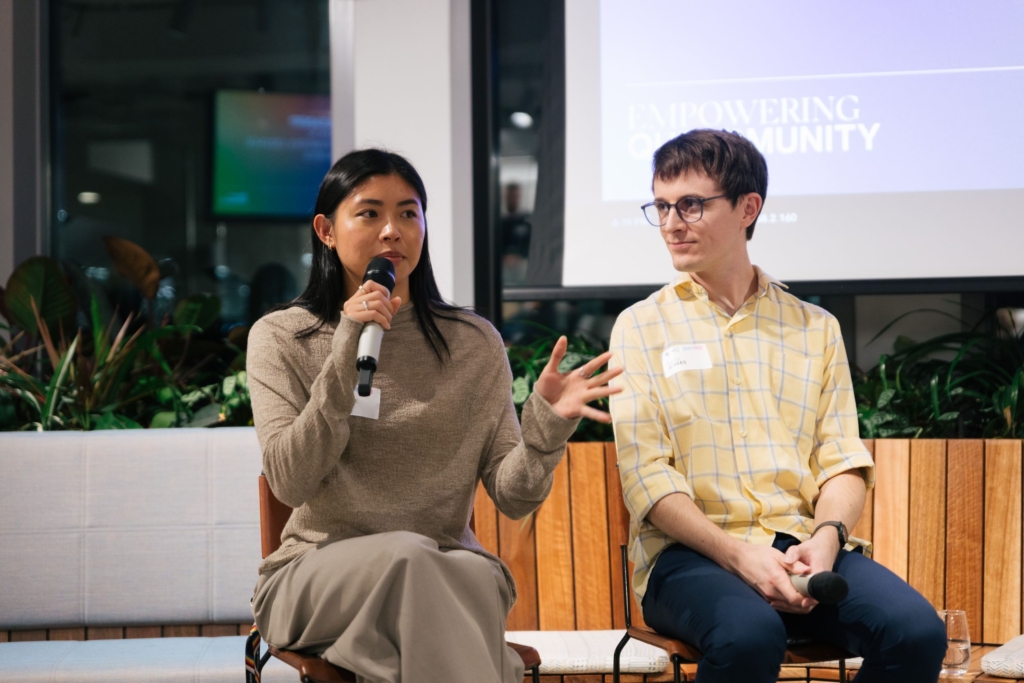
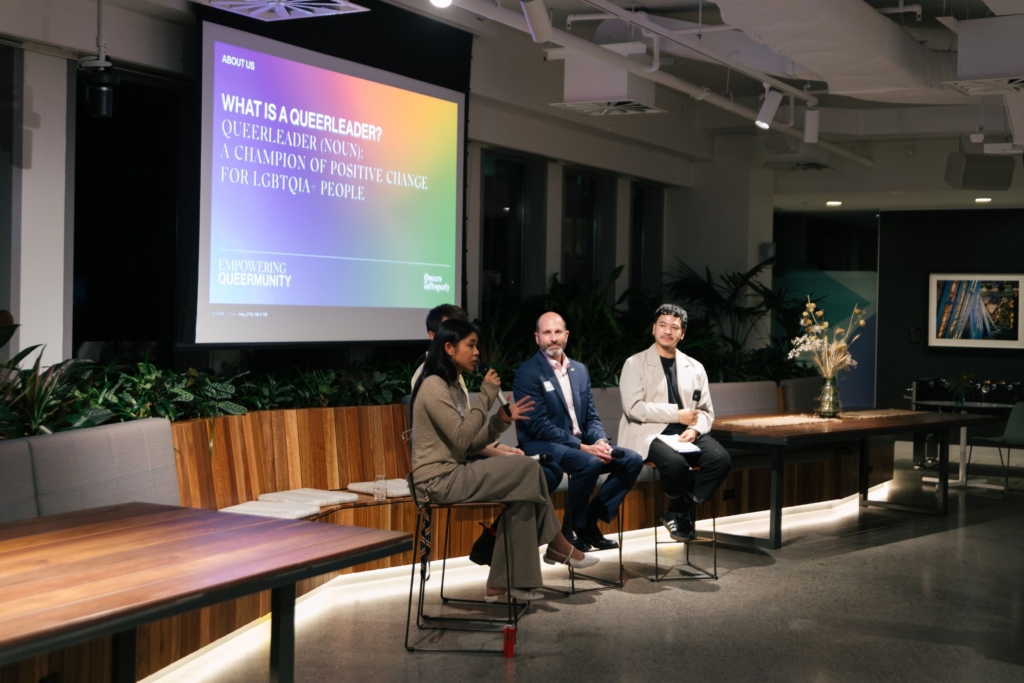
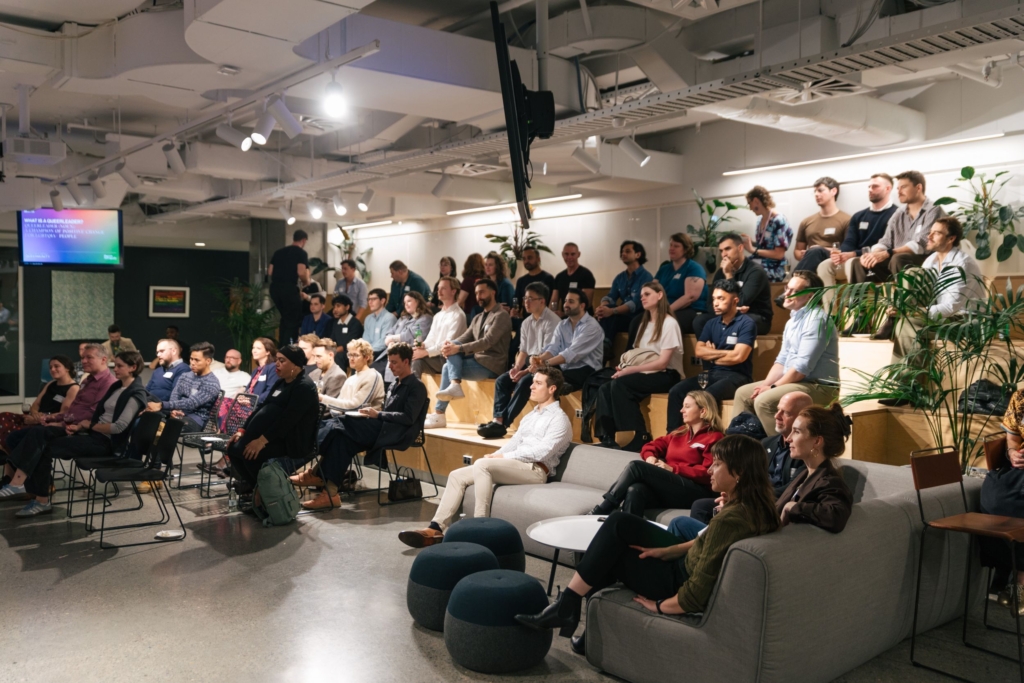
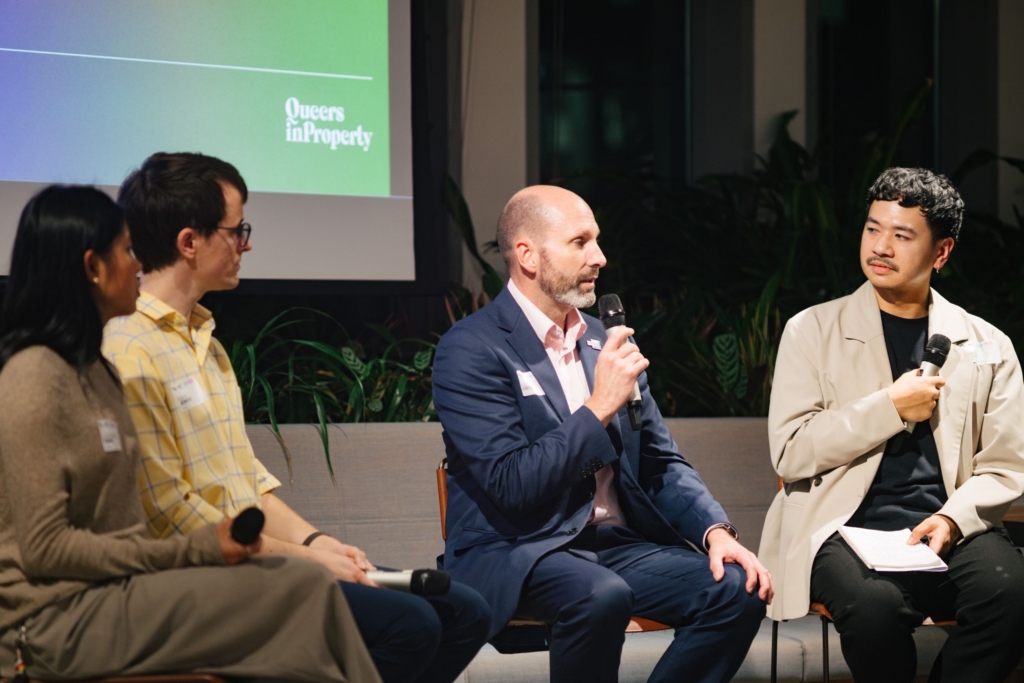
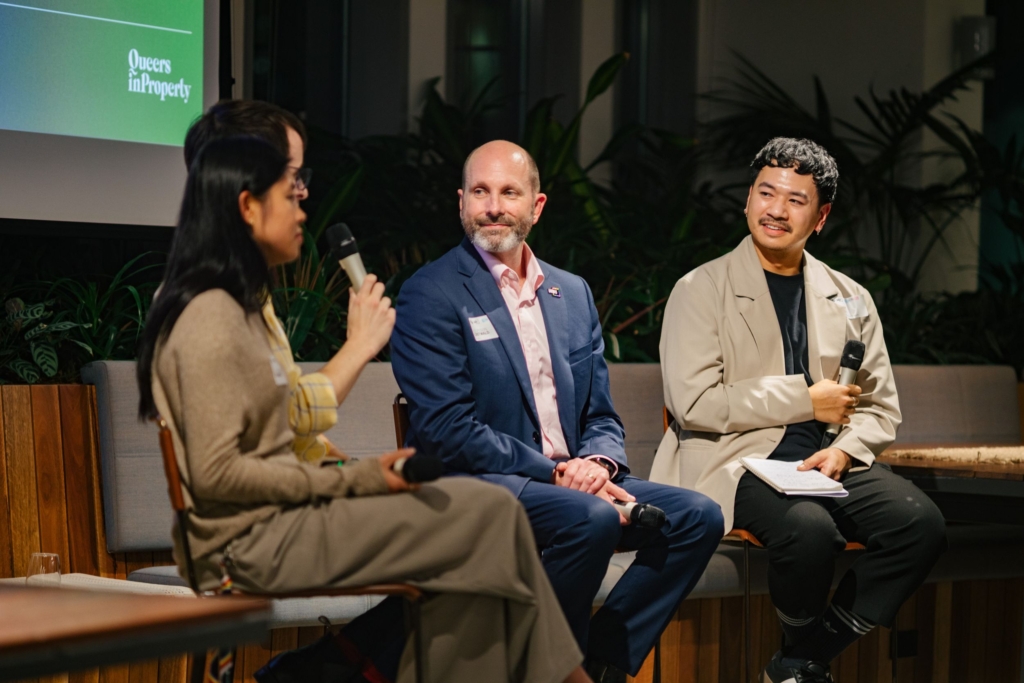
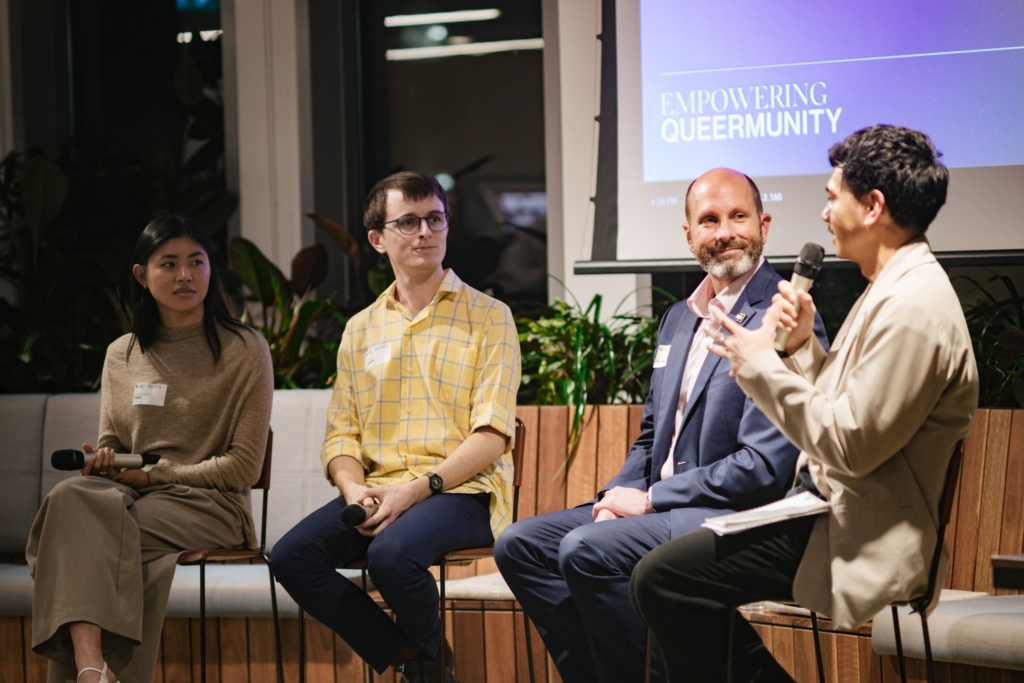
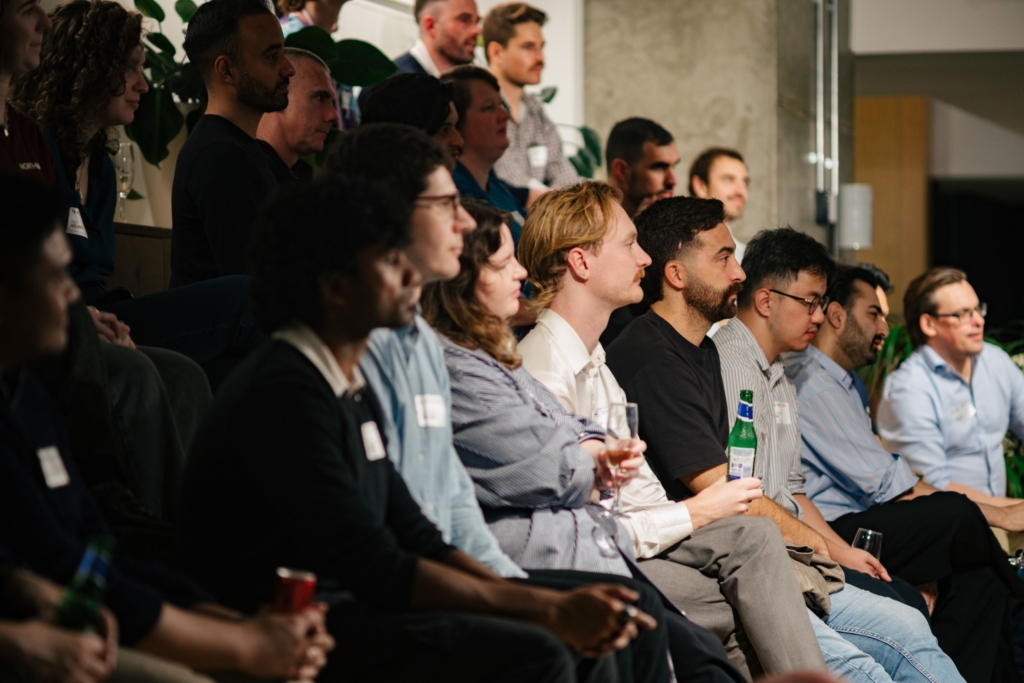
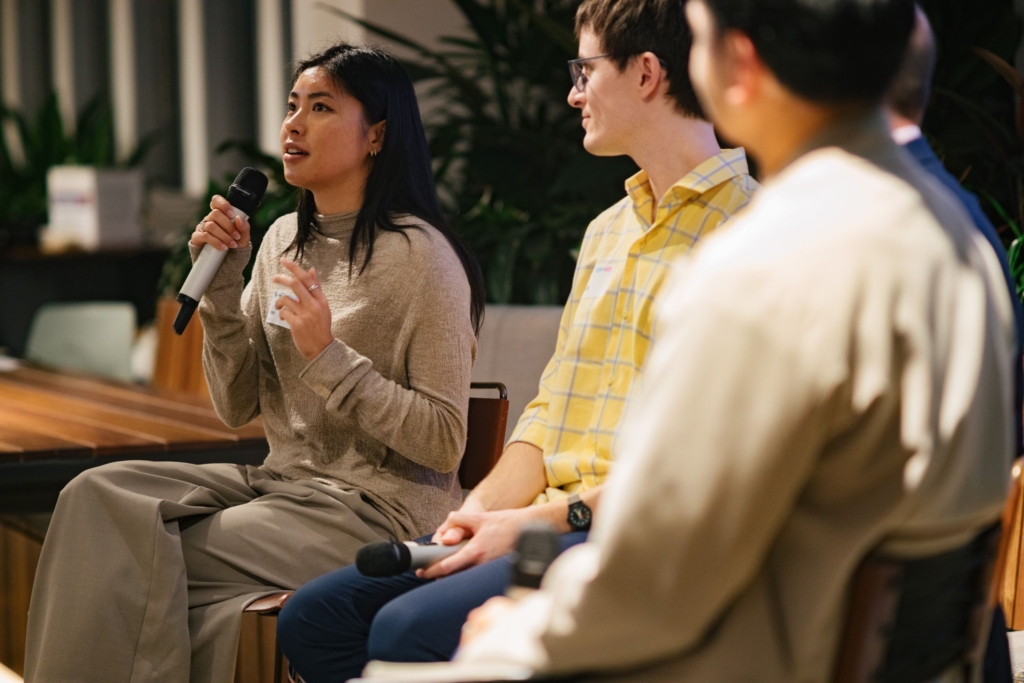
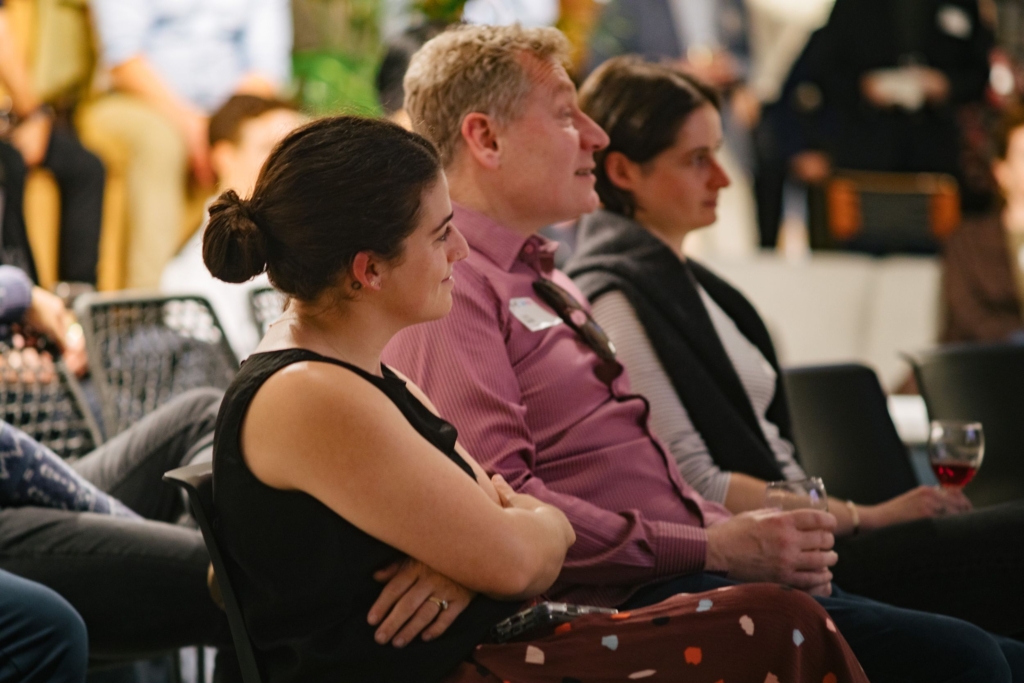
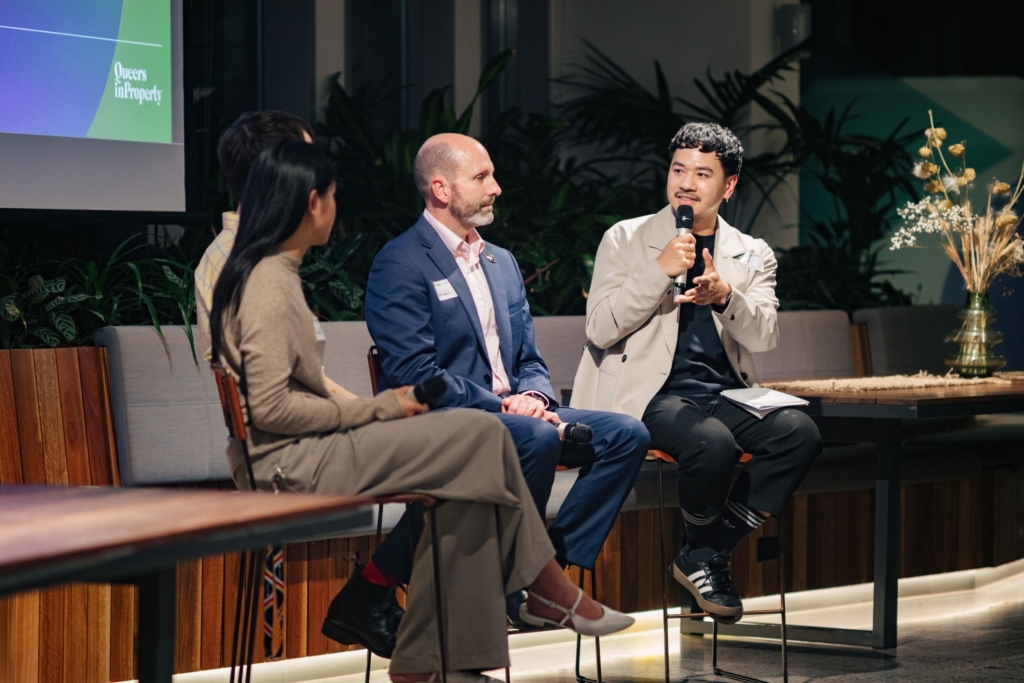
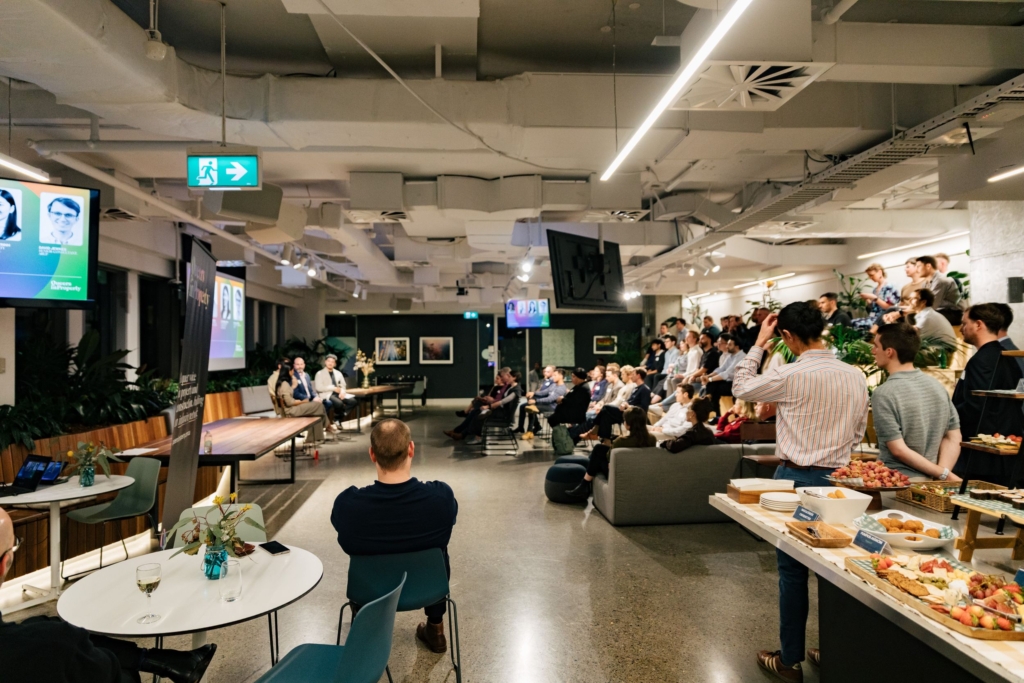
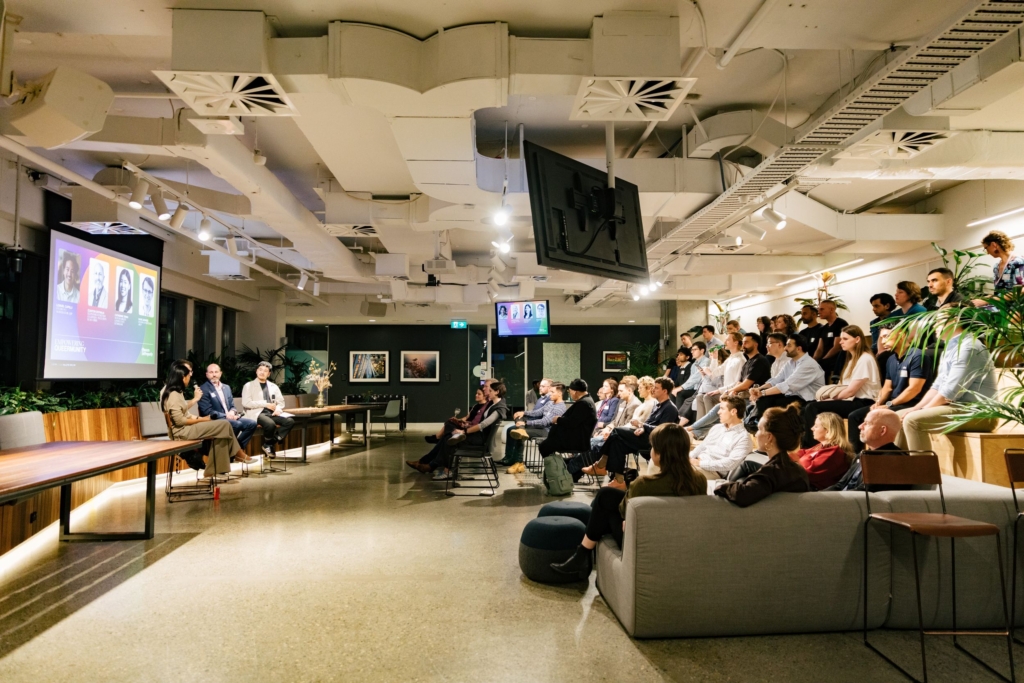
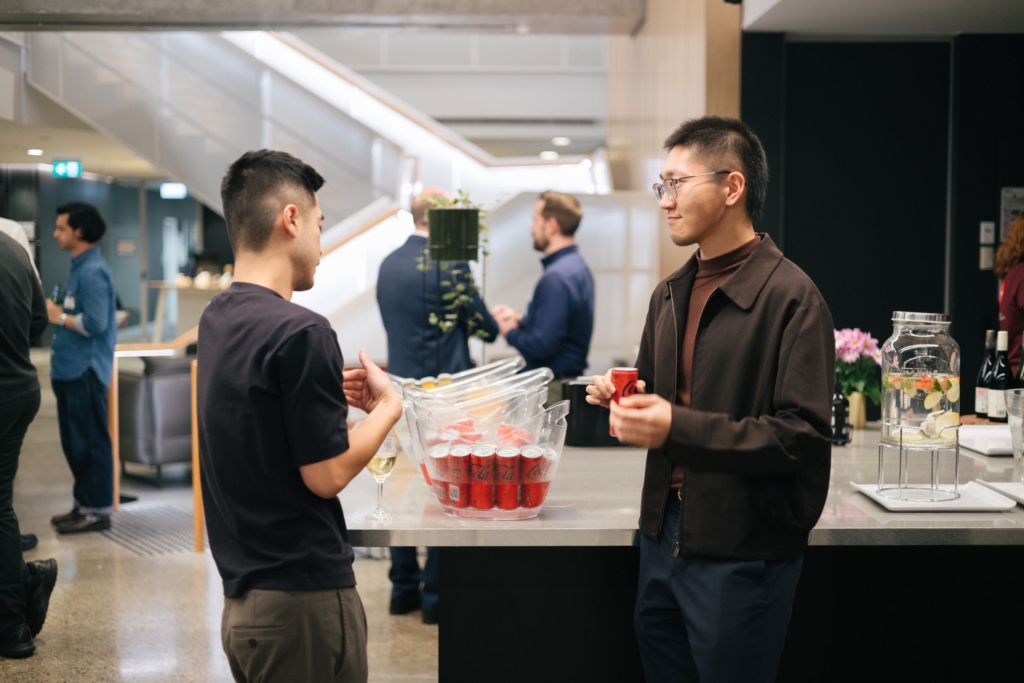
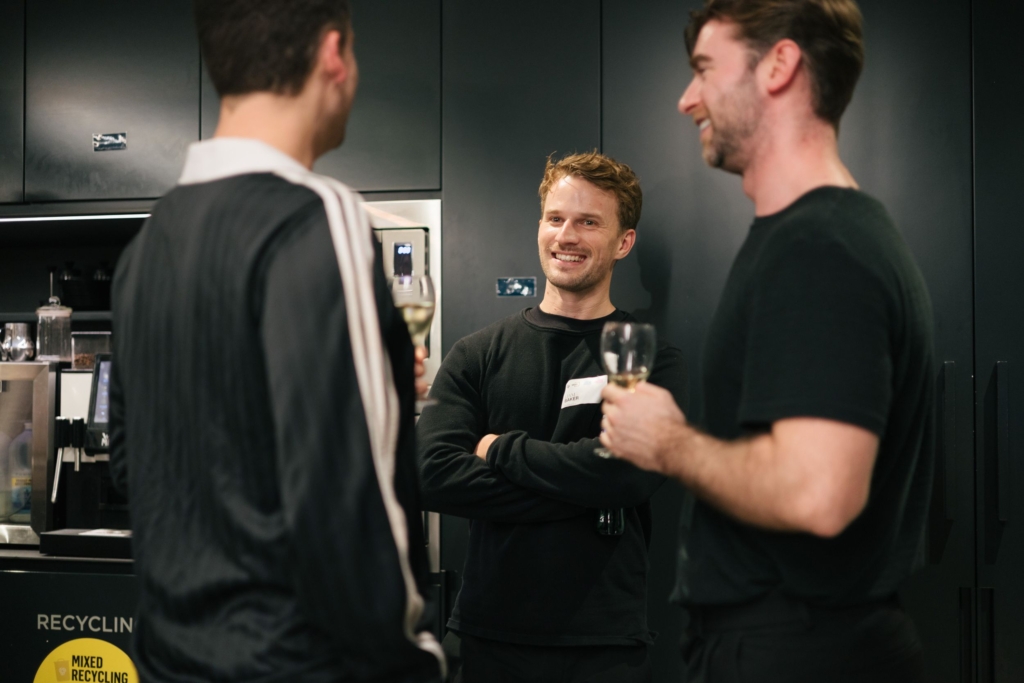
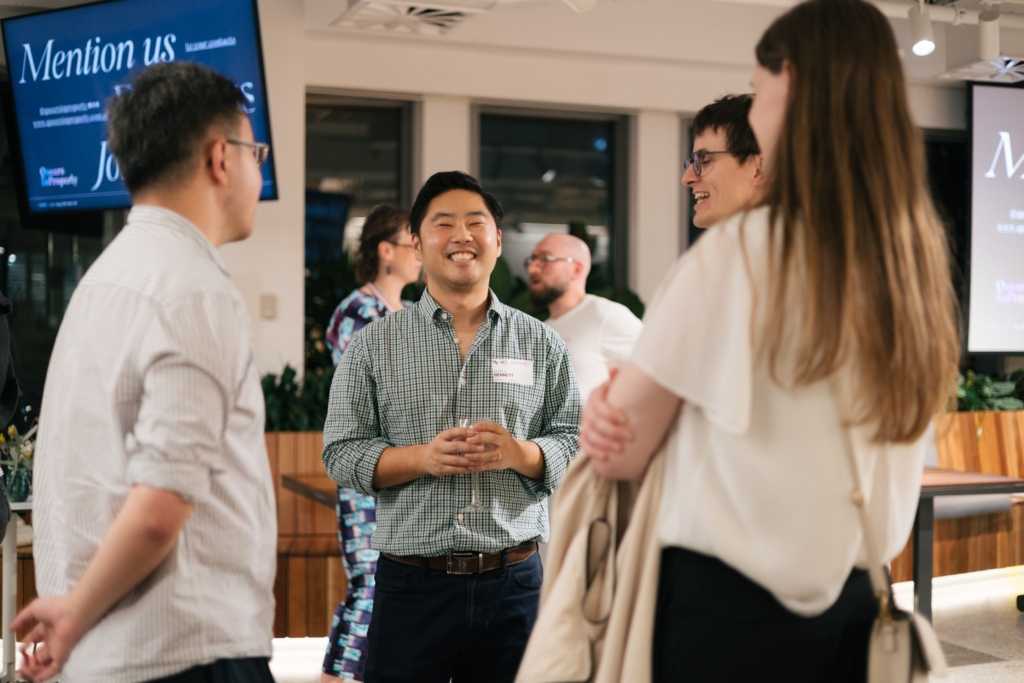
Essential not just for LGBTQIA+ people in the workplace, but now proven for the bottom line too — where does an organisation begin? For many, the starting point is an Employee Resource Group (ERG): a voluntary, employee-led network where people with shared identities and experiences — and the allies who support them — can find community, shape culture, and turn lived experience into real change. Queers in Property’s recent Naarm/Melbourne panel “Supporting Queermunity”, hosted at the office of national partner Urbis and moderated by Committee Member Emerald Thompson (she/her) of Spiire, brought together four industry leaders to examine exactly that: how ERGs in property and construction are built, sustained, and made to matter.
Finding your people at work
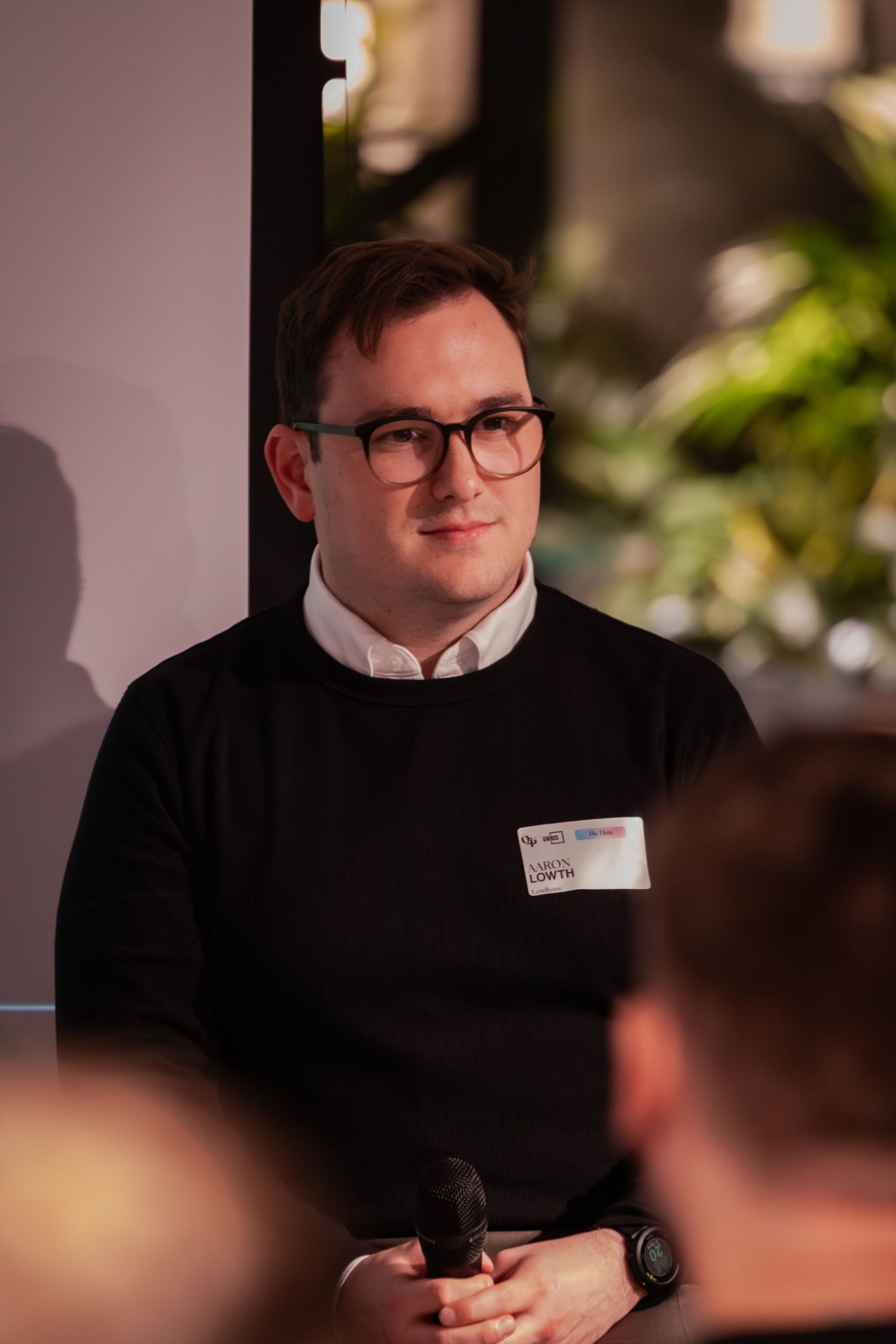
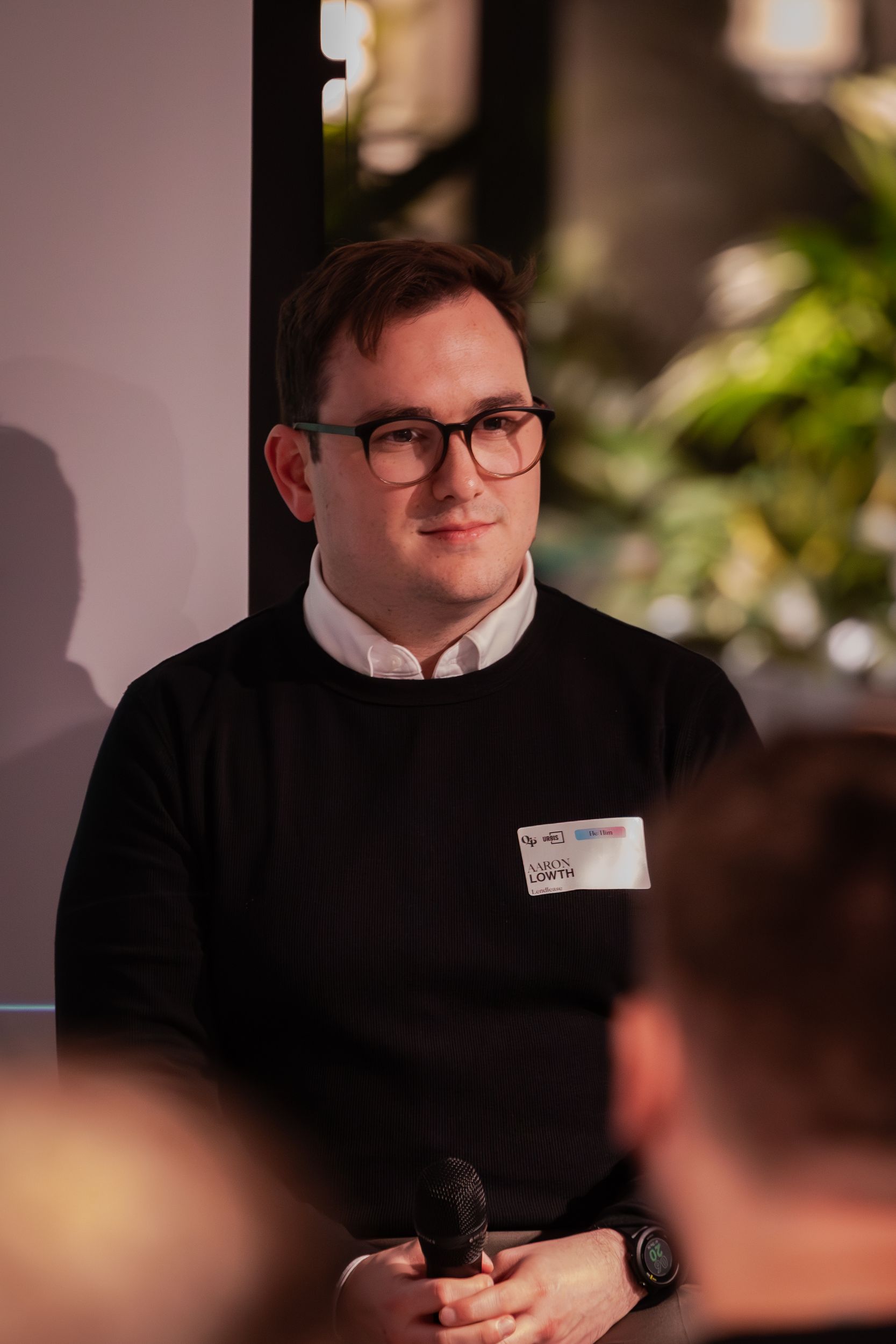
For Aaron Louth (he/him), Contract Manager at Lendlease, the entry point was personal. Joining the company as an undergraduate more than a decade ago, he was nudged into Lendlease Pride network by a senior manager who was “out” at work.
“Being involved on and off over the last ten years has really given a great sense of belonging and really a great sense of acceptance in what is, as we know in our industry, a very hetero male-dominated field.” That sense of acceptance proved most tangible during the marriage equality plebiscite, when the network provided a quiet refuge amid a politically charged moment. The lesson stayed with him: when the Voice referendum of 2024 arrived, Lendlease drew directly on that experience to support First Nations colleagues through what Aaron called “a grieving process.”
Joshua Montford (he/him), Senior Sustainability Consultant at Arup, arrived at his role through a different kind of drive. Moving to Melbourne during COVID, Josh relaunched Arup’s Midsumma float — now in its fourth consecutive year — as a visible signal to the city and to colleagues that the firm is a place where queer people belong. Even the less loud moments of finding community are critical: a graduate on his first day, noticing a Pride laptop sticker, who told Josh later how safe he’d felt in that instant.
“We sometimes forget how amazing it is to walk into a space, see something and feel immediately at ease.”
Building networks that last
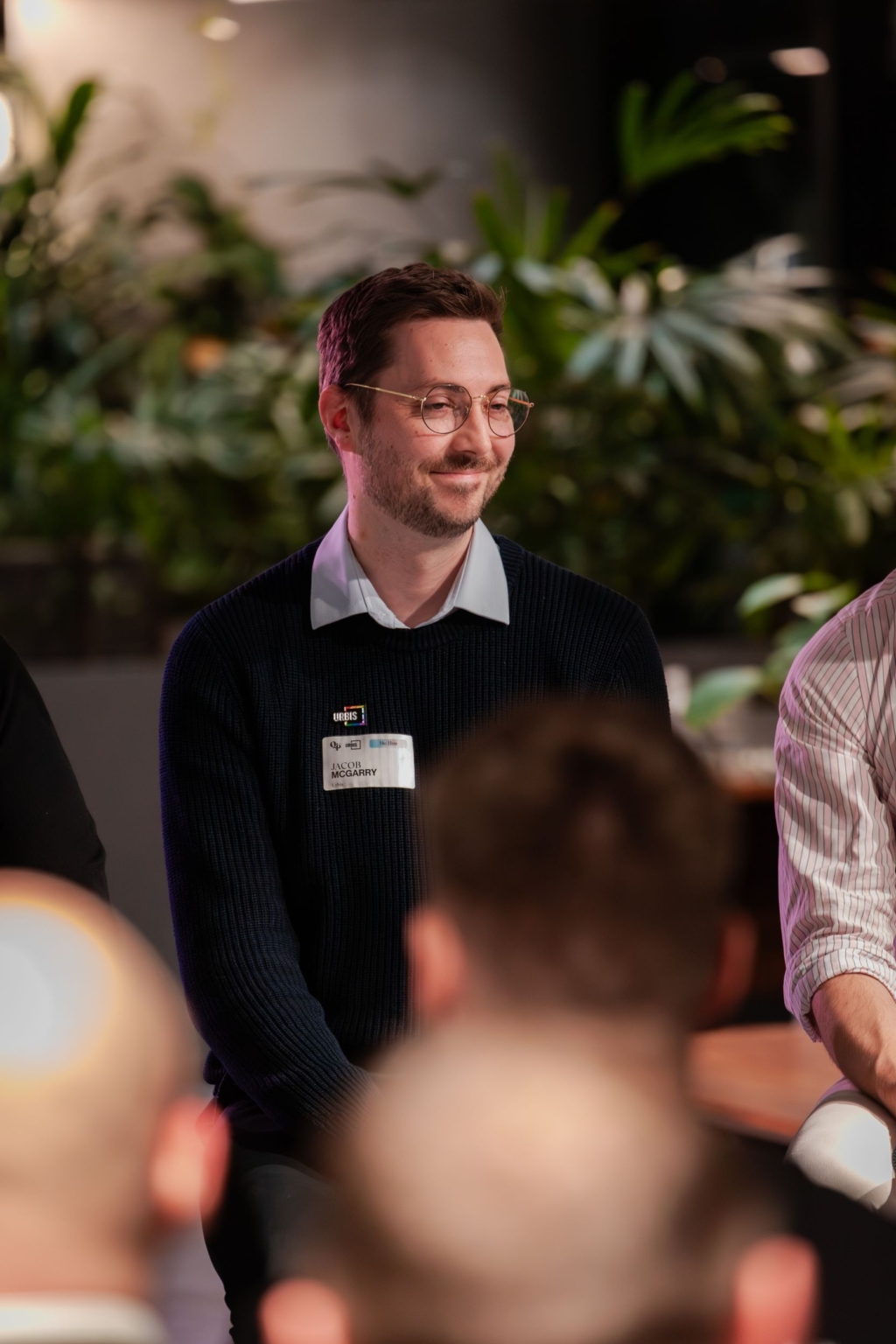
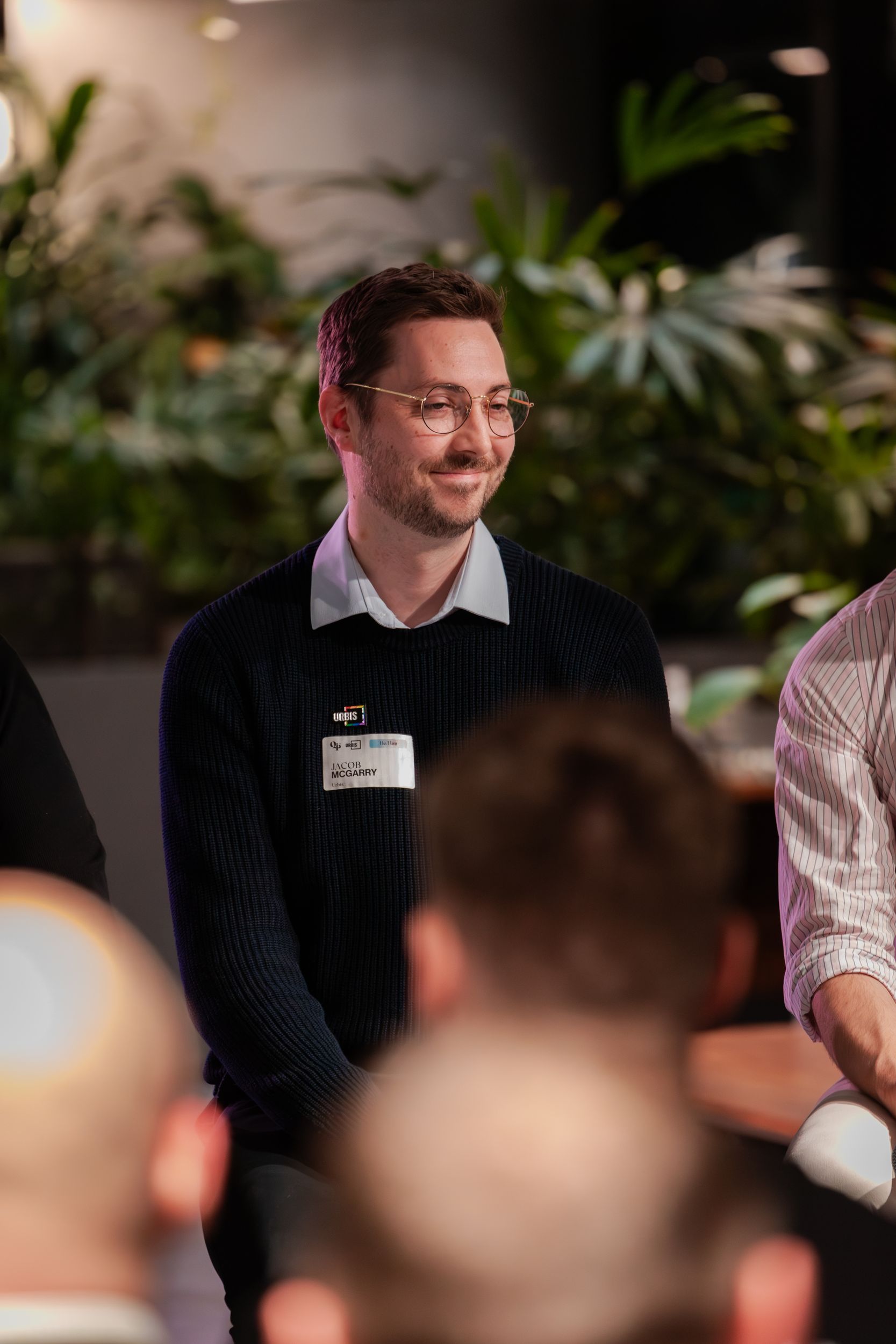
Jacob McGarry (he/him), Associate Director at Urbis, helped establish uPride less than two years ago. His motivation was simple: the firm was already a good place to work, but goodwill is not the same as active inclusion. “I never necessarily felt excluded, but there wasn’t any sort of active inclusion.” Building uPride from the ground up — finding the people, creating the space, earning the trust — has taken time, but the rewards have been tangible. Colleagues across the national business now have somewhere to turn, conversations are happening that weren’t before, and the group has started to make its mark beyond the office too, joining Queers in Property’s Pride March for the first time this year. “Sometimes the hardest thing is just getting it started.”
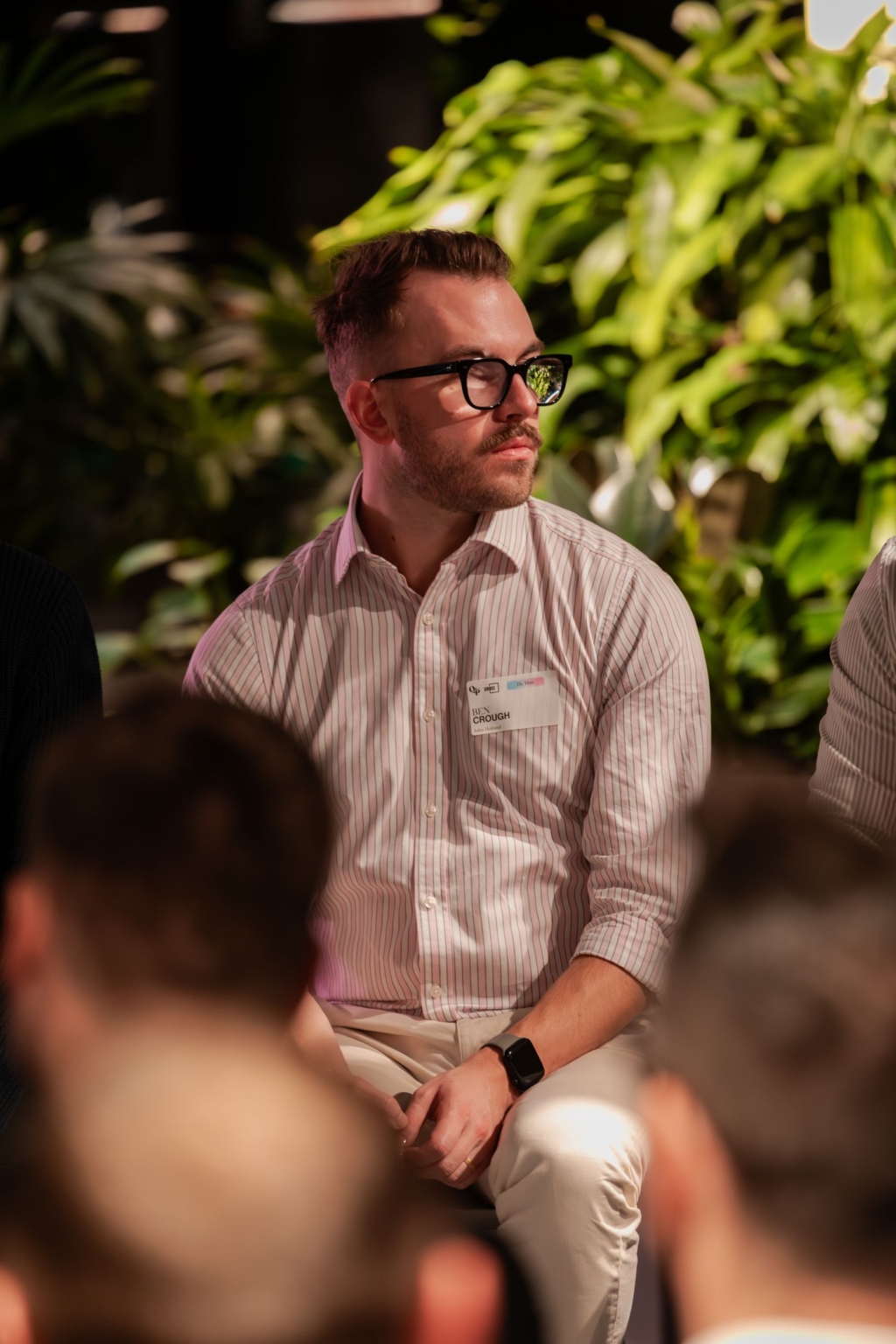
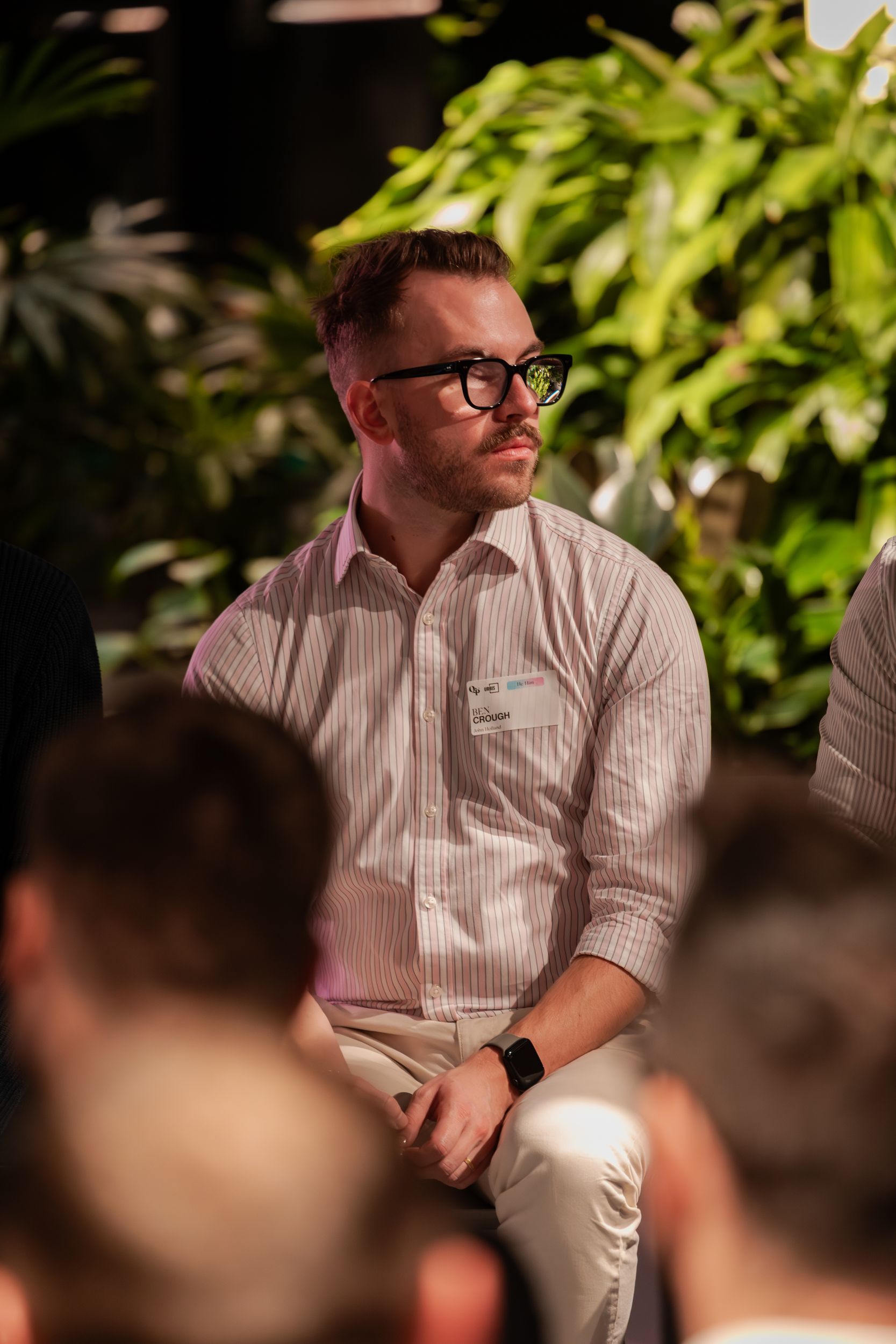
Ben Crough (he/him), Inclusion, Diversity and Equity Manager at John Holland, approaches the work from a structural perspective. Where others spoke of culture, Ben spoke of architecture — the frameworks, benchmarks, and policies that hold inclusion in place. He pointed to the Australian Workplace Equality Index (AWEI) and peak body Pride in Diversity as practical touchpoints for organisations serious about measuring and improving their performance. And he was direct about the gap between visible celebration and invisible infrastructure. “It’s those things that allow organisations to talk about how you get the invisible inclusion right” — the grievance training, the coded reporting of discrimination, the gender affirmation leave, the policies that name non-binary and transgender experiences explicitly.
When the tide turns
Ben named what he sees as the most urgent near-term challenge: the rollback. Geopolitical pressures globally have caused some organisations to quietly retreat from inclusion commitments, and the progress of recent years is at risk of being quietly undone. The business and human stakes of retreat are not abstract. “There’s a real piece of getting back in there and making sure ERGs exist,” he said. Several organisations in the property and construction industry, he noted, have already pulled away completely.
Aaron echoed the concern from a different angle. Pride networks are not linear — they rise and fall with leadership, organisational change, and the energy of the people carrying them. The work of building inclusion is never finished, and the institutional knowledge that sustains a network can walk out the door when people leave. “Get people around you that you can share the load with — so you don’t just have the network sitting on one person’s shoulders.” For organisations tempted to step back, he offered a simple redirect: “Tap into groups like Queers in Property, like Building Pride. You can come to events like this, be surrounded by like-minded people, without needing to build everything yourself.”
Building for the long game
Joshua raised the stakes of the conversation to a global perspective, describing how his role has expanded to supporting Arup colleagues across the Asia-Pacific region, where the experience of being LGBTQIA+ in the workplace varies enormously. “In Singapore, if an expat employee contracts HIV, Arup has a legal obligation to report it to the government, and that person’s visa is revoked. We’re talking about very different things.” It was a reminder that for global organisations, inclusion cannot stop at the office door or the national border — the responsibility extends to every colleague, in every market, wherever they find themselves.
Jacob, reflecting on Urbis’s position advising governments and clients across sectors, offered the question that may carry the whole conversation forward: “How do we help push, not just queer spaces, but all different kinds of inclusion — and try to shift that narrative with clients from the start?”
Ben’s longer-term vision was about visibility missing from the top and that the leadership pipelines of tomorrow are being built in ERGs today. When queer employees feel safe, feel seen, and are retained, they grow. They get promoted and they reach the executive tables. “That stuff starts from ERGs, where you can feel safe, you can feel seen, and you’re retained in the organisation.” The openly LGBTQIA+ executives, board directors, and chairs that the industry still largely lacks — they are in these rooms right now.
The business case is the human case
What this panel made clear is that inclusion doesn’t happen by accident — it is built, person by person, network by network, policy by policy, in organisations that decide active inclusion is worth the effort and investment. The Deutsche Bank report makes the rational case. The people in these ERGs make the human one. As Joshua put it, describing the moment one of Arup’s most senior leaders in Australia turned up to the Midsumma march with his family: “That meant something to a lot of people.”
For senior leaders and investors reading the numbers, and for the people living them, the message is the same: belonging is not a cost. It is the return.
1 Janssens, K., & Miller, J. (2025). Investor guide to LGBTQ+ inclusion: Enhancing business performance through LGBTQ+ inclusive ESG strategies. Open For Business.
Sydney
Wednesday 27 May,
5.30pm to 8pm
Urbis, Level 8, 123 Pitt St, Sydney NSW 2000
Melbourne
Thursday 28 May,
5.30pm to 8pm
Urbis, Level 10, 477 Collins St, Melbourne VIC 3000
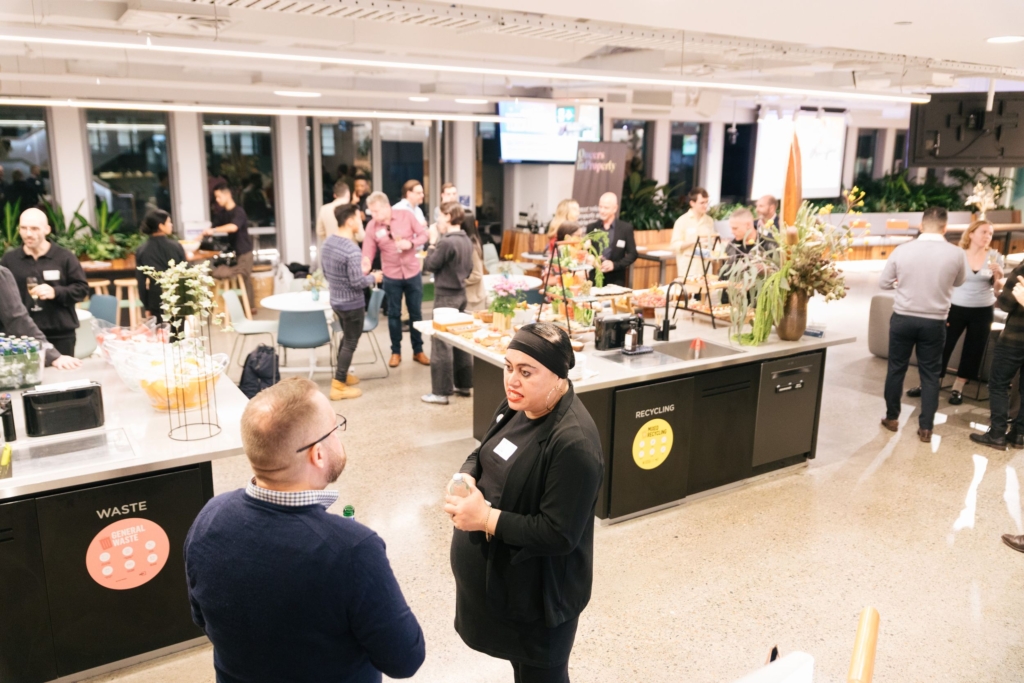
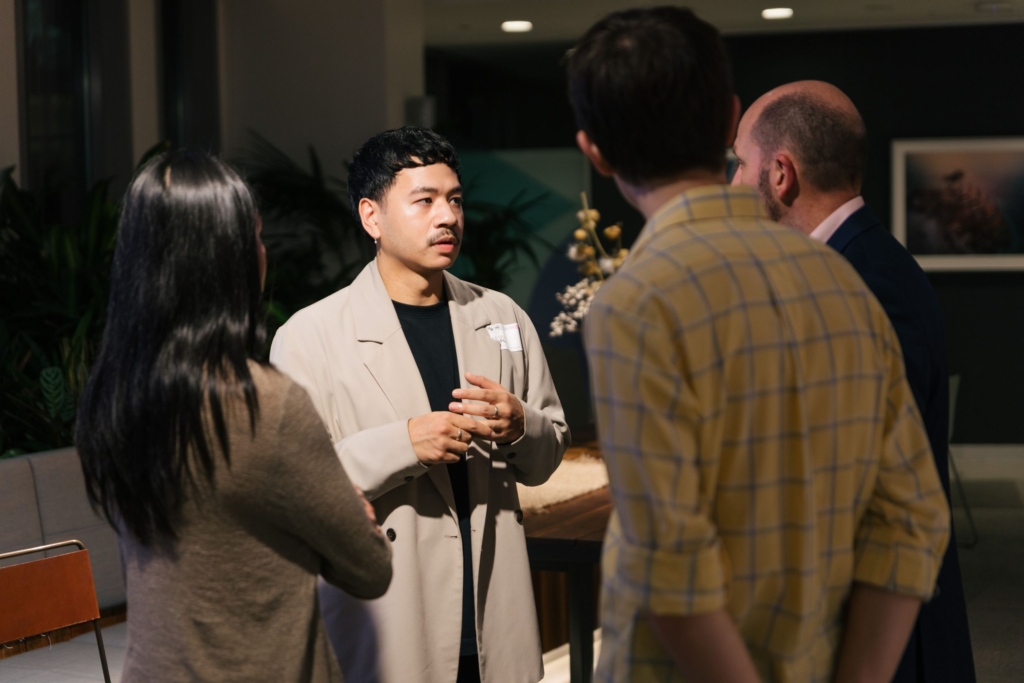
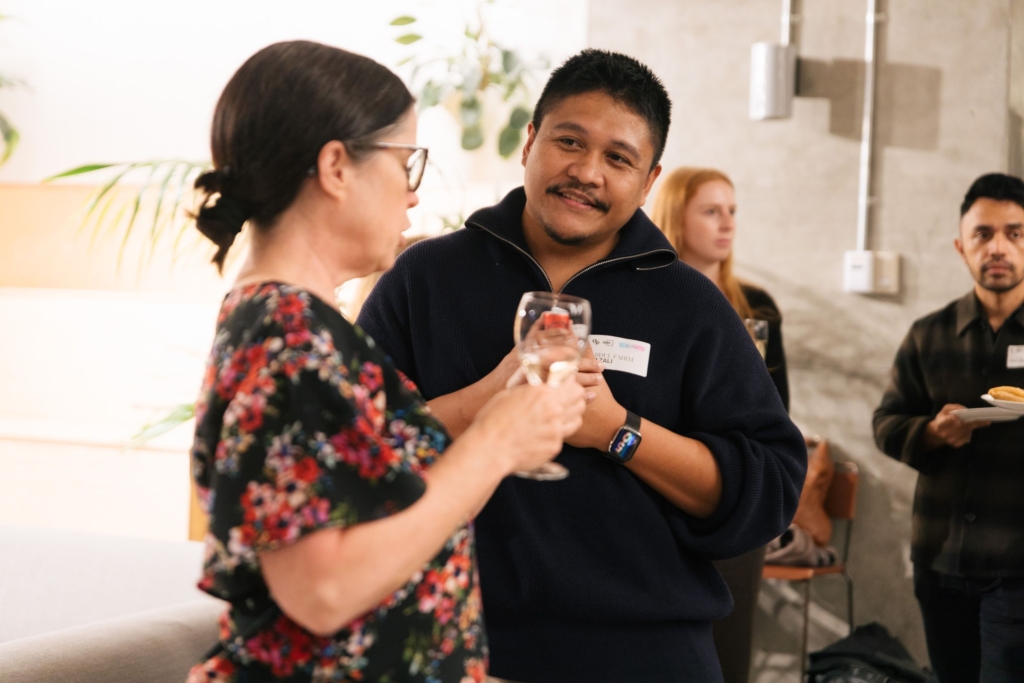
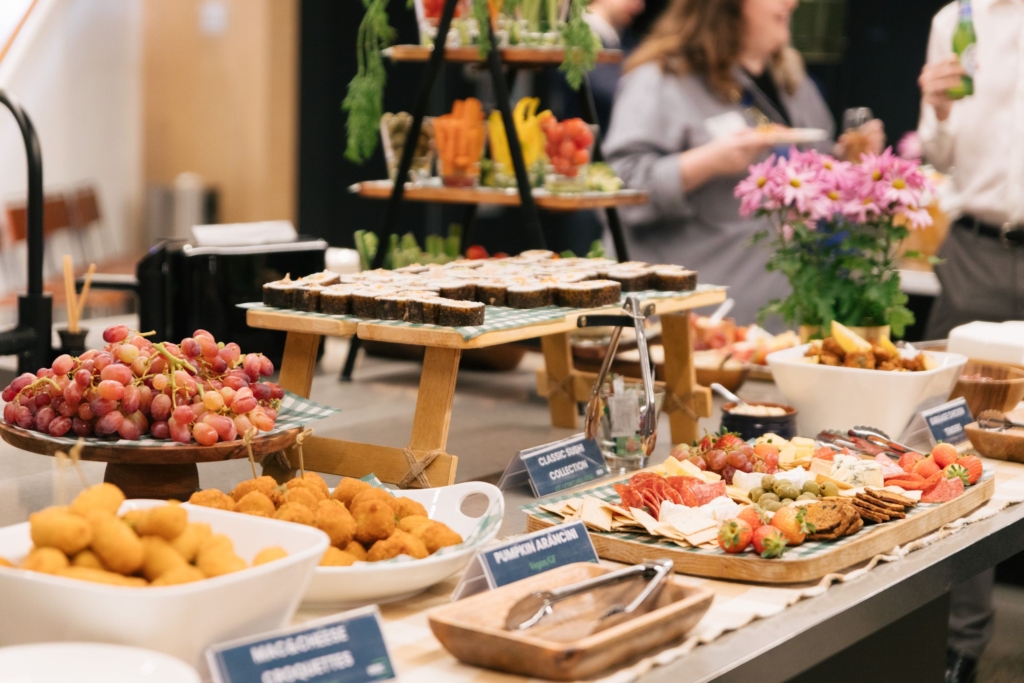
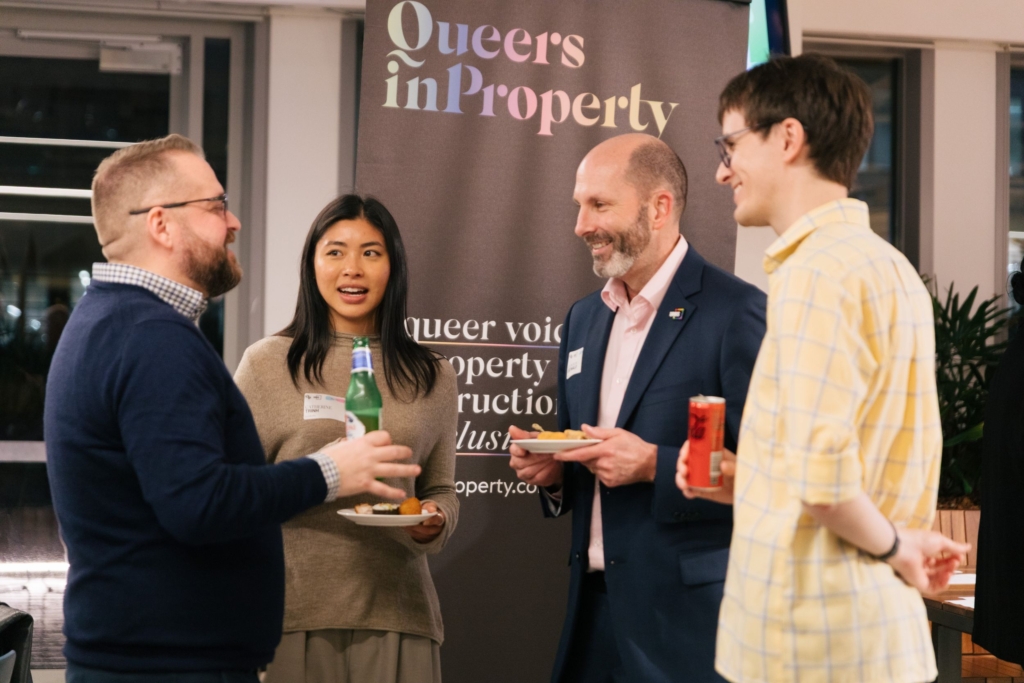
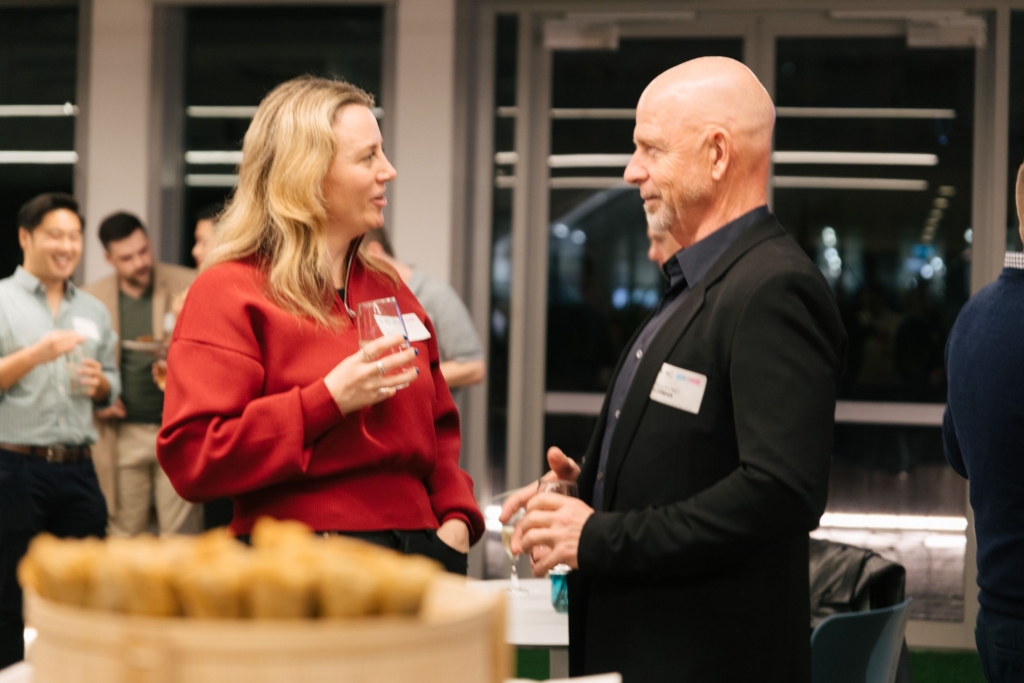
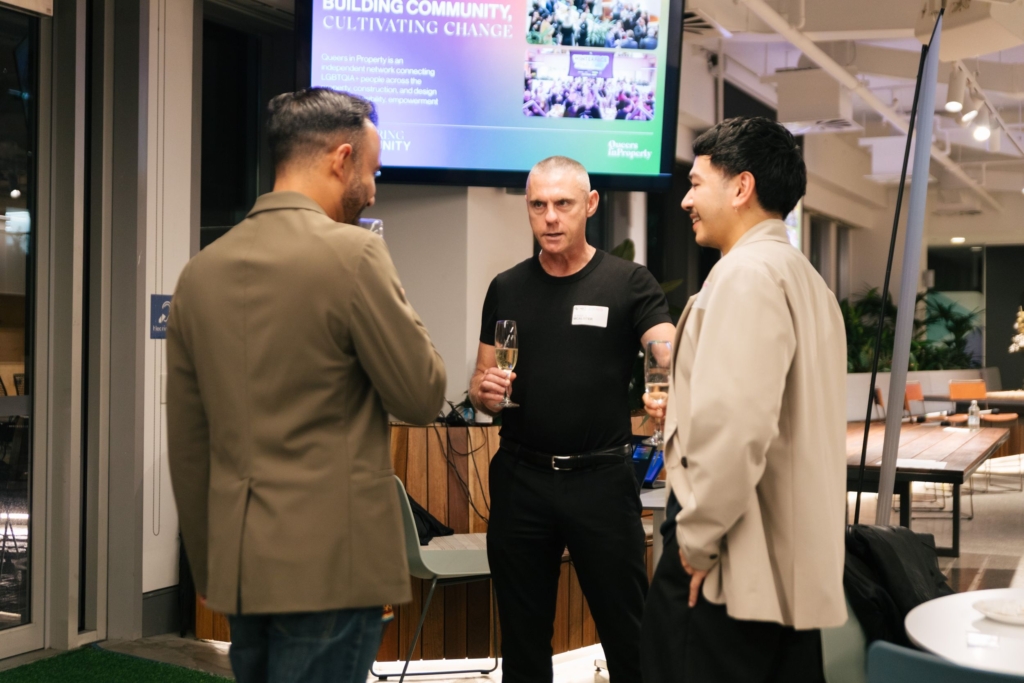
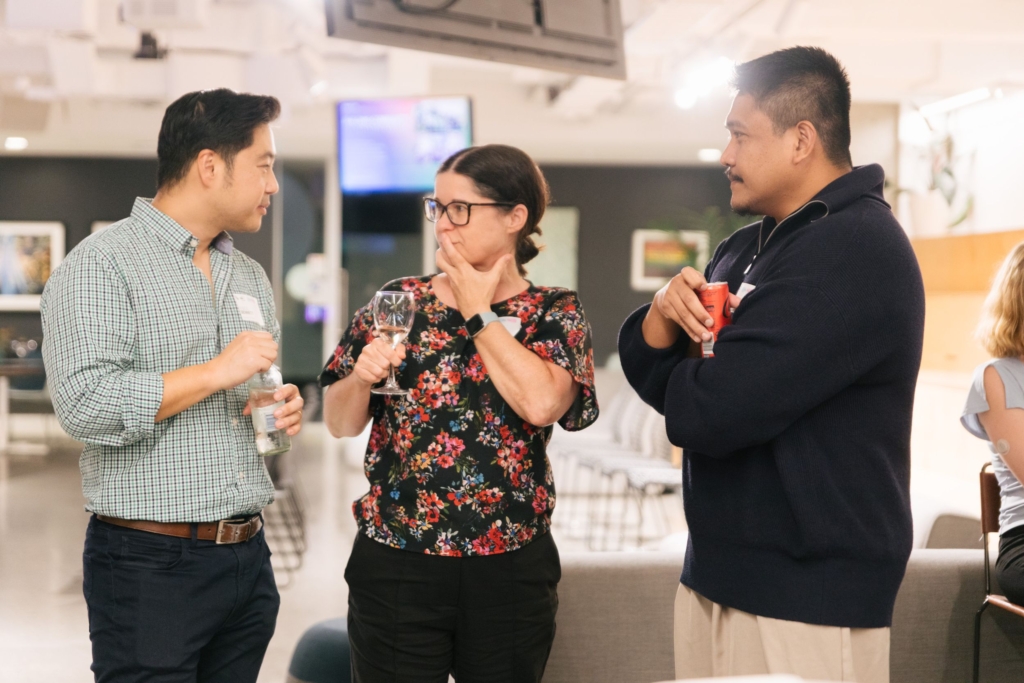
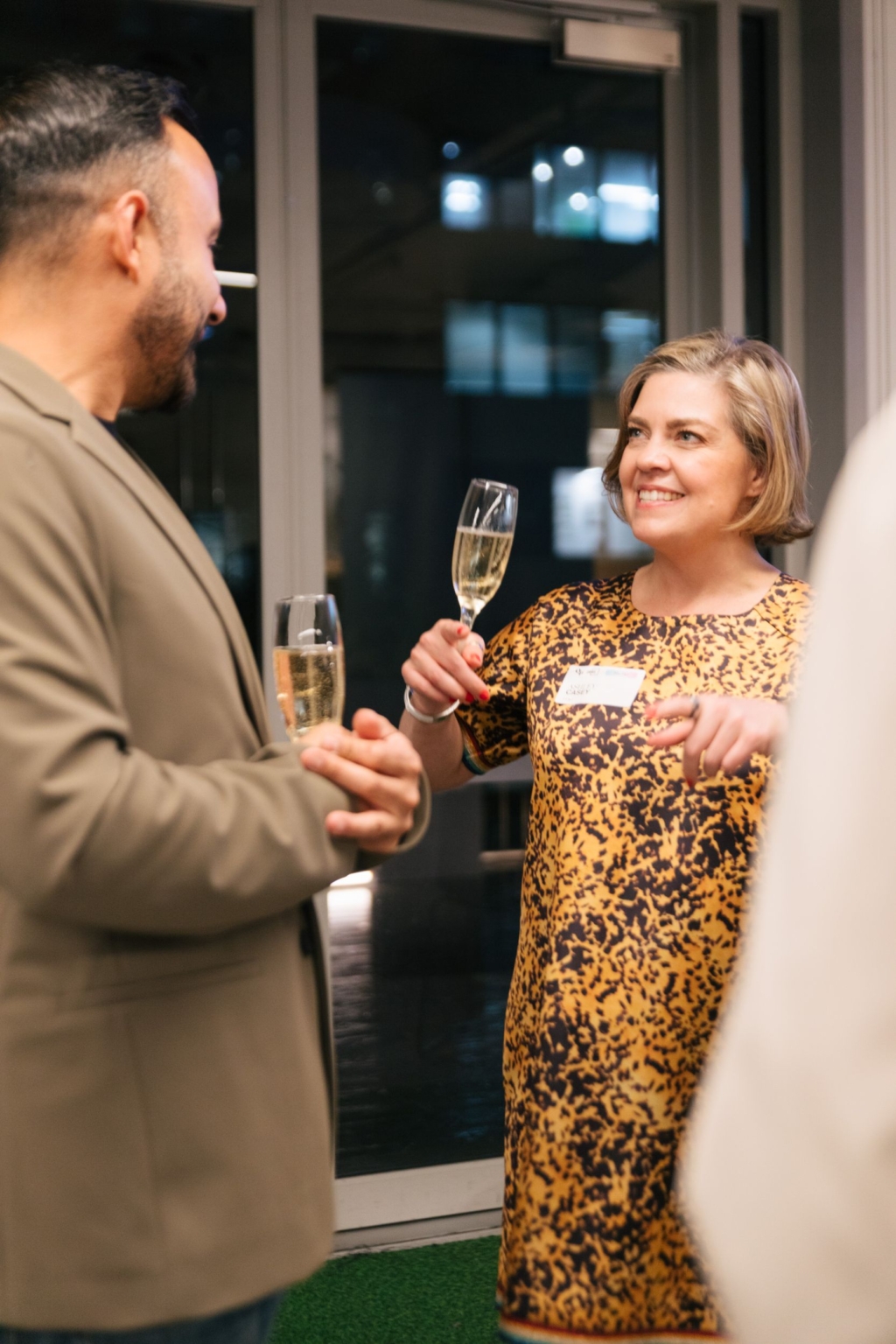
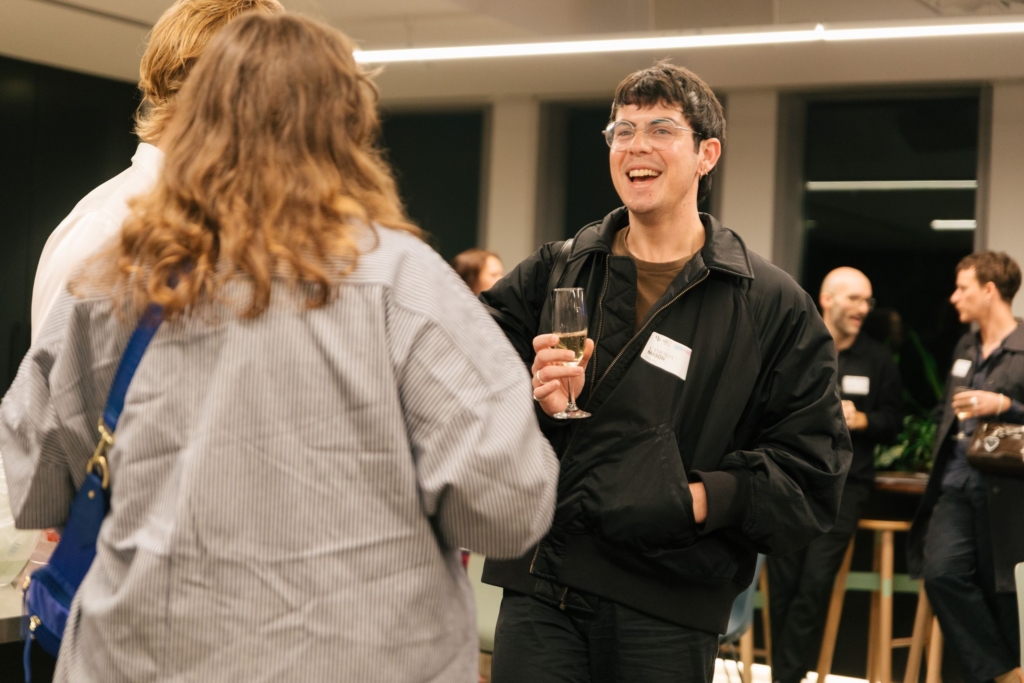
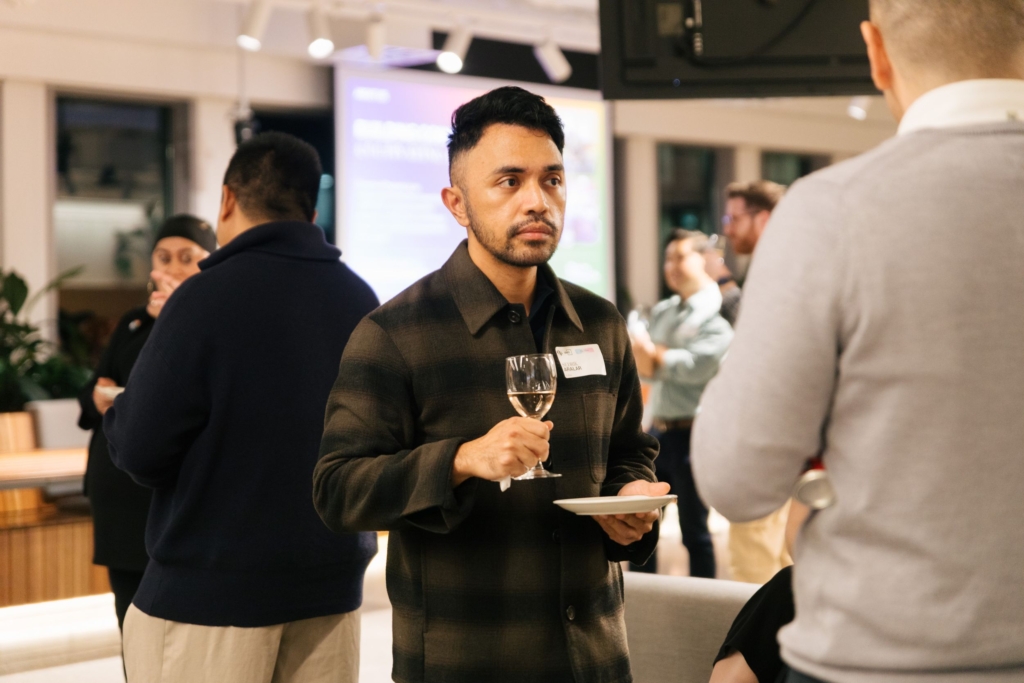
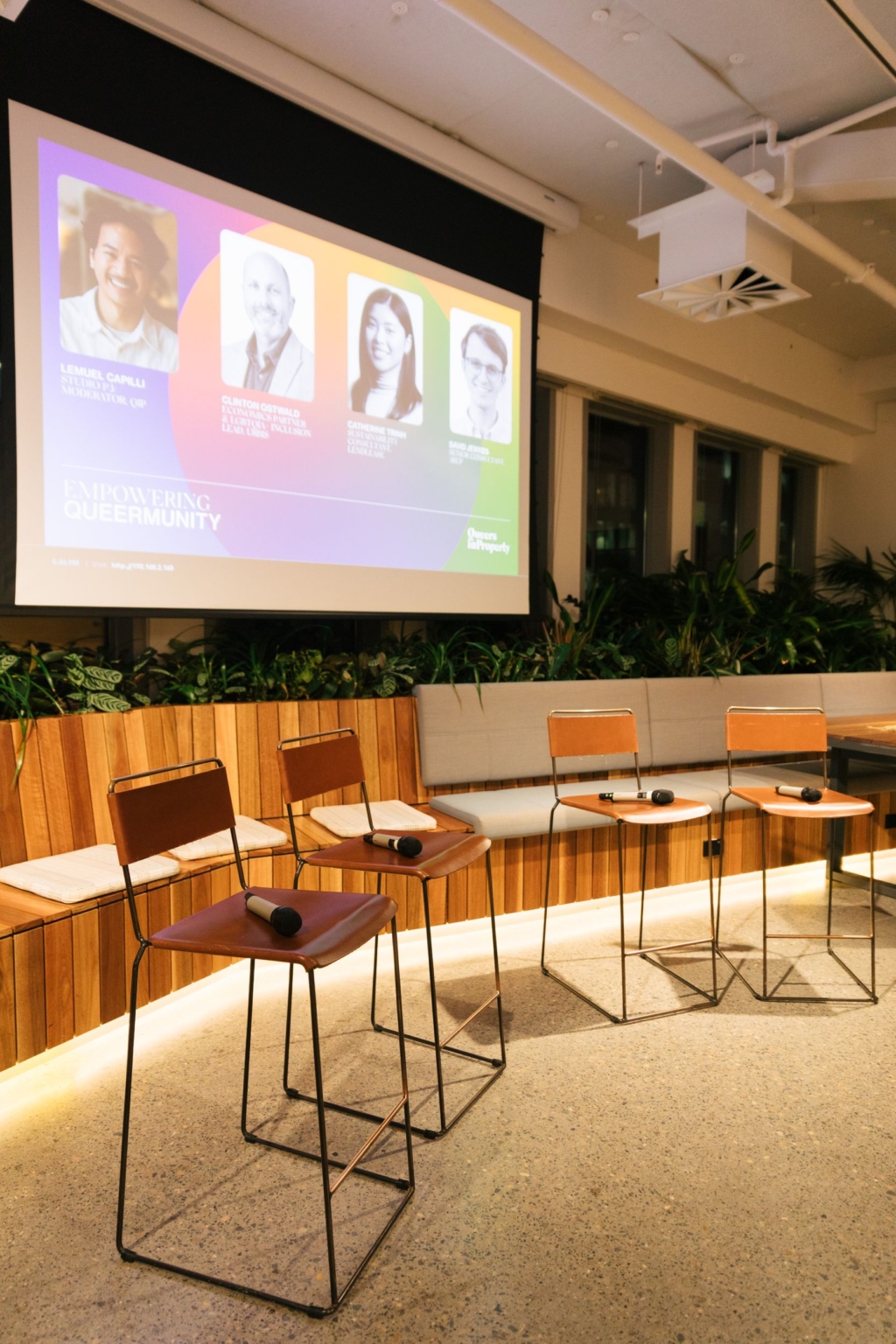
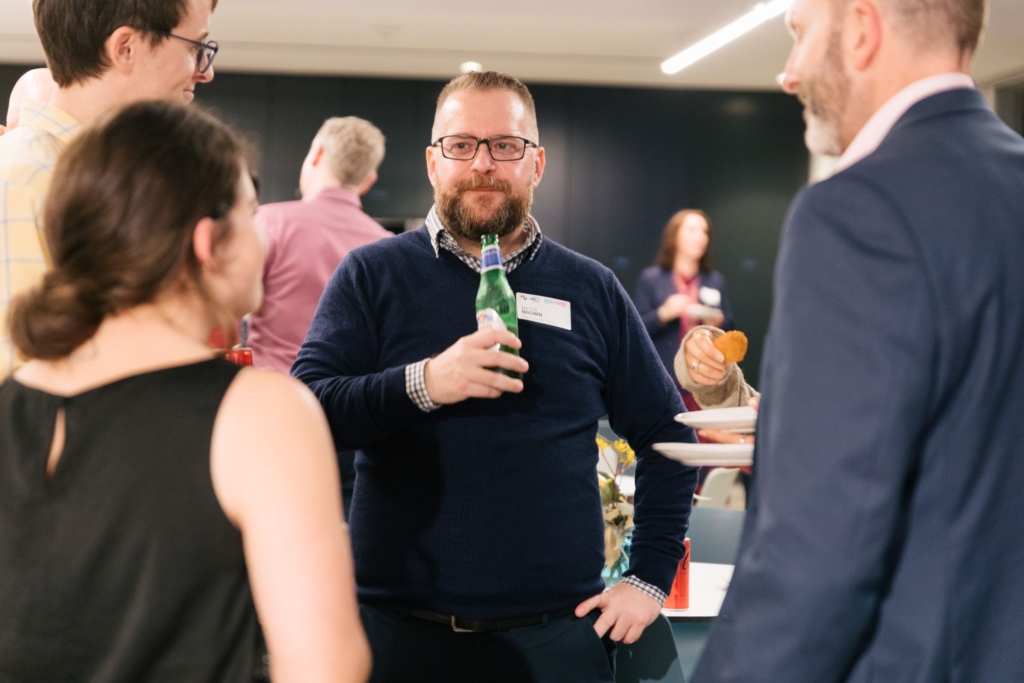
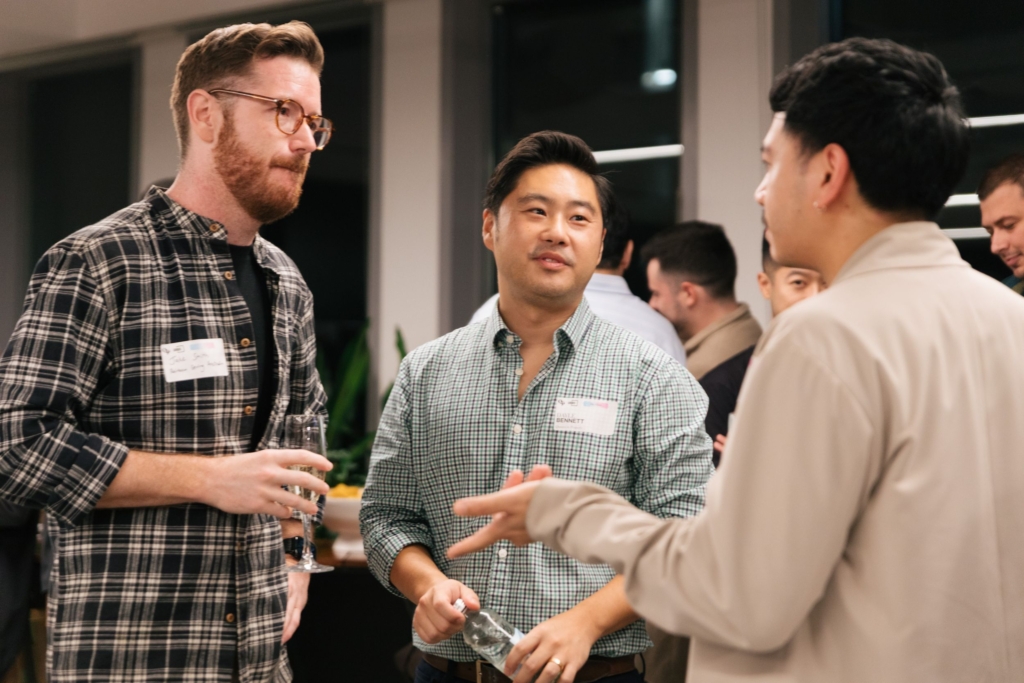
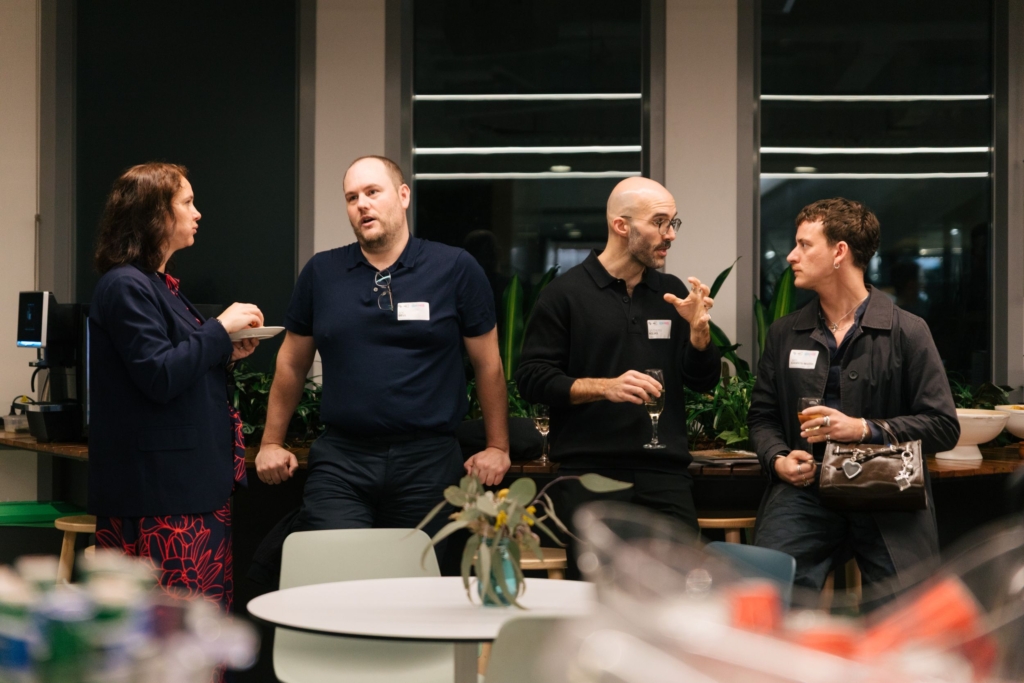
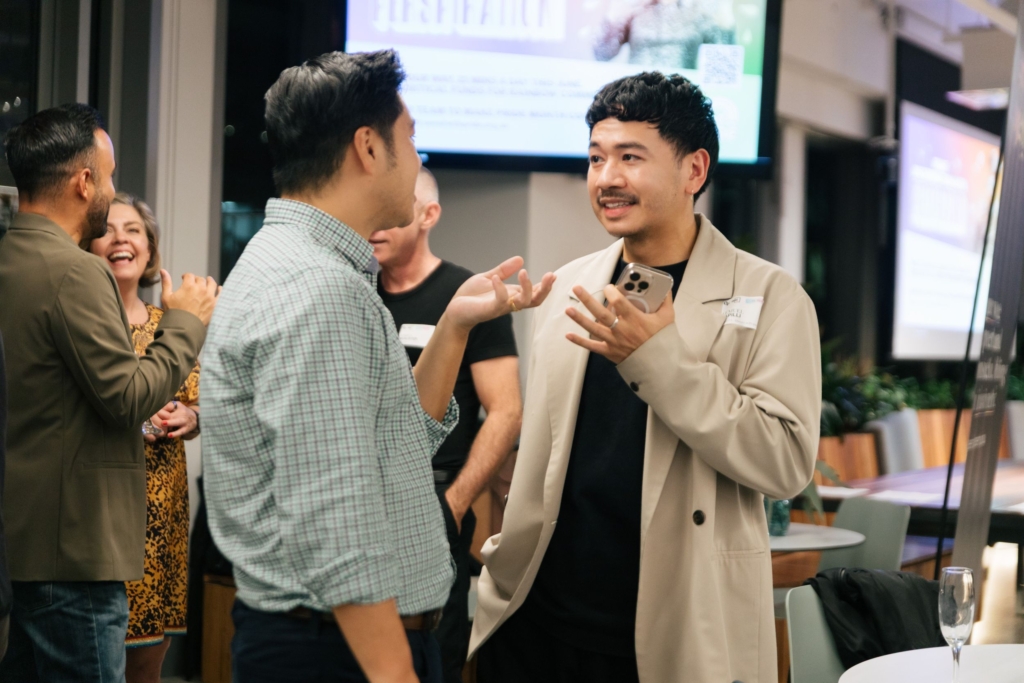
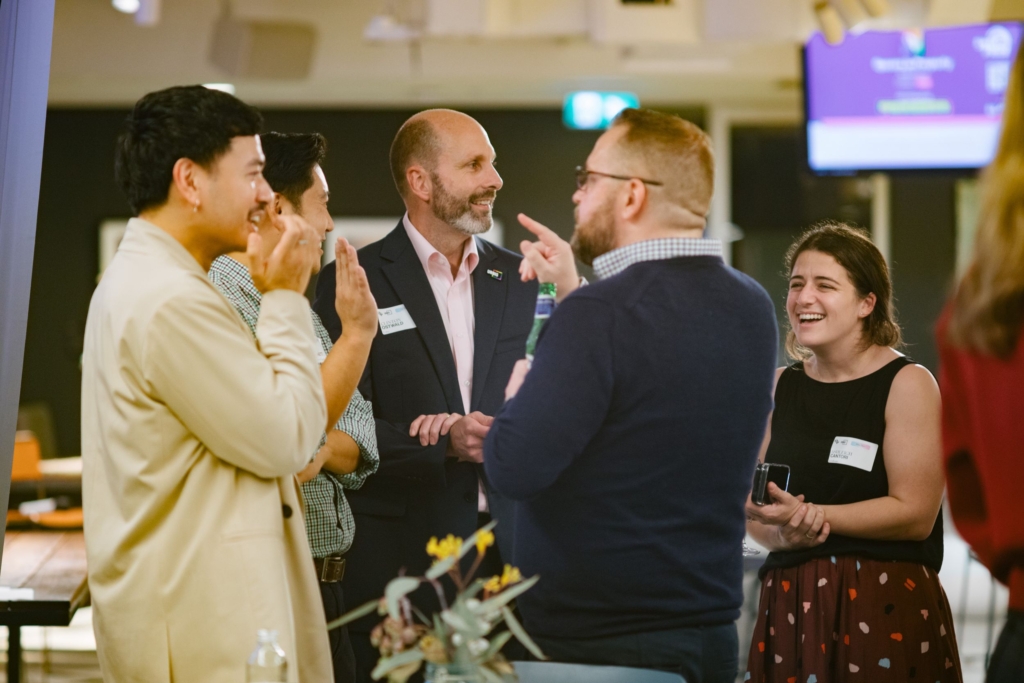
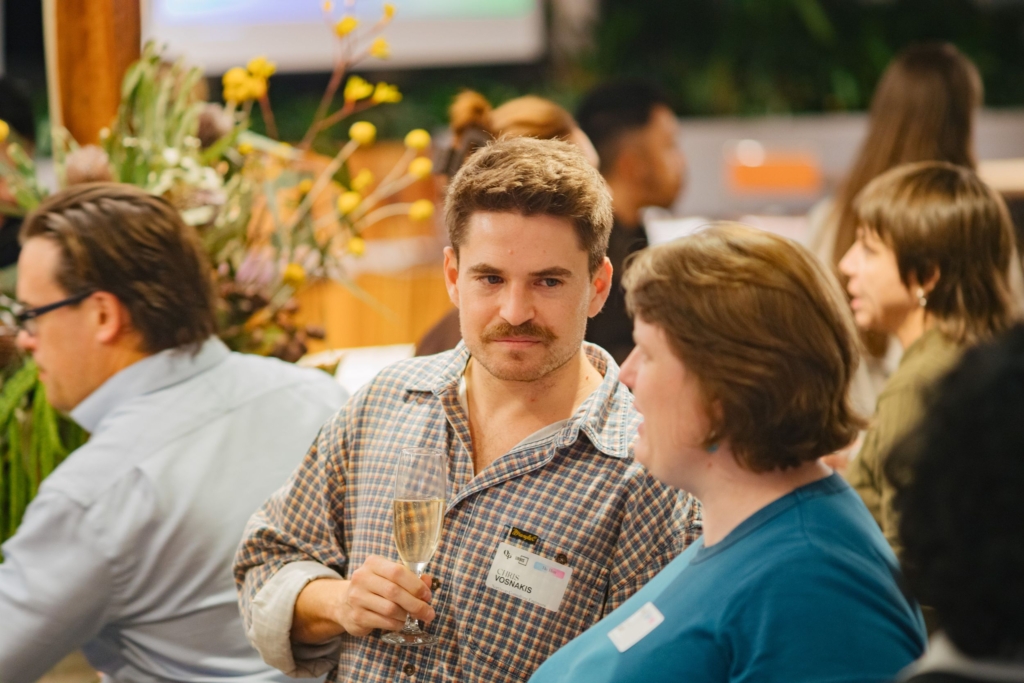
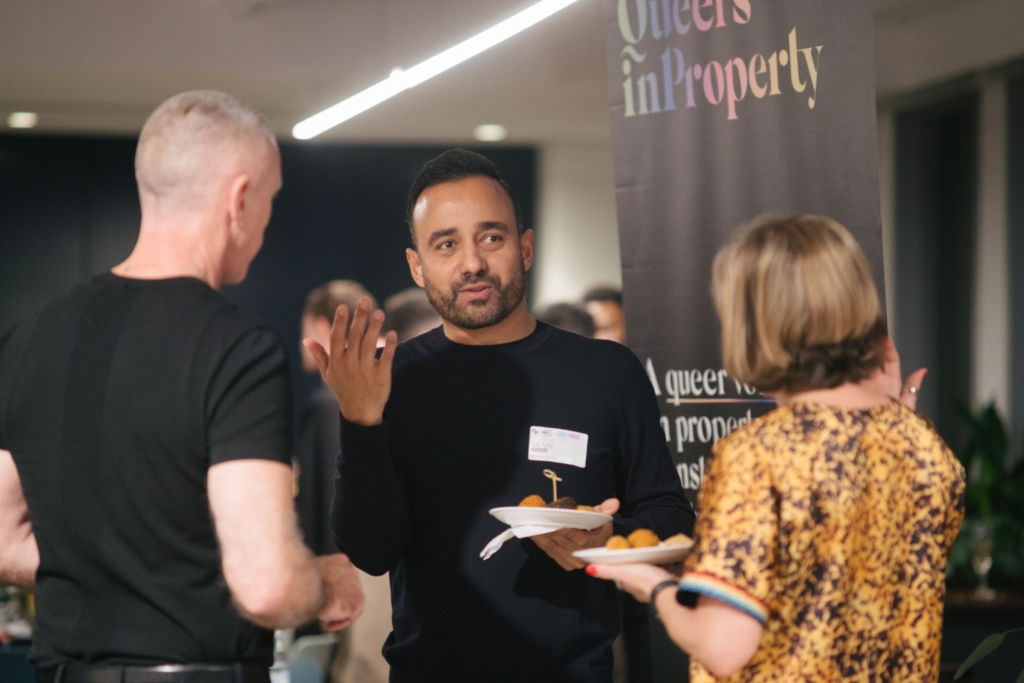

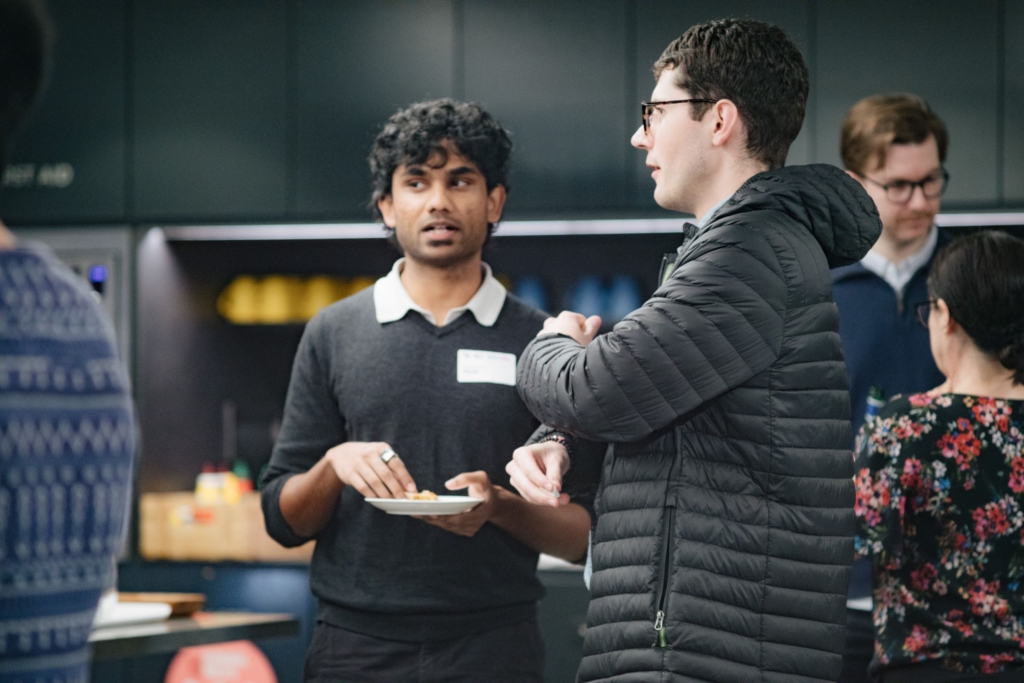
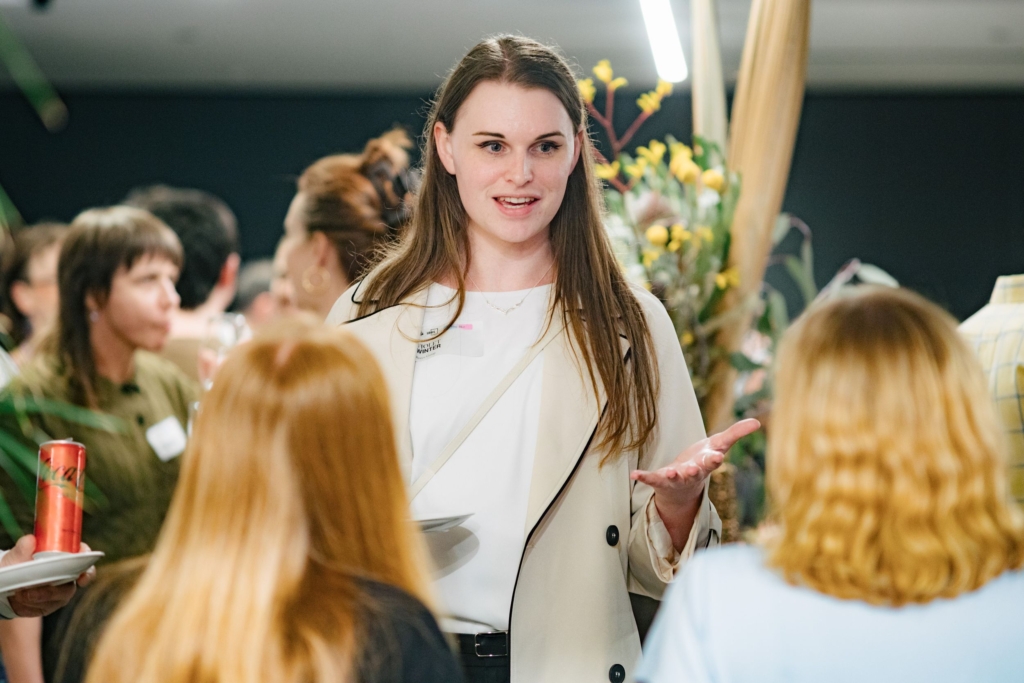
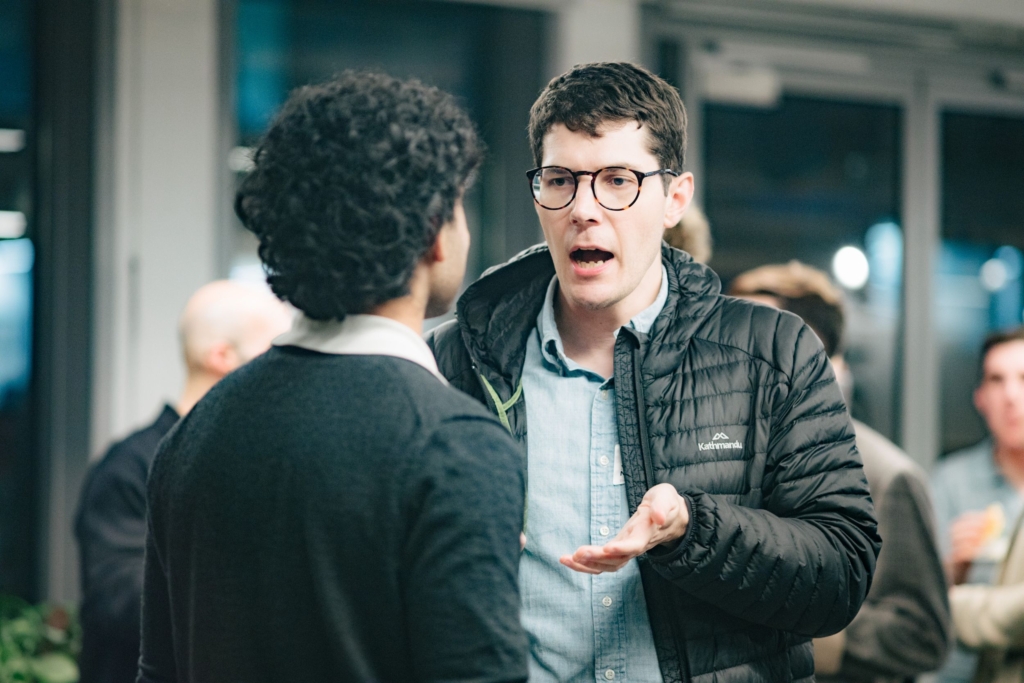
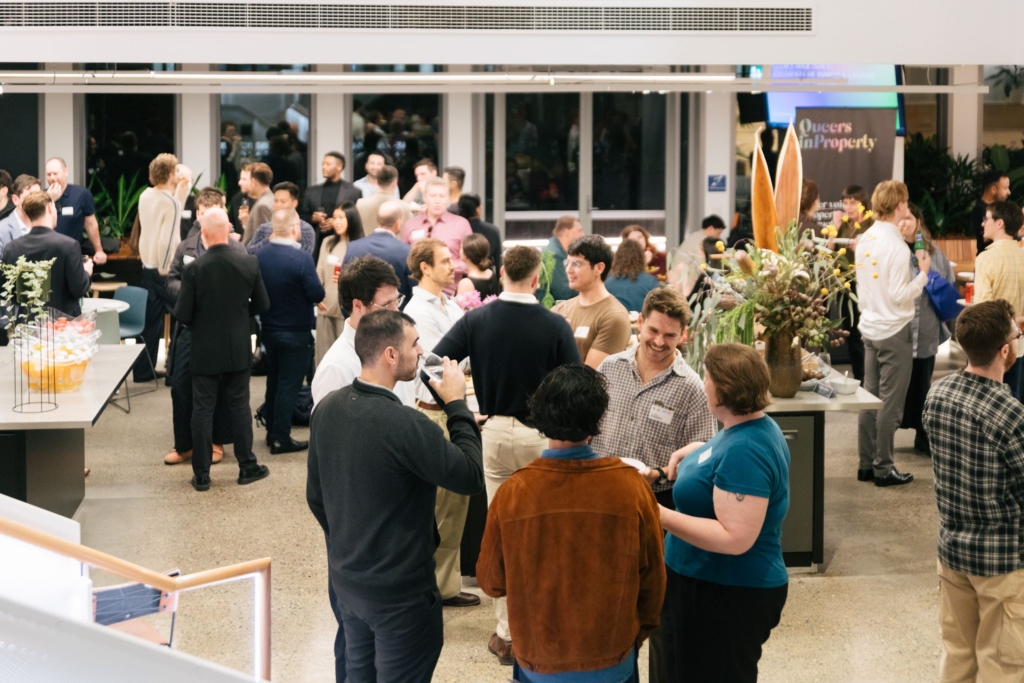
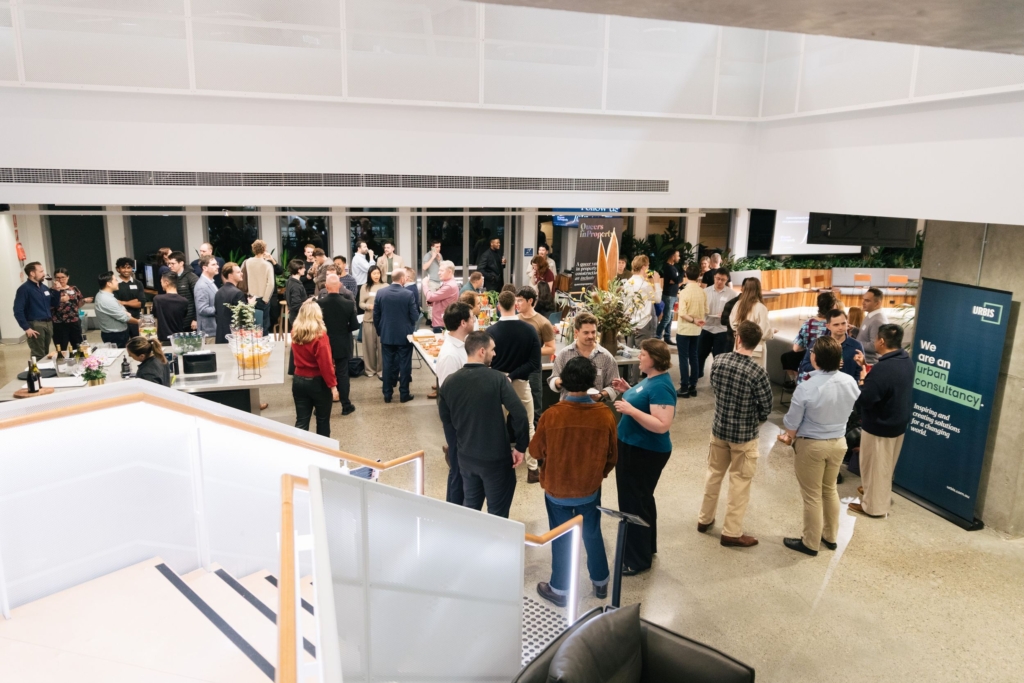
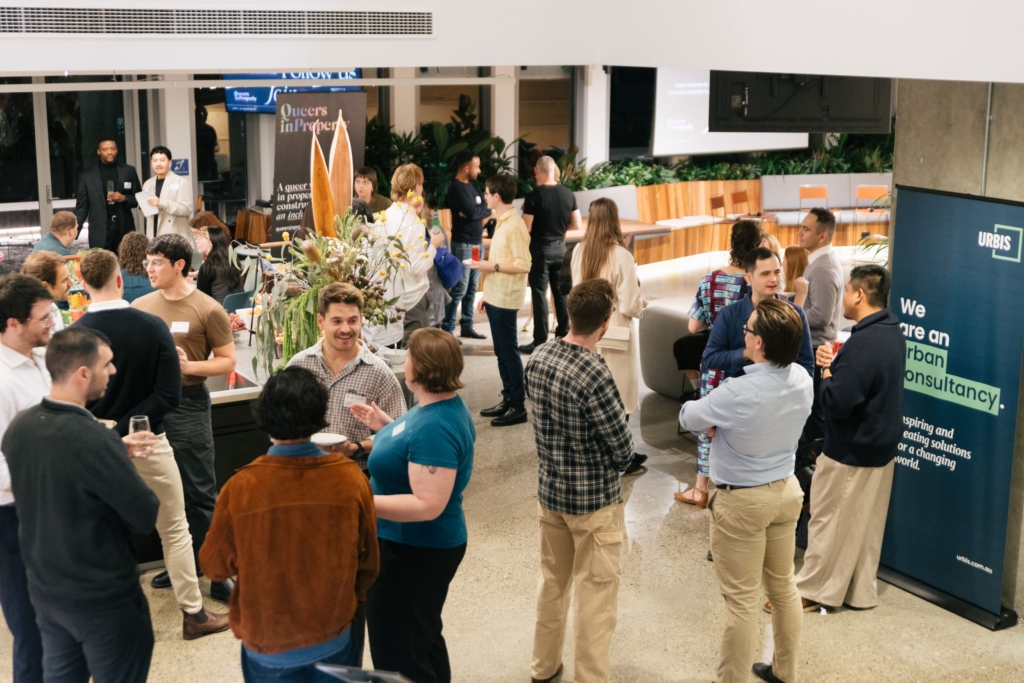
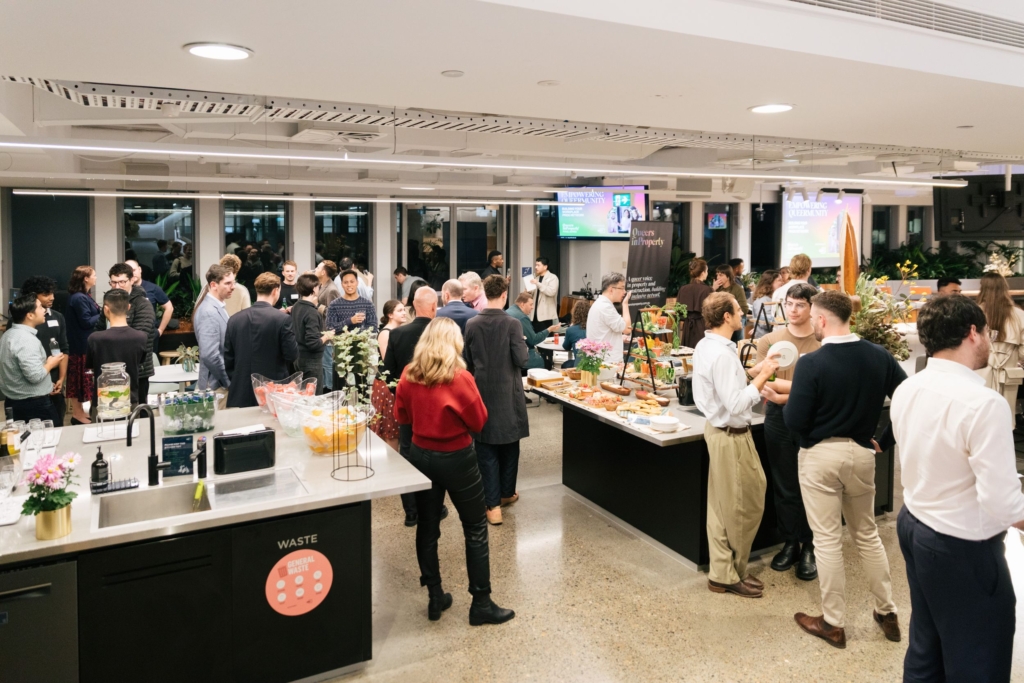
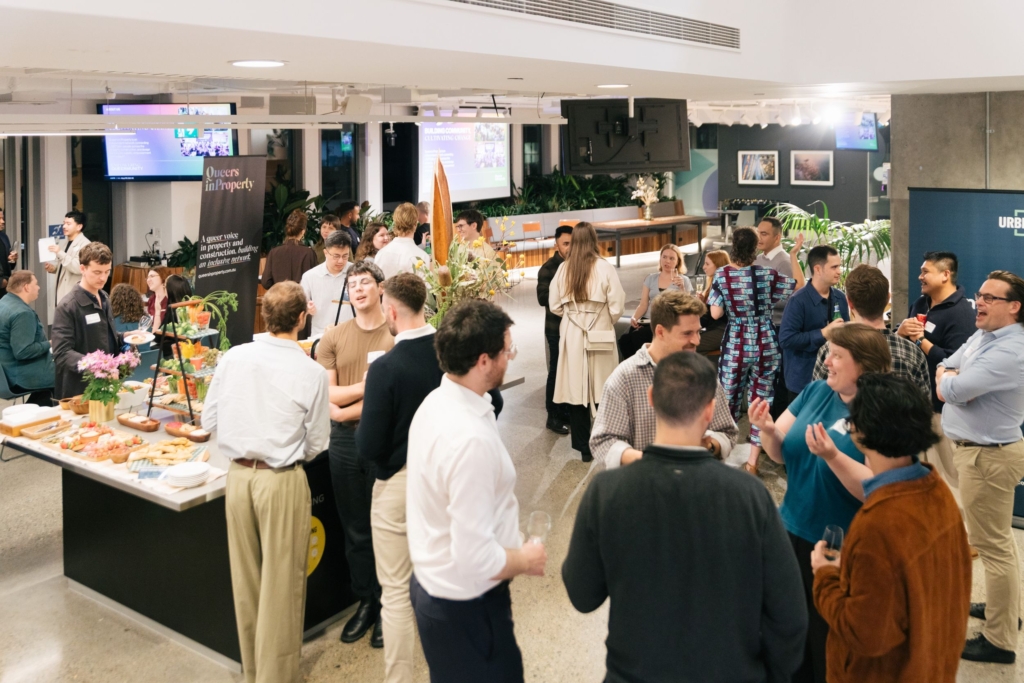
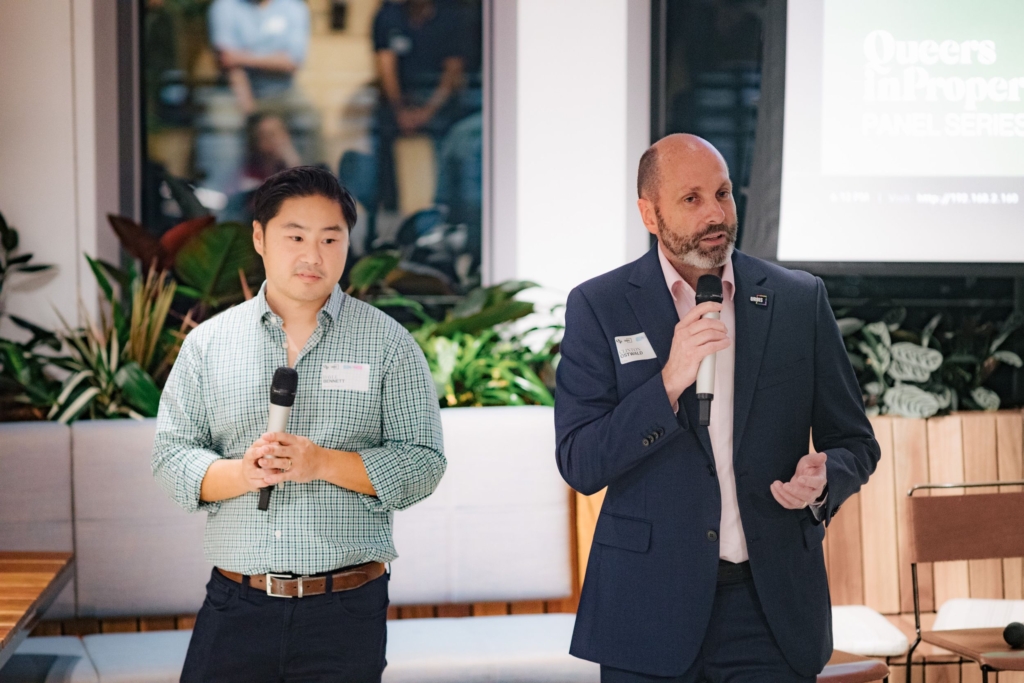
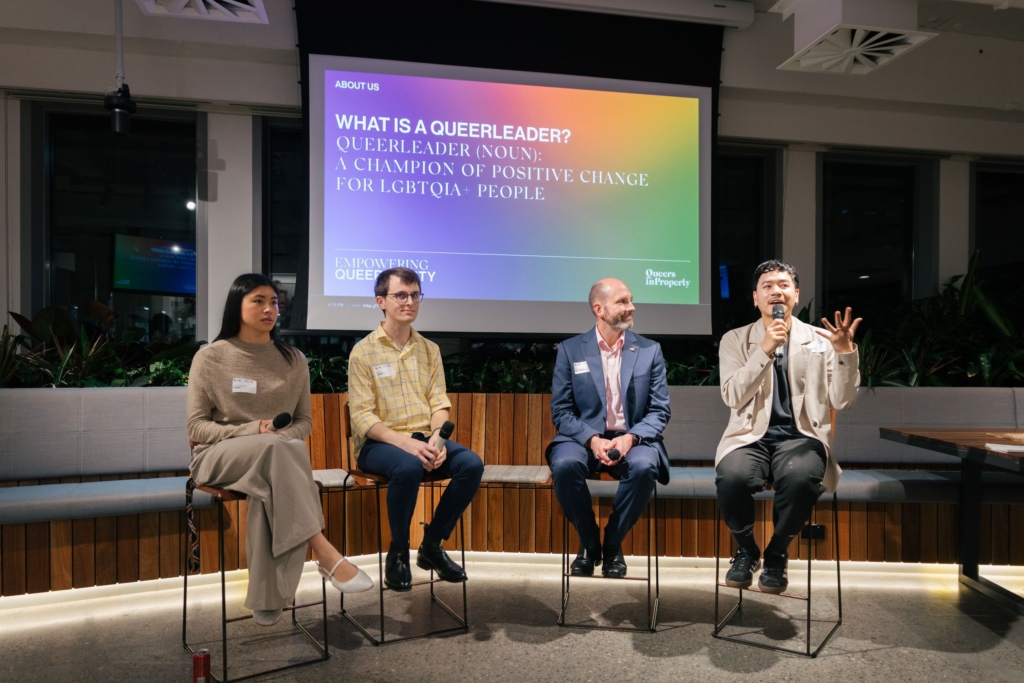
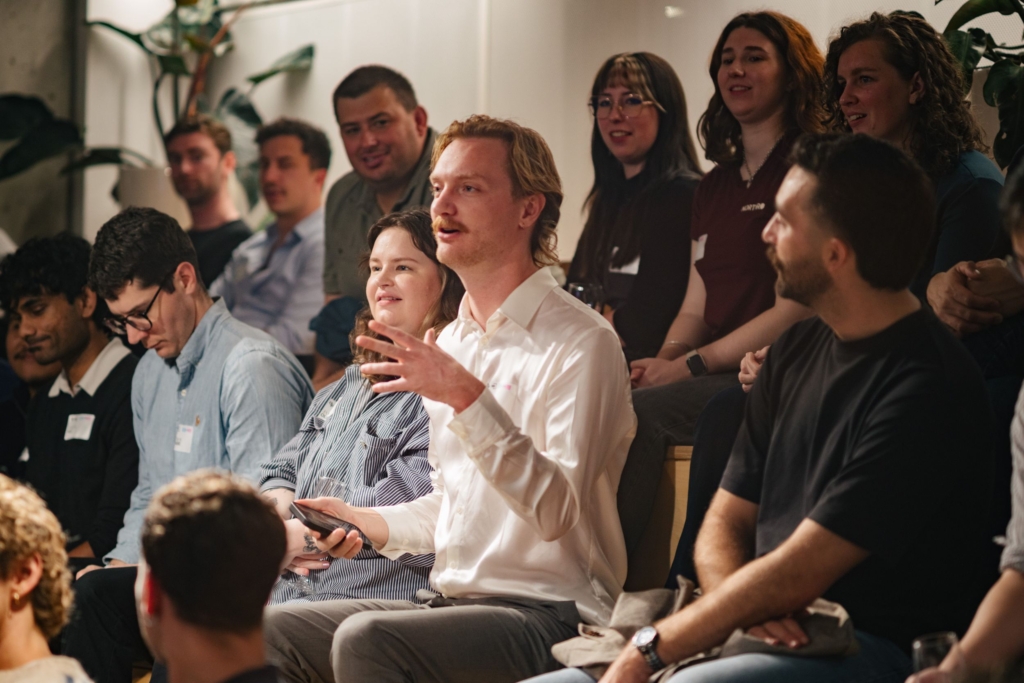
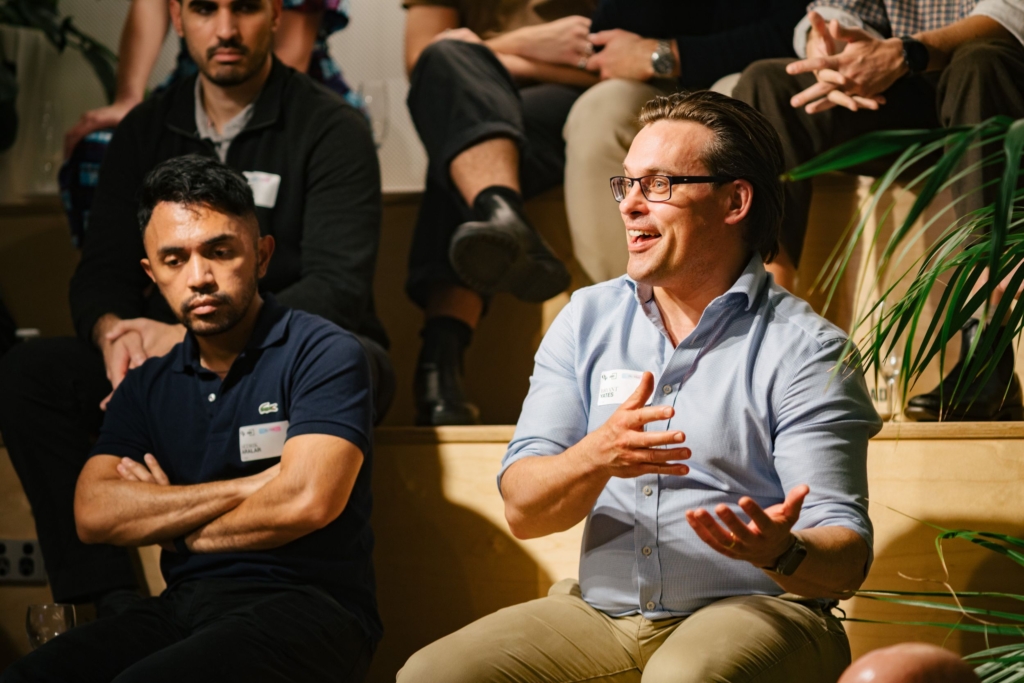
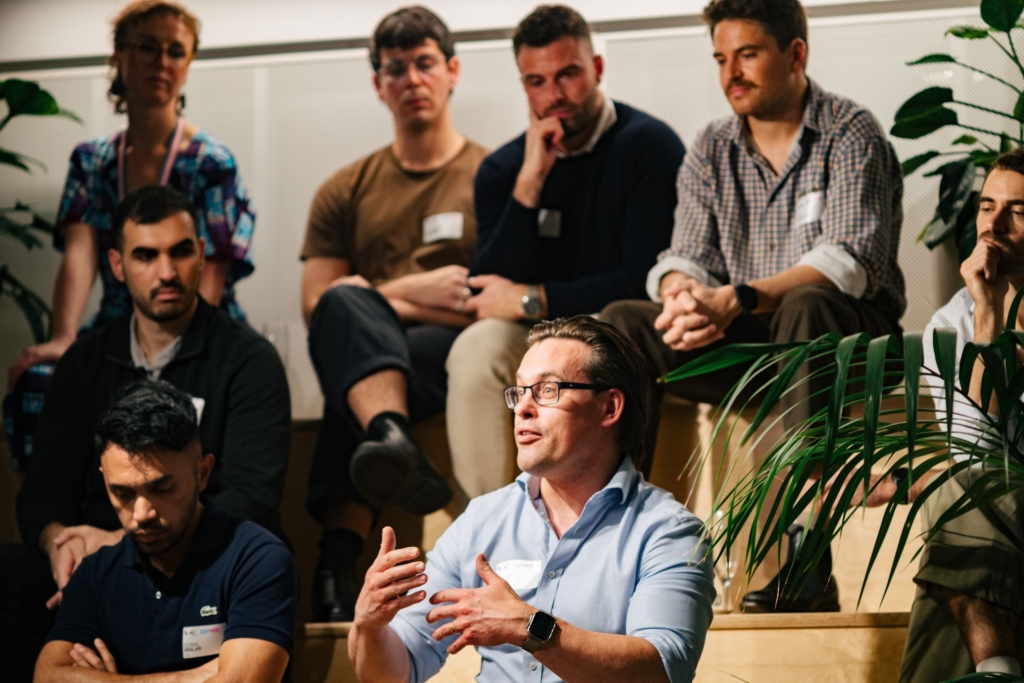
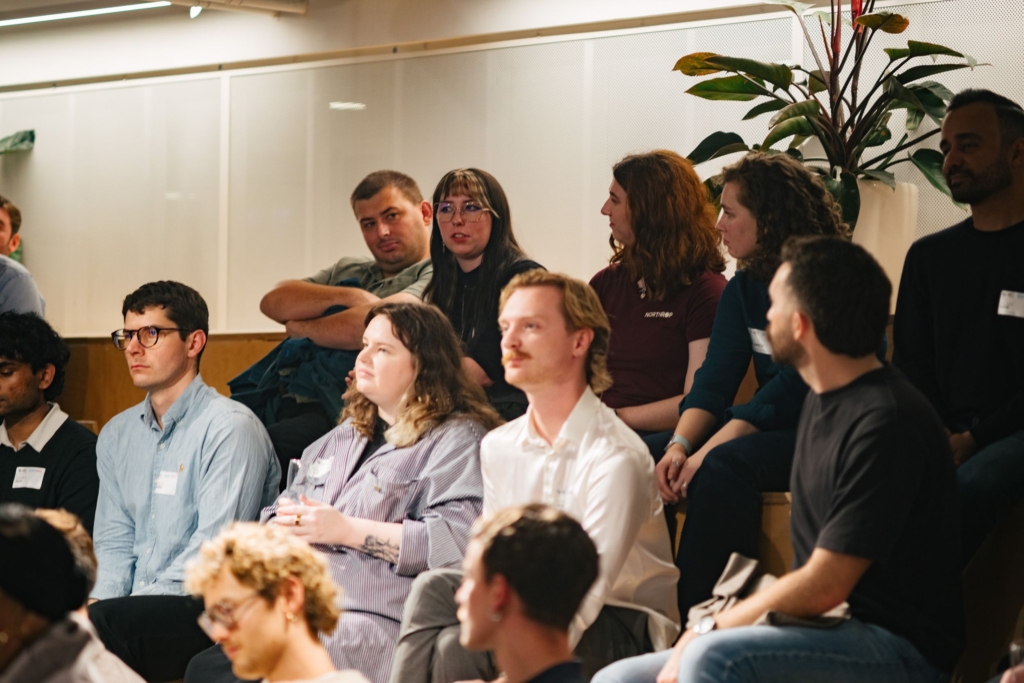
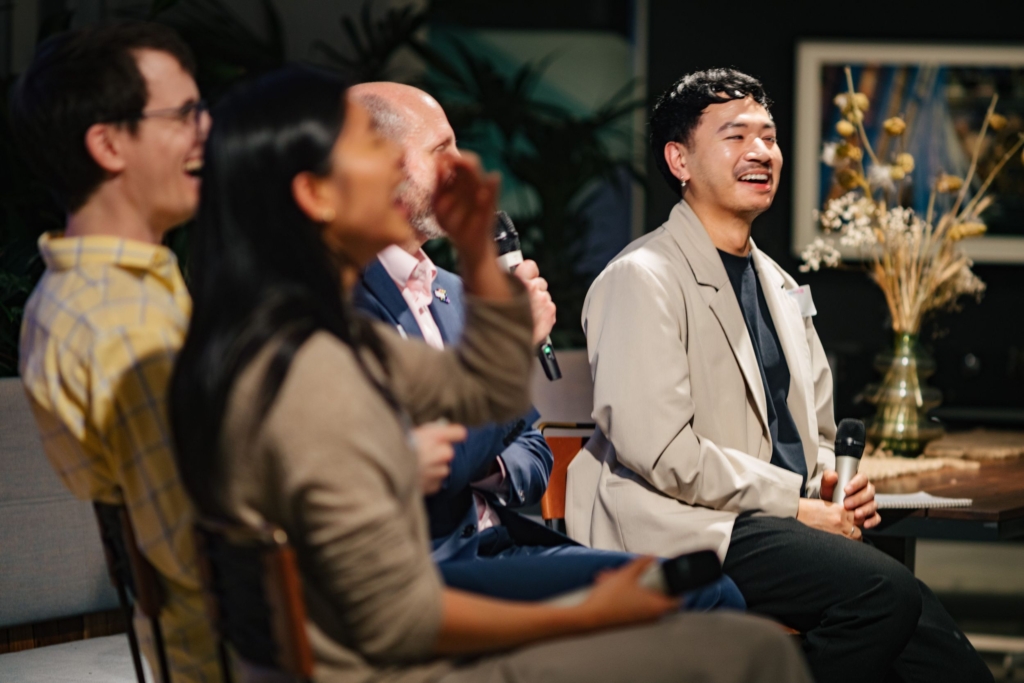
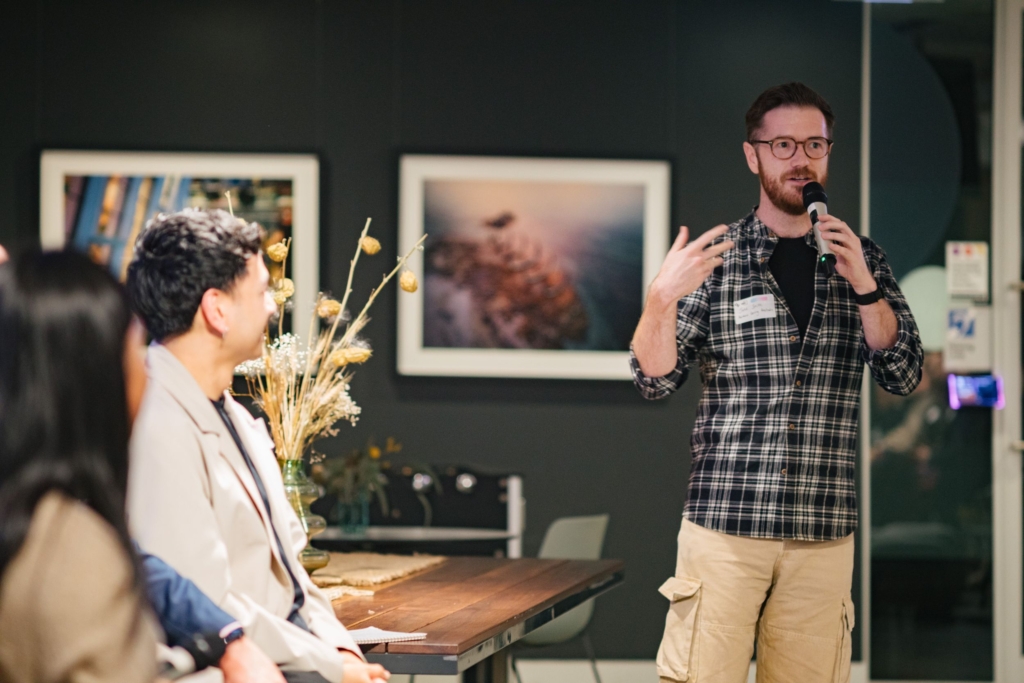
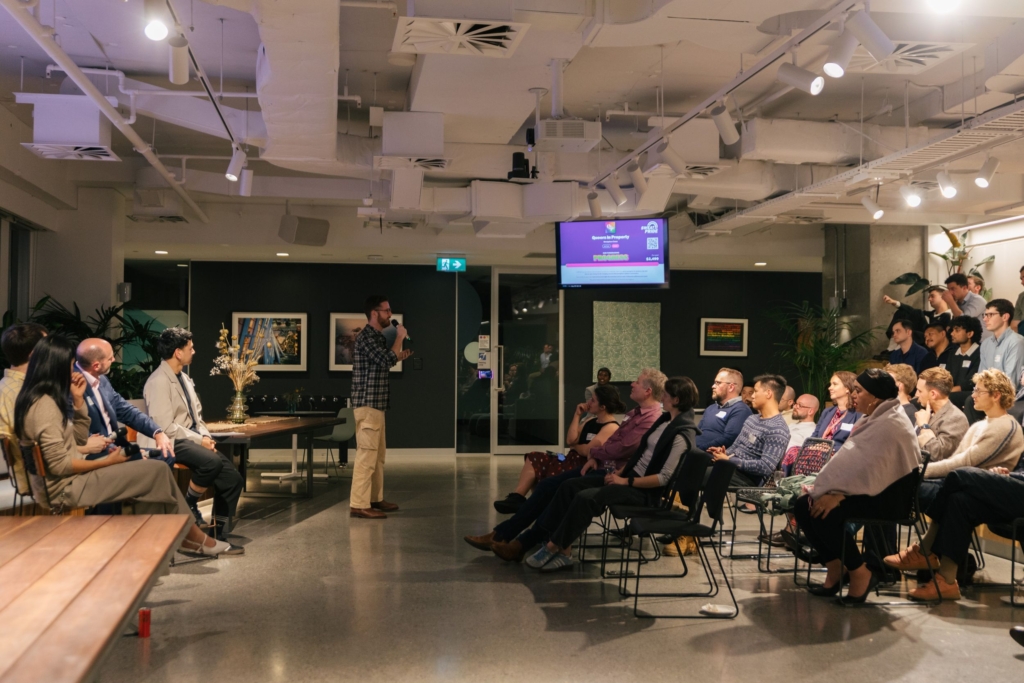
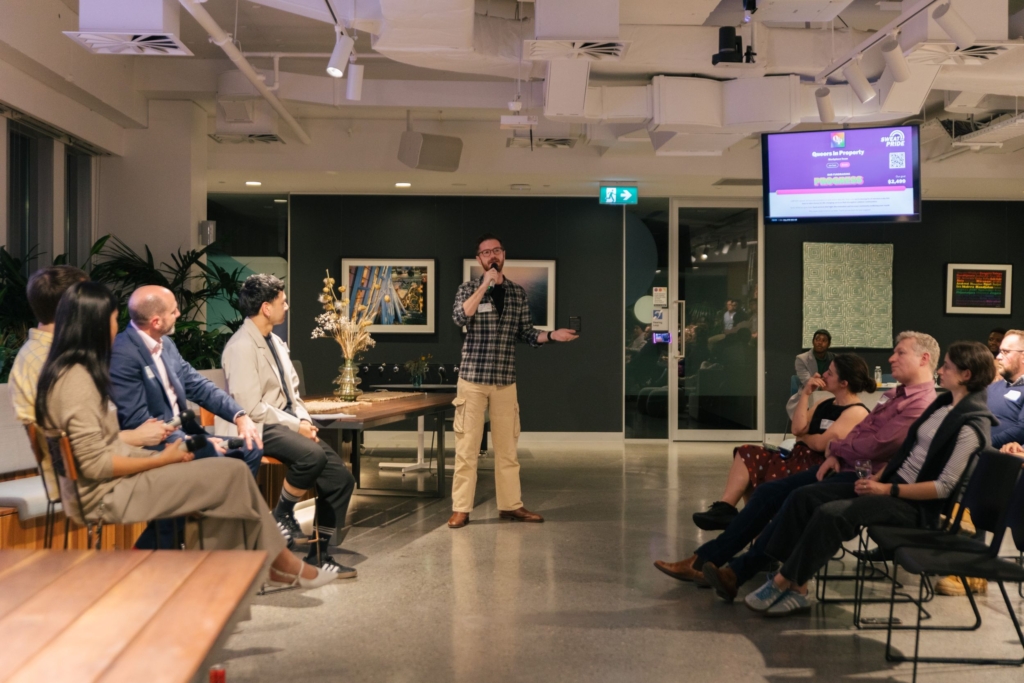
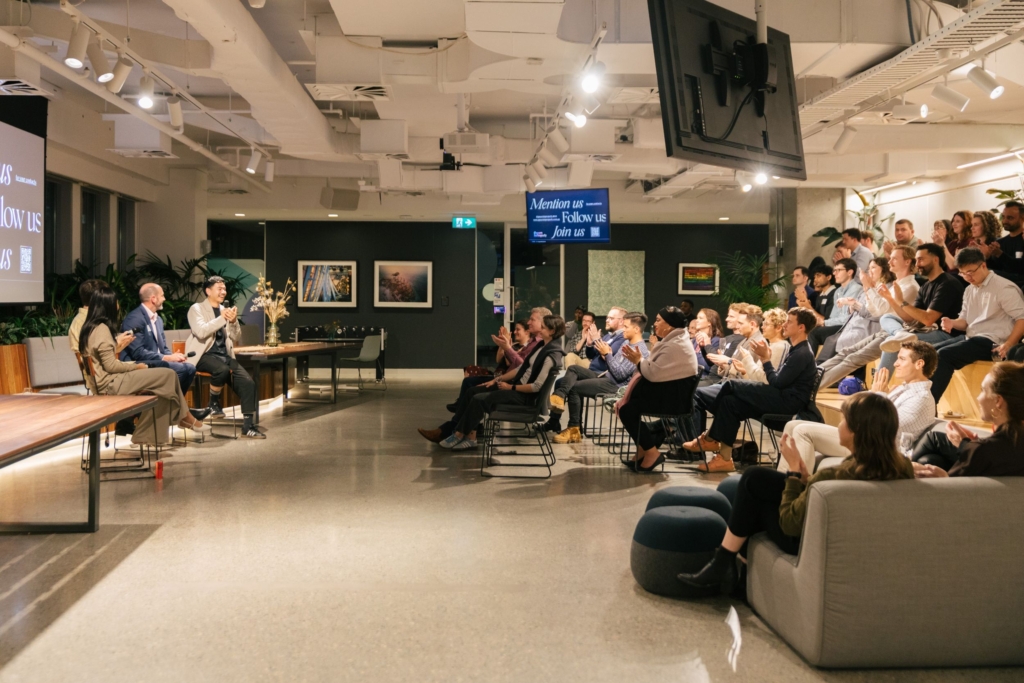
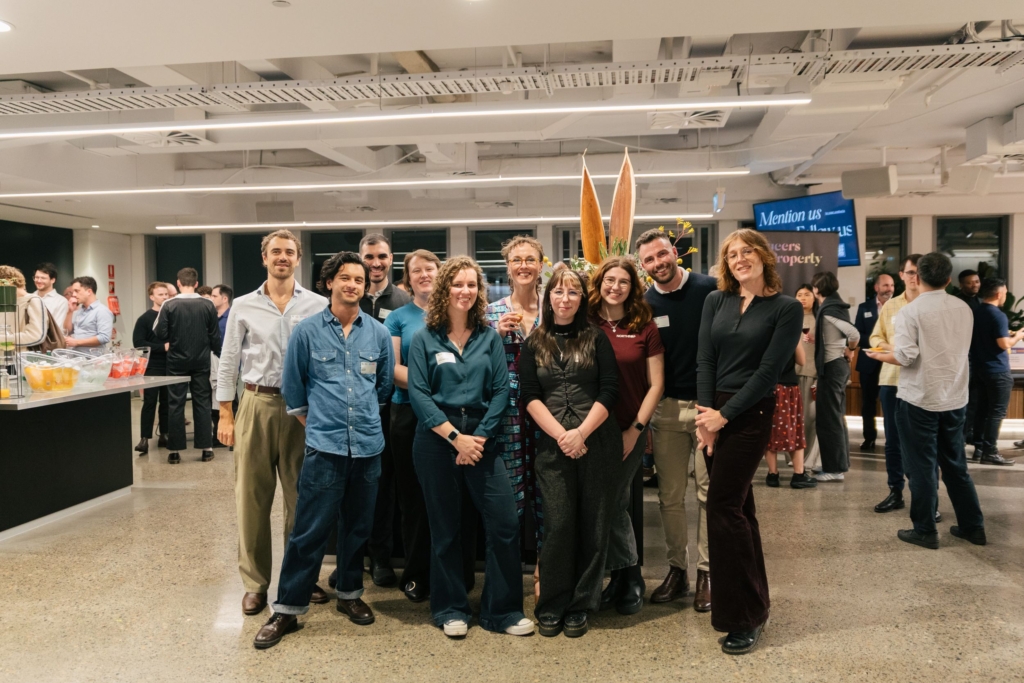
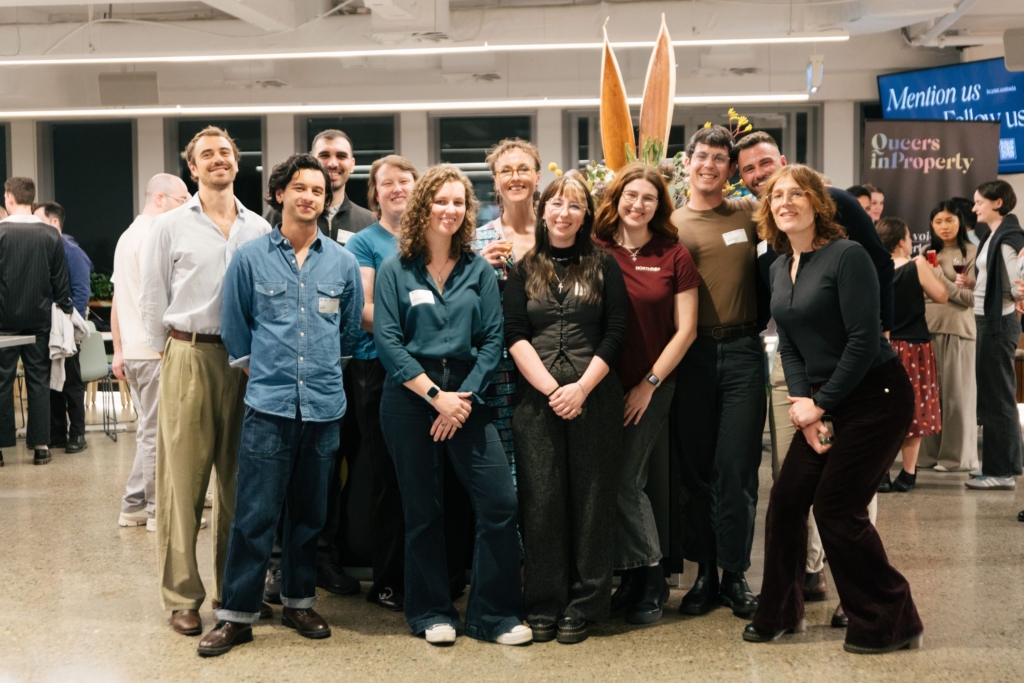
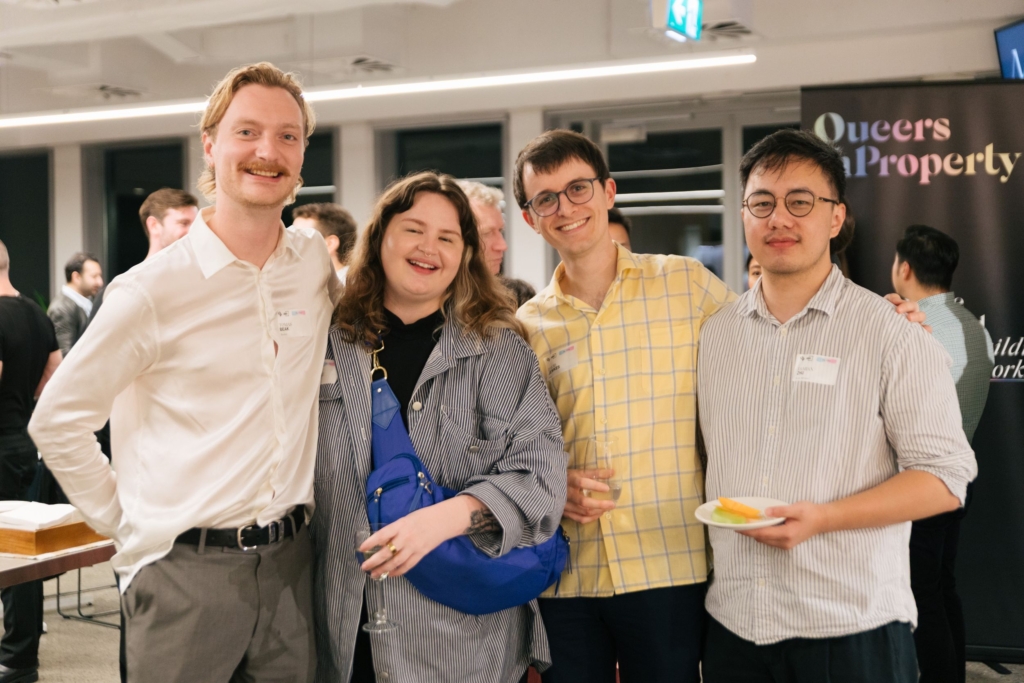
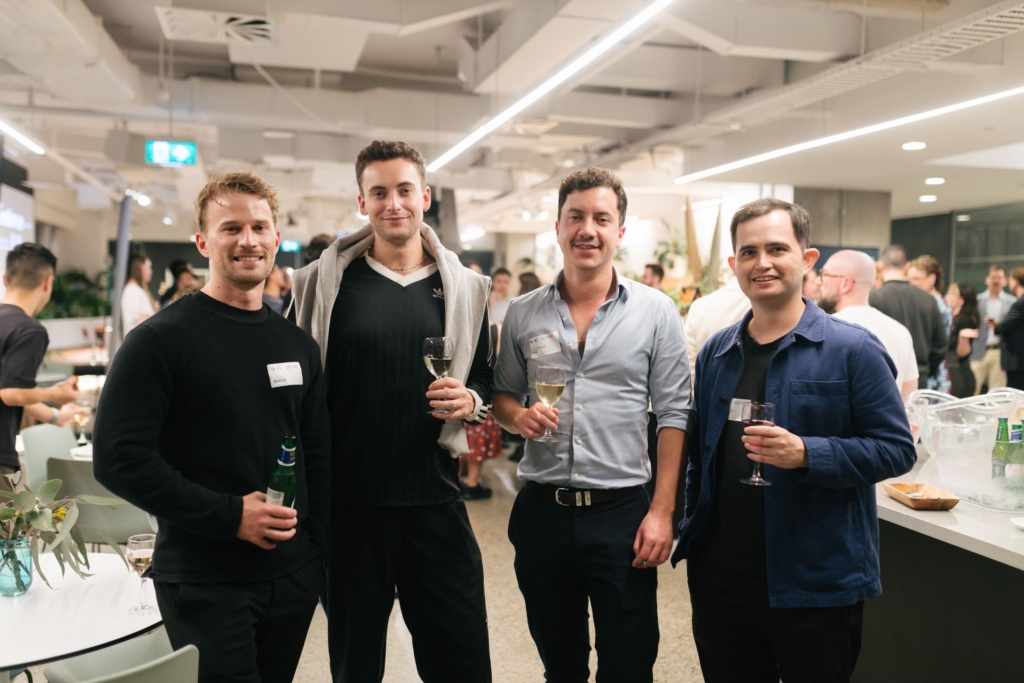
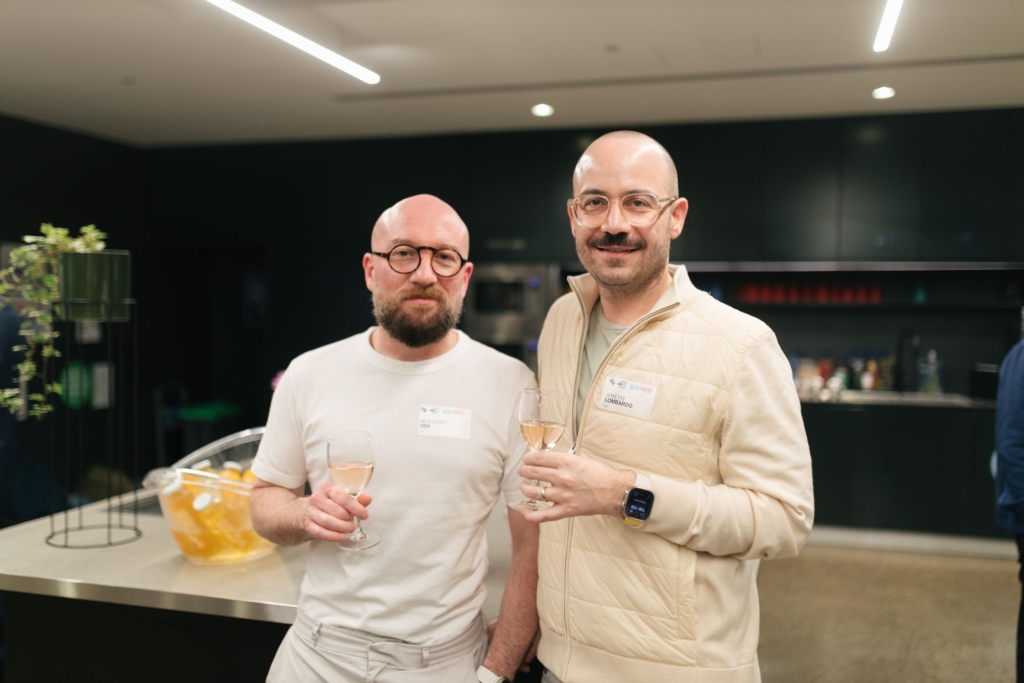
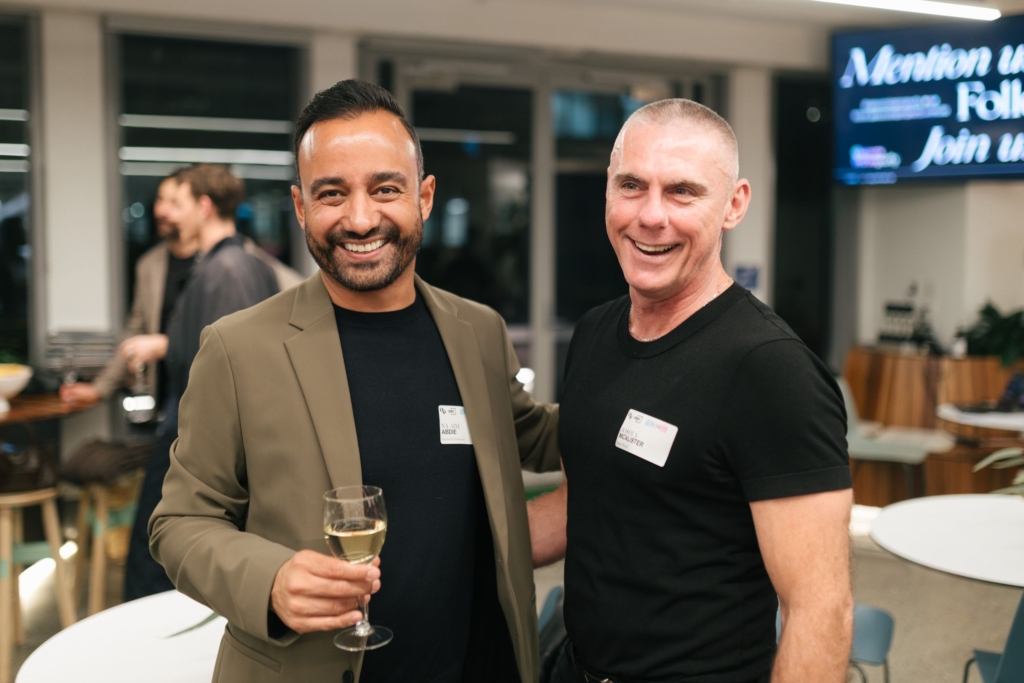
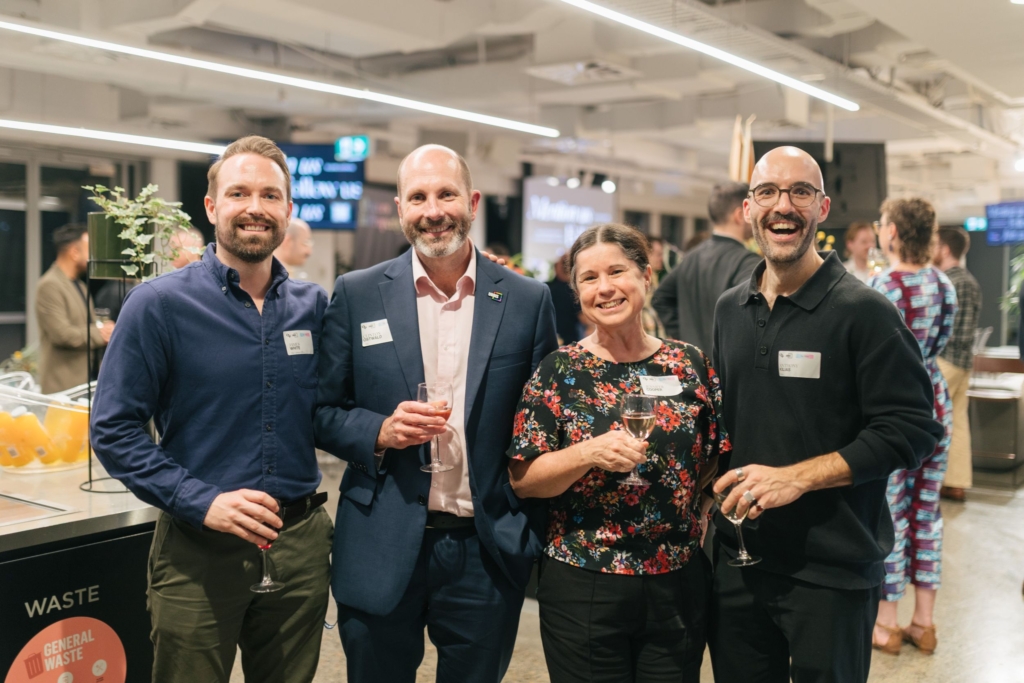
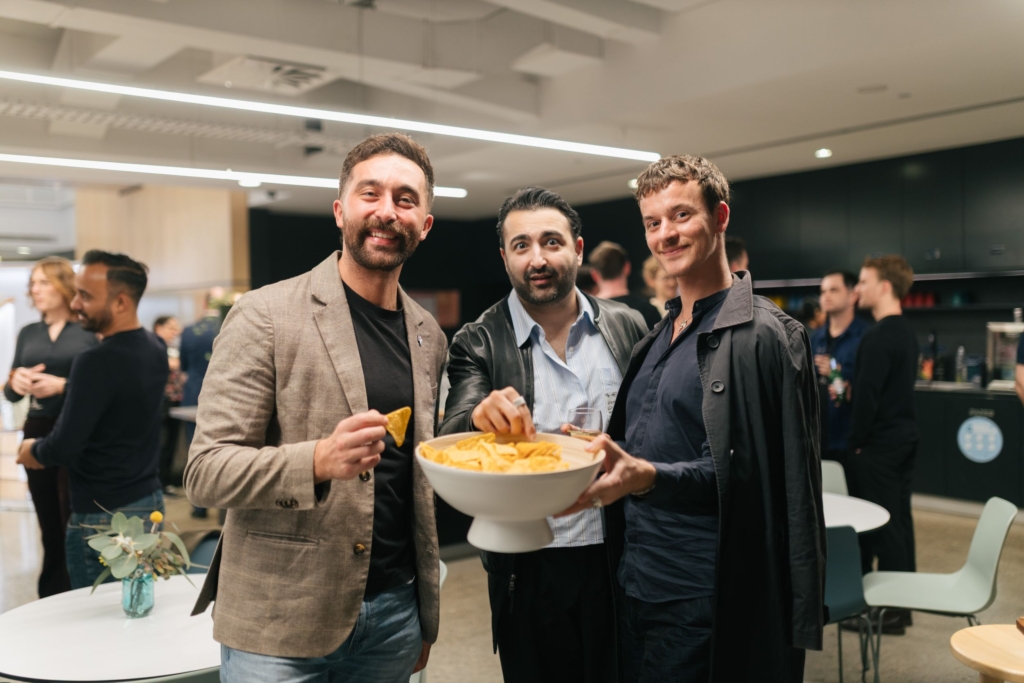
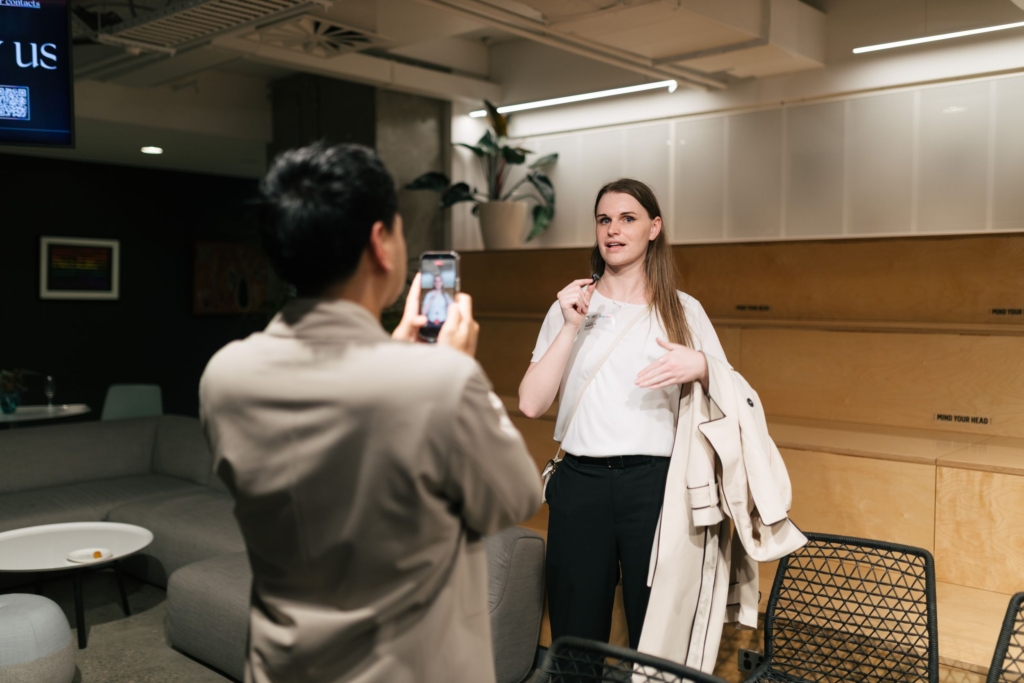
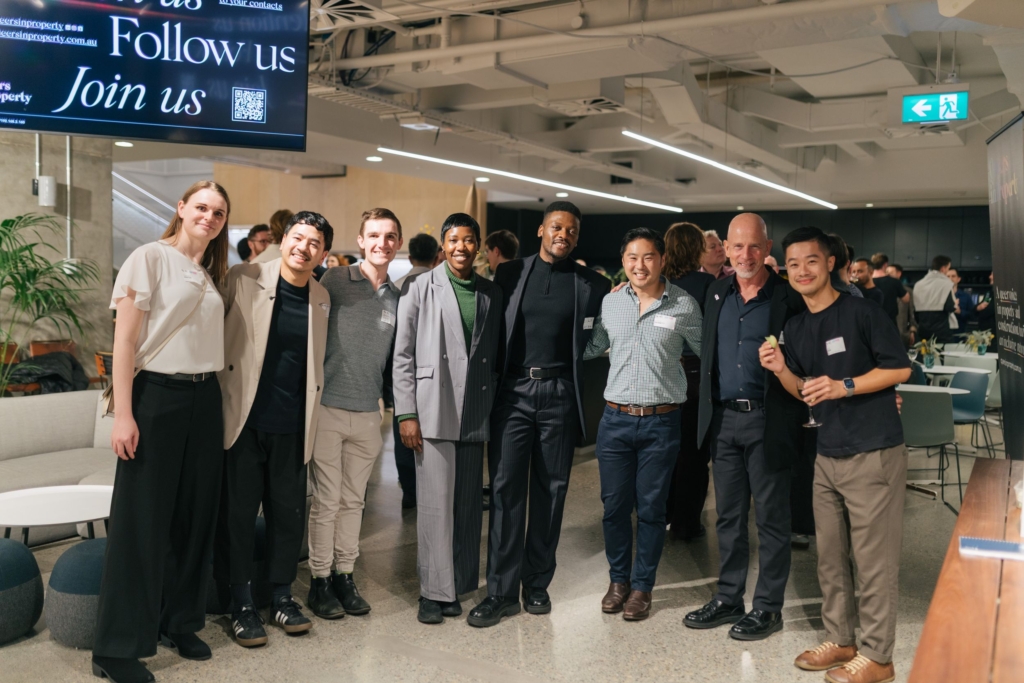
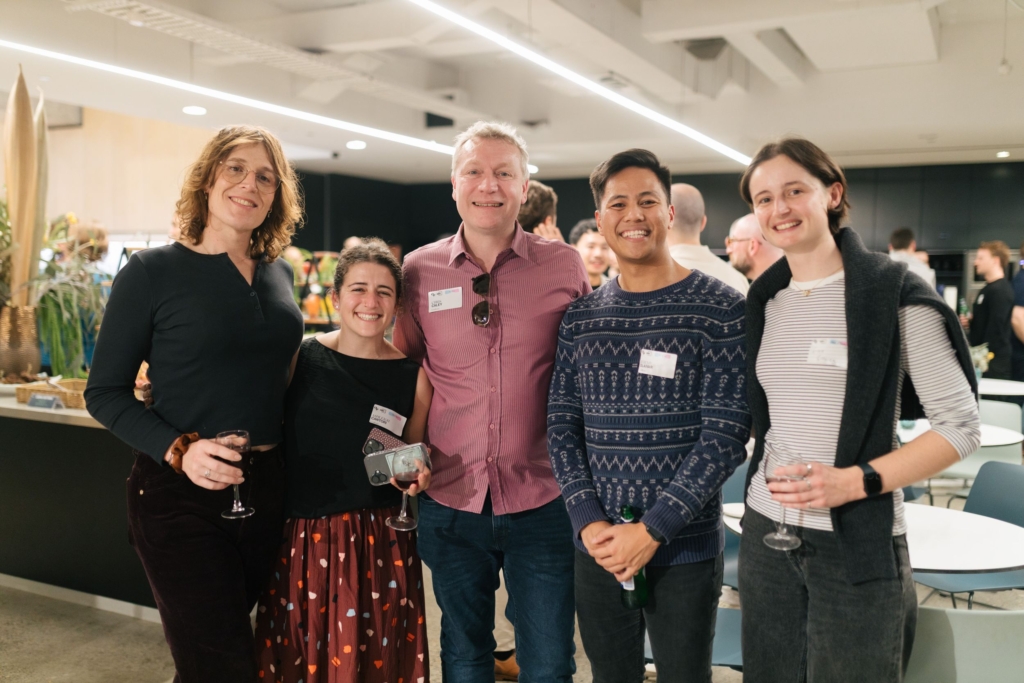
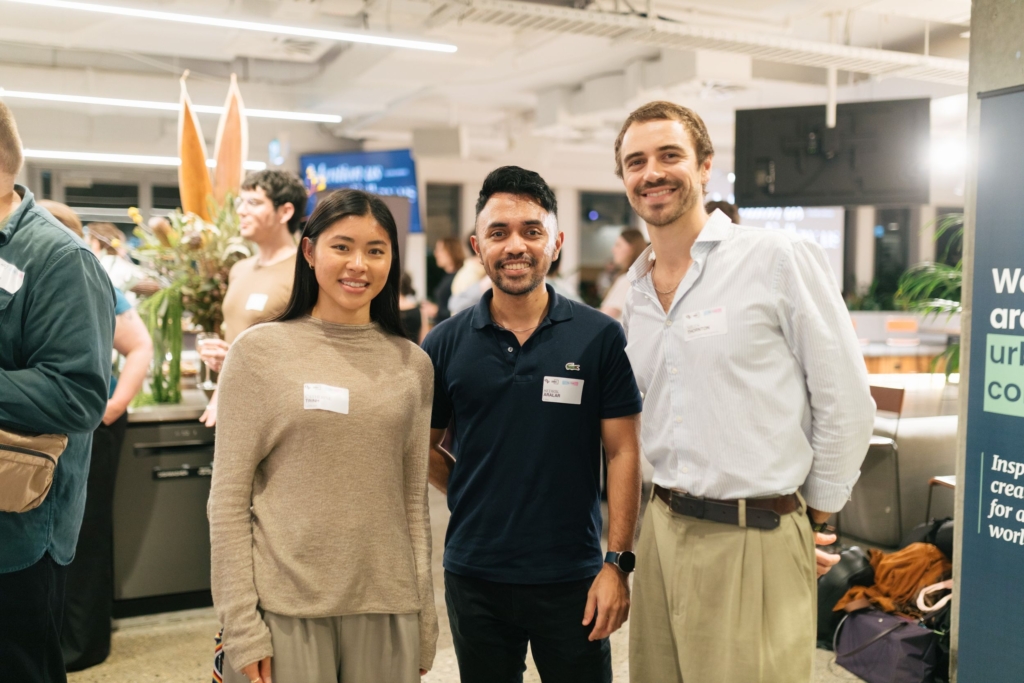
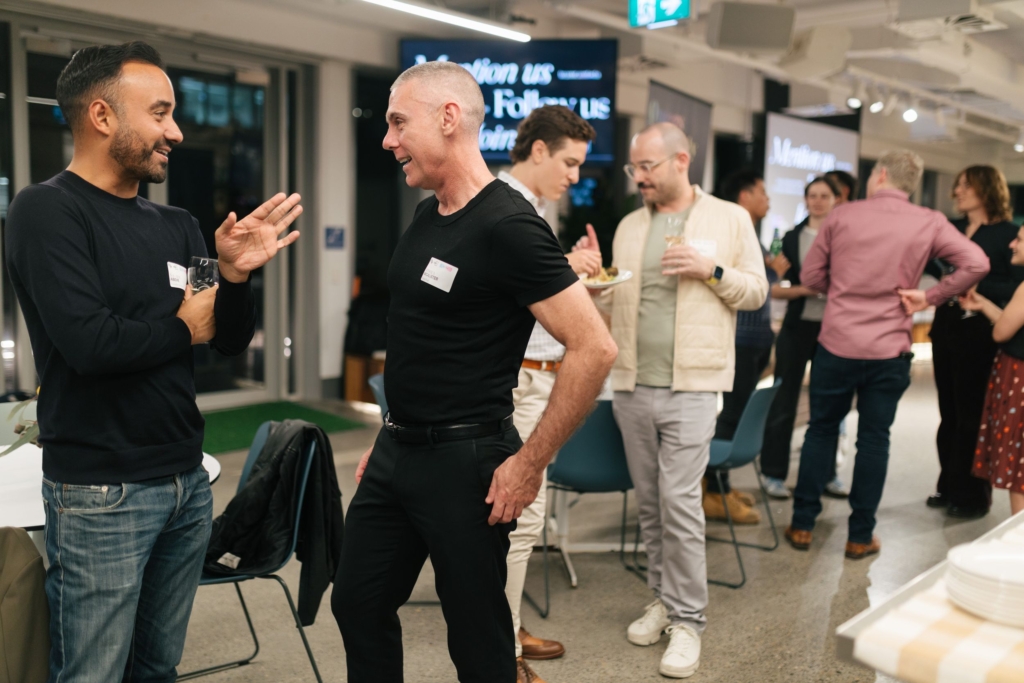
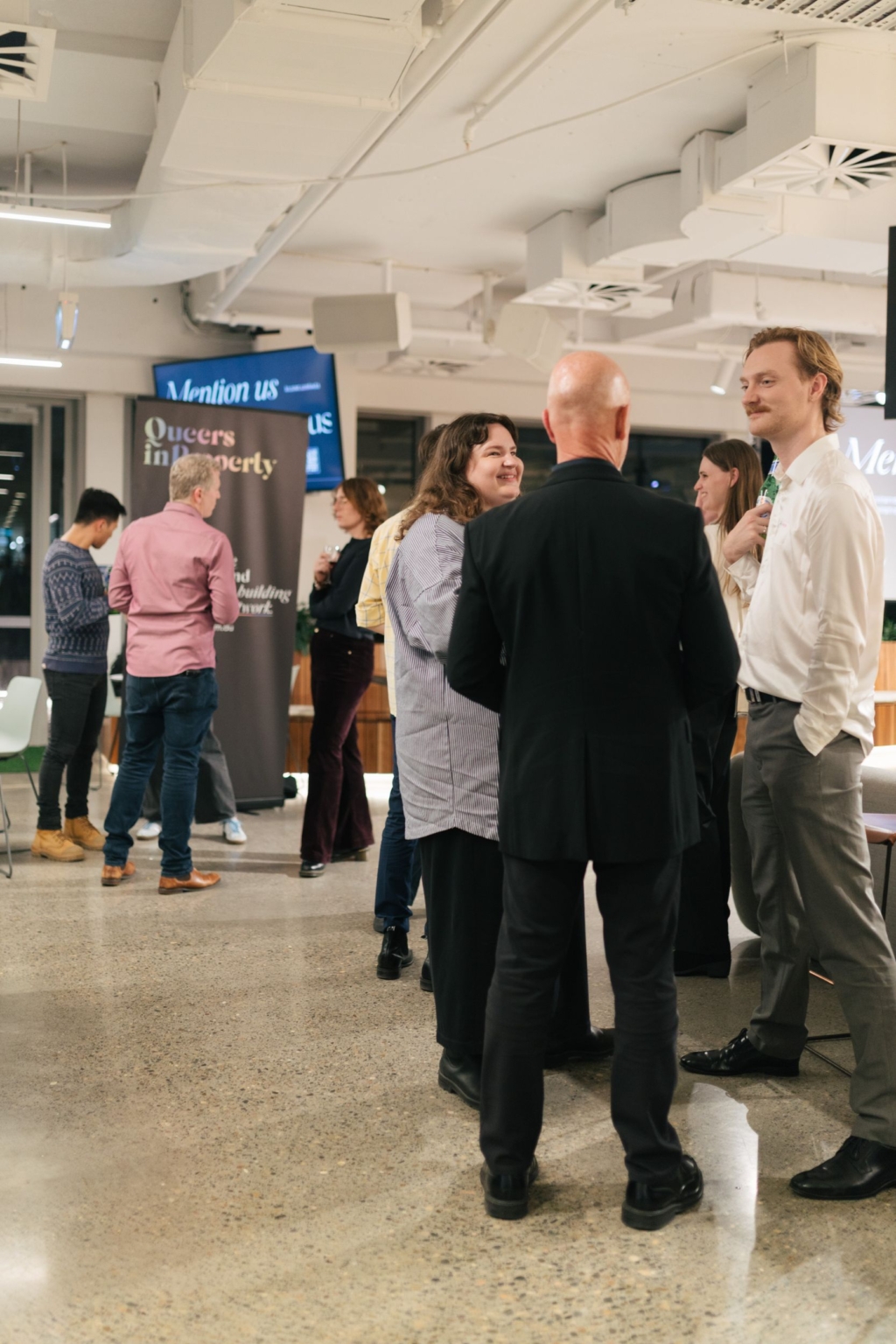
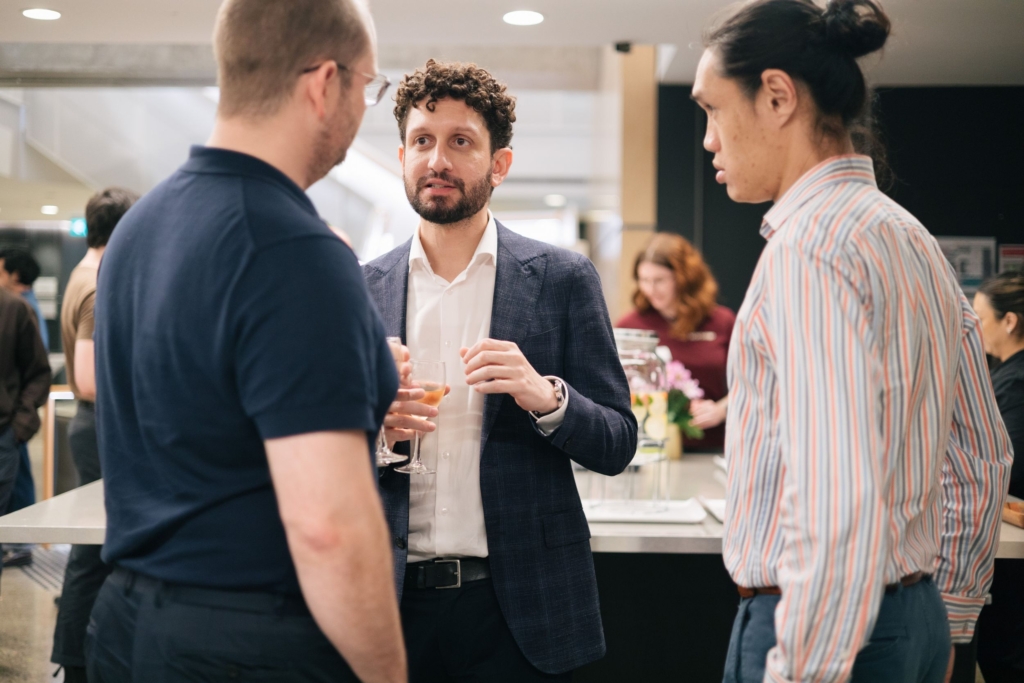
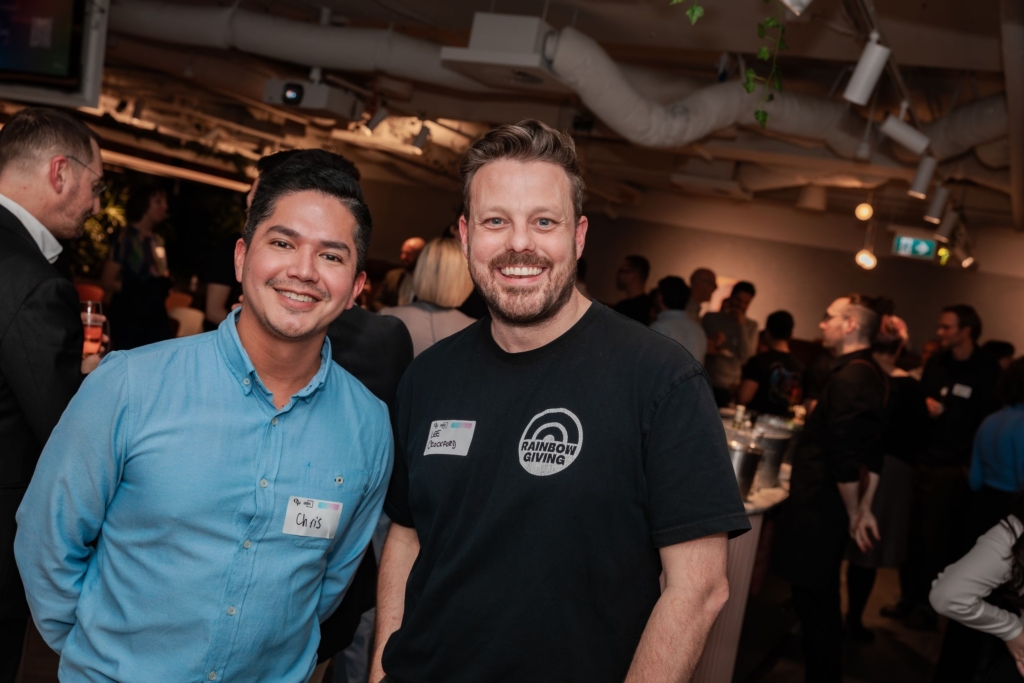
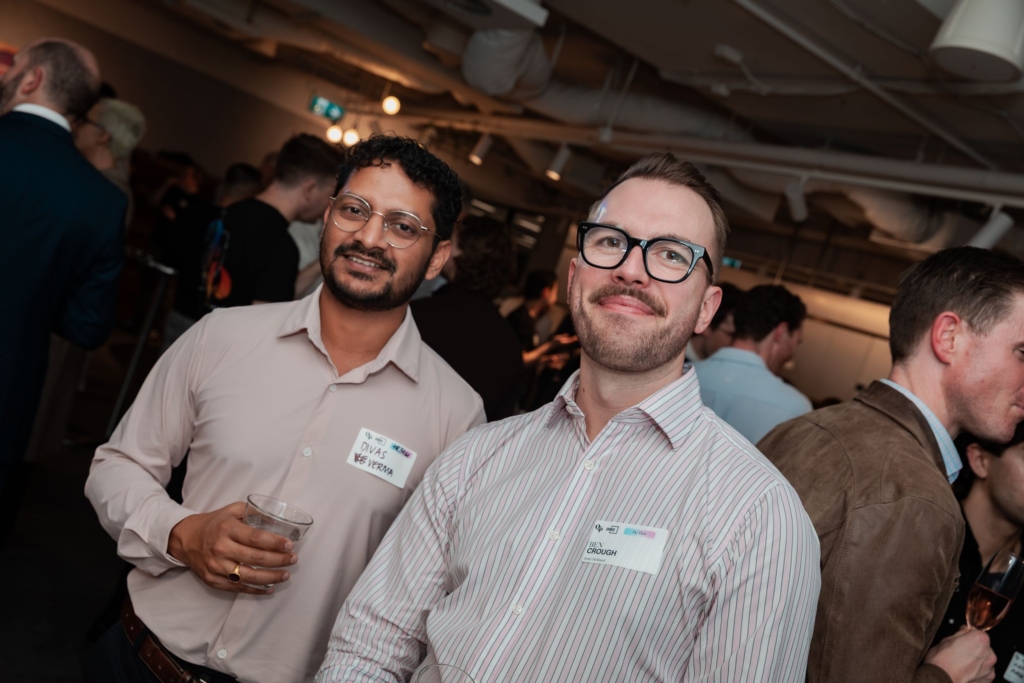
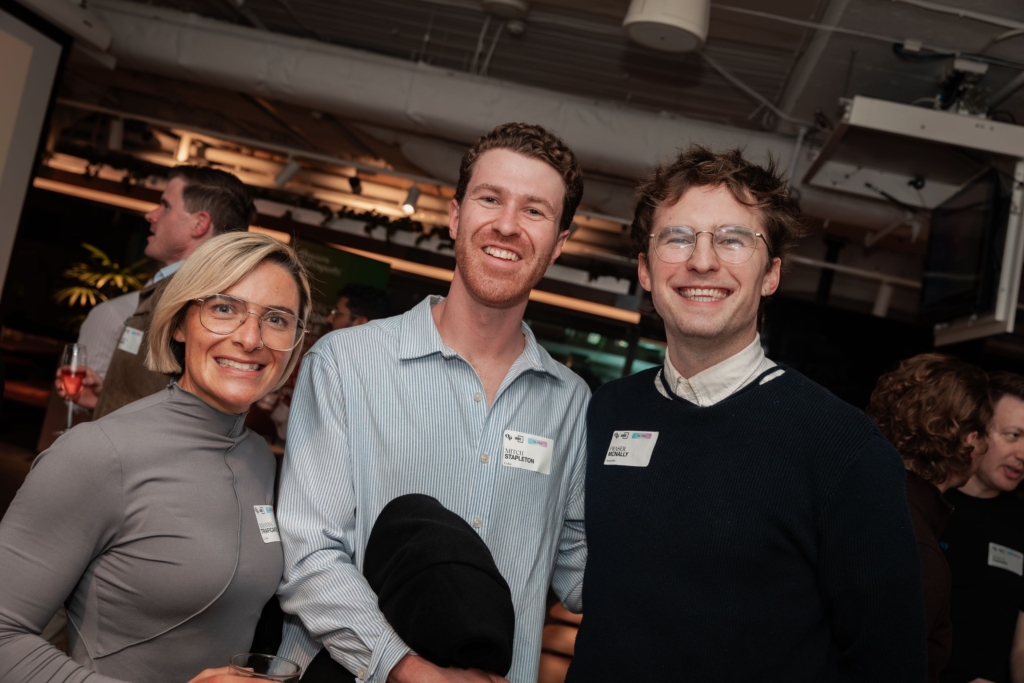
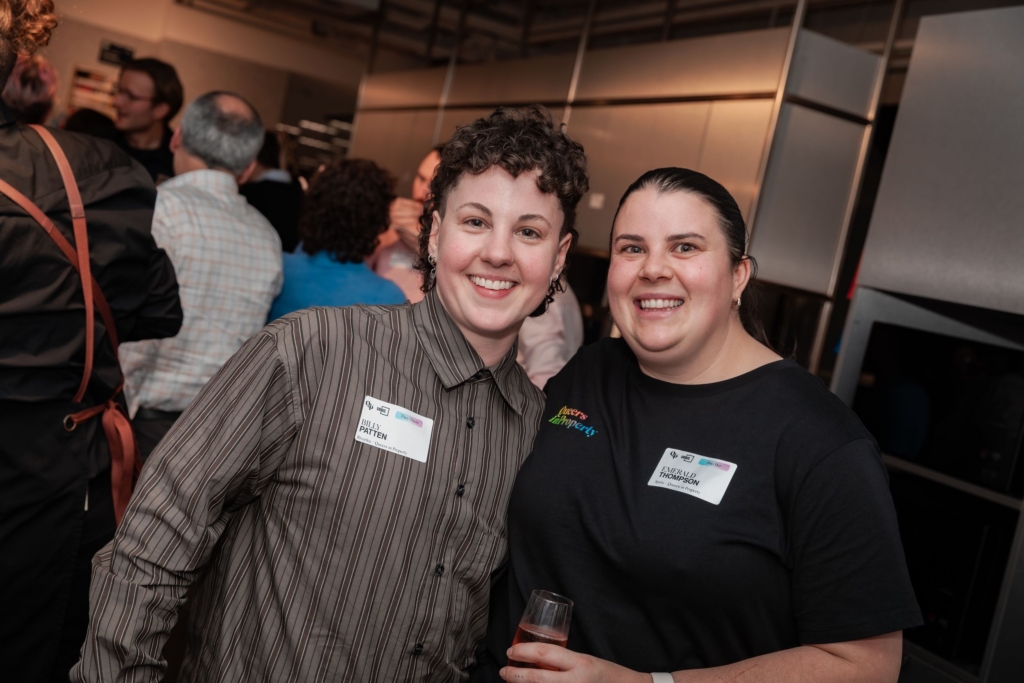
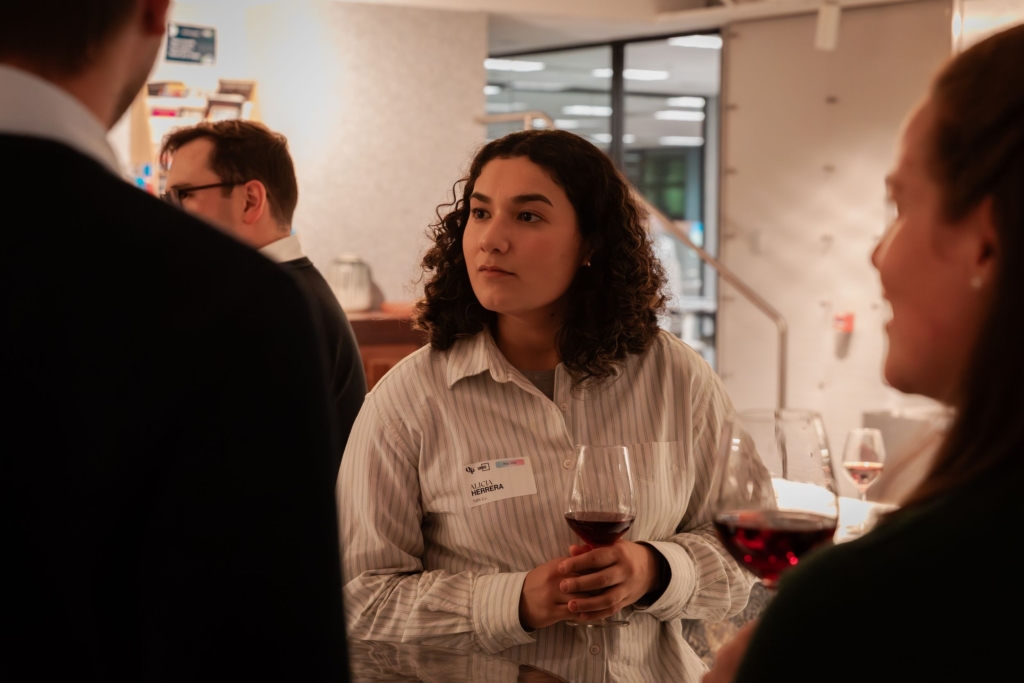
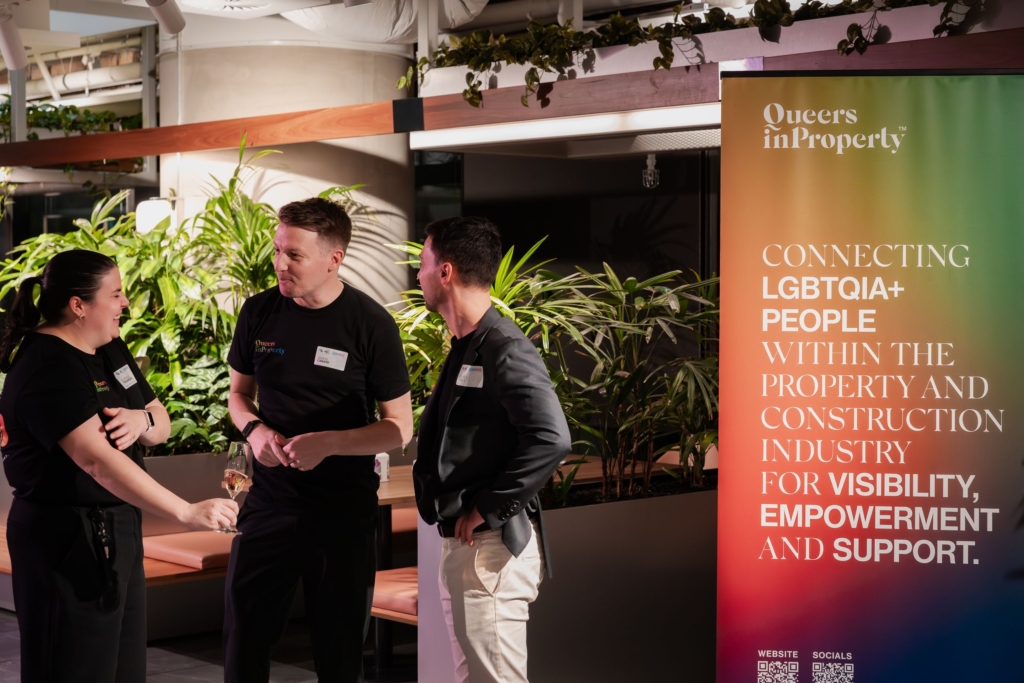
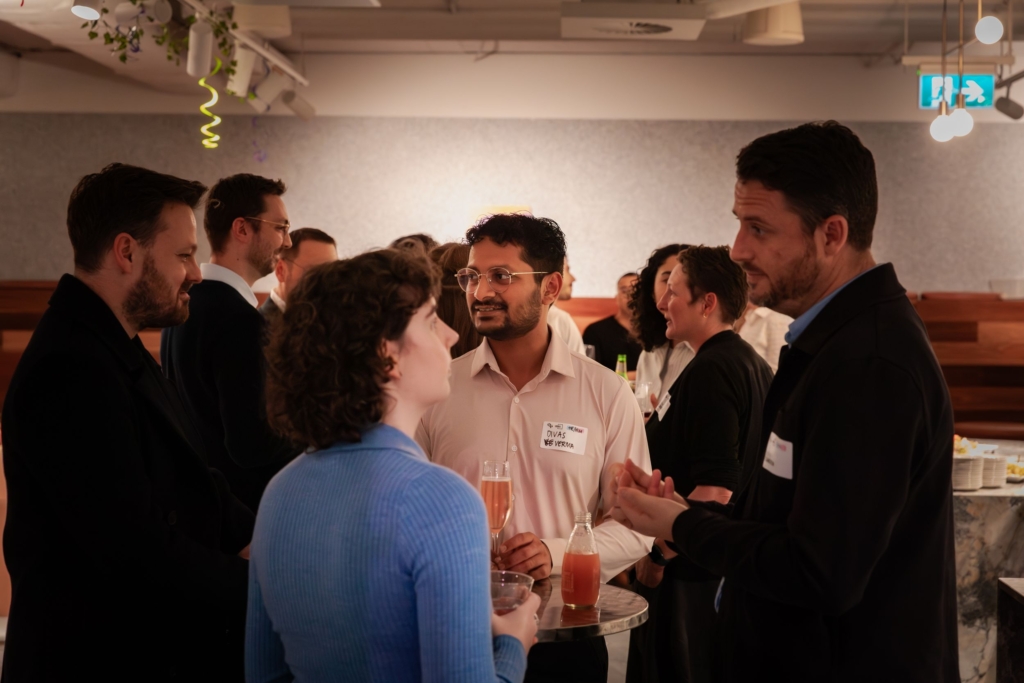
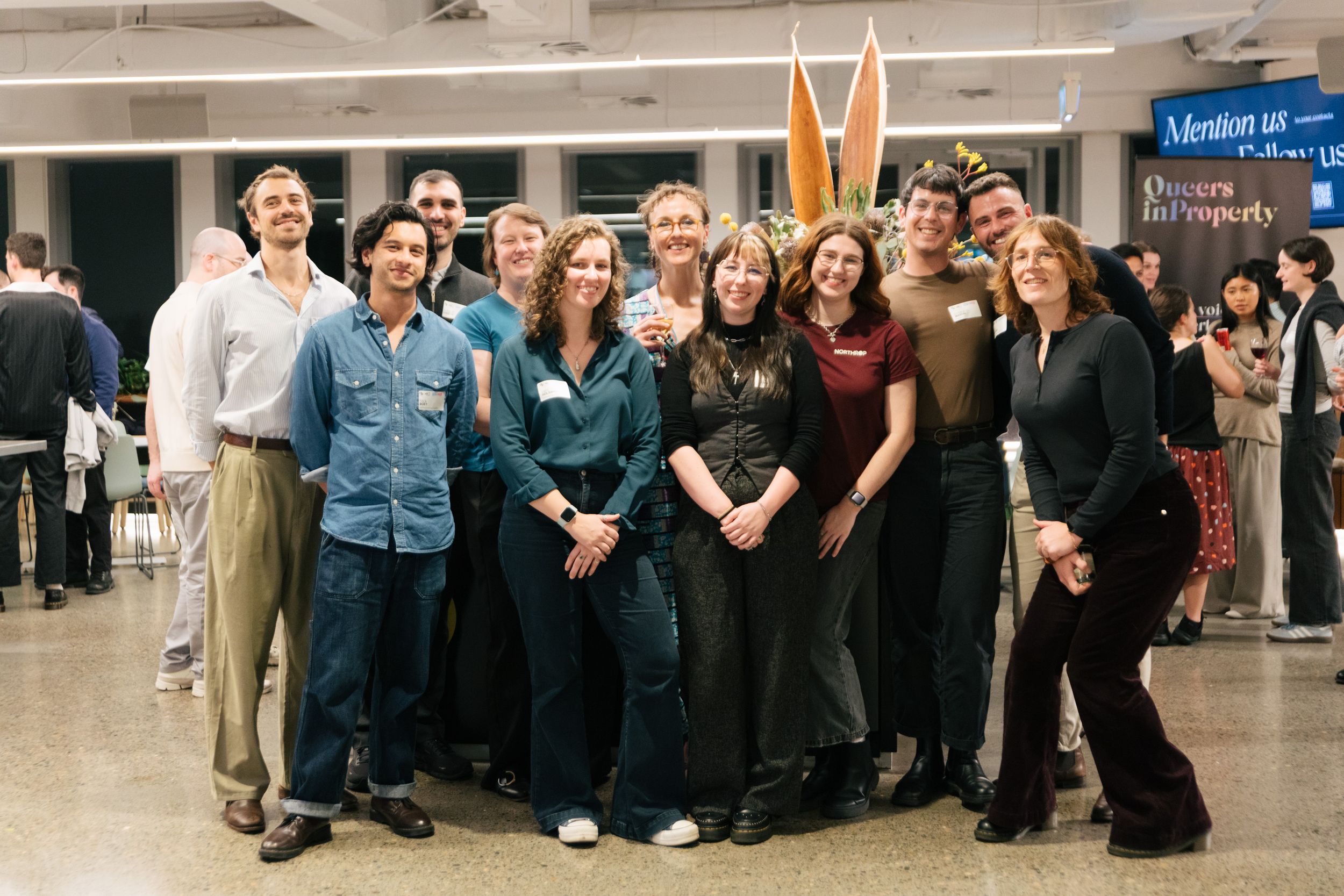
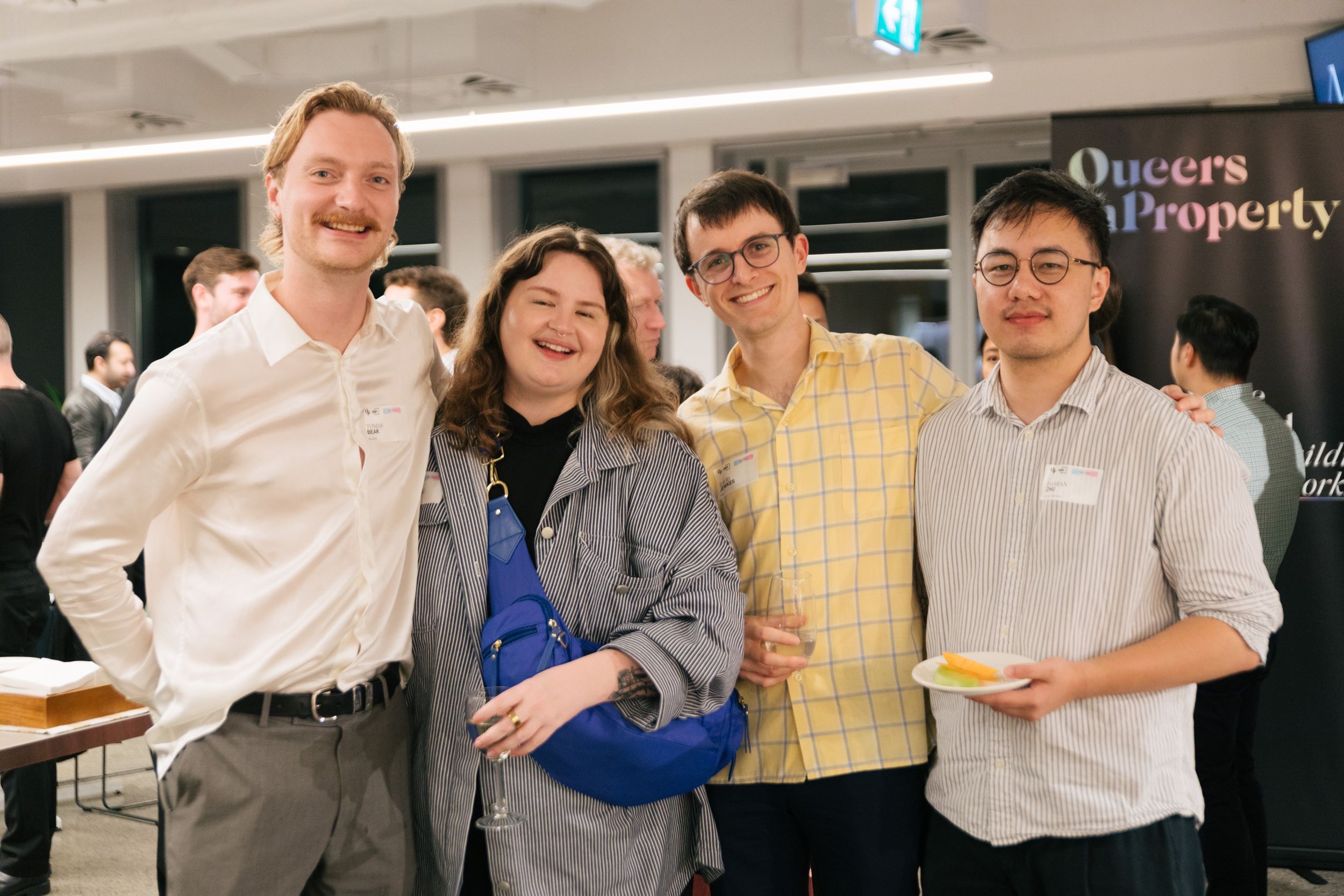
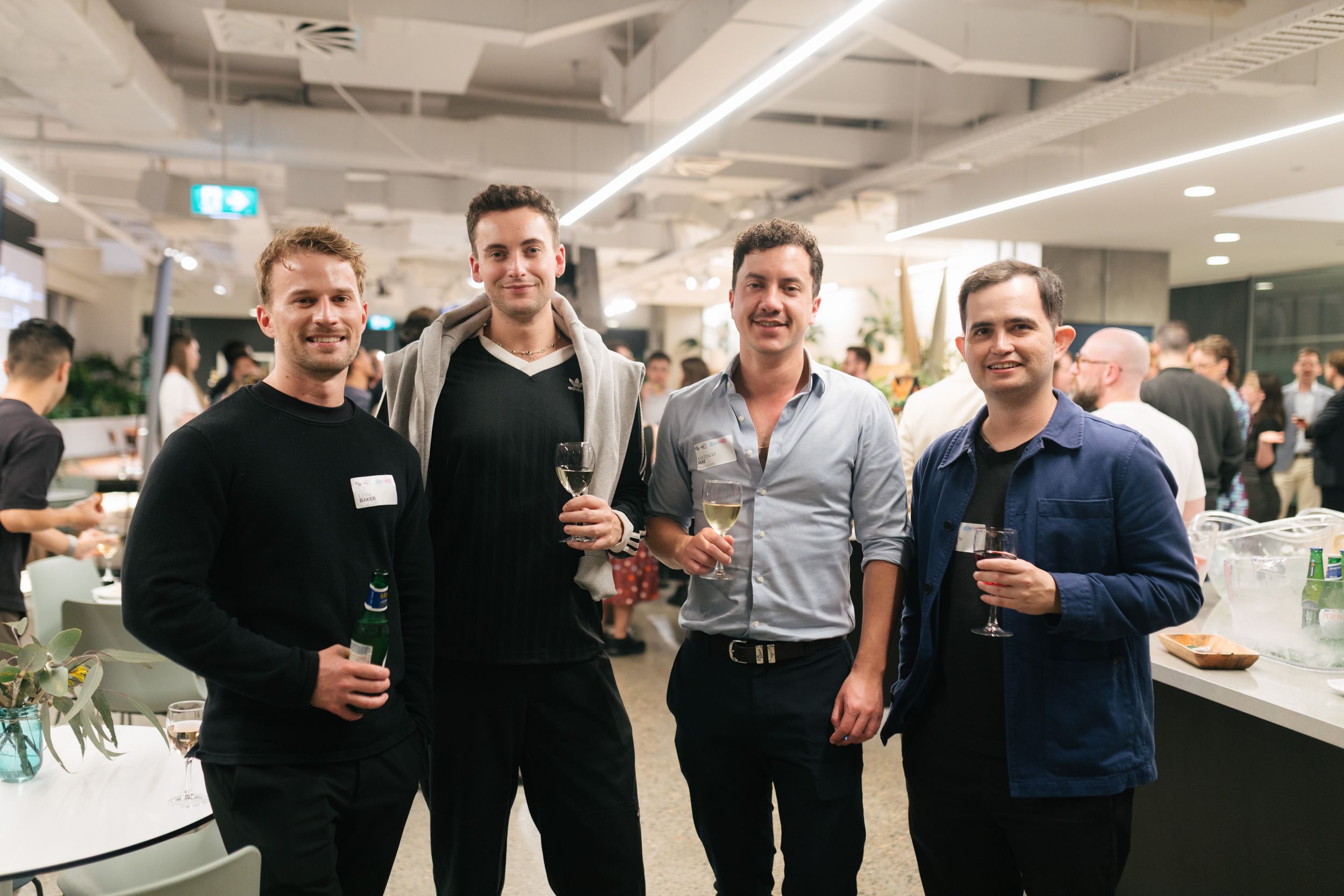
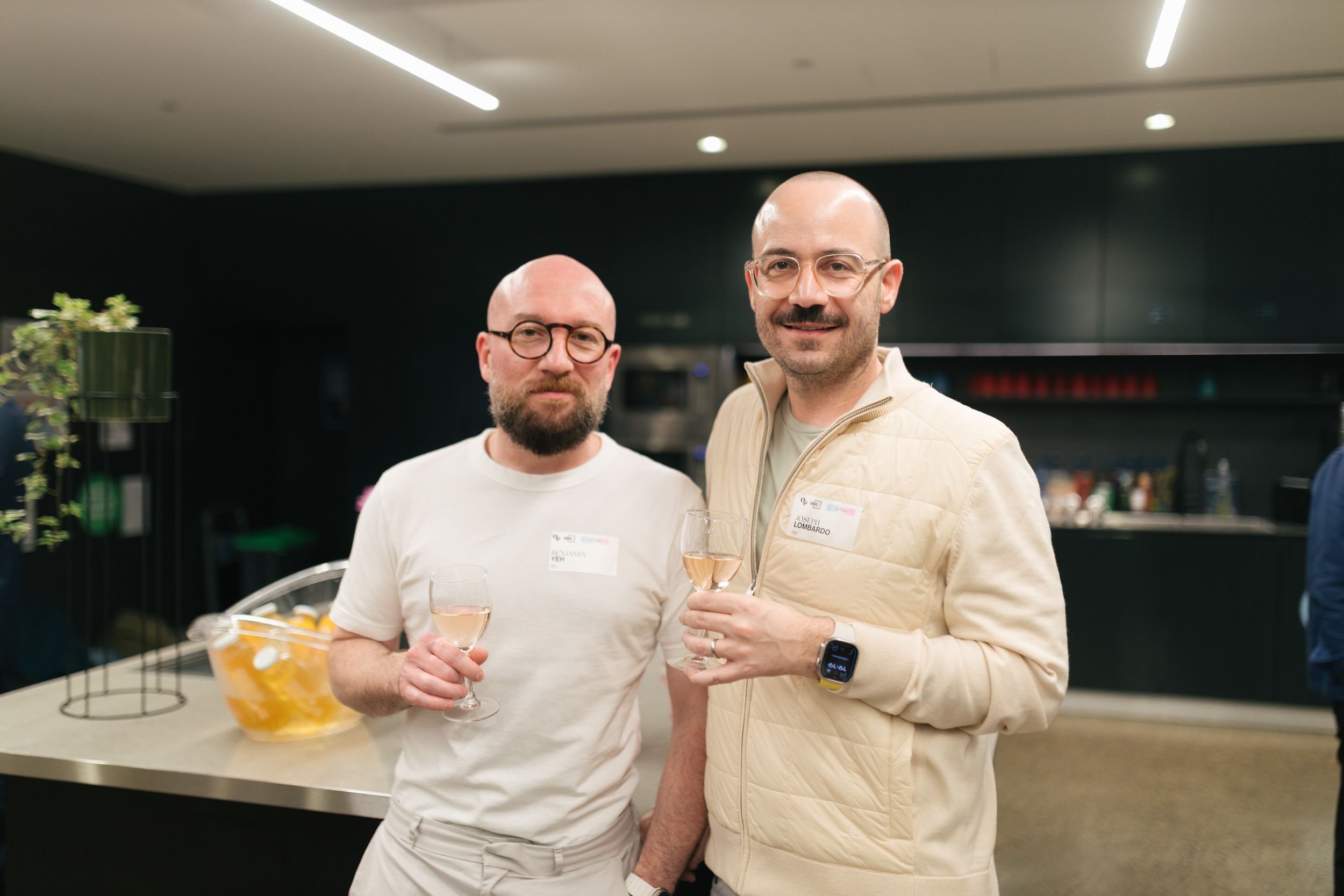
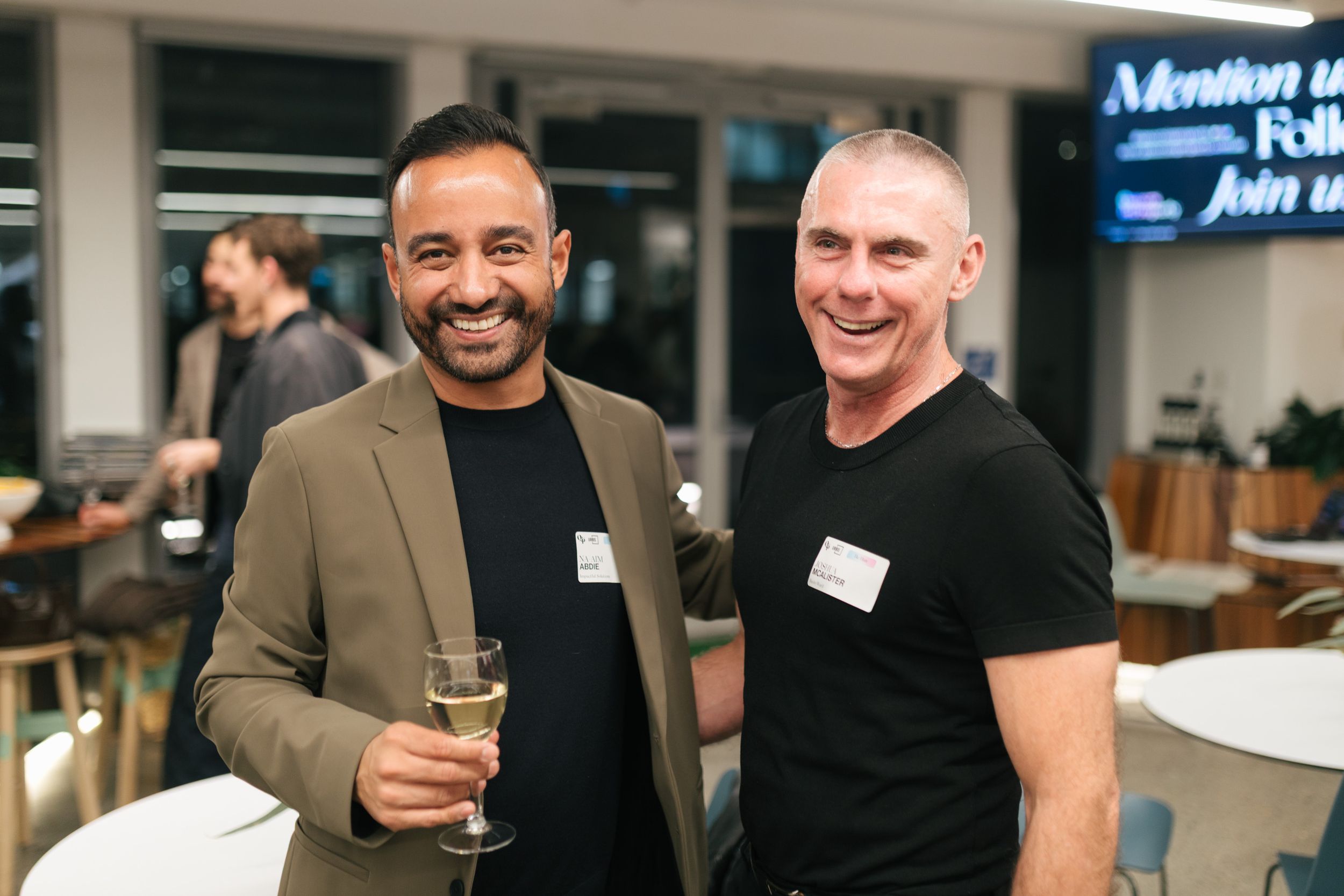
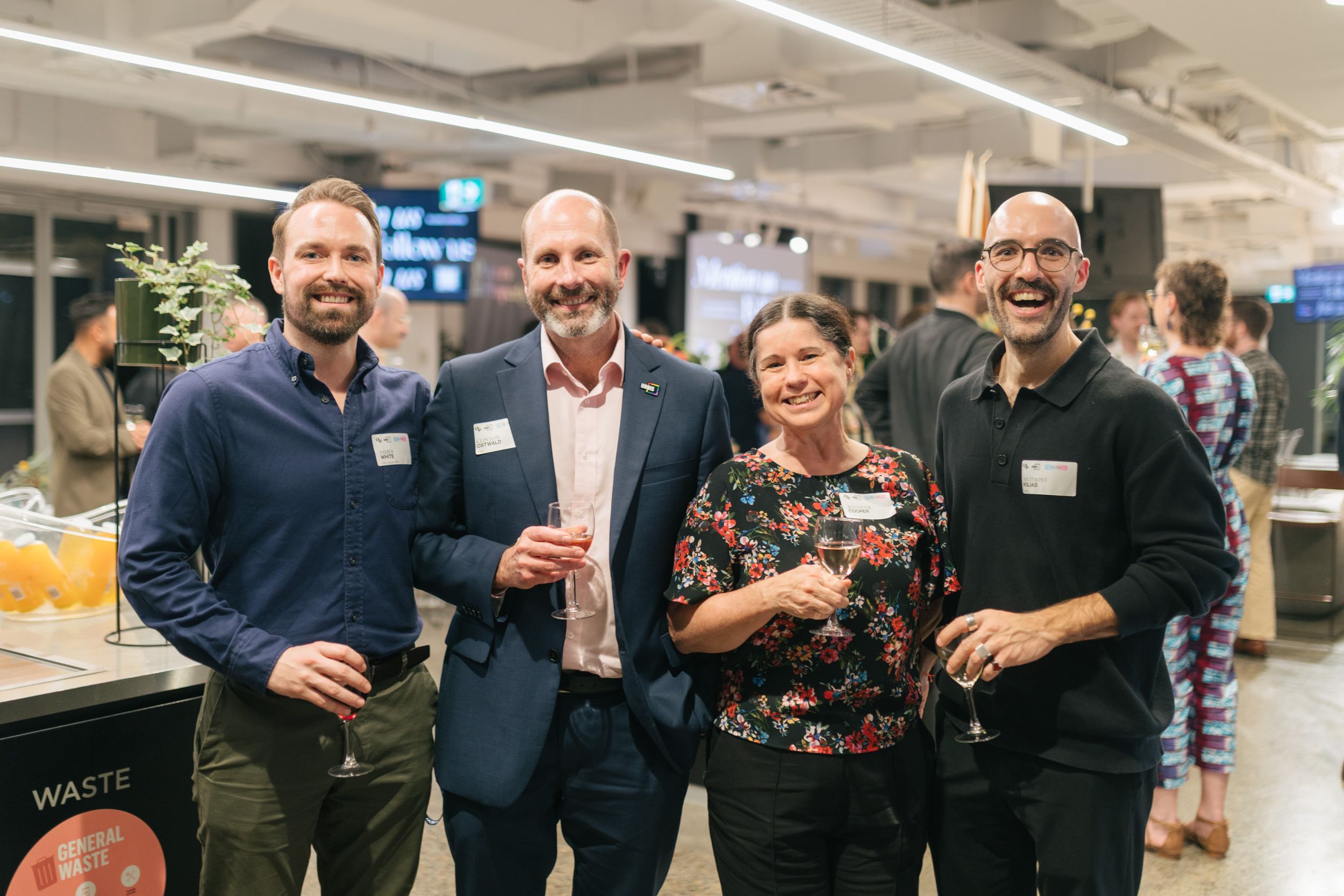
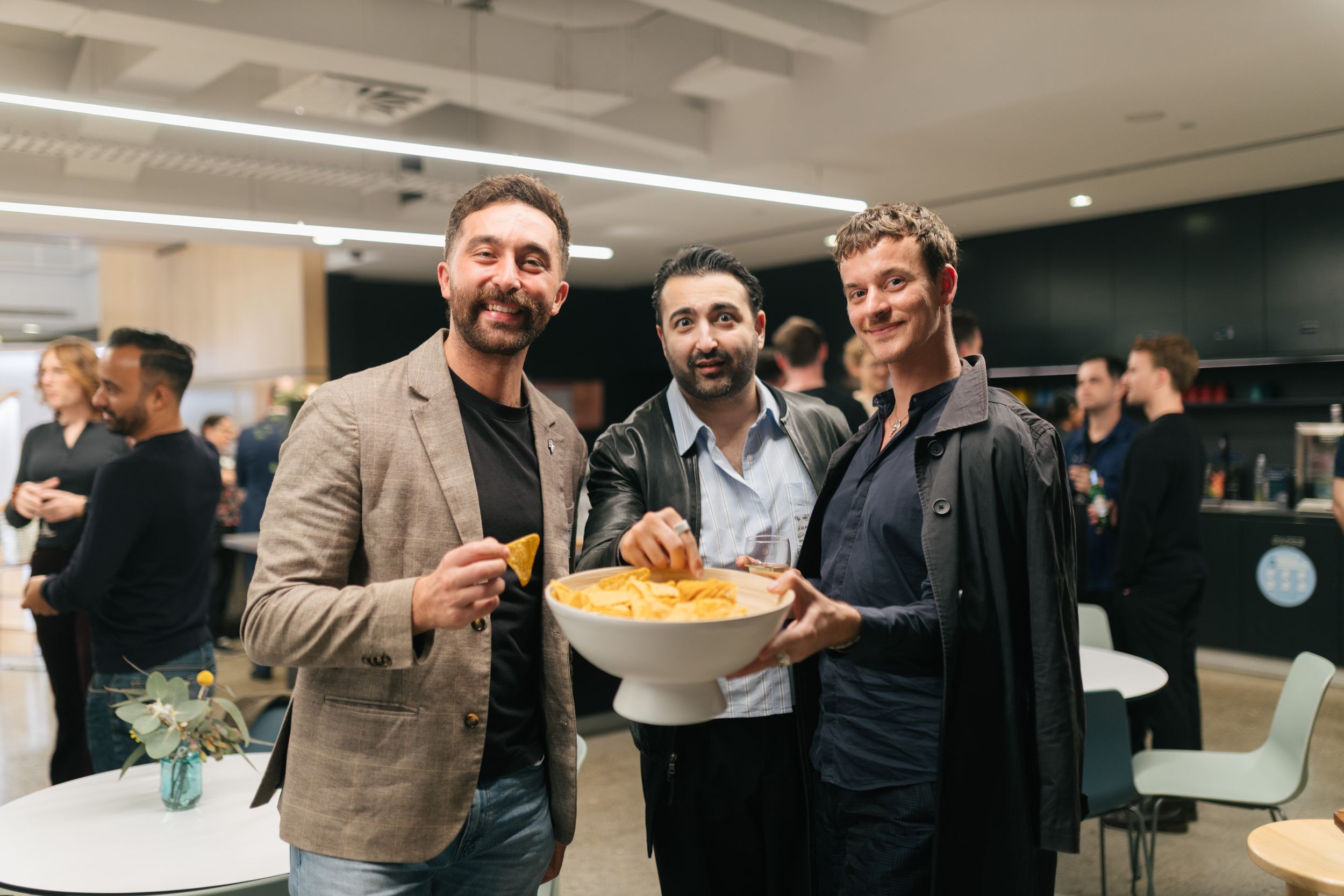
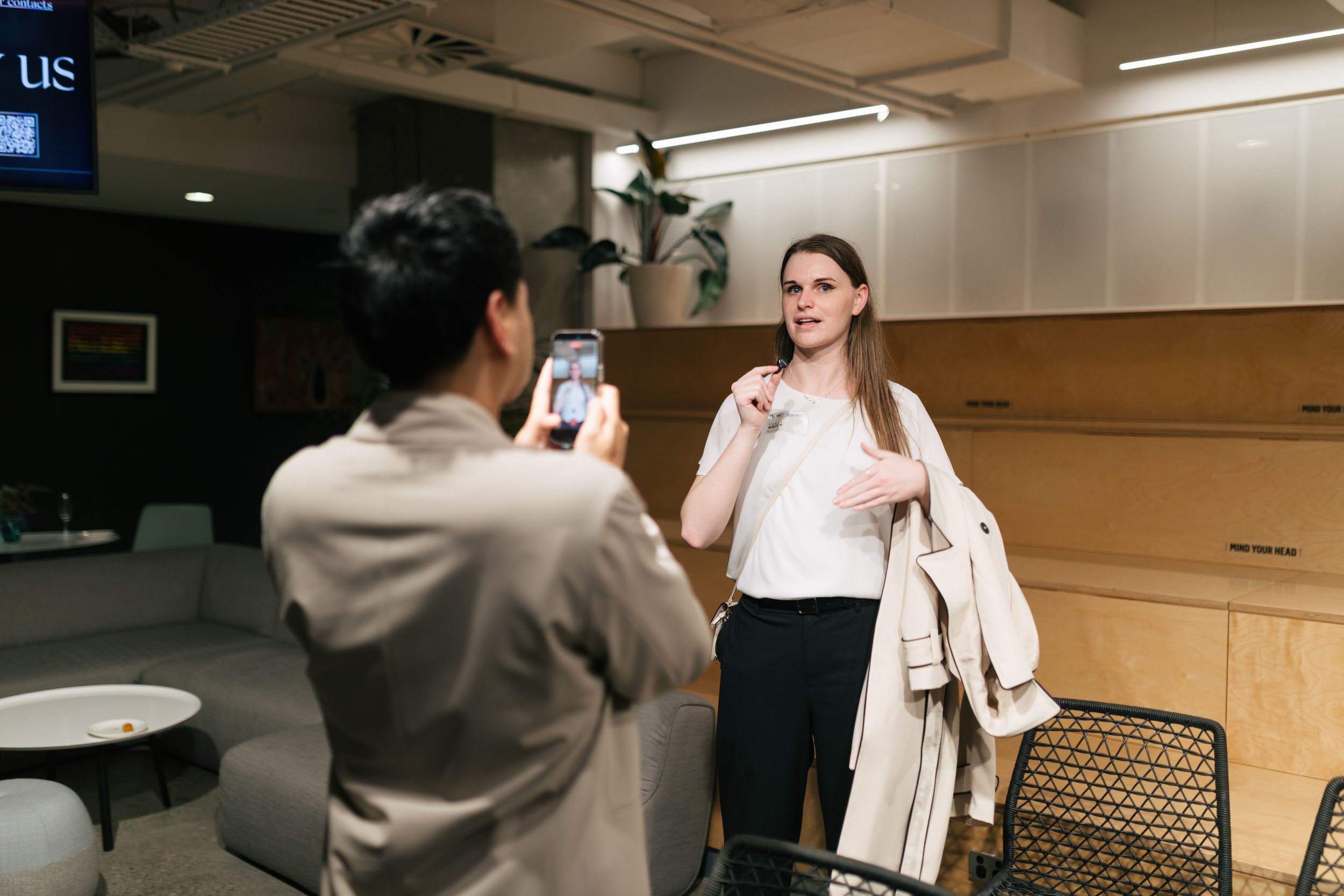
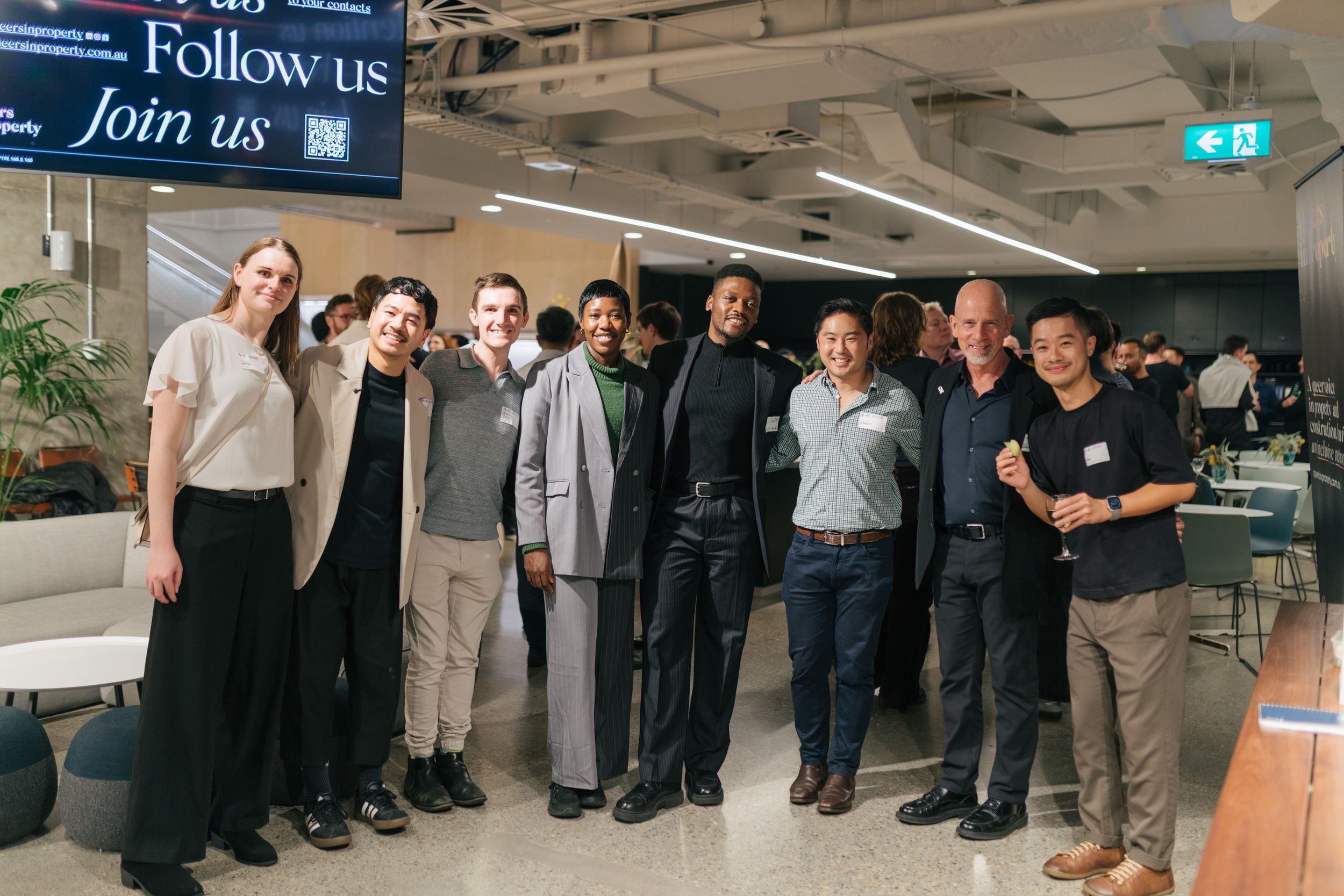
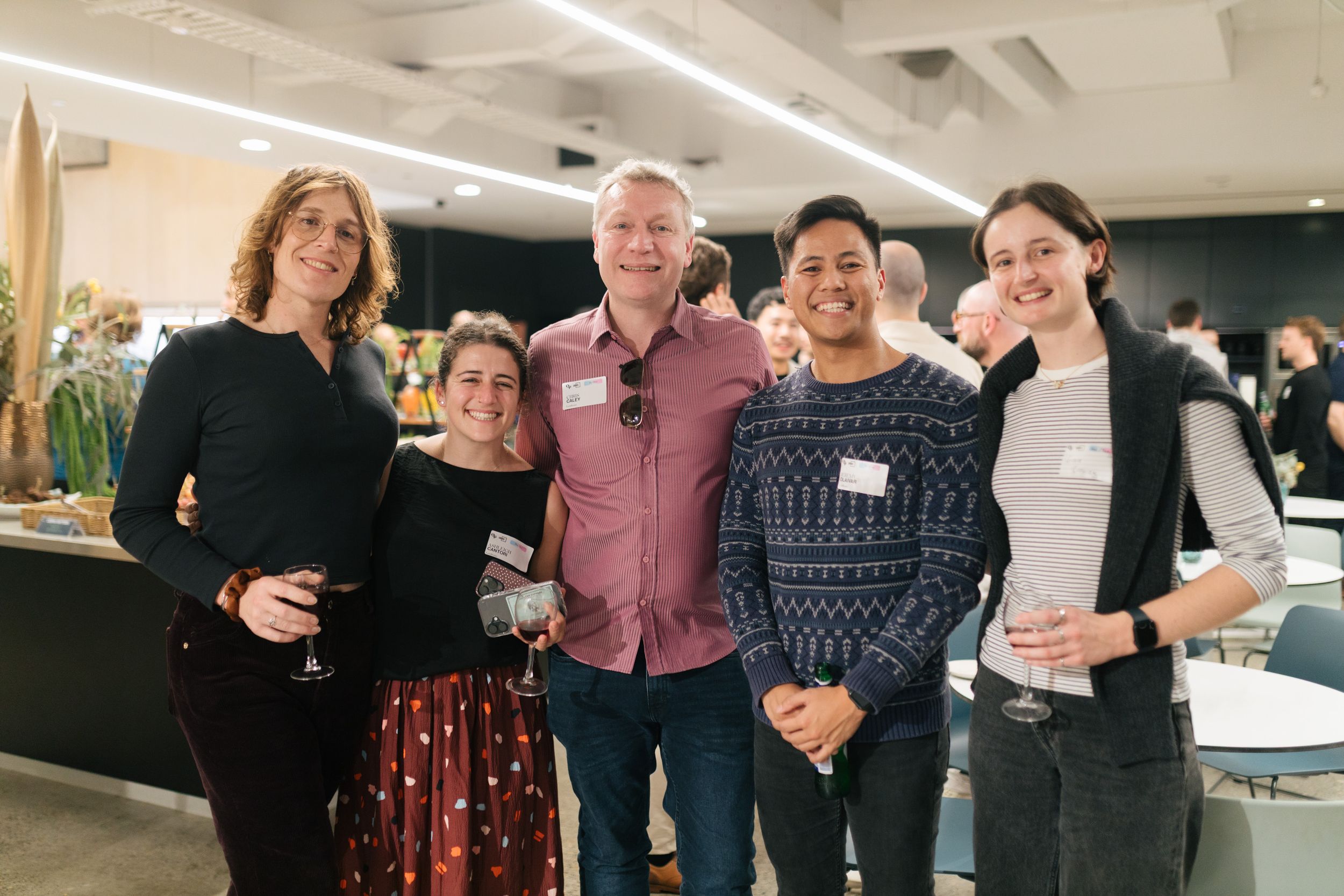
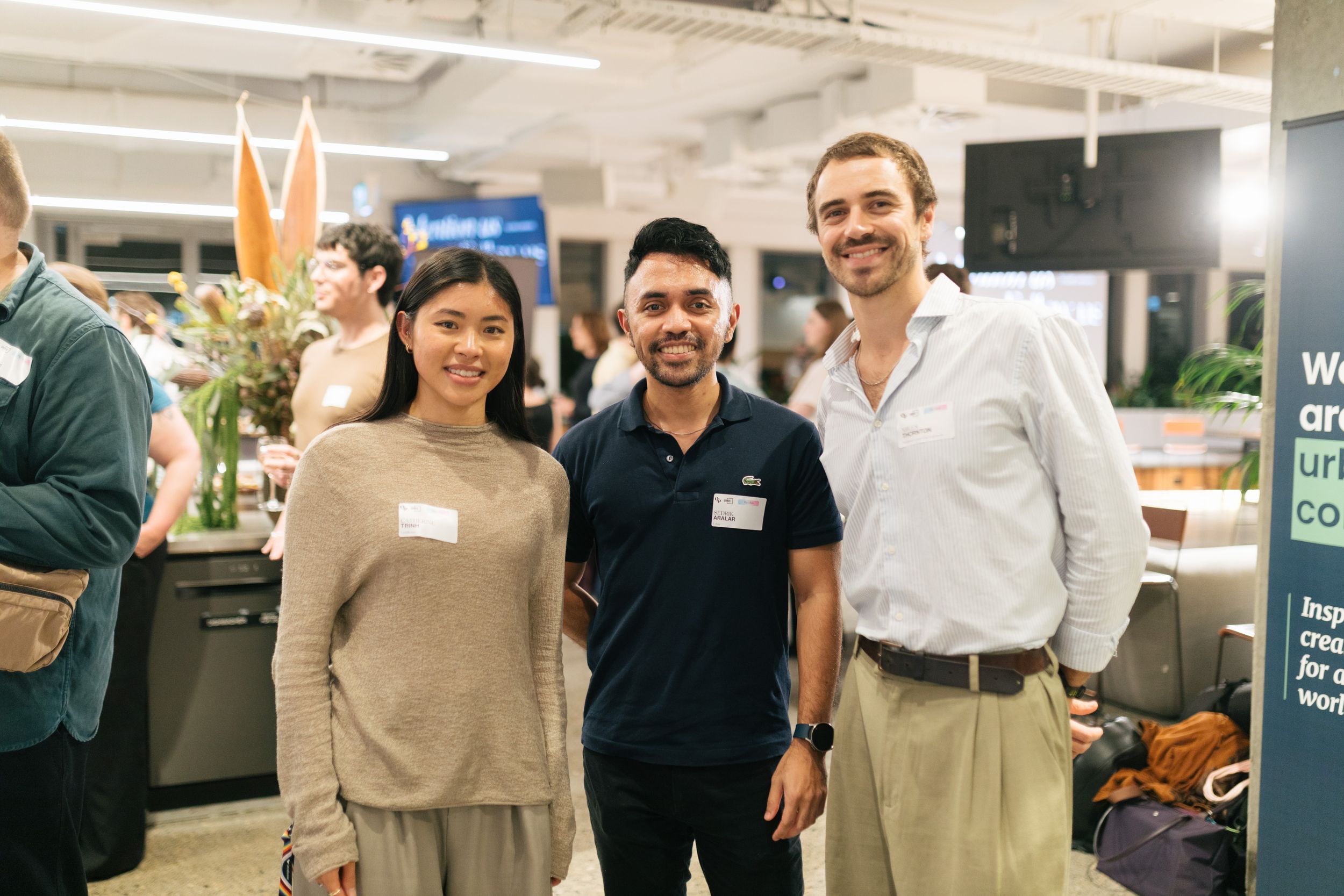
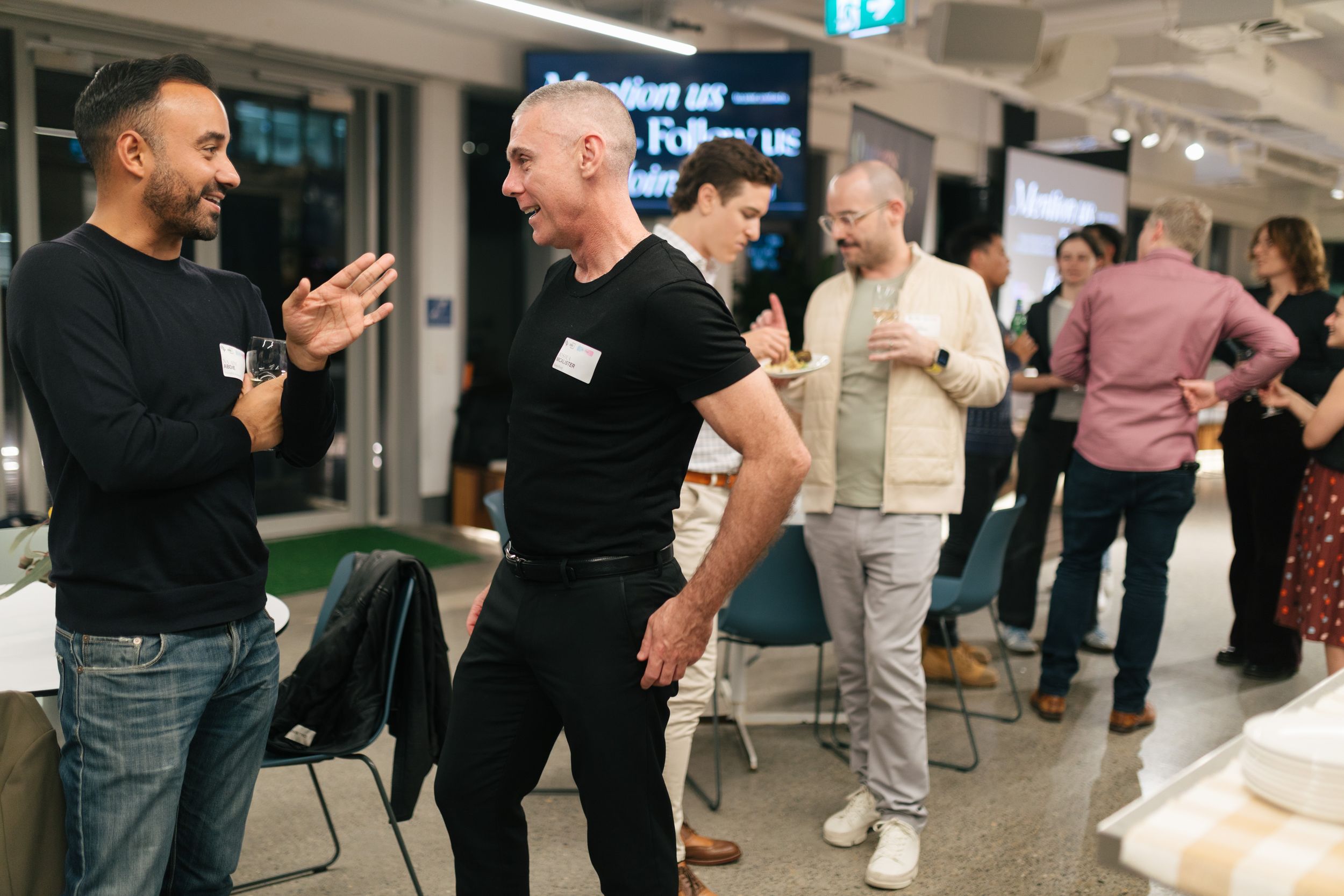
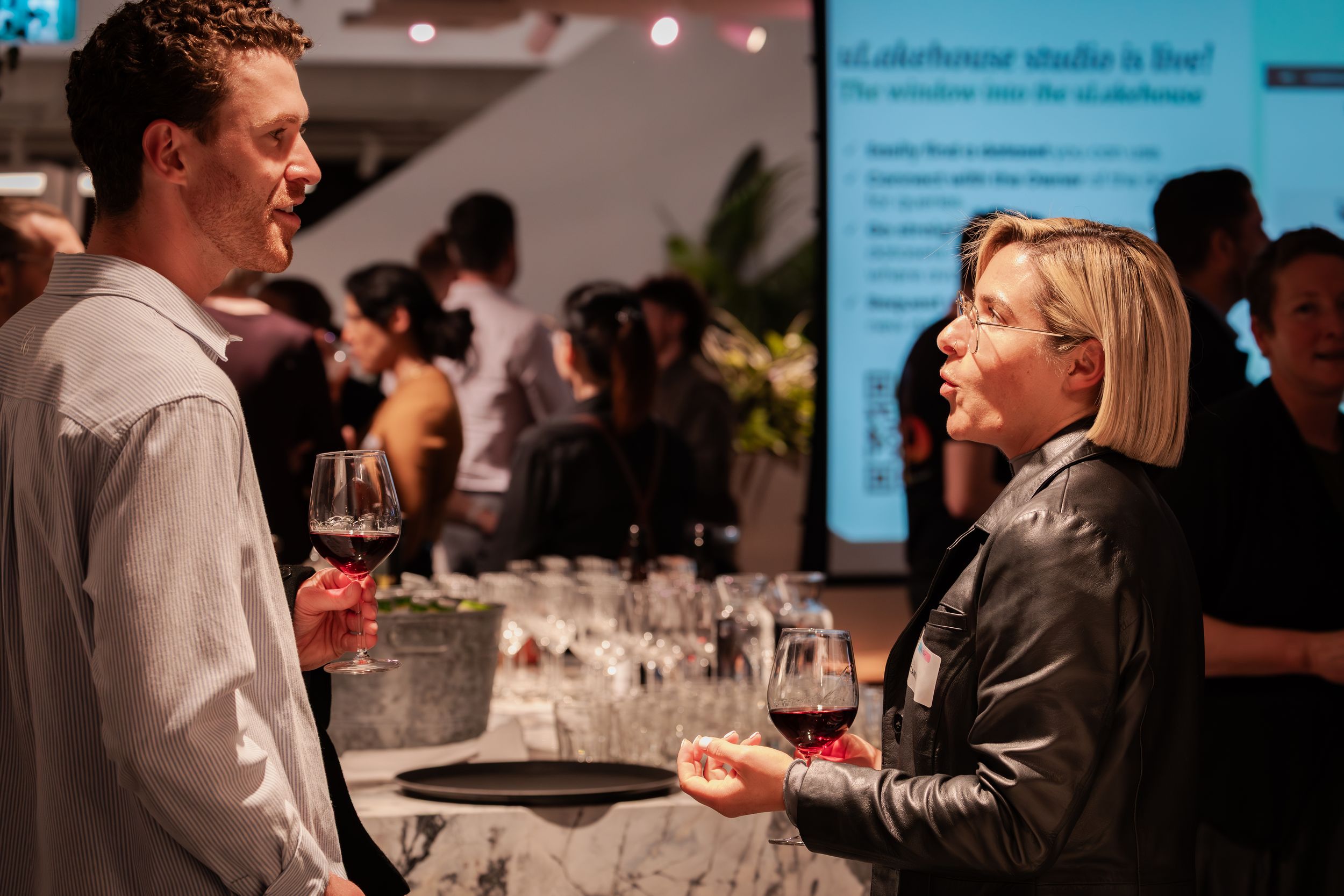
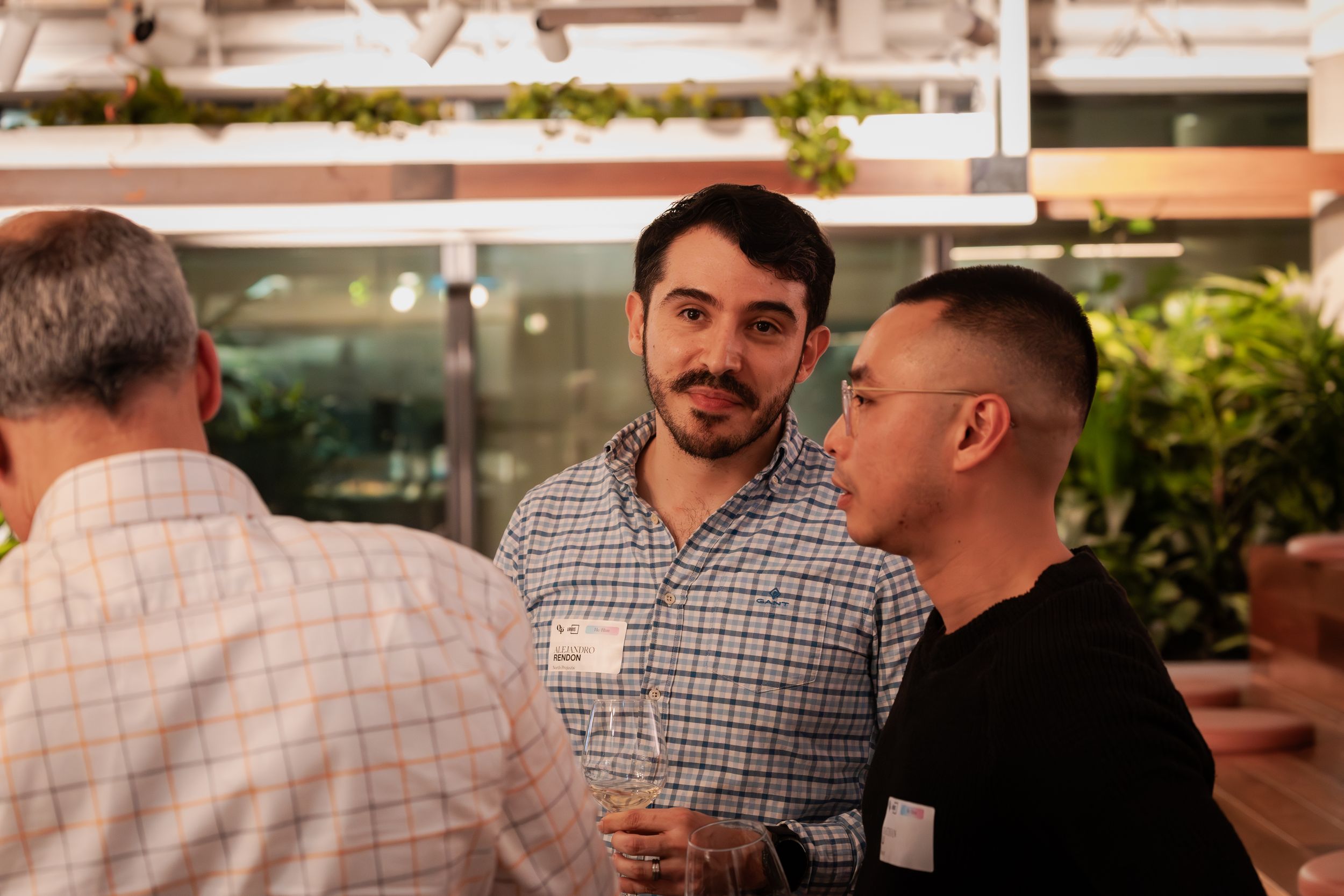
Melb Event Gallery
Photos: Matto Lucus/ T&T Photo Agency
Instagram: @mattolucas @ttphotoagency