


VPELA Magazine Queering Urbanism Cities and Public Spaces
-
DATE PUBLISHED
Saturday 28 March 2026 -
tags
Media, VIC
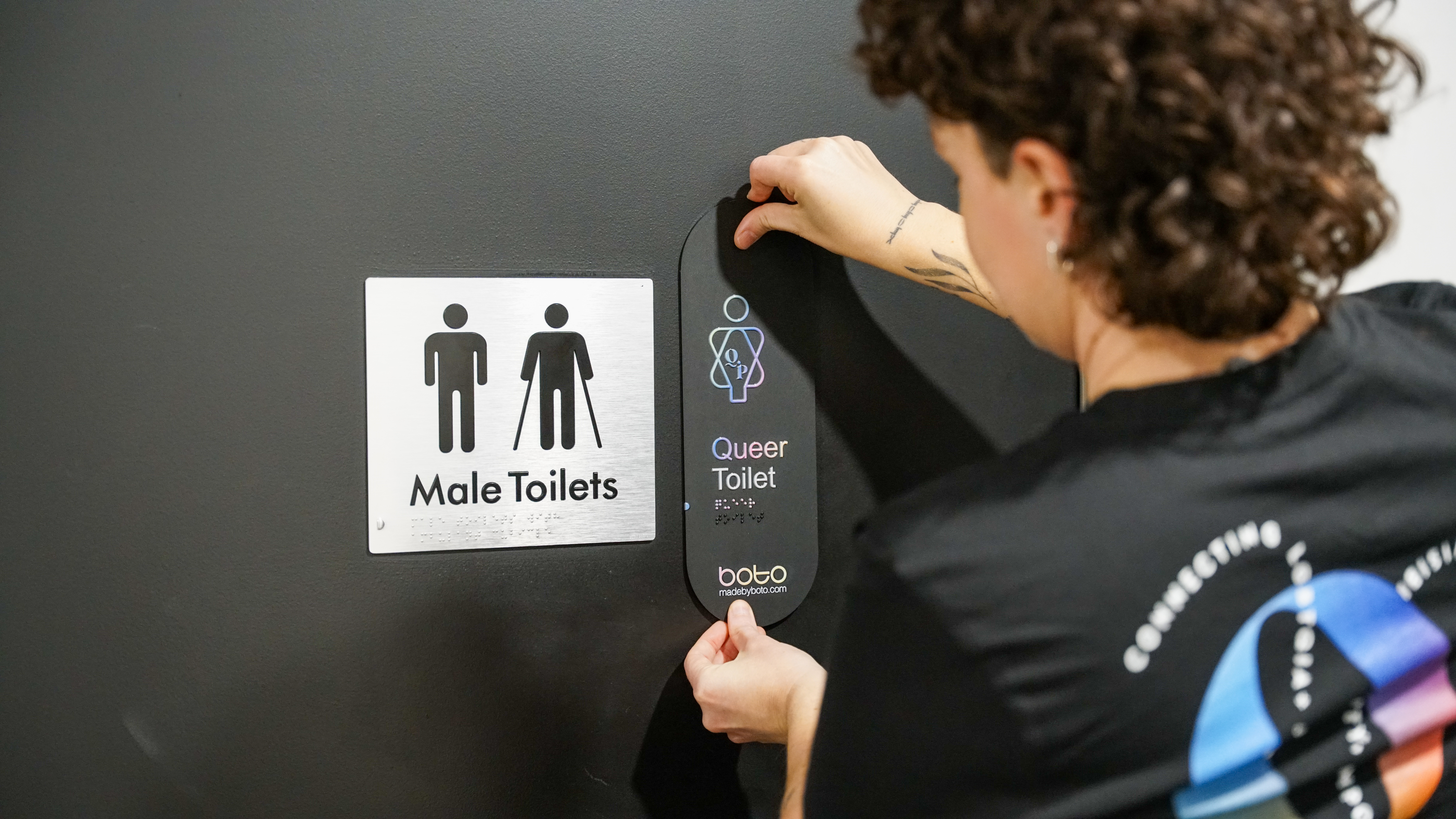
Planning better cities begins with inviting more perspectives into practice. Without contemplating the lived experience of the LGBTQIA+ community, the cities we shape risk reinforcing barriers that have long limited visibility, safety and inclusion.
Since 2019, Queers in Property (QIP) has grown from a grassroots network into a national community of over 1,000 professionals driving LGBTQIA+ inclusion across Australia’s built environment and the broader industries that shape our cities. Through event programming and networking, advocacy, and fundraising, QIP is shifting the sector from tokenism to meaningful representation.
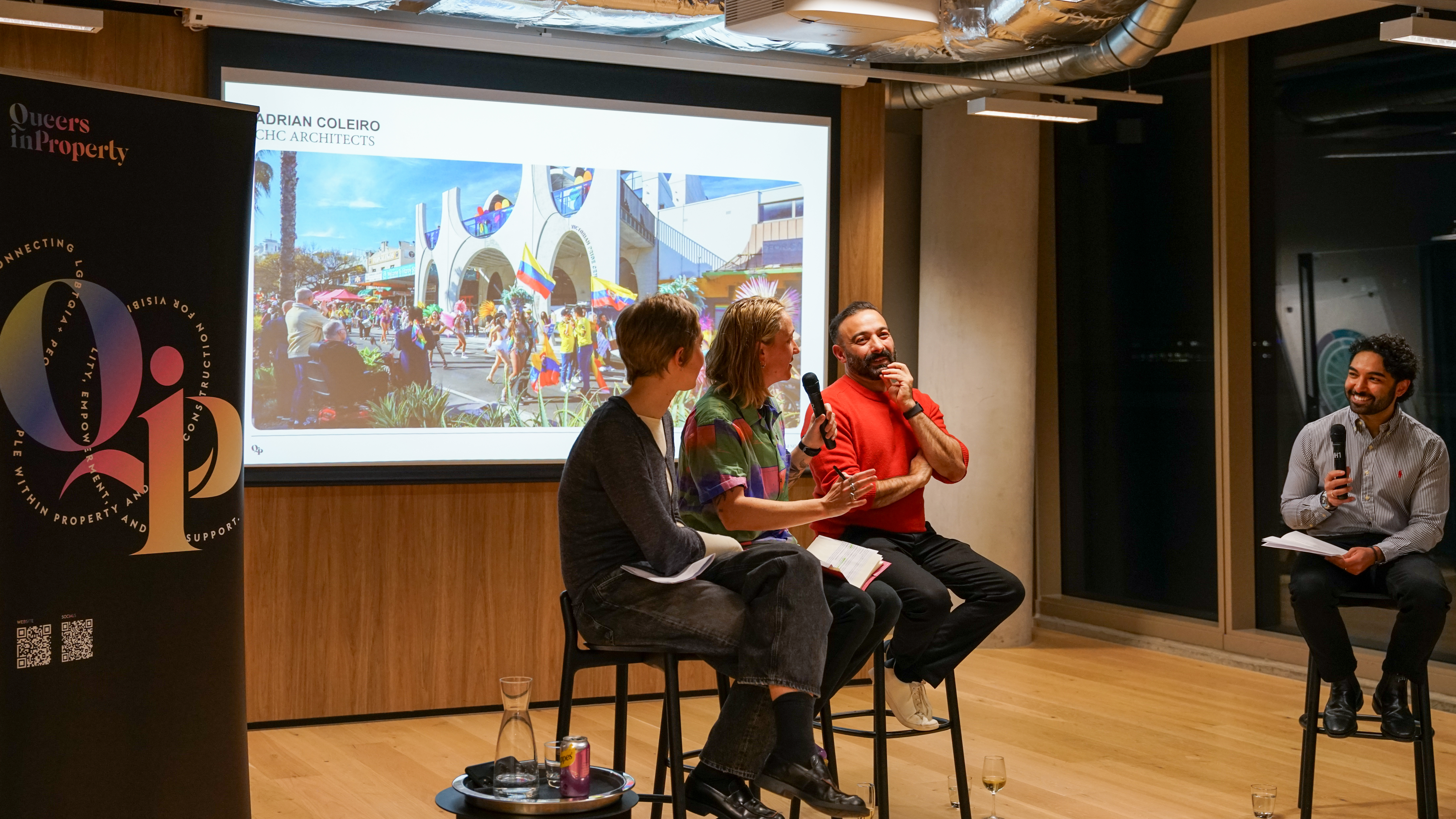
Most recently, QIP led a city-shaping conversation titled Queering Urbanism: Cities and Public Spaces, hosted by ClarkeHopkinsClarke Architects (CHC) in Melbourne. It marked the final installment of QIP’s three-part panel series, following earlier events hosted by planning firms Tract and Urbis, exploring how planning and design can better serve LGBTQIA+ communities while preserving queer culture.
The night offered insights from queer practitioners in the field and wove together lived experience, design practice and community perspectives, providing vital food for thought for today’s practitioners working to cultivate more inclusive cities.
Queer histories in the public realm
Sophie Weiner (she/her), Senior Sustainability Engineer at Arup, opened the discussion by sharing Arup’s global research on queering public space. She reminded the audience that design choices, even seemingly small ones, can profoundly shape who feels welcome. “There’s not really a one-size-fits-all solution but we need to do our best to contemplate everyone’s experience,” she explained. One example is the paradox of surveillance: while some community members feel safer under active monitoring, others find it alienating.
For Sophie, embedding queer history in the public realm is just as important as considering present needs. She cited London’s Royal Vauxhall Tavern, the city’s oldest gay bar, which narrowly avoided demolition through heritage protection and community activism. A full digital scan of the venue now exists as a safeguard for its cultural legacy. “Having memorials to queer history and resistance is important in helping the broader public understand how long the LGBTQIA+ community’s been here,” she noted.
Practical interventions also matter for inclusive urban spaces. Sophie pointed to Arup’s findings that simple choices, like benches facing each other or lighting that prioritises safety without surveillance, can create welcoming environments. These “micro interventions” shift the experience of public space, supporting those who need it and revealing barriers others may never have noticed.
Living, working, and designing for the gaybourhood
For Marti Fooks (she/they), Director of FOOKS Landscape Architecture, the politics of place are deeply personal. Establishing their practice above a gay bar on Smith Street was a deliberate act of alignment. “I located my business in a gaybourhood to deliberately make my business queer. That was a real focus because I felt like it was the next step of my journey in thinking about the potentials for queer theory in public space design,” Marti explained.
They also emphasised that queering public space cannot be reduced to token gestures. True inclusion means embedding queer voices and experiences from start to finish. As Marti put it: “To do a queer project without queer representation, from the moment you float the idea to the start of construction on site, it is not a queer project.”
Building permanence through consultation
CHCs Senior Architect Adrian Coleiro (he/him) offered insight into the consultation and design behind the Victorian Pride Centre in St Kilda with his previous studio. A thriving hub of culture and connection, the project was born from grassroots lobbying and government recognition of historical injustices towards the LGBTQIA+ community. “What City of Port Phillip were offering was, in perpetuity, a home for us,” Adrian explained, contrasting it with short-term leases that could see queer organisations lose their place once agreements lapsed. With this kind of permanency and legacy, he added, “we wanted to do right by the community.”
Community engagement was at the heart of the process. From First Nations and disability groups to LGBTQIA+ youth organisations like Minus18, consultation through the design process was ongoing and meaningful. Even small details were shaped by care, such as designing a secondary entrance for people who are closeted and not yet ready to walk through the main doors.
The Pride Centre’s flagpole design offered a tangible way of embedding meaning into the built form. Rather than a generic pole, it was conceived as an abstraction of the pride flag, with each element representing a part of the community coming together as one.
Towards queer futures
What resonated from the discussion was not a neat answer but a set of provocations. How do we protect queer histories from erasure while ensuring today’s communities are not displaced? How can grassroots consultation evolve into structural authorship, where queer practitioners lead rather than advise? And how do we embed care, safety, and equality into the very bones of our public spaces, not just symbolically or at a surface-level?
As a fitting note to close on, Marti reflected: “The community exists — we’re just accessorising it.” The challenge now is for all practitioners to ensure that our cities, at every scale and in every form, reflect that truth.
Written by:
Fraser McNally
Creative Producer, Assemble
Queers In Property Committee Member, Naarm/Melbourne
For VPELA revue Magazine Spring 2025
View Online